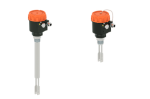
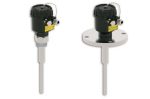
Description
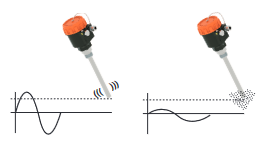
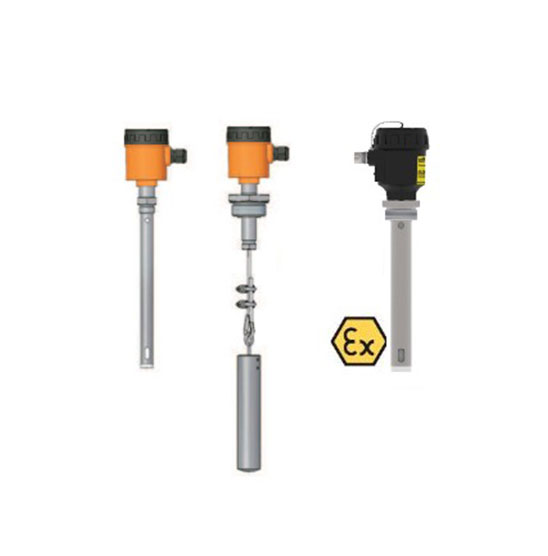
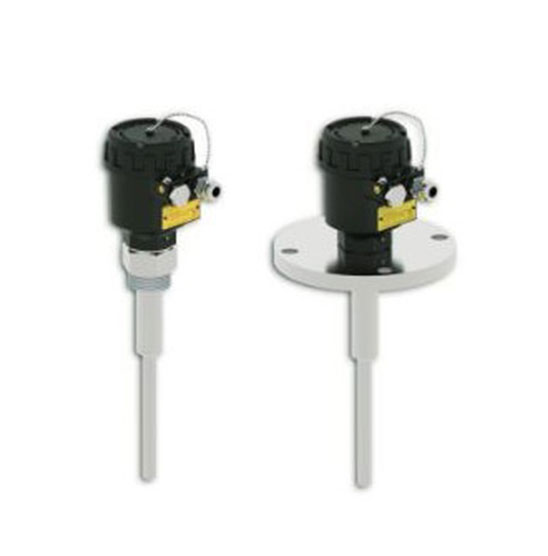
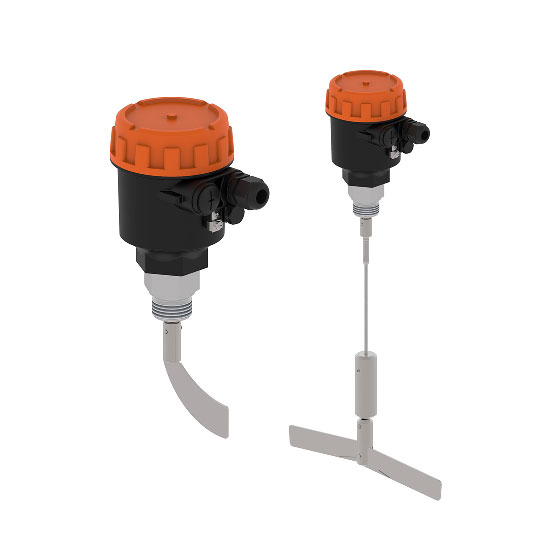
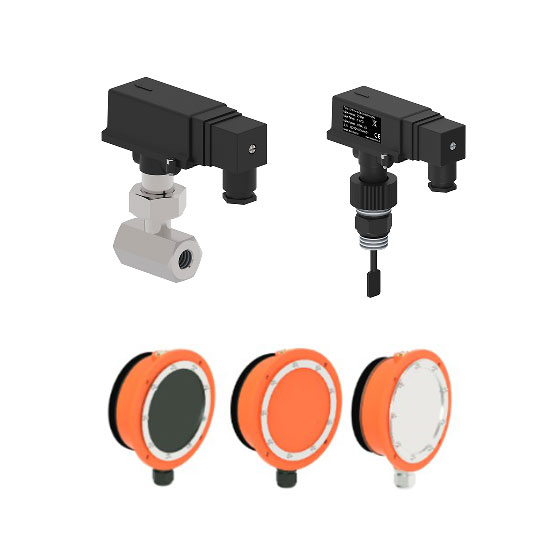
The ELT vibrating level switch provides the opportunity of limit control in solid and liquid fluid tanks. It is preferred for level control of corrosive or dense fluids since it does not have a moving mechanism.The vibrating rod is a mechanical element type level sensing device tuned by a single element. Vibration sensors are adjusted in the desired sensitivity range after their installation. When energized, it starts to vibrate in its own natural resonance. When the presence of fluid decreases the amplitude of vibration below the threshold, it is detected by electronics, so the level is determined by observing the amplitude of the vibration.
Characteristics:
- side and top mounting
- min and max limits selectable
- max process pressure: 15 bar
- max process temperature: 200°C
- low power consumption
- no calibration required
- settable switch delay
- durable construction
- independent on external vibrations
Applications
Vibrating Rods are used as level switches for sending full, empty or demand alarms in containers, hoppers, silos containing bulks and powders. Typical applications are cereals, beans, edible oil processing, sugar, animal feed, rice lants, detergents, dye powder, chalk, gypsum, fly-ash, cement, sand, plastic granules, spices, milk powder, etc.




 Pressure

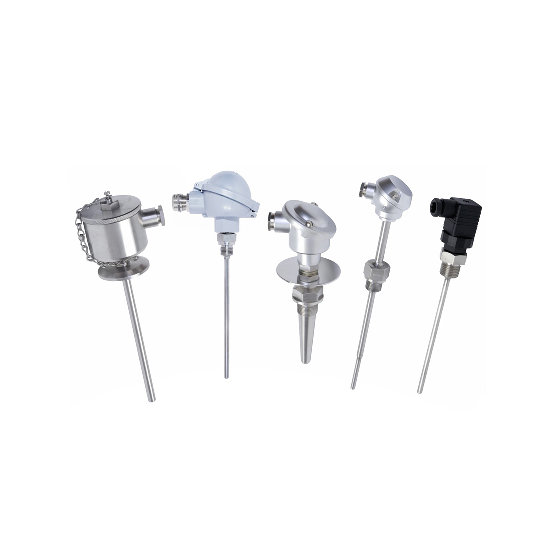









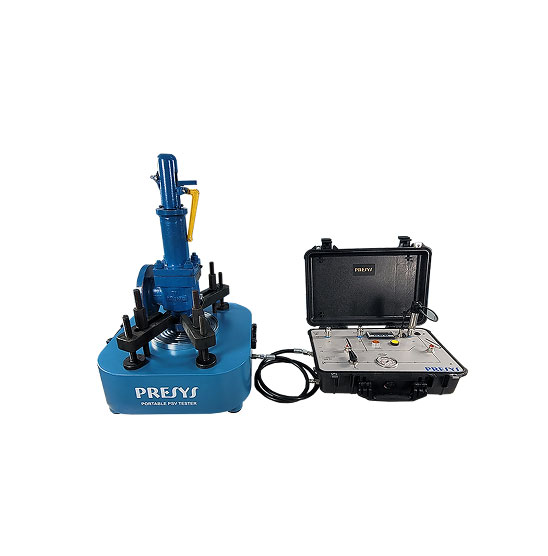









 HSPV
HSPV