



 Pressure
- Temperature

Bimetallic
1 product
TC
0 products
Gas filled
4 products
Thermowell
0 products
Ceramic Protection Tube
2 products
Replaceable measuring inserts
7 products
Non-Replaceable Measuring Inserts
3 products
Surface and Machinery Sensors
35 products
For Food and Pharmaceutical Industry
7 products
For HVAC Applications
9 products
For Acids, Alkalis, and Salts
4 products
Flameproof and Intrinsically Safe
5 products
Transmitters and Accessories
18 products
Accessories
0 products - Flowmeter

Electro Magnetic
0 products
Vortex
11 products
Swirl
0 products
Ultrasonic
2 products
Positive Displacement
6 products
Variable Area
0 products
Differential Pressure
9 products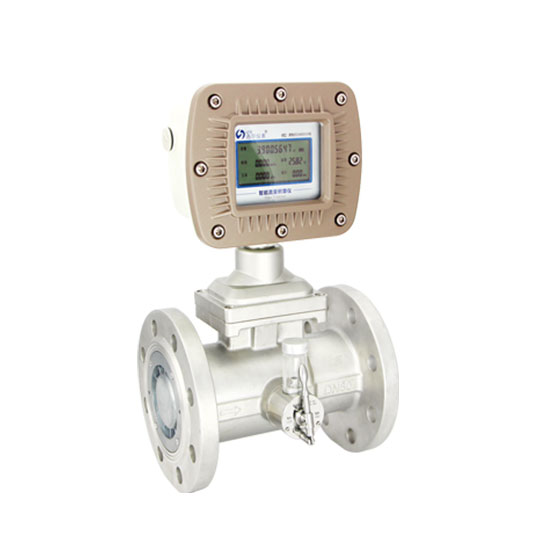
Gas Turbine
0 products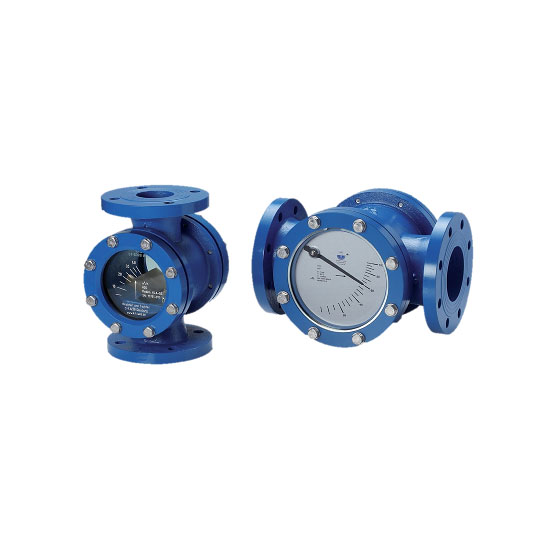
Flap
0 products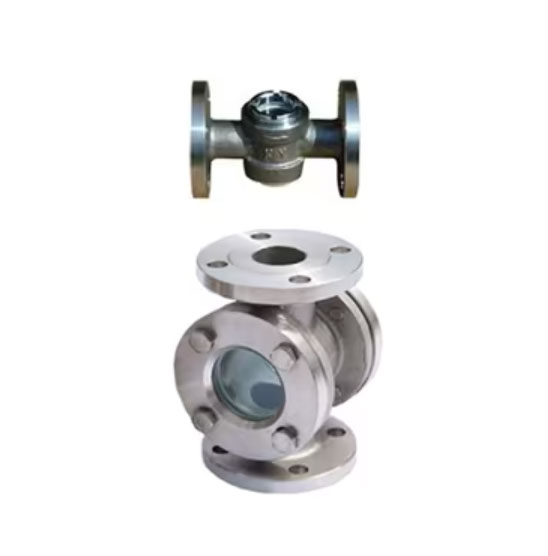
Side Glass
0 products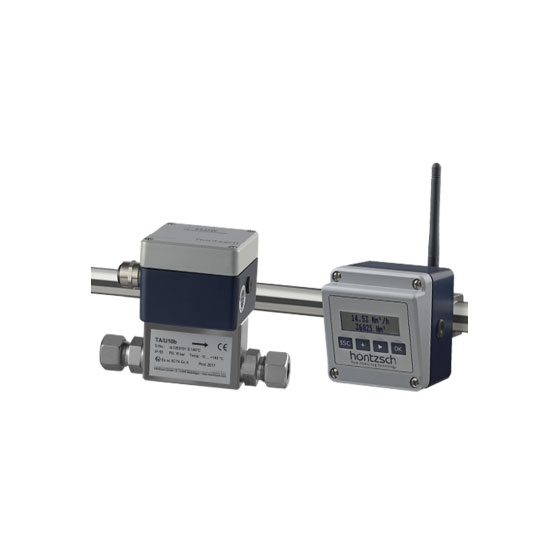
Thermal gas
0 products - Level
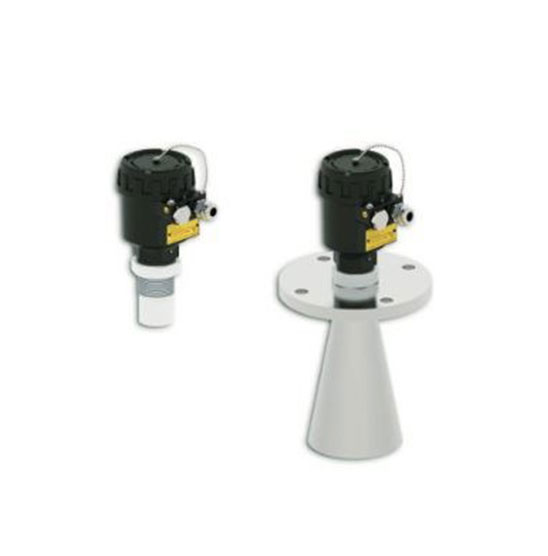
Radar
6 products
Ultrasonic
0 products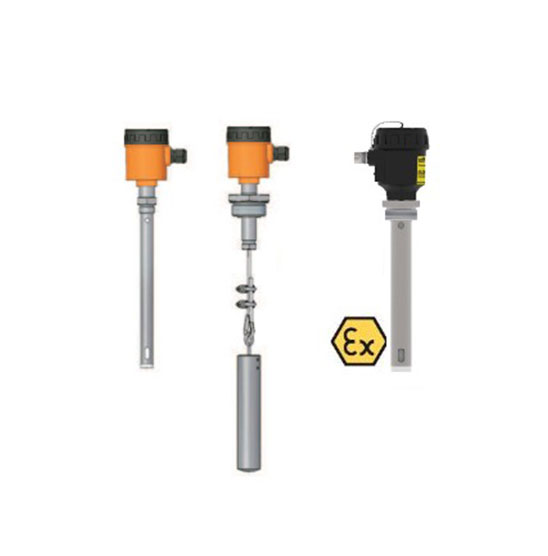
Capacitance
13 products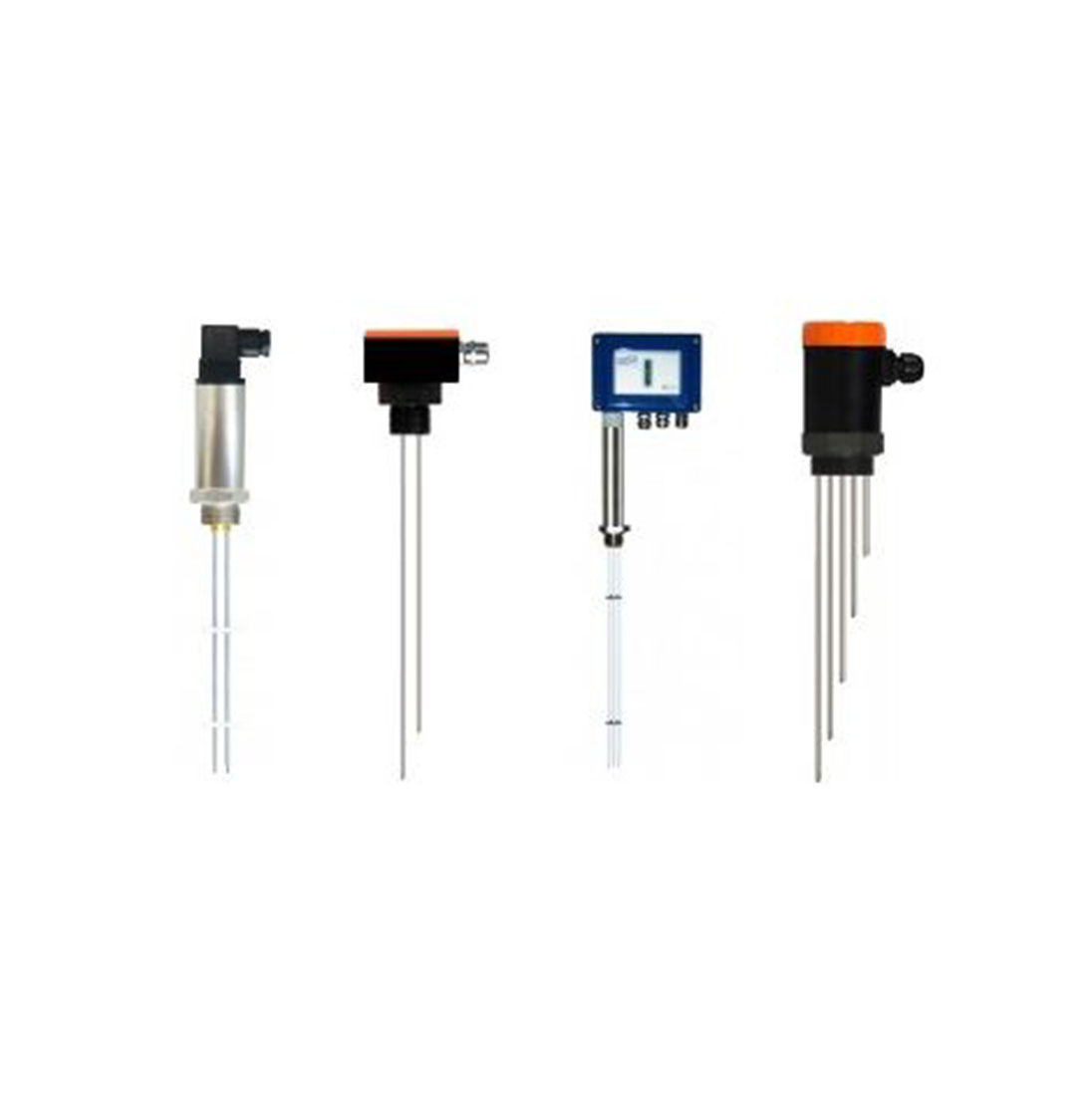
Conductivity
0 products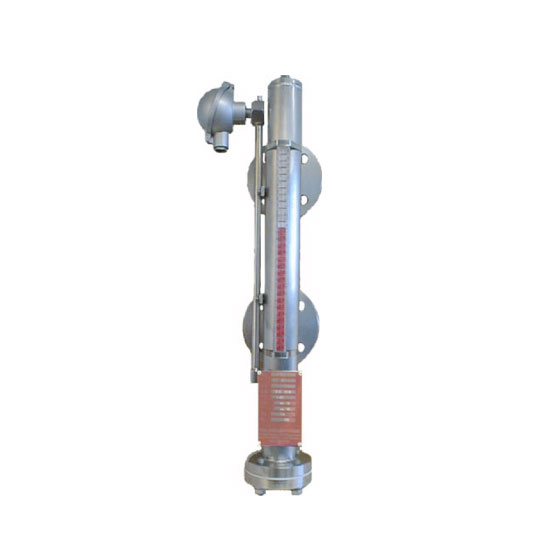
Magnetic
0 products
Float
0 products
Buoyancy
0 products
Tube
0 products
Vibrating Rod
0 products
Rotary Paddle
0 products
Level Switches
27 products - Analytical
Concentration
0 products
Density
0 products
Chlorine
0 products Conductivity
5 products PH
0 products Redox
0 products - Calibration Devices
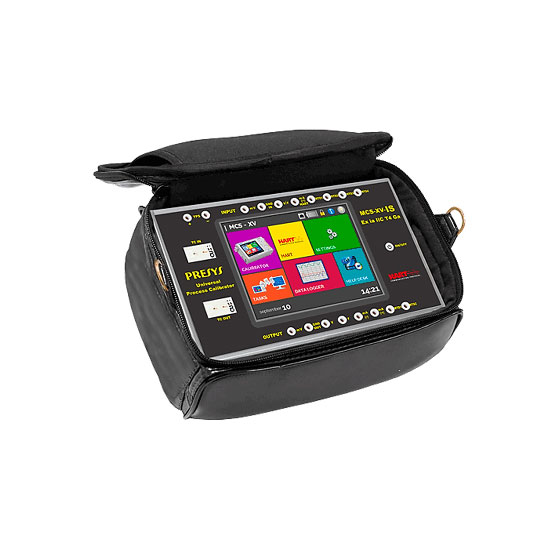
Multi Function Calibrators
0 products
Pressure Calibrators
0 products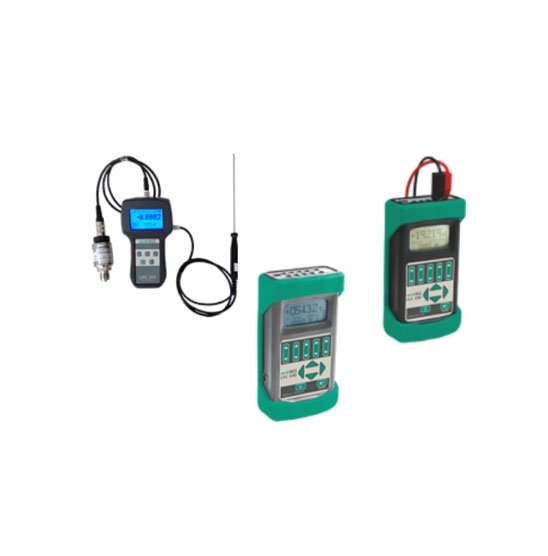
Temperature Calibrators
0 products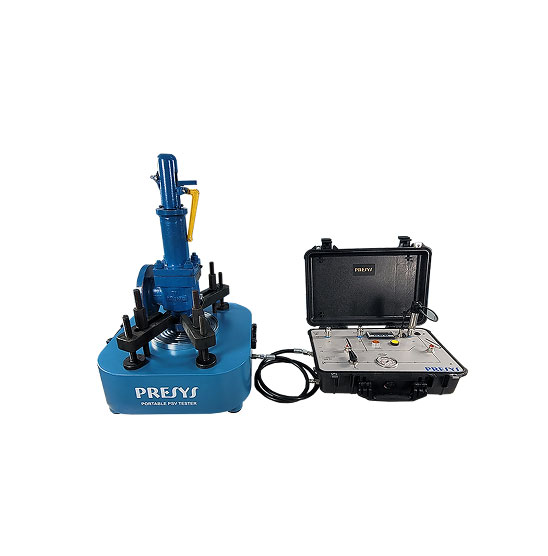
Valve Testing
0 products - All products










 HSPV
HSPV


information
- Introduction
Chlorine analytical instruments are precision devices designed to monitor and quantify the concentration of chlorine in water, ensuring safety and compliance in applications ranging from municipal water treatment to industrial cooling systems. These instruments typically utilize amperometric or colorimetric (DPD) measurement techniques to distinguish between free residual chlorine, combined chlorine, and total chlorine levels. By providing real-time data, they allow for the automated control of chemical dosing, which prevents both the health risks associated with under-chlorination and the corrosive or toxic effects of over-chlorination. Modern units often feature integrated digital displays, data logging capabilities, and rugged sensors capable of withstanding harsh process environments.
- Working Principles
The working principle of a chlorine analytical instrument generally relies on either amperometric or colorimetric sensing to determine concentration levels. In amperometric systems, chlorine molecules diffuse across a selective membrane and undergo a chemical reduction at a gold or platinum cathode, creating an electrical current that is directly proportional to the chlorine concentration in the fluid. Alternatively, colorimetric analyzers utilize the DPD (N,N-diethyl-p-phenylenediamine) method, where a reagent is added to the sample to react with chlorine, producing a pink tint; the instrument then passes a specific wavelength of light through the sample and measures the light absorbance to calculate the chlorine value according to the Beer-Lambert Law.
- Applications
Chlorine analytical instruments are vital for ensuring water safety and process efficiency across various sectors. Their primary applications include:
Municipal Water Treatment
Wastewater Management
Food and Beverage Processing
Cooling Tower Maintenance
Swimming Pool and Spa Control
Pharmaceutical Production
Power Generation
No products were found matching your selection.