



 Pressure
- Temperature

Bimetallic
1 product
TC
0 products
Gas filled
4 products
Thermowell
0 products
Ceramic Protection Tube
2 products
Replaceable measuring inserts
7 products
Non-Replaceable Measuring Inserts
3 products
Surface and Machinery Sensors
35 products
For Food and Pharmaceutical Industry
7 products
For HVAC Applications
9 products
For Acids, Alkalis, and Salts
4 products
Flameproof and Intrinsically Safe
5 products
Transmitters and Accessories
18 products
Accessories
0 products - Flowmeter

Electro Magnetic
0 products
Vortex
11 products
Swirl
0 products
Ultrasonic
2 products
Positive Displacement
6 products
Variable Area
0 products
Differential Pressure
9 products
Gas Turbine
0 products
Flap
0 products
Side Glass
0 products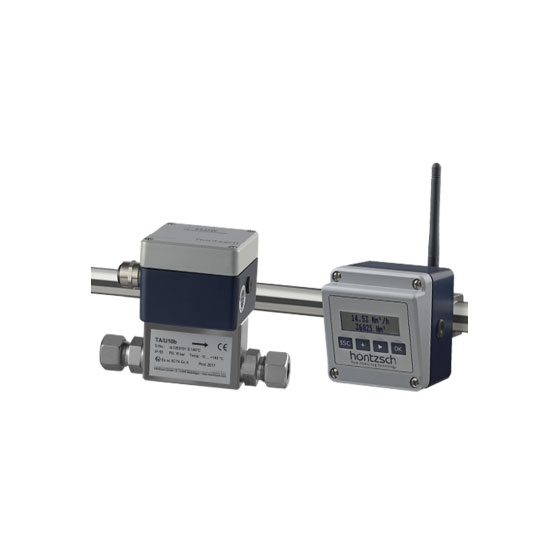
Thermal gas
0 products - Level
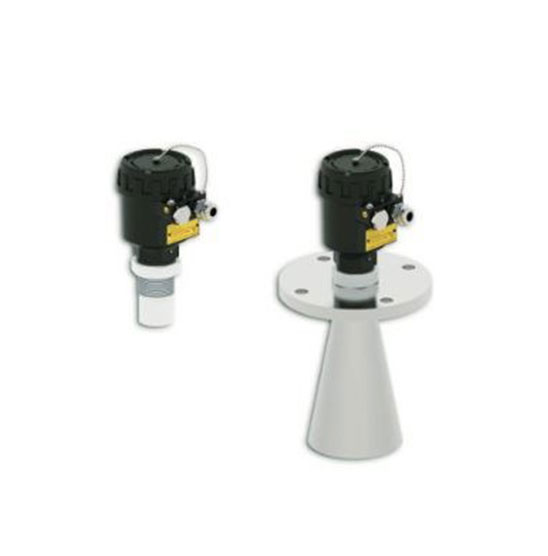
Radar
6 products
Ultrasonic
0 products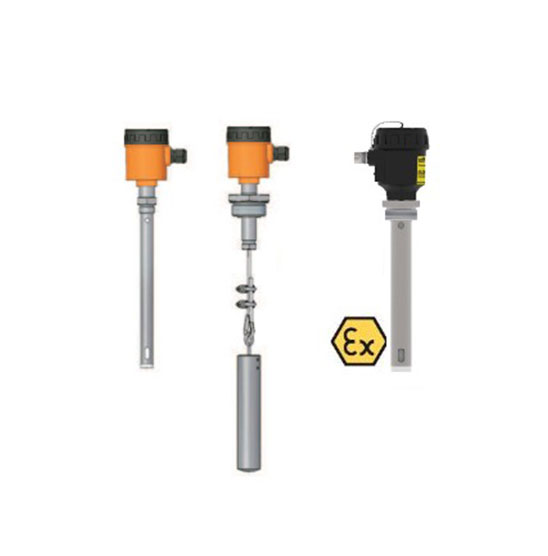
Capacitance
13 products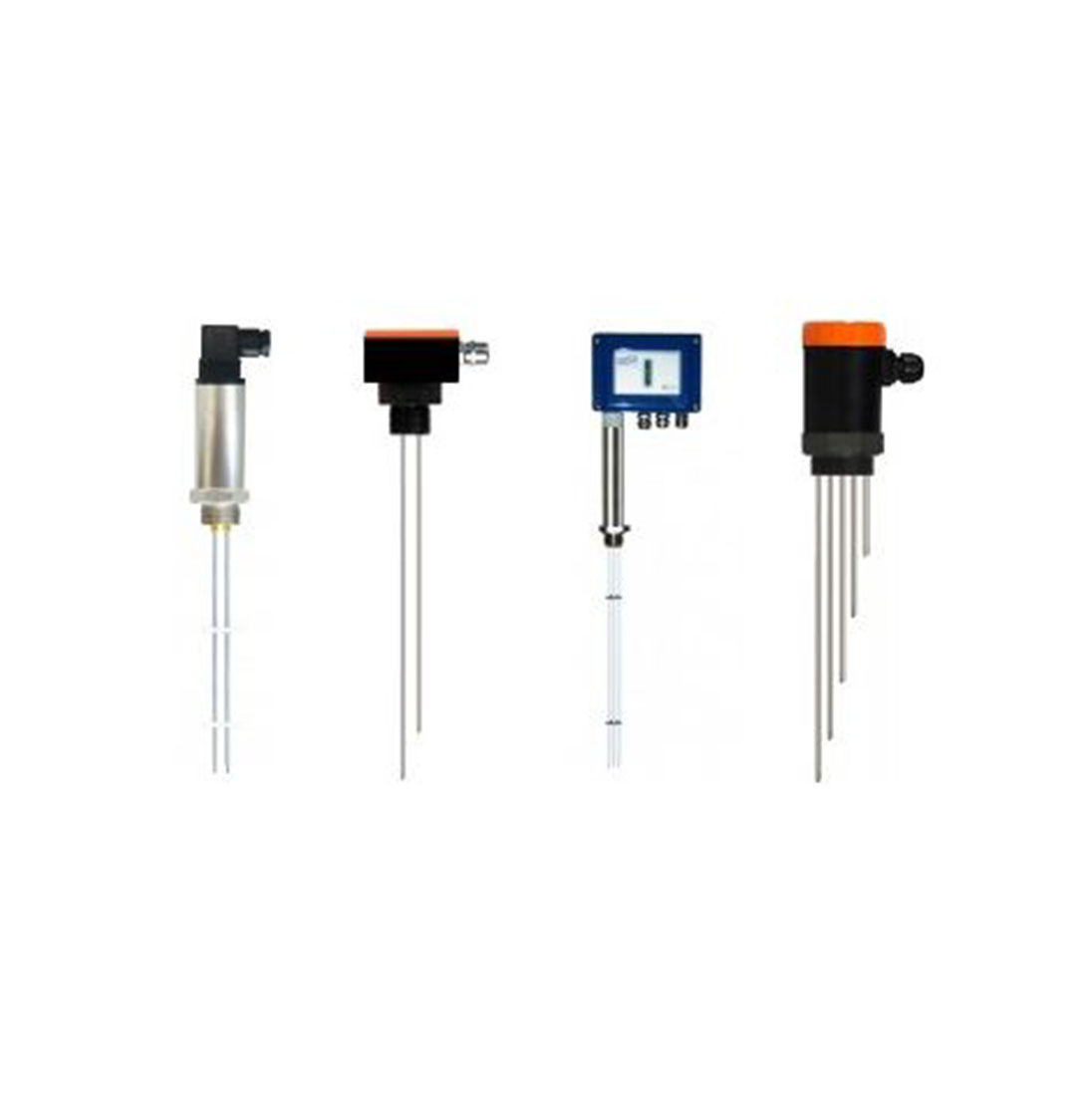
Conductivity
0 products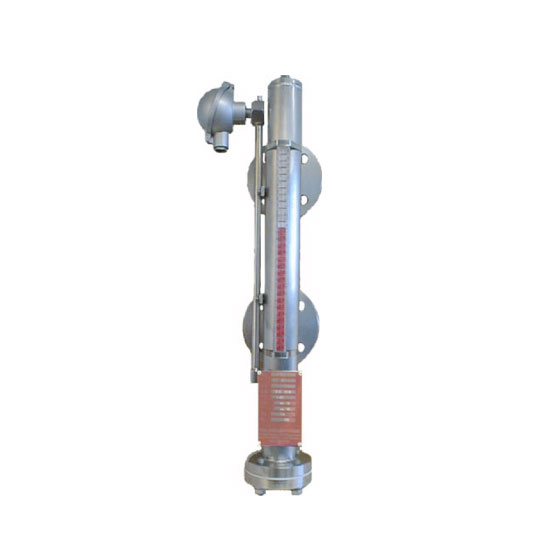
Magnetic
0 products
Float
0 products
Buoyancy
0 products
Tube
0 products
Vibrating Rod
0 products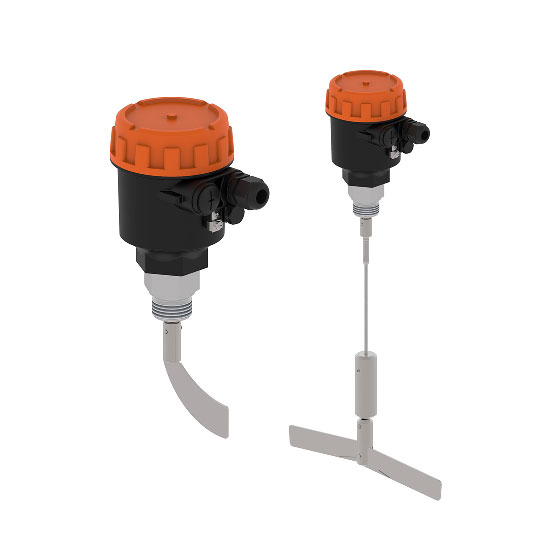
Rotary Paddle
0 products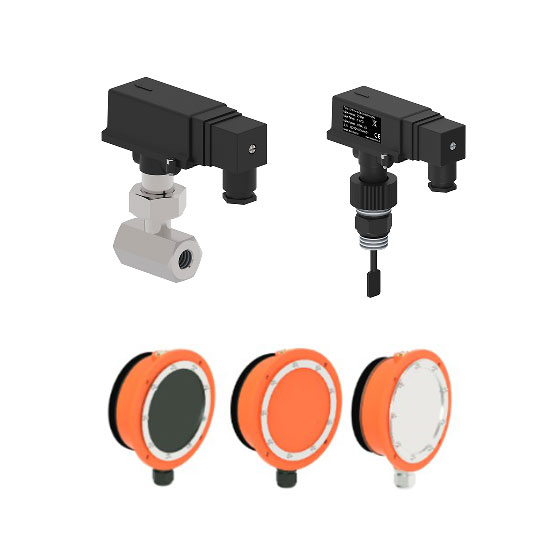
Level Switches
27 products - Analytical
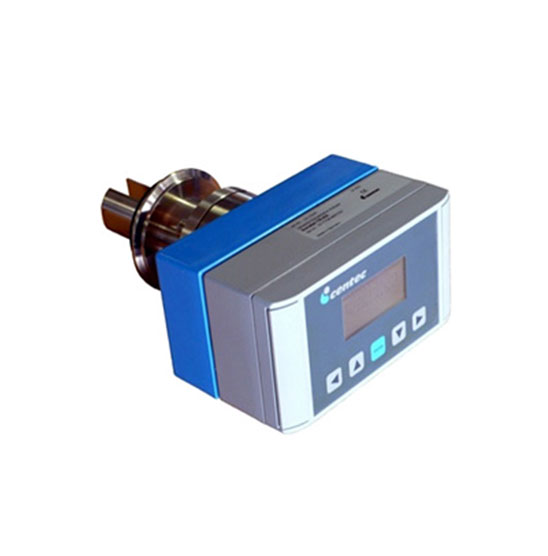
Concentration
0 products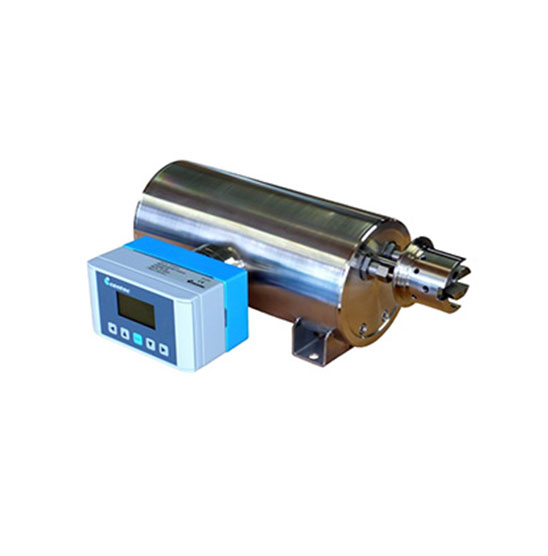
Density
0 products
Chlorine
0 products Conductivity
5 products PH
0 products Redox
0 products - Calibration Devices
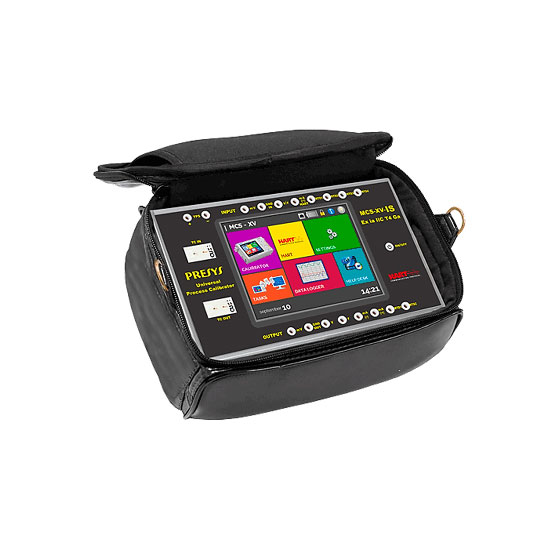
Multi Function Calibrators
0 products
Pressure Calibrators
0 products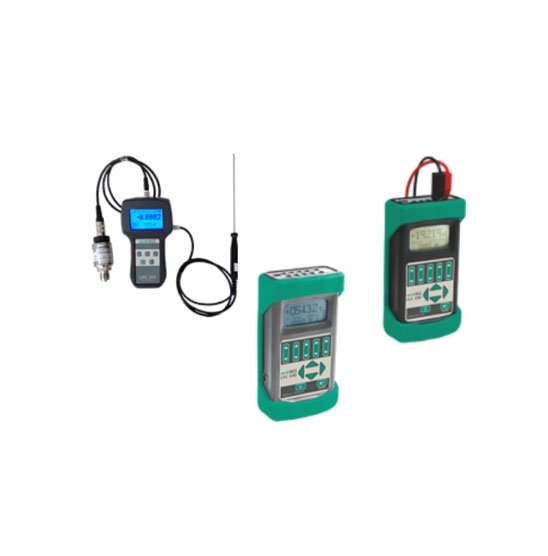
Temperature Calibrators
0 products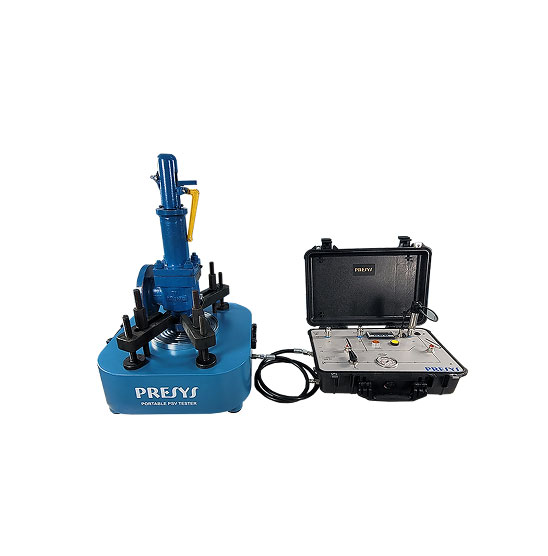
Valve Testing
0 products - All products

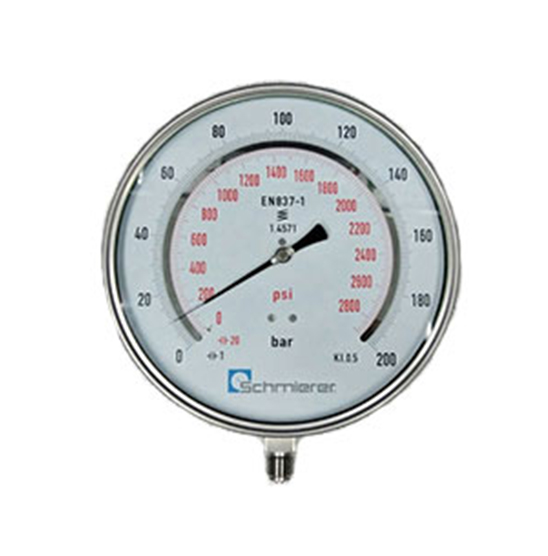








 HSPV
HSPV


information
- Introduction
A thermal gas flowmeter is a precision instrument designed to measure the mass flow rate of gases by utilizing the heat transfer characteristics of the fluid. The device typically employs two sensing elements: a velocity sensor that is heated to a specific temperature and a reference sensor that measures the ambient gas temperature. As gas flows past the heated sensor, it carries away heat in direct proportion to the mass flow of the molecules, requiring a specific amount of electrical power to maintain the temperature differential between the two sensors. Because this measurement principle relies on the heat capacity and molecular density of the gas rather than volume, thermal flowmeters provide highly accurate mass flow data without the need for additional pressure or temperature compensation, making them ideal for monitoring compressed air, industrial gases, and greenhouse gas emissions.
- Working Principles
The working principle of a thermal gas flowmeter is based on the convective heat transfer from a heated surface to a flowing fluid, specifically utilizing the physical properties of gas molecules to determine mass flow. The instrument typically features two RTD (Resistance Temperature Detector) sensors immersed in the flow stream: one acts as a reference to measure the ambient gas temperature, while the other is actively heated to maintain a constant temperature differential above the reference. As gas moves past the heated sensor, the flowing molecules carry heat away—a cooling effect that is directly proportional to the mass flow rate. To maintain the established temperature difference, the meter’s electronics must increase the electrical power to the heated sensor; by measuring this power consumption or the degree of cooling, the device accurately calculates the gas mass flow without requiring separate pressure or temperature compensation.
- Applications
Thermal gas flowmeters are widely utilized across various sectors due to their ability to measure mass flow directly, especially in low-pressure and low-flow environments.
Compressed Air Management
Industrial Gas Monitoring
Natural Gas Measurement
Wastewater Treatment
Environmental Compliance
HVAC Systems
Semiconductor Manufacturing
No products were found matching your selection.