
Pressure
Temperature
Bimetallic
1 product
TC
0 products
Gas filled
4 products
Thermowell
0 products
Ceramic Protection Tube
2 products
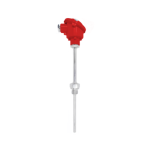
Replaceable measuring inserts
7 products
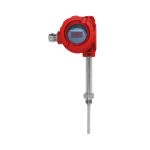
Non-Replaceable Measuring Inserts
3 products
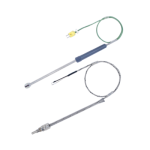
Surface and Machinery Sensors
35 products
For Food and Pharmaceutical Industry
7 products
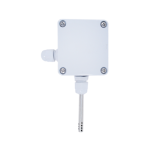
For HVAC Applications
9 products
For Acids, Alkalis, and Salts
4 products
Flameproof and Intrinsically Safe
5 products
Transmitters and Accessories
18 products
Accessories
0 products
Flowmeter
Electro Magnetic
0 products
Vortex
11 products
Swirl
0 products
Ultrasonic
2 products
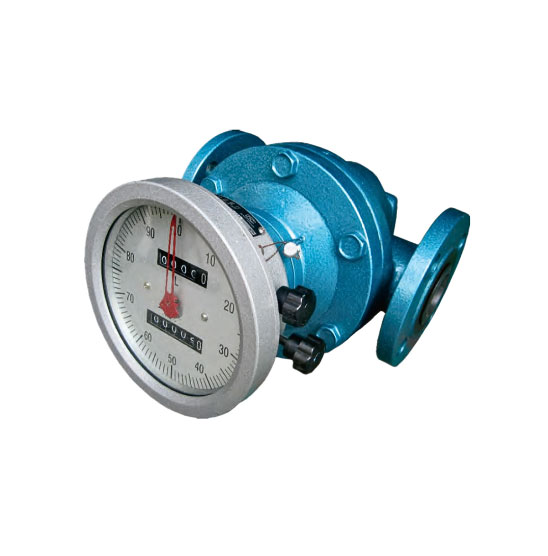
Positive Displacement
6 products
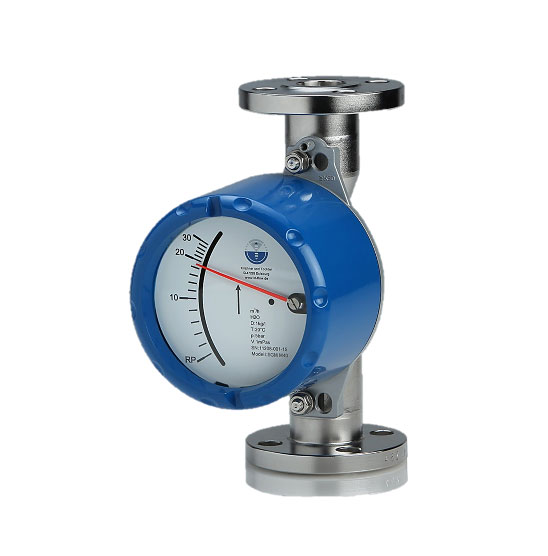
Variable Area
0 products
Differential Pressure
9 products
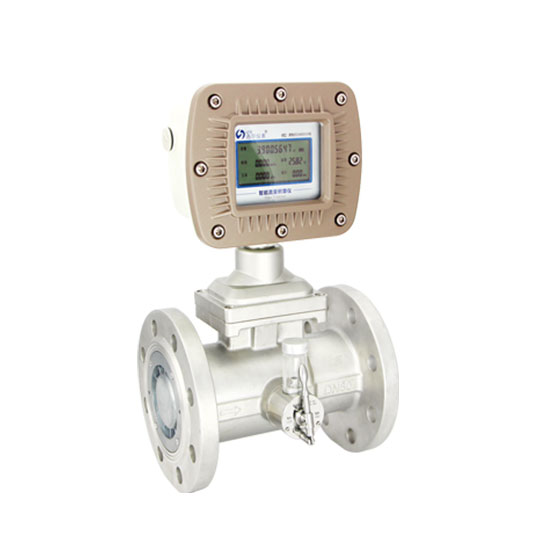
Gas Turbine
0 products
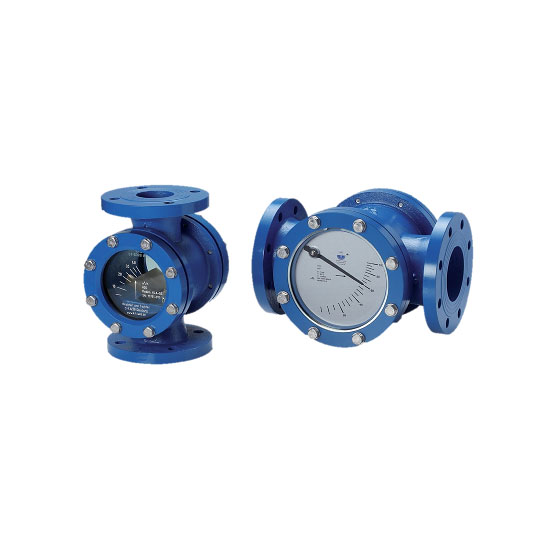
Flap
0 products
Side Glass
0 products
Thermal gas
0 products
Level
Radar
6 products
Ultrasonic
0 products
Capacitance
13 products
Conductivity
0 products
Magnetic
0 products
Float
0 products
Buoyancy
0 products
Tube
0 products
Vibrating Rod
0 products
Rotary Paddle
0 products
Level Switches
27 products
Analytical
Concentration
0 products
Density
0 products
Chlorine
0 products
Conductivity
5 products
PH
0 products
Redox
0 products
Calibration Devices
Multi Function Calibrators
0 products
Pressure Calibrators
0 products
Temperature Calibrators
0 products
Valve Testing
0 products
All products
information
- Introduction
A temperature transmitter is a sophisticated electrical instrument that interfaces with a primary sensing element—typically a Resistance Temperature Detector (RTD) or a thermocouple—to convert a low-level, non-linear millivolt or resistance signal into a standardized, robust output signal (most commonly 4-20 mA, HART, or Foundation Fieldbus) suitable for long-distance transmission to a control system. By conditioning the signal at the source, transmitters minimize the impact of electromagnetic interference and lead-wire resistance, ensuring high accuracy and reliability in industrial processes. To facilitate installation and protect the integrity of the measurement, various accessories are utilized: thermowells act as pressure-tight barriers to protect the sensor from corrosive or high-velocity process fluids; extension nipples and unions provide the necessary standoff distance for thermal insulation; and mounting brackets or explosion-proof housings ensure the electronics remain secure and operational in harsh or hazardous environments.
- Working Principles
The working principle of a temperature transmitter centers on signal conditioning and conversion, where the device receives a raw, low-level signal (such as millivolts from a thermocouple or ohms from an RTD) and transforms it into a standardized, interference-resistant output, typically a 4-20 mA current loop. This process begins with the transmitter’s internal circuitry measuring the sensor’s input, linearizing the data to account for the sensor’s specific thermal characteristics, and then amplifying it for long-distance transmission to a PLC or DCS. To ensure this measurement remains accurate and the hardware stays intact, various accessories provide physical and environmental support: thermowells serve as a protective sleeve that allows the sensor to be replaced without breaching the process vessel, while extension necks provide thermal isolation to protect the transmitter’s electronics from extreme process temperatures. Together, these components ensure that a delicate thermal reading is successfully converted into a stable, industrial-grade data signal.
- Applications
Temperature transmitters and their associated hardware are foundational to modern industrial automation, acting as the bridge between raw environmental data and actionable control intelligence. By converting sensitive thermal readings into standardized signals, these devices enable precise monitoring and safety management across diverse and demanding environments.
Core Industrial Applications
Chemical and Petrochemical Processing
Oil and Gas Refining
Power Generation
Food and Beverage Industry
Pharmaceutical Manufacturing
HVAC and Building Automation
Water and Wastewater Treatment
Metals and Mining
Showing all 18 results
Basic heads for temperature sensors
In stock
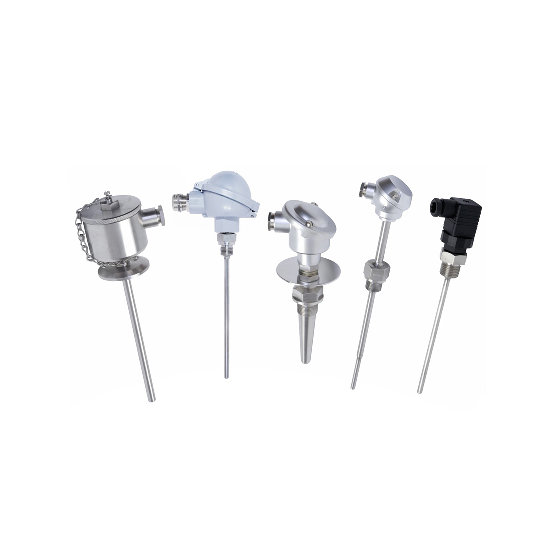
Connection heads are integral elements of temperature sensors, available also as separate components. They are made primarily of aluminium alloys, but stainless steel, polyamide or noryl heads are also available. Wide range of connection heads allows head selection according to client requirements and application specifications.
Sensor TGM 12 district heating station w. connector
In stock
SKU:
TOPG-M12, TONG-M12
Sensor suitable for temperature measurement in district heating substations. Applicable also for temperature measurement of liquid and gaseous media in high pressure conditions. This sensor consists of resistor placed in the thin-walled acid-resistant sheath with welded process connection and plug installed on the sheath. It is equipped with additional straight or angled connector for joining lead wire with outer devices.
Welding Adapters MP, MS
In stock
Adapter is a part of measuring installation (especially of pipelines), where a sensing element (temperature sensor) is installed by means of threaded connector. Selection of parameters and design depends on measuring installation conditions. It is manufactured in accordance with individual client requirements.