



 Pressure
- Temperature

Bimetallic
1 product
TC
0 products
Gas filled
4 products
Thermowell
8 products
Ceramic Protection Tube
2 products
Replaceable measuring inserts
7 products
Non-Replaceable Measuring Inserts
3 products
Surface and Machinery Sensors
35 products
For Food and Pharmaceutical Industry
7 products
For HVAC Applications
9 products
For Acids, Alkalis, and Salts
4 products
Flameproof and Intrinsically Safe
5 products
Transmitters and Accessories
14 products
Accessories
5 products - Flowmeter

Electro Magnetic
0 products
Vortex
4 products
Swirl
0 products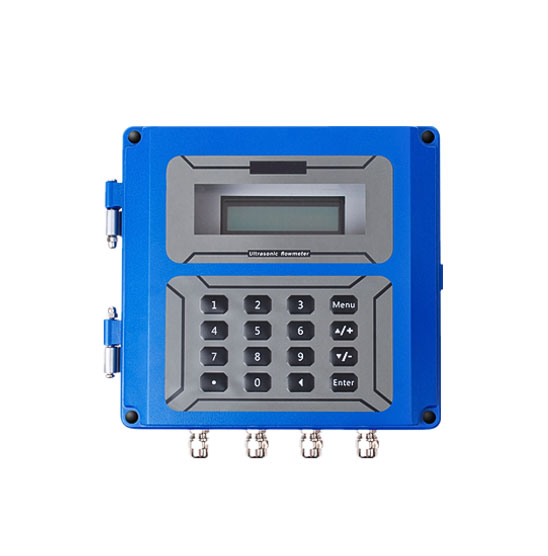
Ultrasonic
2 products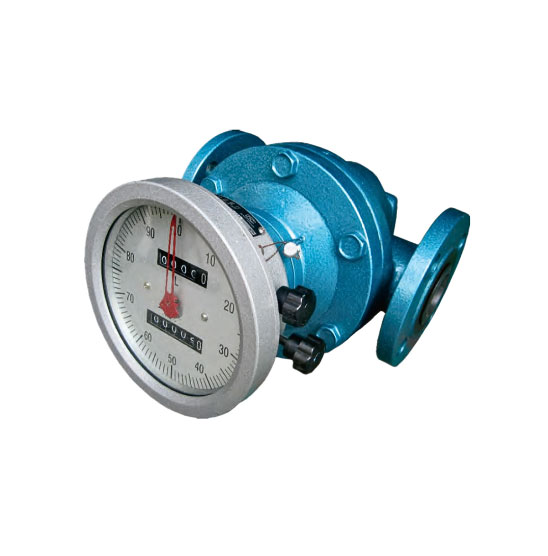
Positive Displacement
6 products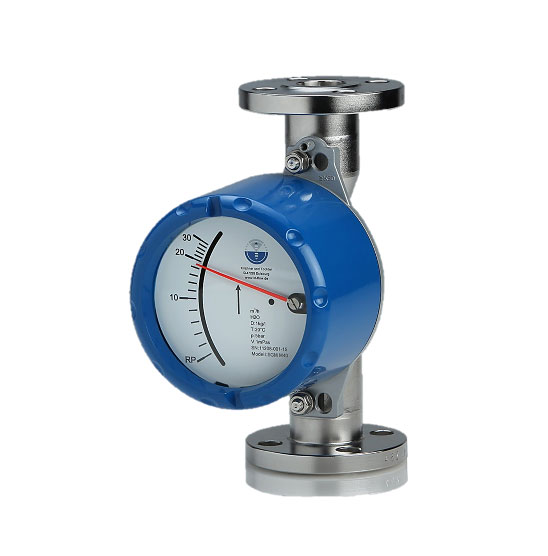
Variable Area
9 products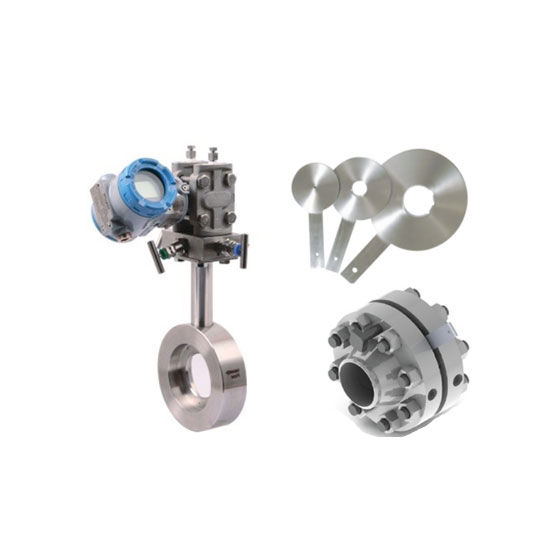
Differential Pressure
9 products
Gas Turbine
0 products
Flap
3 products
Side Glass
0 products
Thermal gas
1 product - Level
Radar
5 products
Ultrasonic
0 products
Capacitance
13 products
Conductivity
0 products
Magnetic
1 product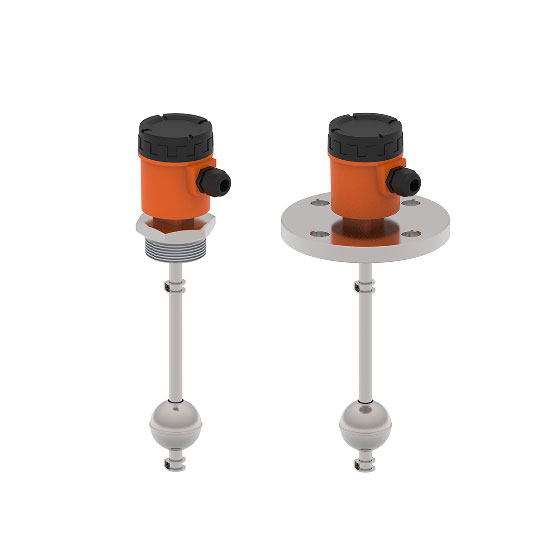
Float
0 products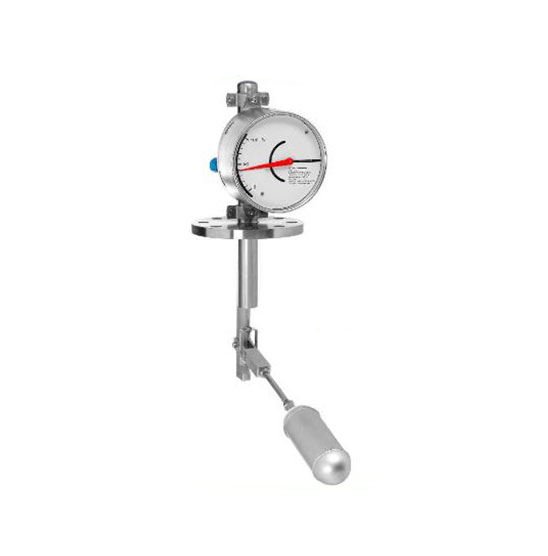
Buoyancy
0 products
Tube
4 products
Vibrating Rod
3 products
Rotary Paddle
2 products
Level Switches
27 products - Analytical

Process Systems
30 products
Concentration
10 products
Density
10 products
Chlorine
0 products Conductivity
5 products PH
0 products Redox
0 products - Calibration Devices
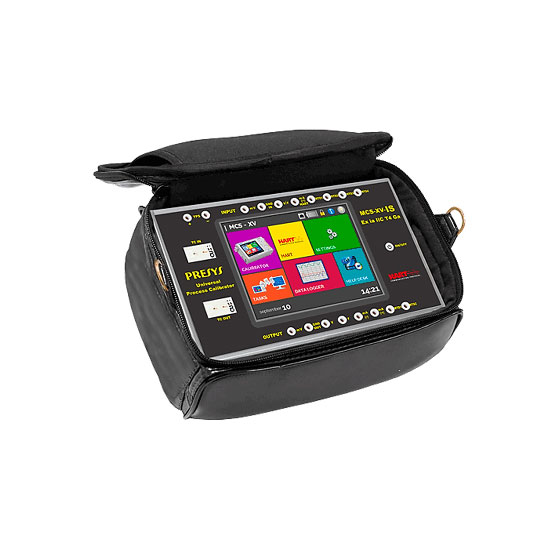
Multi Function Calibrators
2 products
Pressure Calibrators
3 products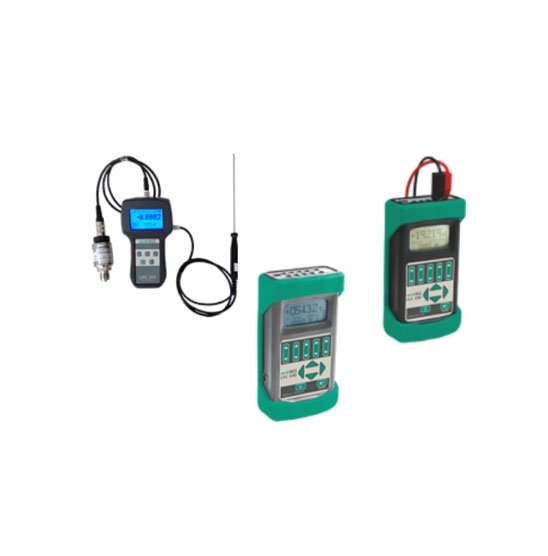
Temperature Calibrators
4 products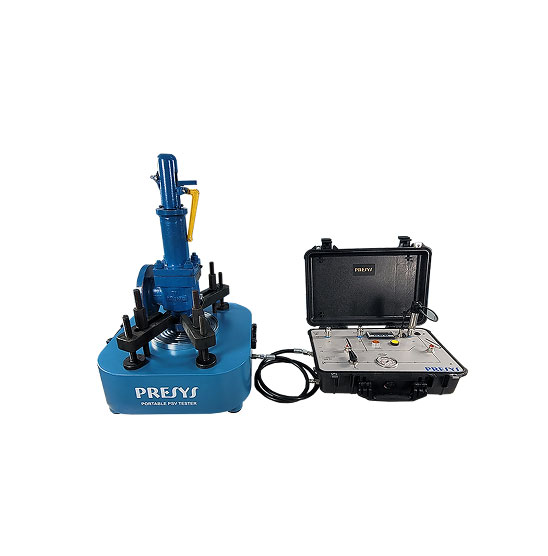
Valve Testing
1 product - All products

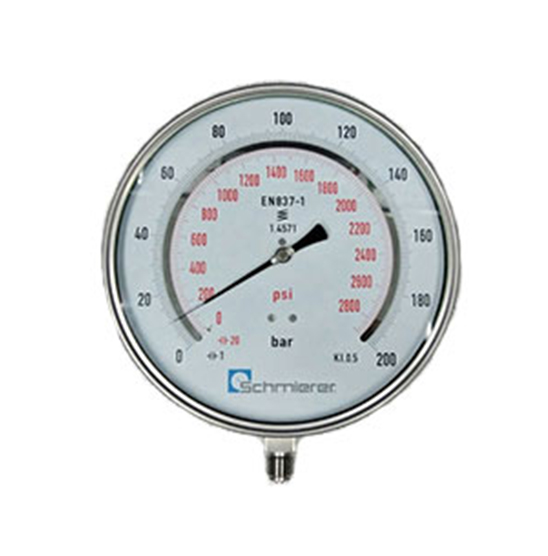









 HSPV
HSPV


information
- Introduction
Float level instruments are versatile mechanical sensors designed to monitor liquid levels by utilizing a buoyant float that rises and falls with the surface of the fluid. As the liquid level shifts, the float’s movement is transmitted through a connecting rod or cable to a sensing mechanism—typically a magnetic reed switch, a microswitch, or a continuous transmitter—which then converts the physical displacement into a discrete or analog electrical signal. Known for their reliability and simplicity, these instruments are widely used across diverse sectors, including water treatment, chemical processing, and fuel management, providing an effective solution for high-level alarms, low-level protection, and automated pump control in both open tanks and pressurized vessels.
- Working Principles
The working principle of float level instruments is based on the physical law of buoyancy, specifically Archimedes’ Principle, which dictates that a float will remain partially submerged on a liquid surface as long as its density is lower than that of the fluid. As the liquid level fluctuates, the float moves vertically, acting as a mechanical actuator for a sensing element. In many industrial designs, the float contains an internal magnet that moves along a stationary stem; when the float reaches a specific height, its magnetic field triggers a reed switch or a Hall effect sensor embedded within the stem to open or close an electrical circuit. Alternatively, for continuous measurement, the movement may be translated into a variable resistance or a $4-20\text{ mA signal, allowing for real-time monitoring and automated control of pumps and valves in storage tanks and processing vessels.
- Applications
Float level instruments are essential components in various industrial and municipal systems due to their durability and straightforward operation. Their applications generally fall into monitoring, safety, and automation categories:
Pump Control and Automation
High and Low-Level Alarming
Water and Wastewater Treatment
Oil and Gas Storage
Chemical Processing
Food and Beverage Production
HVAC Systems
Marine and Shipbuilding
No products were found matching your selection.