



 Pressure
- Temperature

Bimetallic
1 product
TC
0 products
Gas filled
4 products
Thermowell
8 products
Ceramic Protection Tube
2 products
Replaceable measuring inserts
7 products
Non-Replaceable Measuring Inserts
3 products
Surface and Machinery Sensors
35 products
For Food and Pharmaceutical Industry
7 products
For HVAC Applications
9 products
For Acids, Alkalis, and Salts
4 products
Flameproof and Intrinsically Safe
5 products
Transmitters and Accessories
14 products
Accessories
5 products - Flowmeter

Electro Magnetic
0 products
Vortex
3 products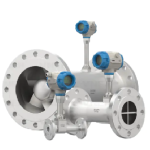
Swirl
1 product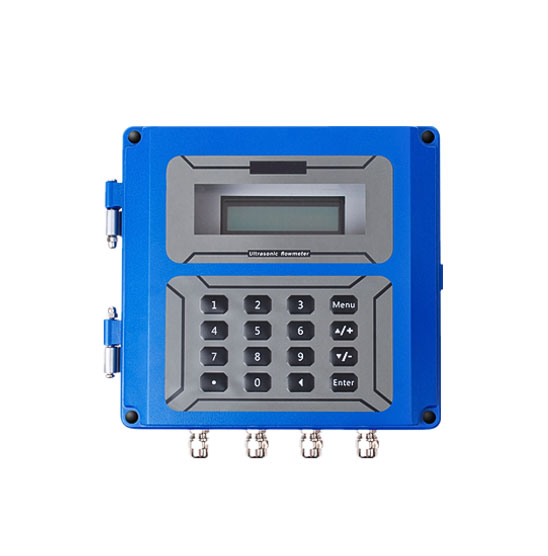
Ultrasonic
6 products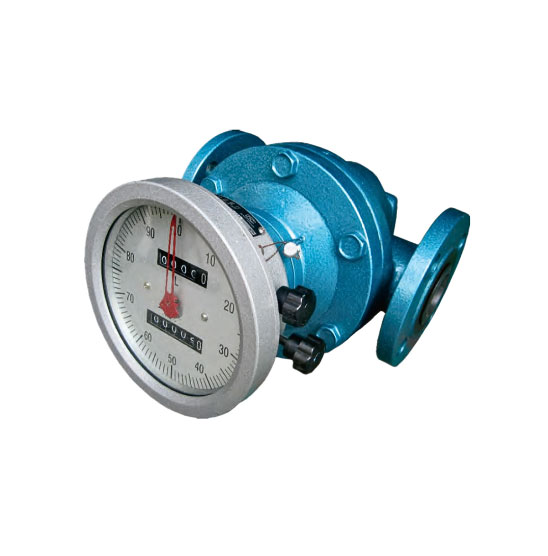
Positive Displacement
6 products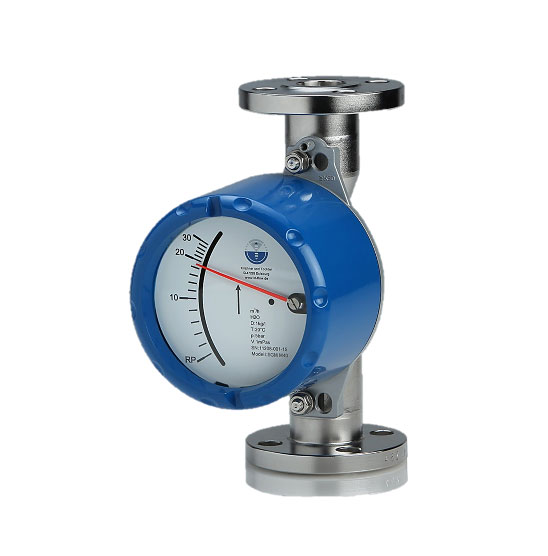
Variable Area
10 products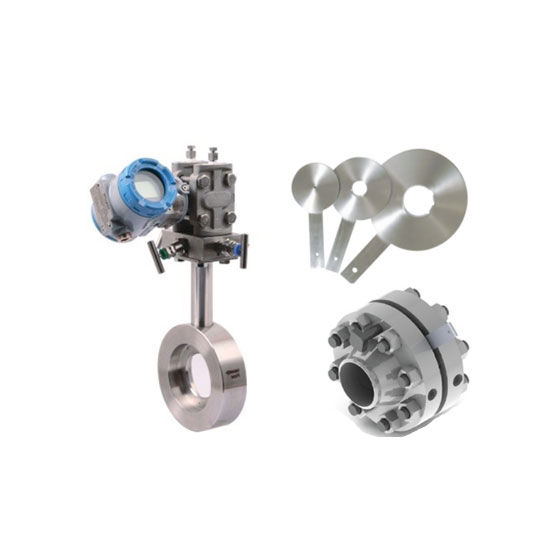
Differential Pressure
7 products
Turbine
4 products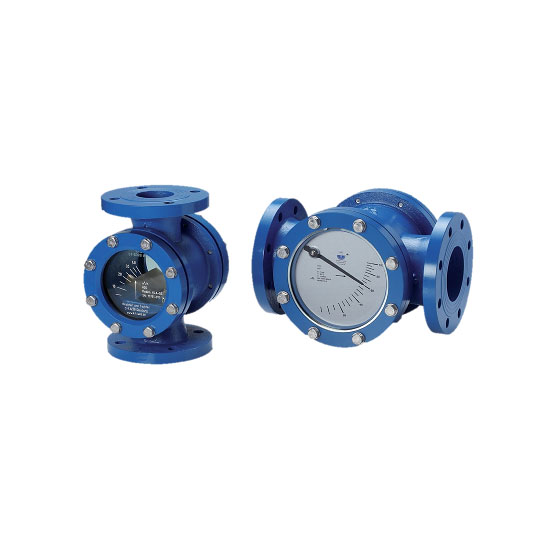
Flap
3 products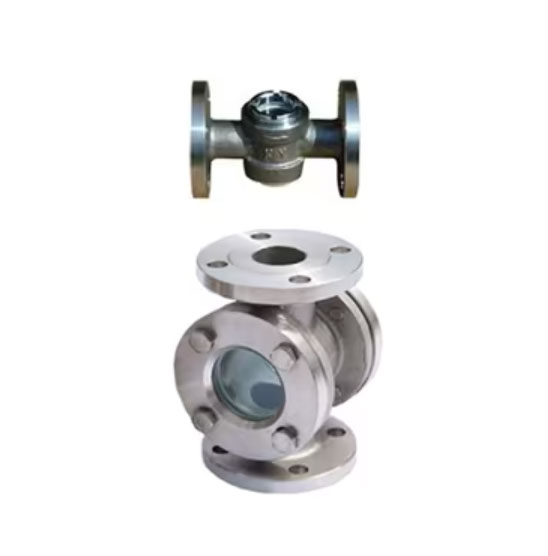
Side Glass
1 product
Thermal gas
1 product - Level
Radar
5 products
Ultrasonic
0 products
Capacitance
13 products
Conductivity
0 products
Magnetic
1 product
Float
0 products
Buoyancy
0 products
Tube
4 products
Vibrating Rod
3 products
Rotary Paddle
2 products
Level Switches
27 products - Analytical
Process Systems
30 products
Concentration
10 products
Density
10 products
Chlorine
0 products Conductivity
5 products PH
0 products Redox
0 products - Calibration Devices
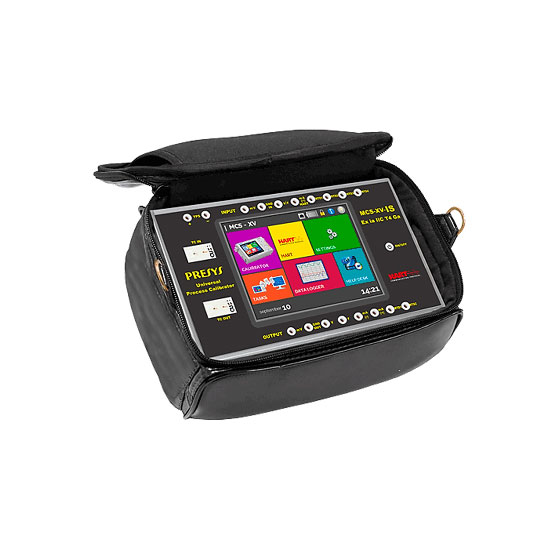
Multi Function Calibrators
2 products
Pressure Calibrators
3 products
Temperature Calibrators
4 products
Valve Testing
1 product - All products









 HSPV
HSPV


Tube

Boiler Steam Water Level Gauge
In stock
SKU:
SEL
The Boiler Steam Water Level Gauge Model SEL indicates level status from the display equipment by identifying electric resistance of water and steam by electrode sensors. The level of water portion displays each level in green and the steam portion displays it in red on the indicator of the micro processor controller unit (MPU) installed at site and the remote indicator unit (RIU) in control room etc. A SEL-S series Level Switch installed on the drain port in the superheated steam line will detect the level of condensed water in the port.
- Detection of level and status for water and steam in boiler drums and steam generators
- For high temperature & pressure
- On site (local MPU) and remote (Computer or RIU) indicators
- 10 set point alarms, changeable
- Level gauge, transmitter, switch function in one device
- Battery backup (opt.)
download pdf datasheet

Level Indicator ELD
In stock
SKU:
ELD
Ensim ELD liquid level indicators are designed for machine
manufactures to control the level of oil or other liquid outside of their
vessels / tanks. They can be mounted horizontal or vertical and do not require electrical power.
download pdf datasheet

Level Indicator NA/NA-V4A
In stock
SKU:
NA/NA-V4A
The Kirchner tank level indicators NA and NA-V4A are suitable water, oil, alkalis or acids in aggressive environments. Each device contains a measuring tube made of borosilicate glass, stainless steel connection tube and a media specific float.
download pdf datasheet

Reflex type Glass Level Indicator ELH
In stock
SKU:
ELH
Reflex glasses are used for observing level in pressure tanks and high temperature liquids.
download pdf datasheet