



 Pressure
- Temperature

Bimetallic
1 product
TC
0 products
Gas filled
4 products
Thermowell
0 products
Ceramic Protection Tube
2 products
Replaceable measuring inserts
7 products
Non-Replaceable Measuring Inserts
3 products
Surface and Machinery Sensors
35 products
For Food and Pharmaceutical Industry
7 products
For HVAC Applications
9 products
For Acids, Alkalis, and Salts
4 products
Flameproof and Intrinsically Safe
5 products
Transmitters and Accessories
18 products
Accessories
0 products - Flowmeter

Electro Magnetic
0 products
Vortex
11 products
Swirl
0 products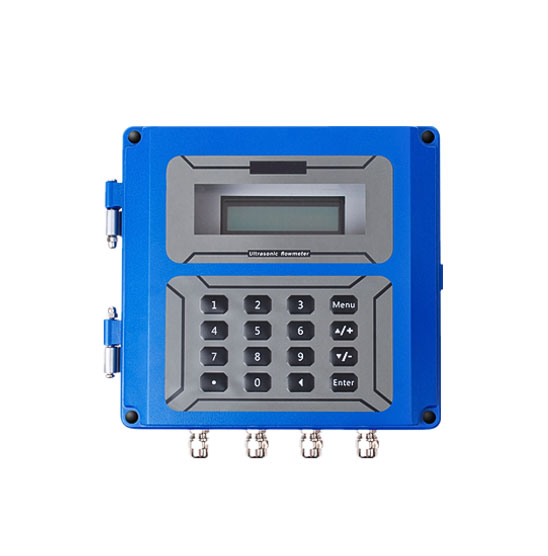
Ultrasonic
2 products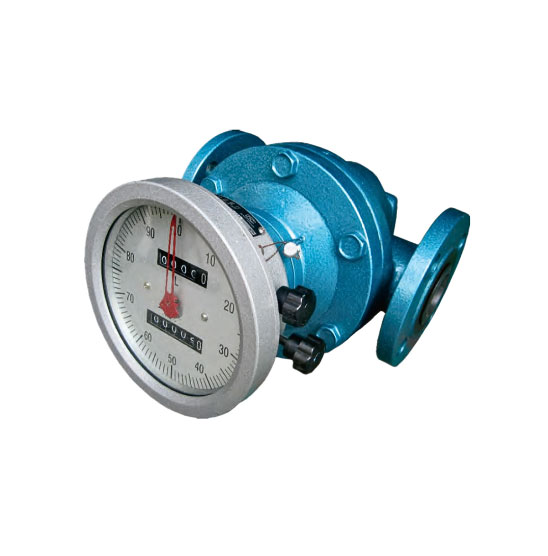
Positive Displacement
6 products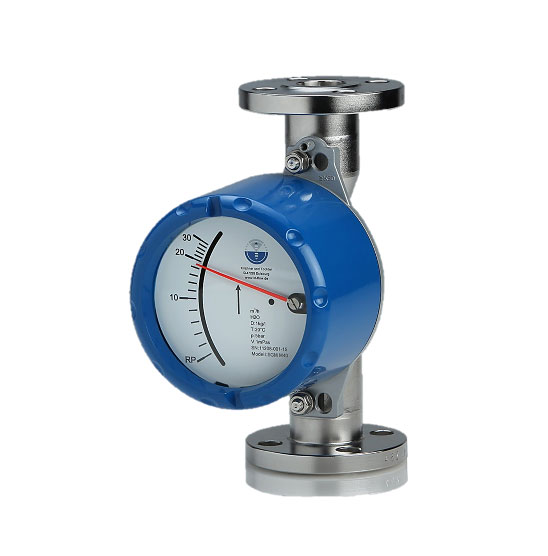
Variable Area
0 products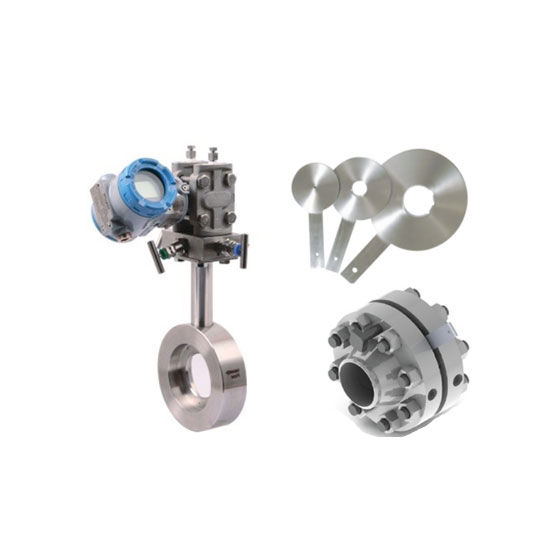
Differential Pressure
9 products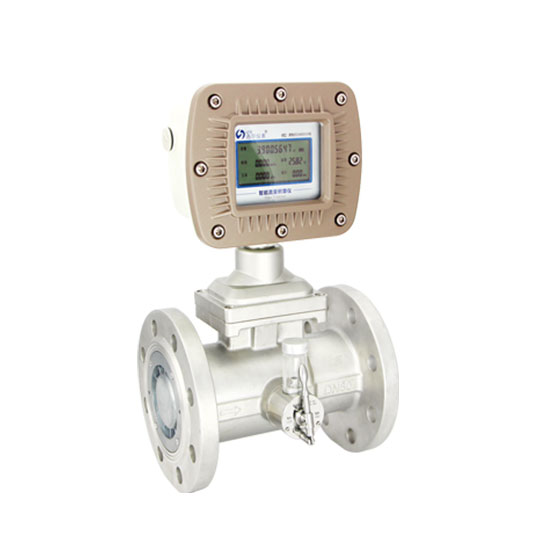
Gas Turbine
0 products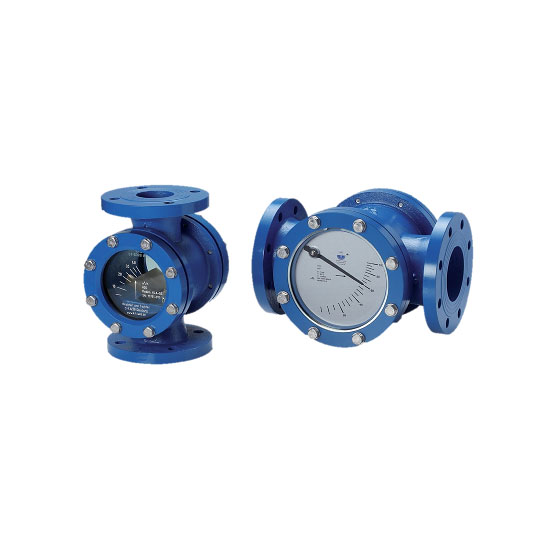
Flap
0 products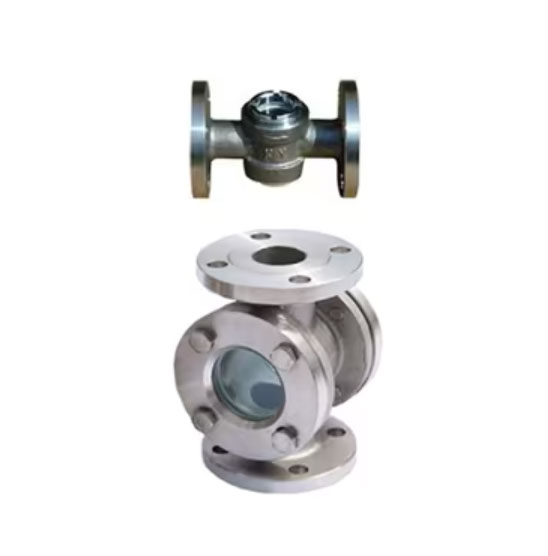
Side Glass
0 products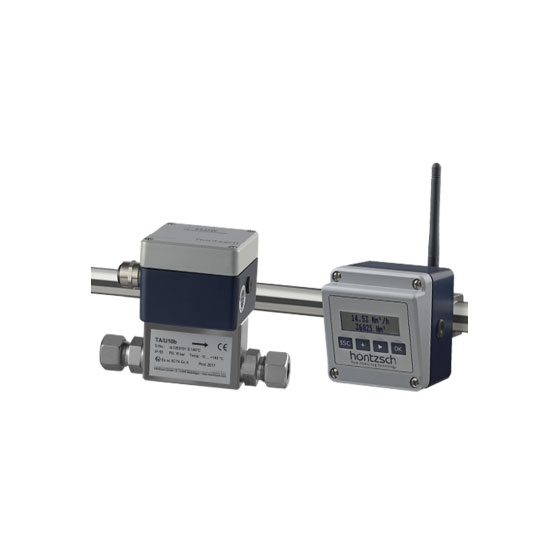
Thermal gas
0 products - Level
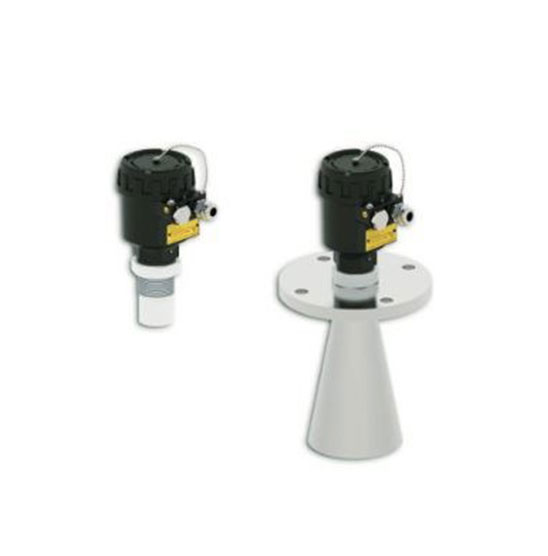
Radar
6 products
Ultrasonic
0 products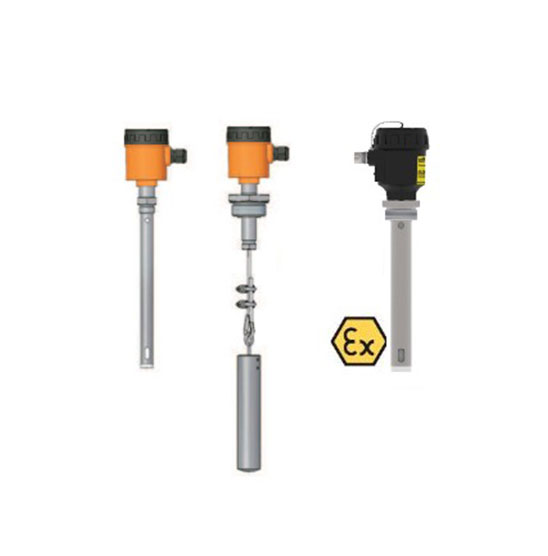
Capacitance
13 products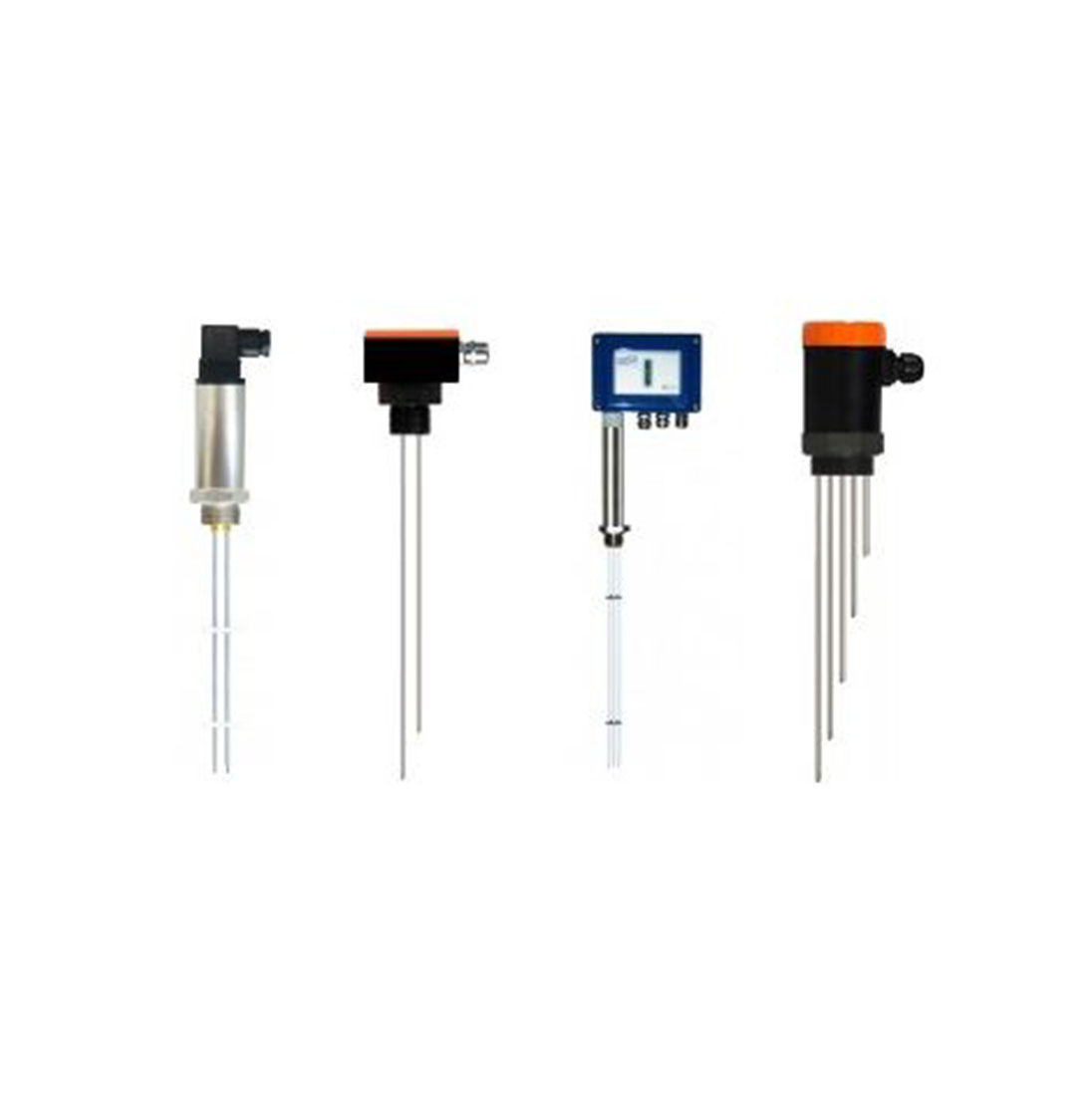
Conductivity
0 products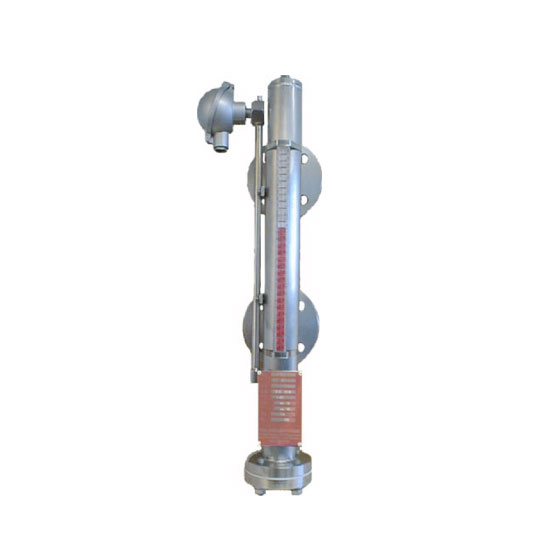
Magnetic
0 products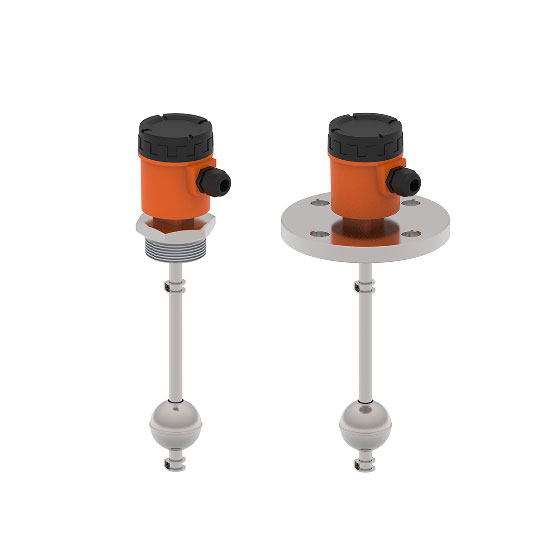
Float
0 products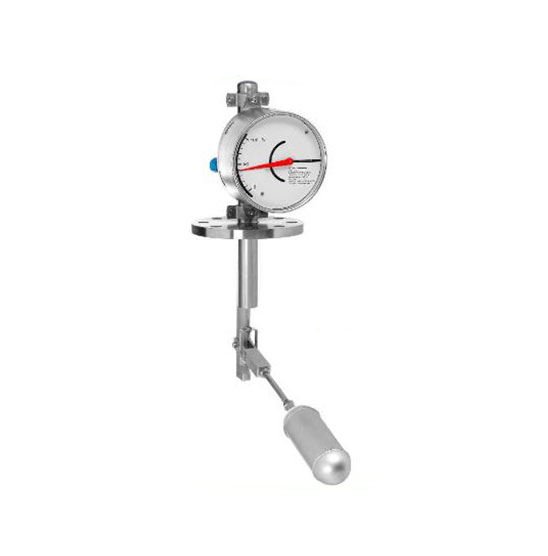
Buoyancy
0 products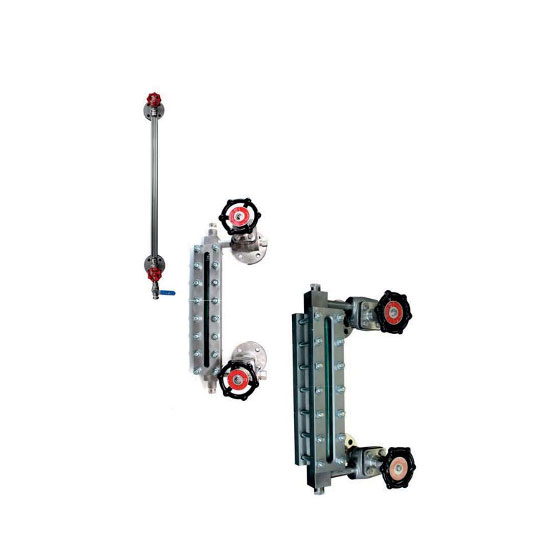
Tube
0 products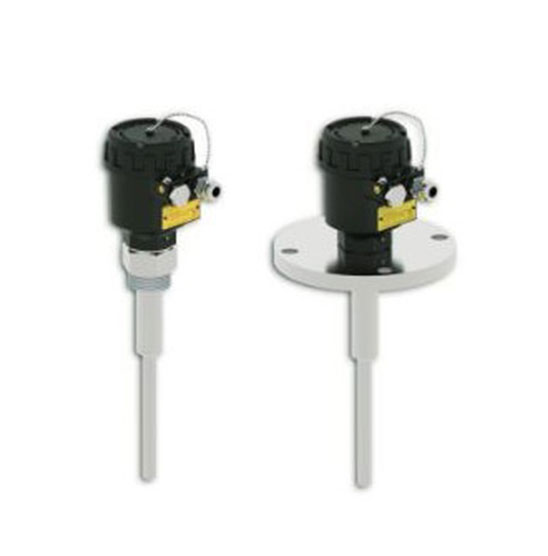
Vibrating Rod
0 products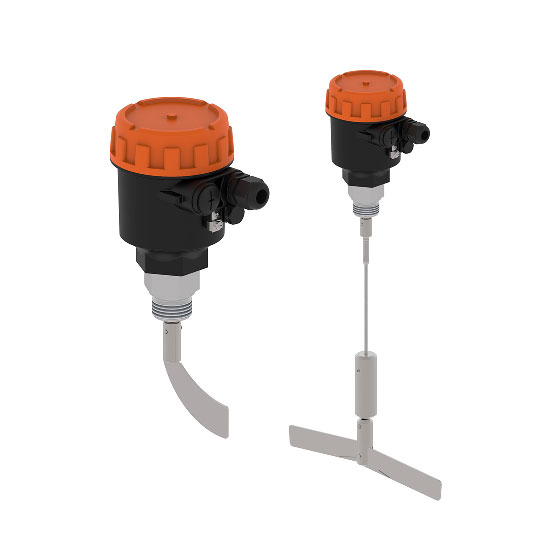
Rotary Paddle
0 products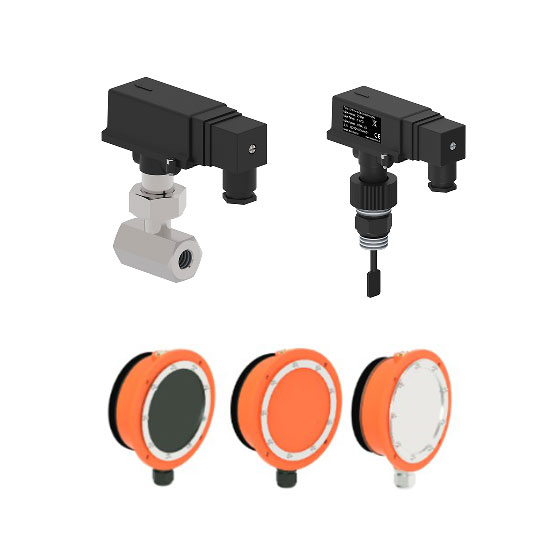
Level Switches
27 products - Analytical
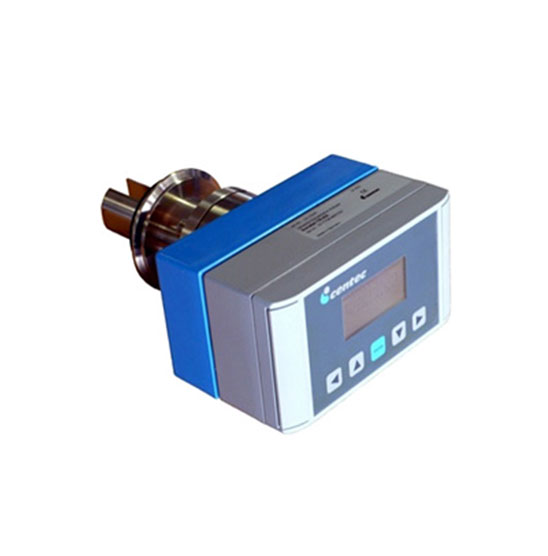
Concentration
0 products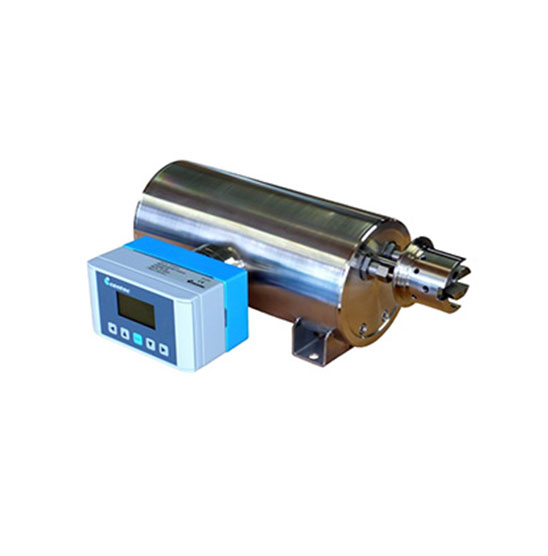
Density
0 products
Chlorine
0 products Conductivity
5 products PH
0 products Redox
0 products - Calibration Devices
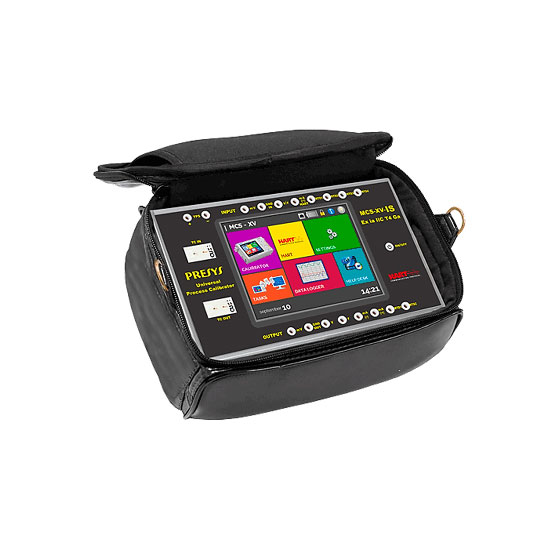
Multi Function Calibrators
0 products
Pressure Calibrators
0 products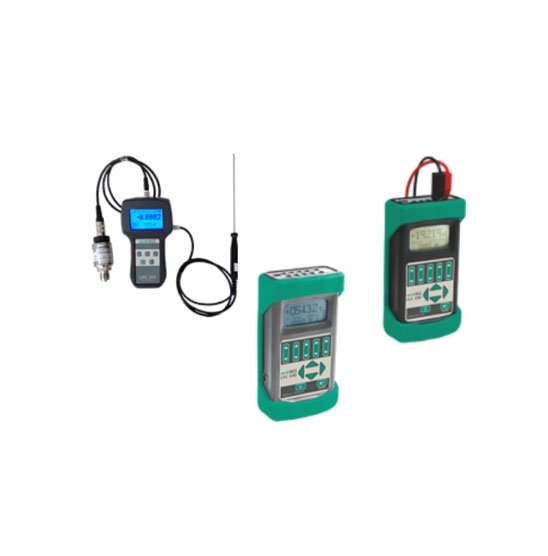
Temperature Calibrators
0 products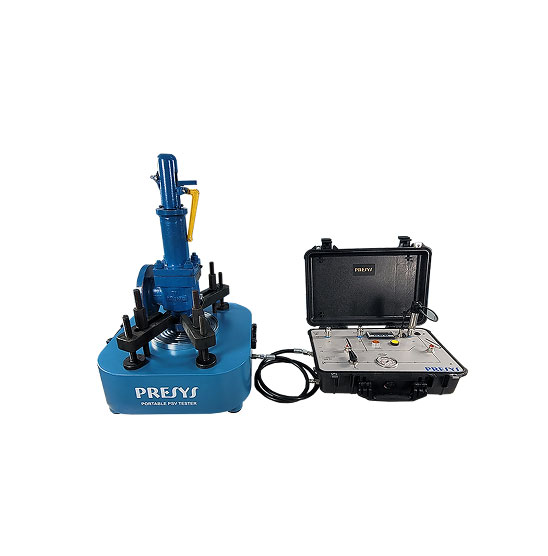
Valve Testing
0 products - All products

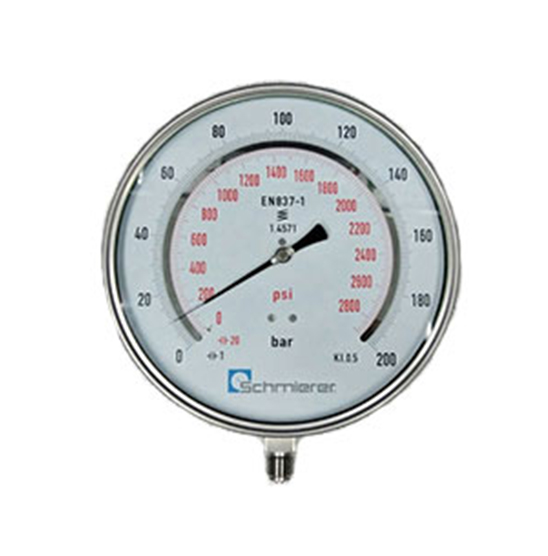




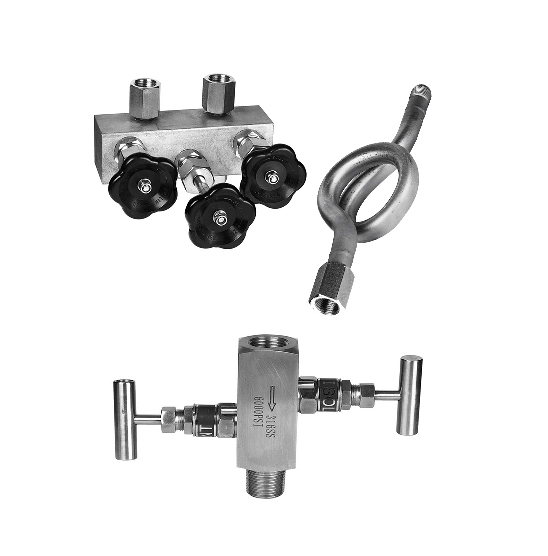




 HSPV
HSPV


information
- Introduction
Valve testing and calibration devices are precision instruments engineered to verify the operational integrity and accuracy of industrial valves, ensuring they respond correctly to control signals and maintain leak-tight seals. These systems—ranging from portable digital calibrators to comprehensive hydraulic test benches—measure critical performance metrics such as seat leakage, cracking pressure, and set pressure while documenting the valve’s mechanical response across its full stroke. By simulating real-world process conditions, these devices allow technicians to identify friction issues, spring fatigue, or positioning errors, facilitating proactive maintenance that prevents catastrophic failure and optimizes process efficiency.
- Working Principles
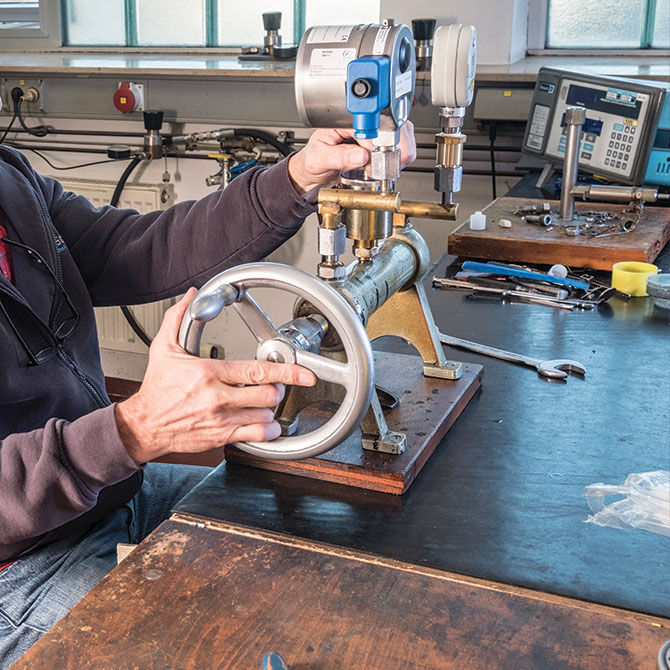
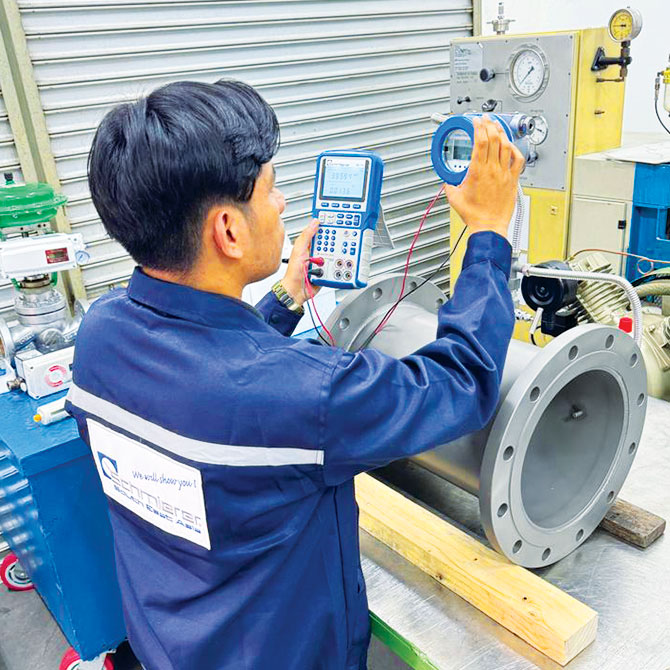
Valve testing and calibration devices operate by isolating a valve within a controlled circuit to systematically apply fluid or pneumatic pressure and measure its mechanical response against precise benchmarks. The process typically begins by securing the valve to a test bench—often using hydraulic clamping—and introducing a test medium like water, air, or nitrogen to the inlet side while monitoring for seat leakage or structural integrity via high-accuracy pressure transducers. For control valves, these devices also interface with the actuator, delivering a range of input signals (such as a 4-20 mA loop) to verify that the valve’s travel and positioning remain linear and accurate. By comparing the real-time data of pressure, flow, and stem movement against the manufacturer’s specified set points, the system identifies deviations, allowing technicians to make mechanical adjustments until the valve performs within its required safety and operational tolerances.
- Applications
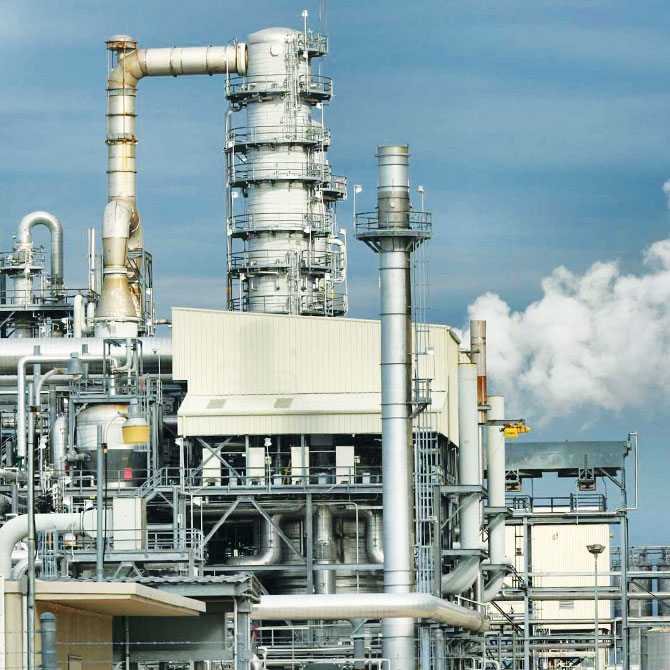
Valve testing and calibration devices are essential across various heavy industries to ensure safety, environmental compliance, and operational efficiency. Their primary applications include:
Safety Relief Valve (SRV) Verification
Leakage Rate Analysis
Control Valve Benchmarking
Post-Repair Certification
Preventative Maintenance (PM)
Regulatory & Audit Compliance
Fugitive Emission Monitoring
No products were found matching your selection.