



 Pressure
- Temperature

Bimetallic
1 product
TC
0 products
Gas filled
4 products
Thermowell
0 products
Ceramic Protection Tube
2 products
Replaceable measuring inserts
7 products
Non-Replaceable Measuring Inserts
3 products
Surface and Machinery Sensors
35 products
For Food and Pharmaceutical Industry
7 products
For HVAC Applications
9 products
For Acids, Alkalis, and Salts
4 products
Flameproof and Intrinsically Safe
5 products
Transmitters and Accessories
18 products
Accessories
0 products - Flowmeter

Electro Magnetic
0 products
Vortex
11 products
Swirl
0 products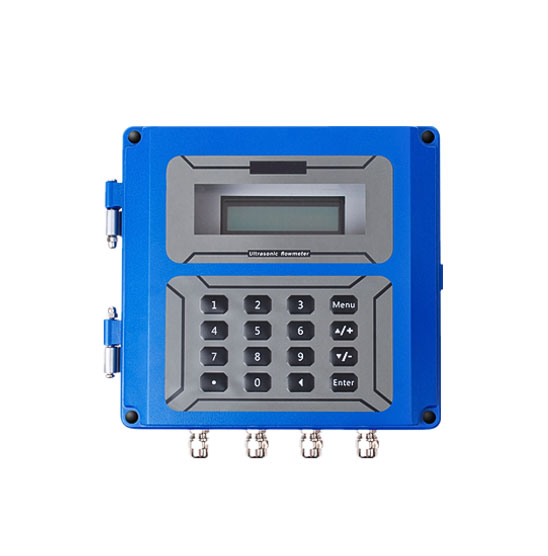
Ultrasonic
2 products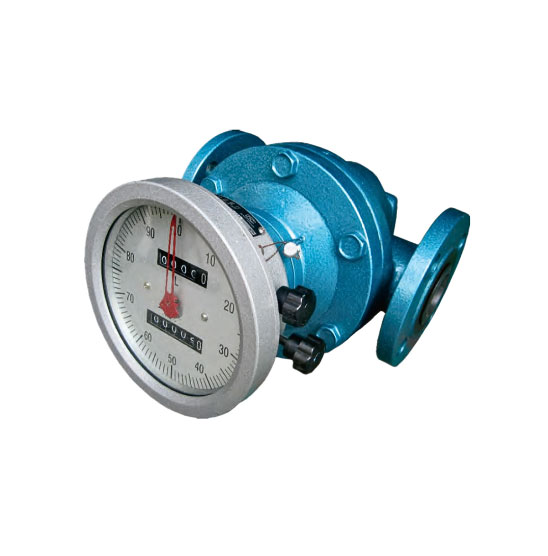
Positive Displacement
6 products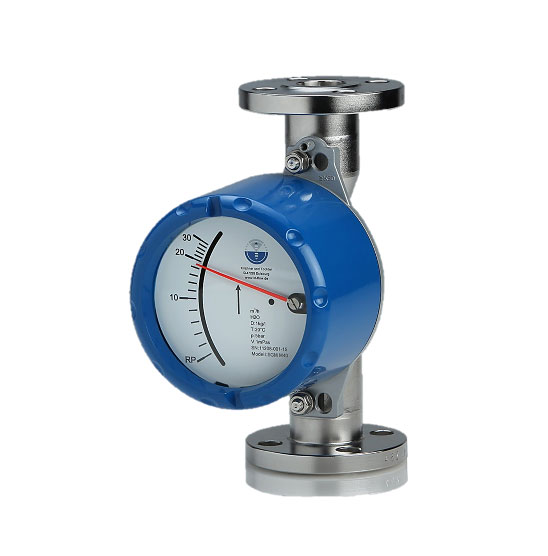
Variable Area
0 products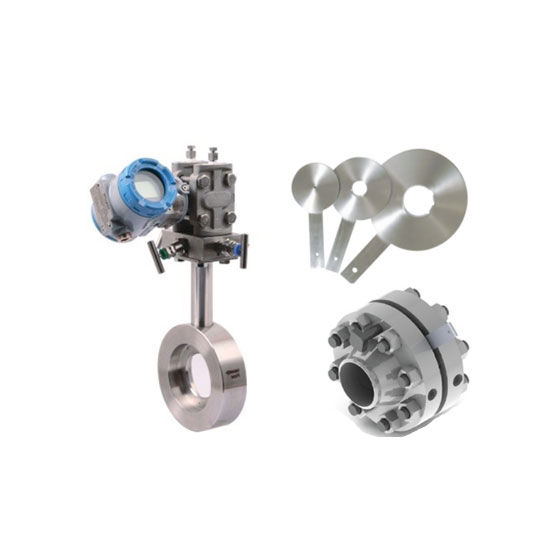
Differential Pressure
9 products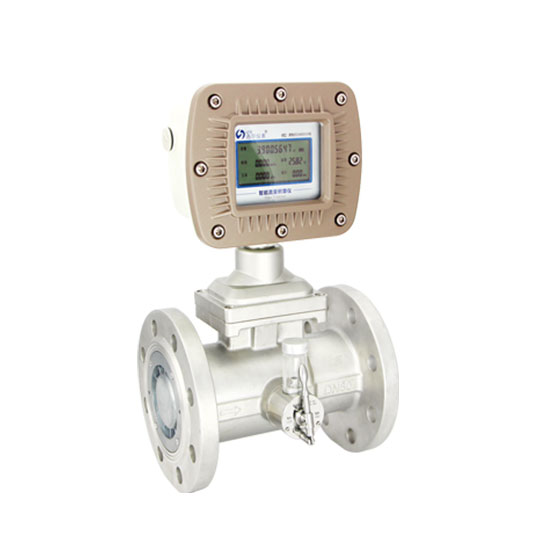
Gas Turbine
0 products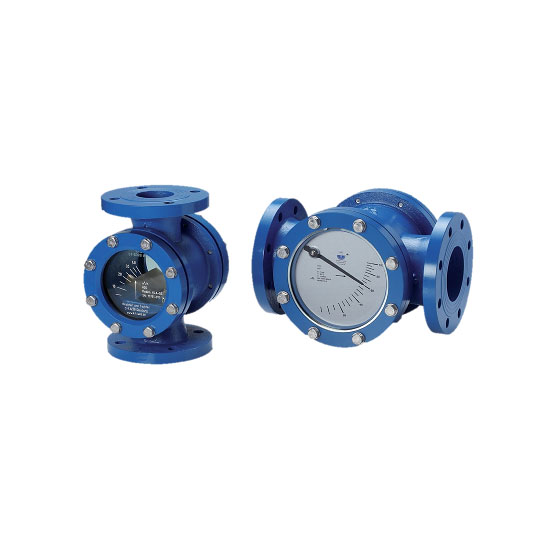
Flap
0 products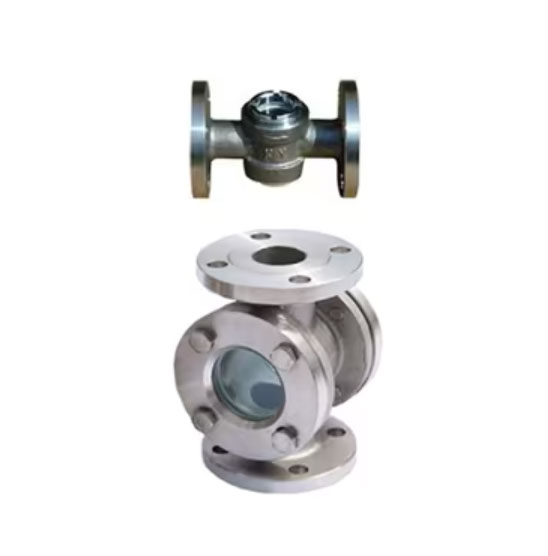
Side Glass
0 products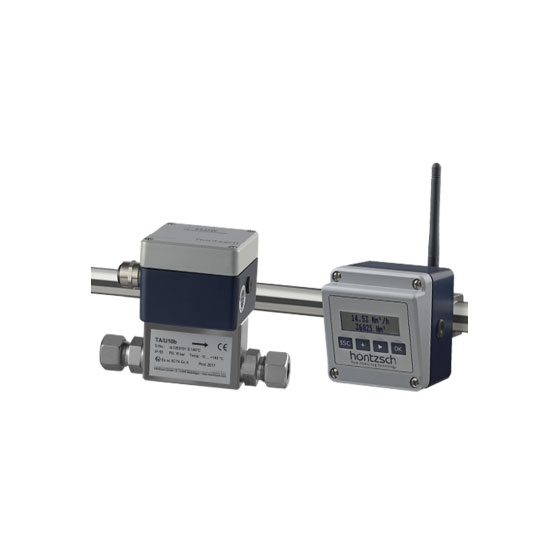
Thermal gas
0 products - Level
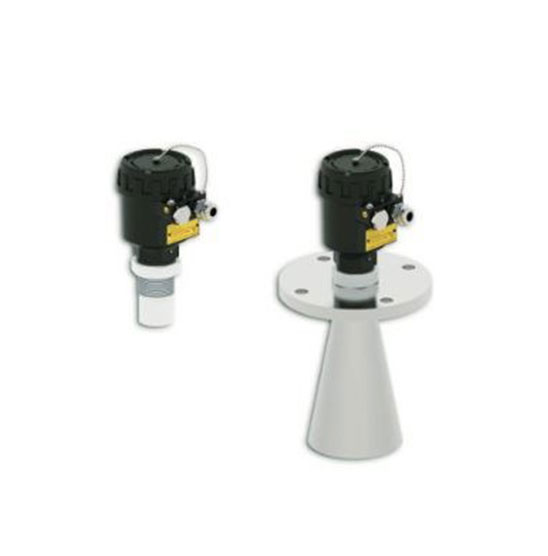
Radar
6 products
Ultrasonic
0 products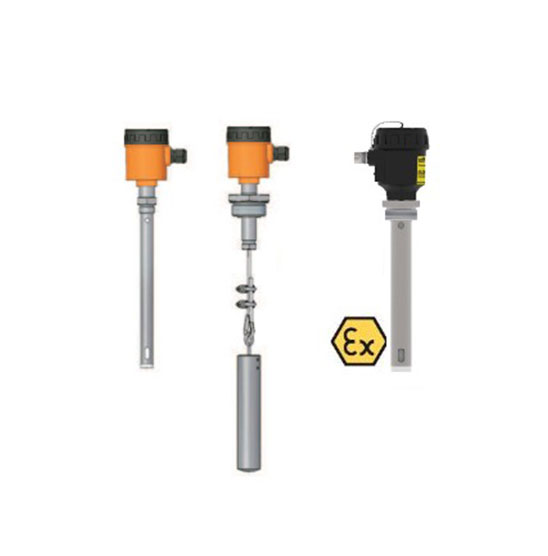
Capacitance
13 products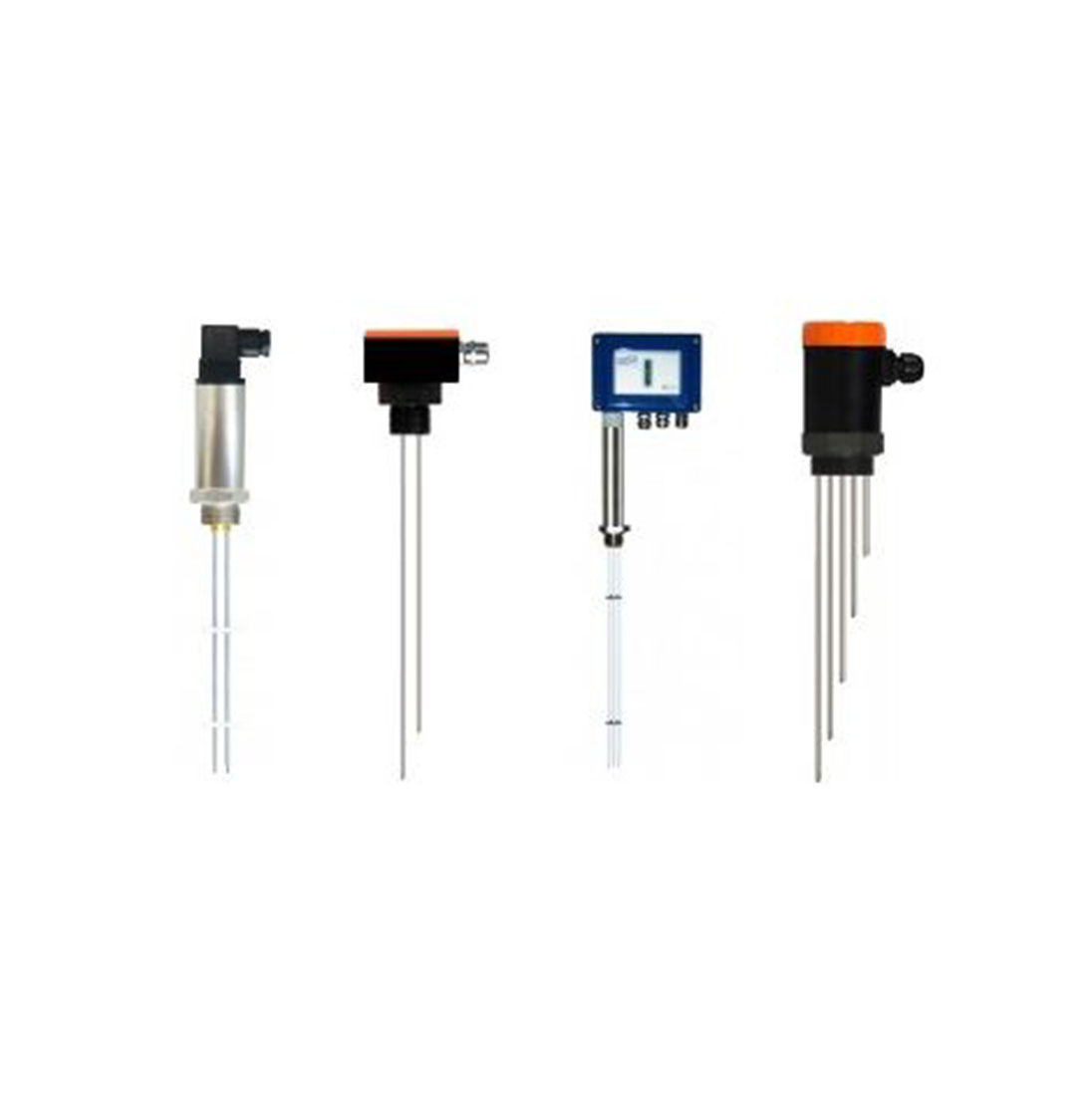
Conductivity
0 products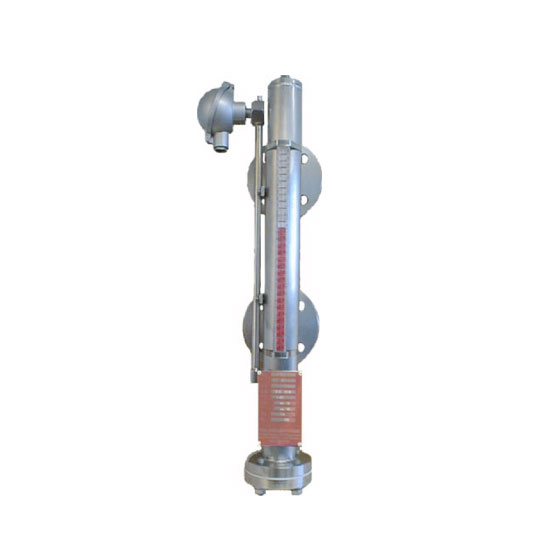
Magnetic
0 products
Float
0 products
Buoyancy
0 products
Tube
0 products
Vibrating Rod
0 products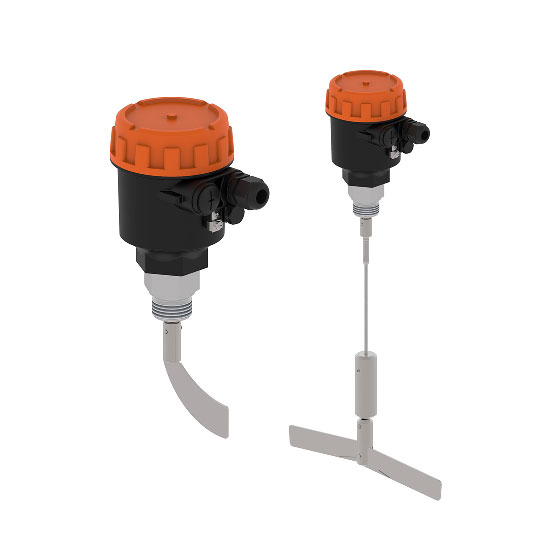
Rotary Paddle
0 products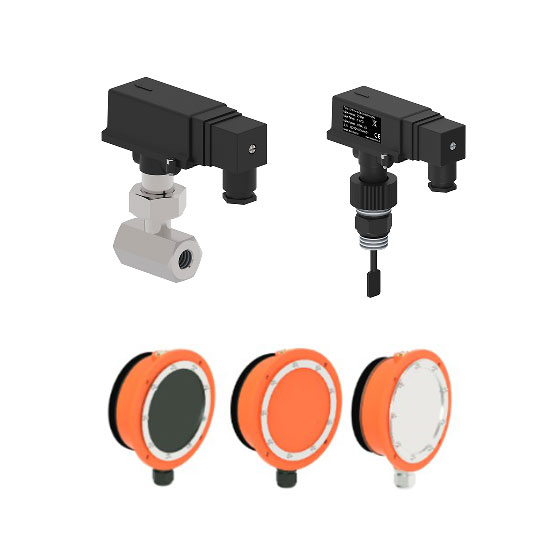
Level Switches
27 products - Analytical
Concentration
0 products
Density
0 products
Chlorine
0 products Conductivity
5 products PH
0 products Redox
0 products - Calibration Devices
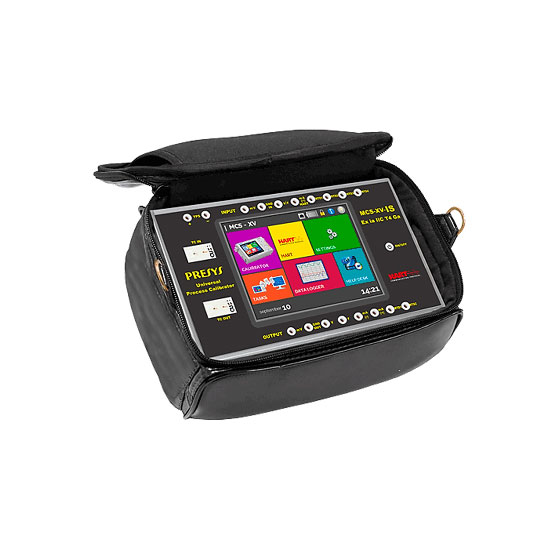
Multi Function Calibrators
0 products
Pressure Calibrators
0 products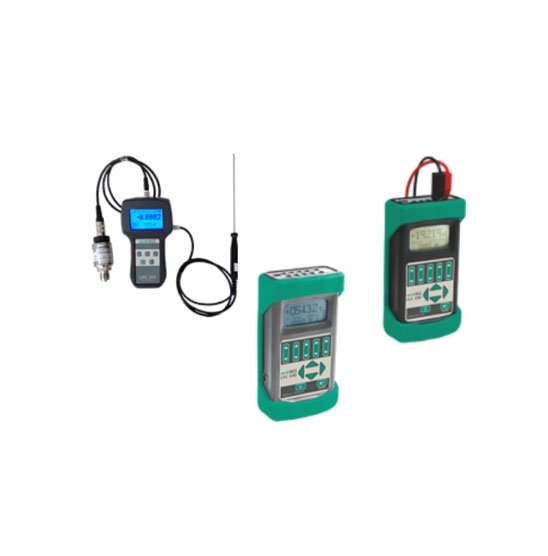
Temperature Calibrators
0 products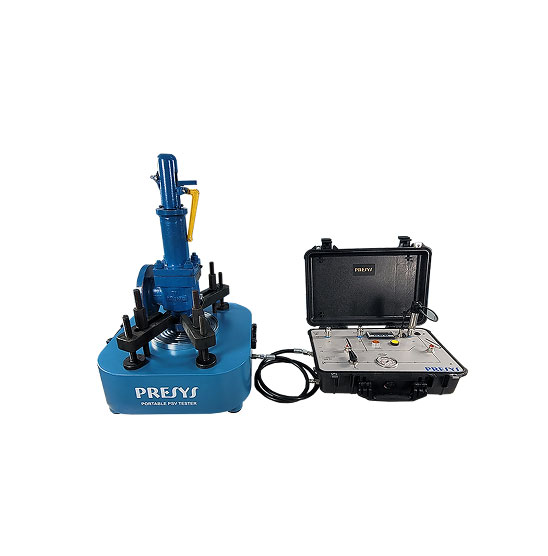
Valve Testing
0 products - All products









 HSPV
HSPV


information
- Introduction
A pressure switch is a fundamental safety and control device designed to automatically open or close an electrical circuit when a specific fluid or gas pressure reaches a predetermined set point. Unlike a gauge that provides continuous measurement, the switch acts as a binary operator, utilizing a sensing element—such as a bellows, diaphragm, or piston—that physically moves against a calibrated spring to trigger a micro-switch. When the process pressure overcomes the spring force, the switch changes state (either Normally Open or Normally Closed), allowing it to perform critical functions such as activating alarms, starting or stopping pumps, or initiating emergency shutdowns. This makes it an essential component in industrial systems for maintaining pressure within safe operating limits without the need for constant human intervention.
- Working Principles
The working principle of a pressure switch centers on the mechanical balance between process pressure and a pre-tensioned internal spring. When fluid or gas enters the sensing chamber, it exerts force against a sensing element—typically a diaphragm, bellows, or piston—which is held in place by a range spring adjusted to a specific “set point.” Once the process pressure exceeds the opposing spring force, the sensing element shifts, moving a plunger that physically trips an electrical micro-switch to change the circuit from its normal state. As the pressure drops below a certain level, known as the deadband or reset point, the spring force pushes the element back, resetting the switch. This mechanical action allows the device to automatically trigger external equipment, such as motors or alarms, based entirely on real-time pressure thresholds.
- Applications
Pressure switches are essential for automated control and safety, acting as the primary defense against over-pressurization or system failure.
Pump and Compressor Control
Emergency Shutdown (ESD) Systems
HVAC Systems
Hydraulic Systems
Low-Level Alarms
Boiler and Pressure Vessel Safety
Process Interlocking
Filter Monitoring
No products were found matching your selection.