



 Pressure
- Temperature

Bimetallic
1 product
TC
0 products
Gas filled
4 products
Thermowell
0 products
Ceramic Protection Tube
2 products
Replaceable measuring inserts
7 products
Non-Replaceable Measuring Inserts
3 products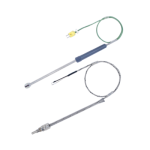
Surface and Machinery Sensors
35 products
For Food and Pharmaceutical Industry
7 products
For HVAC Applications
9 products
For Acids, Alkalis, and Salts
4 products
Flameproof and Intrinsically Safe
5 products
Transmitters and Accessories
18 products
Accessories
0 products - Flowmeter

Electro Magnetic
0 products
Vortex
11 products
Swirl
0 products
Ultrasonic
2 products
Positive Displacement
6 products
Variable Area
0 products
Differential Pressure
9 products
Gas Turbine
0 products
Flap
0 products
Side Glass
0 products
Thermal gas
0 products - Level
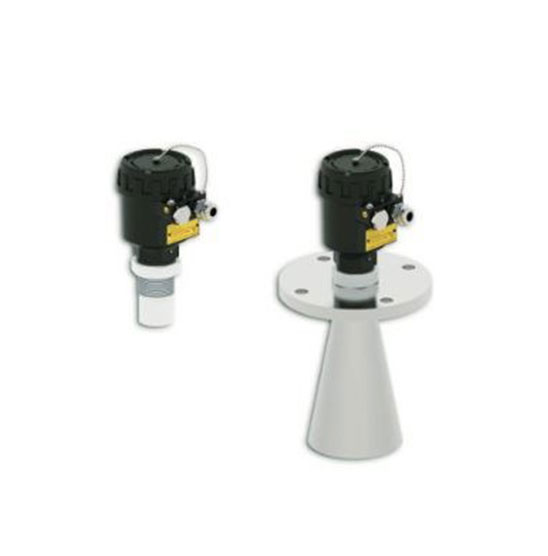
Radar
6 products
Ultrasonic
0 products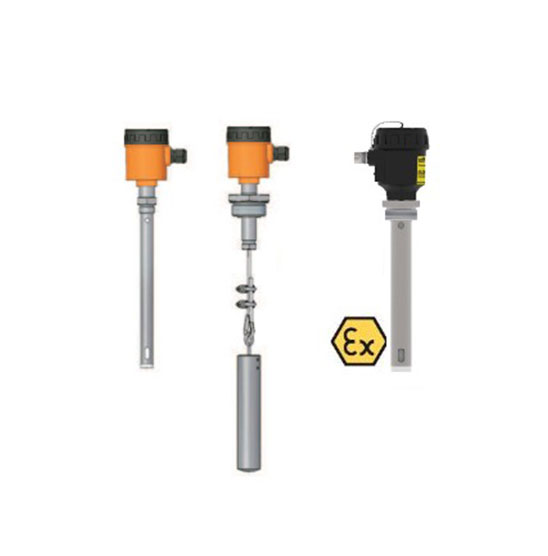
Capacitance
13 products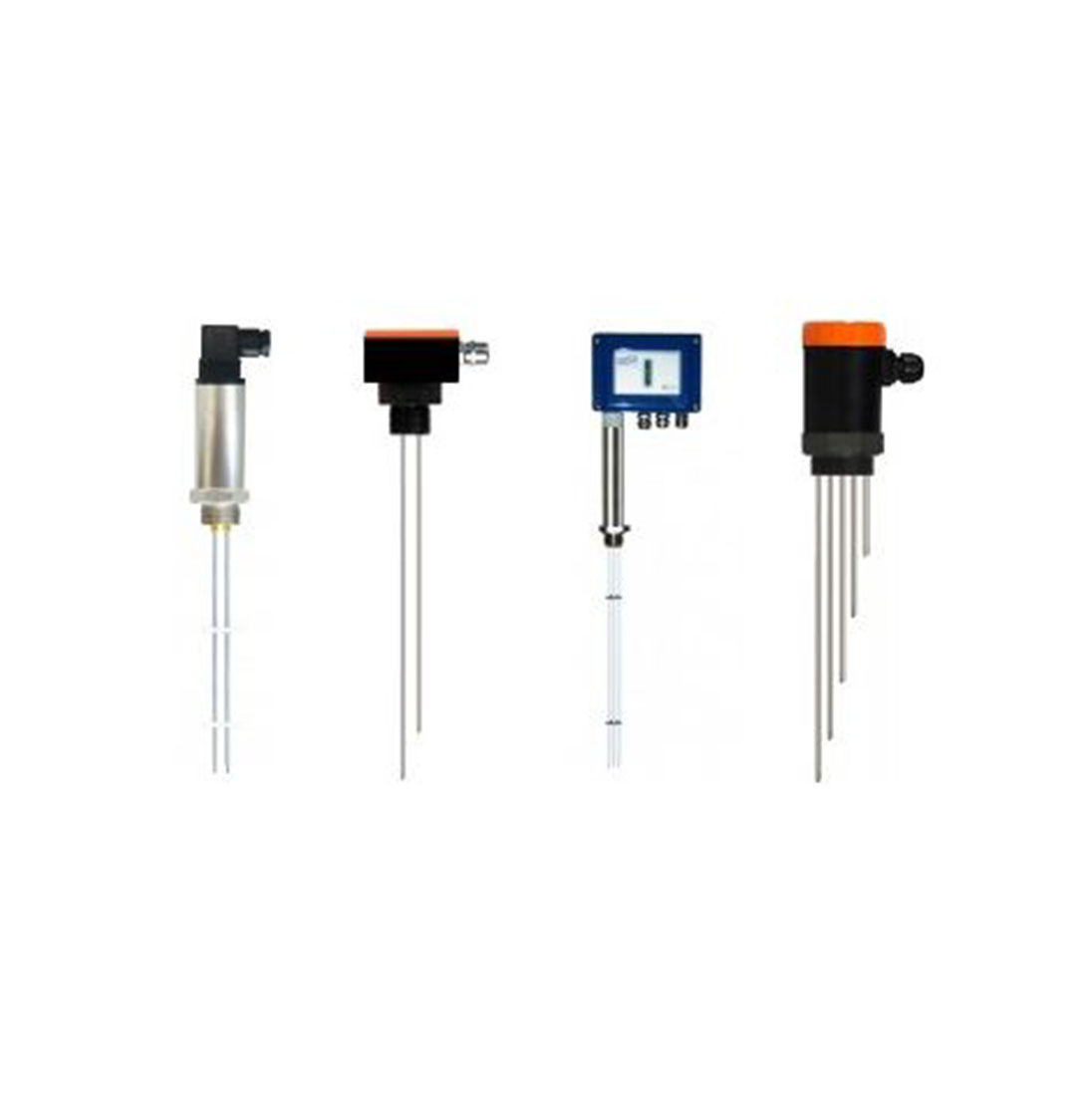
Conductivity
0 products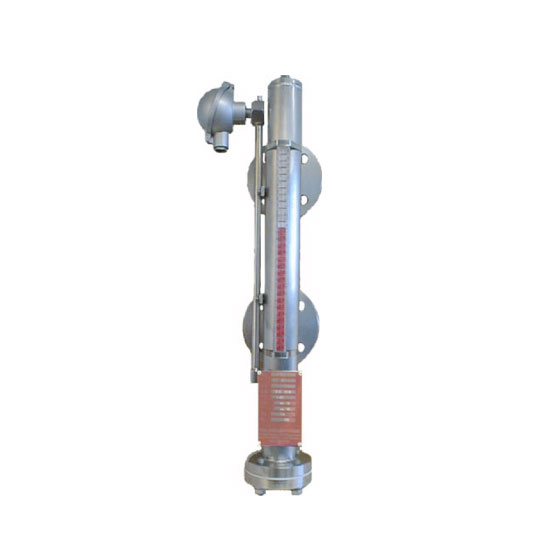
Magnetic
0 products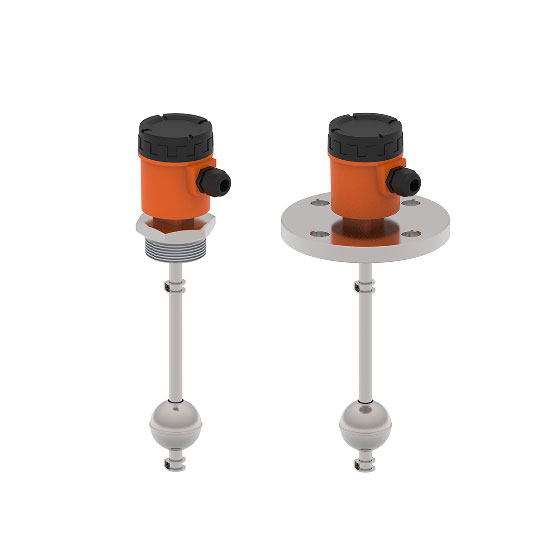
Float
0 products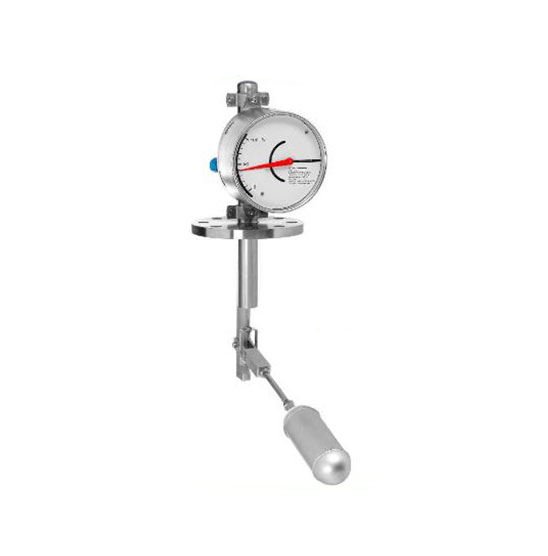
Buoyancy
0 products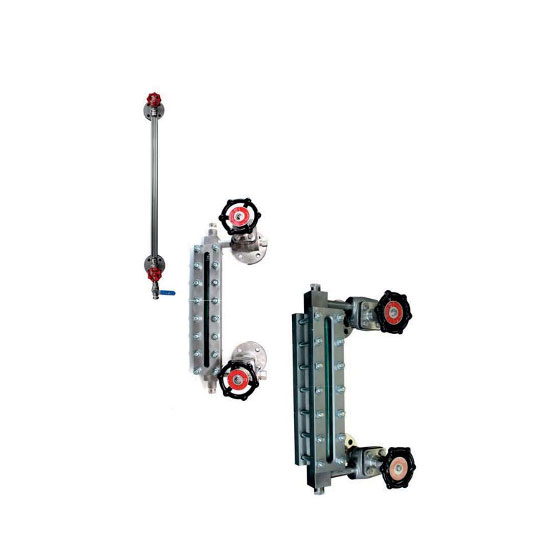
Tube
0 products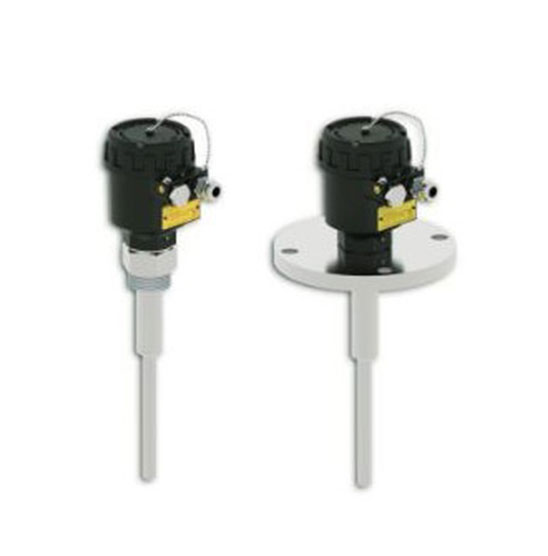
Vibrating Rod
0 products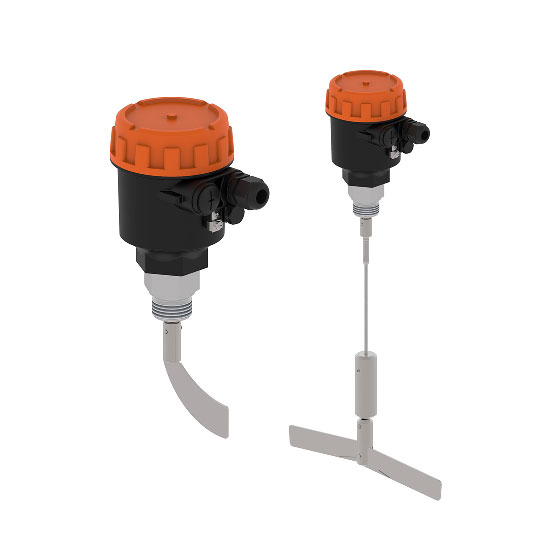
Rotary Paddle
0 products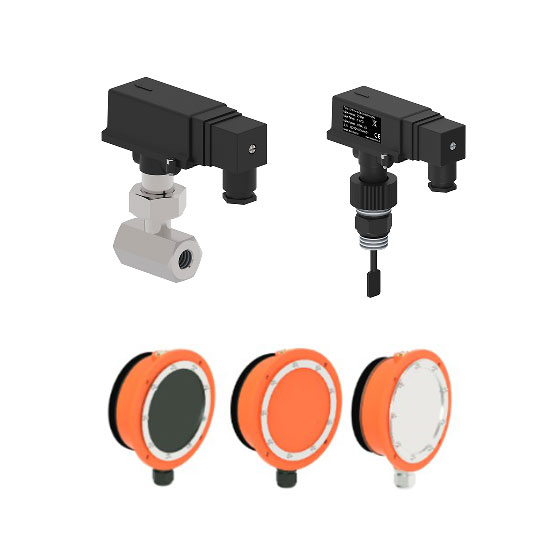
Level Switches
27 products - Analytical
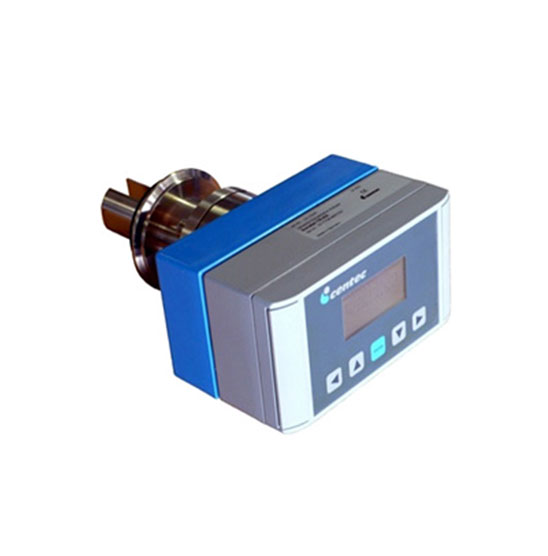
Concentration
0 products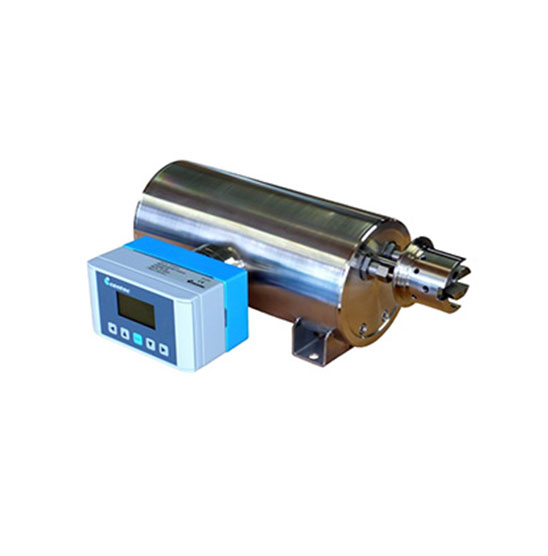
Density
0 products
Chlorine
0 products Conductivity
5 products PH
0 products Redox
0 products - Calibration Devices
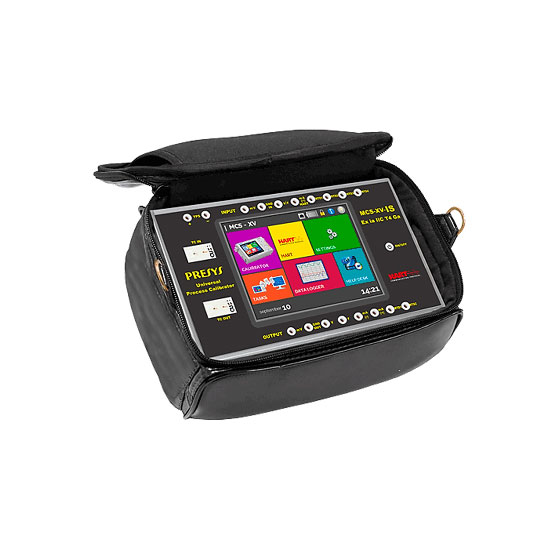
Multi Function Calibrators
0 products
Pressure Calibrators
0 products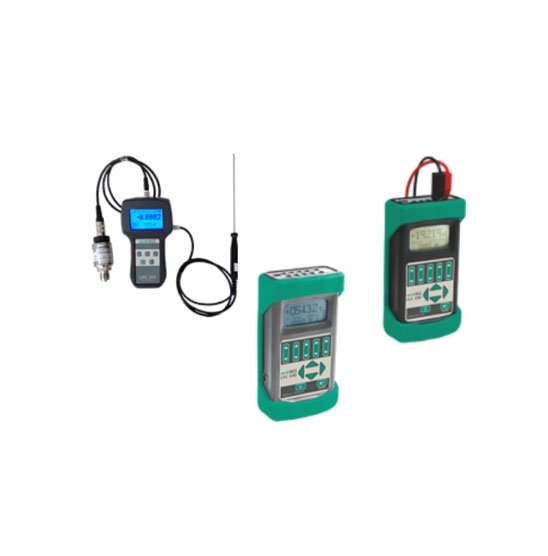
Temperature Calibrators
0 products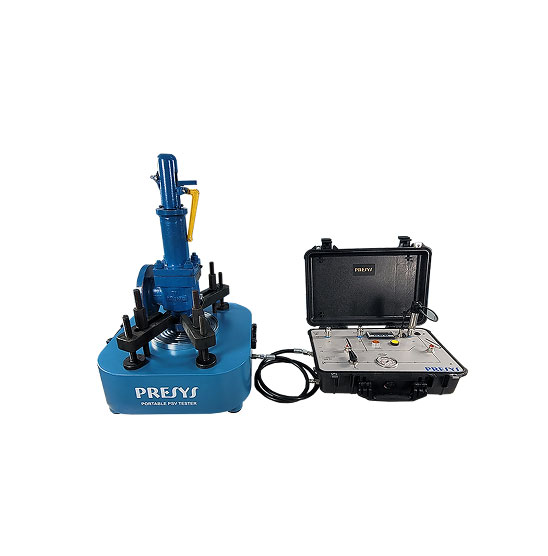
Valve Testing
0 products - All products

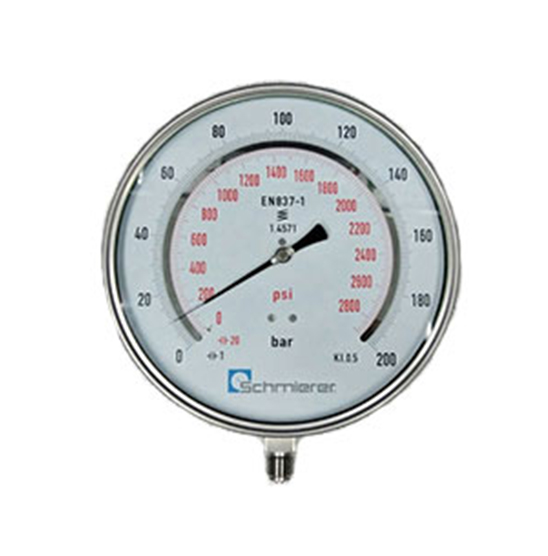









 HSPV
HSPV


For Food and Pharmaceutical Industry

Cable Sensor 150°C TOPA1 autoclave
In stock
SKU:
TOPA1
Temperature sensor with special construction suitable for measurement of food products in autoclaves.
download PDF

Cable Sensor 200°C TOPE413 meat
In stock
SKU:
TOPE413
emperature sensor with handgrip and pointed tip suitable for measurement of various types of meat and cold meat . It has an attestation issued by National Institute of Hygiene(PZH) for usage in contact with food because of the special materials it is made of.This sensor is terminated with miniature plug that enables its connection to portable temperature meter TES.
download PDF

Cable Sensor 200°C TOPE414 meat
In stock
SKU:
TOPE414
Temperature sensor with handgrip and pointed tip suitable for measurement of various types of meat and cold meat . This stainless steel sensor has attestation issued by National Institute of Hygiene (PZH) for usage in contact with food.
download PDF

HeadSensor 200°C Food SS clamped
In stock
SKU:
TOPT-287
Temperature sensor with special sanitary flange connection Clamp type suitable for measurement in food and pharmaceutical industry. It has National Institute of Hygiene (PZH) attestation.
download PDF

HeadSensor 400°C Food SS threaded
In stock
SKU:
TOPGNS, TTJGNS, TTKGNS
Temperature sensor suitable for pipelines, pressure tanks and other devices used in food and pharmaceutical industry. This stainless steel sensor has National Institute of Hygiene (PZH) attestation.
download PDF