
Pressure
Temperature
Bimetallic
1 product
TC
0 products
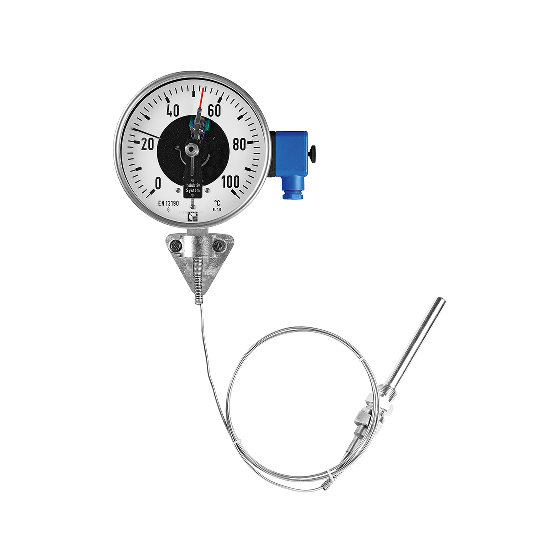
Gas filled
4 products
Thermowell
0 products
Ceramic Protection Tube
2 products
Replaceable measuring inserts
7 products
Non-Replaceable Measuring Inserts
3 products
Surface and Machinery Sensors
35 products
For Food and Pharmaceutical Industry
7 products
For HVAC Applications
9 products
For Acids, Alkalis, and Salts
4 products
Flameproof and Intrinsically Safe
5 products
Transmitters and Accessories
18 products
Accessories
0 products
Flowmeter
Electro Magnetic
0 products
Vortex
11 products
Swirl
0 products
Ultrasonic
2 products
Positive Displacement
6 products
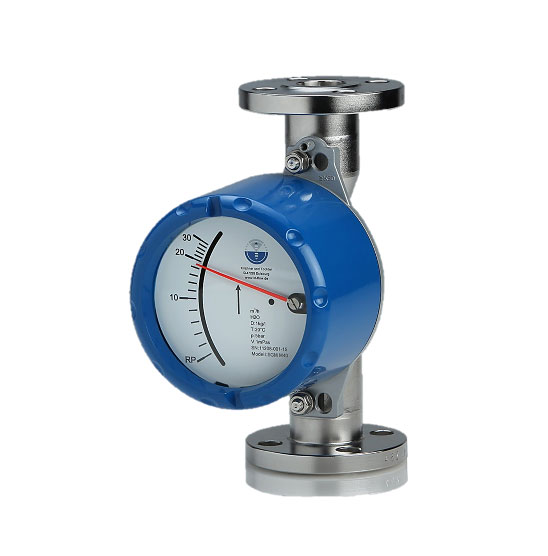
Variable Area
0 products
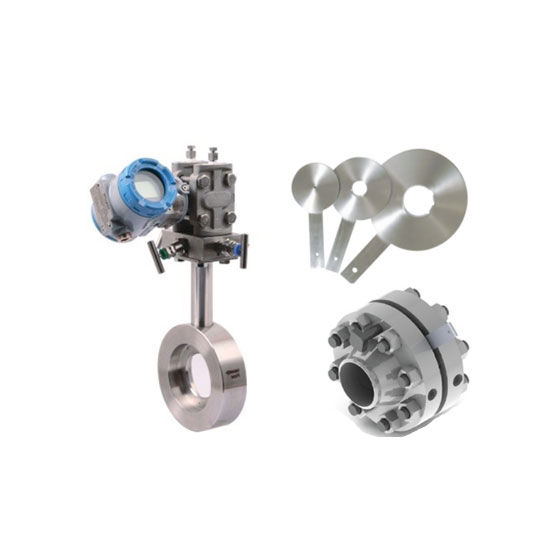
Differential Pressure
9 products
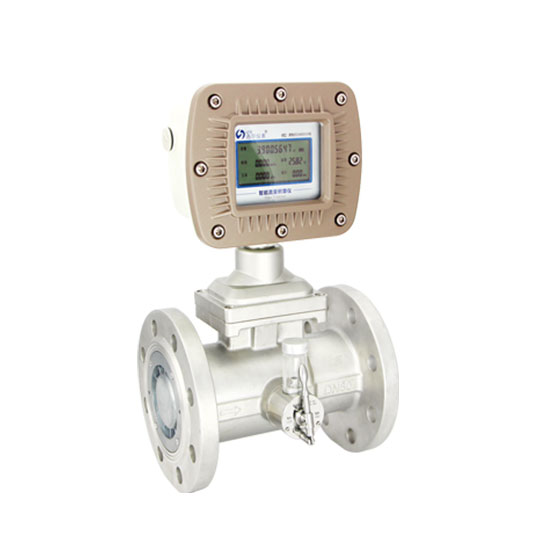
Gas Turbine
0 products
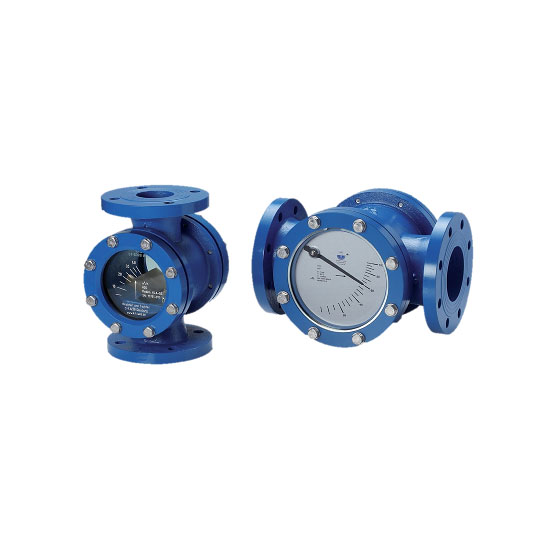
Flap
0 products
Side Glass
0 products
Thermal gas
0 products
Level
Radar
6 products
Ultrasonic
0 products
Capacitance
13 products
Conductivity
0 products
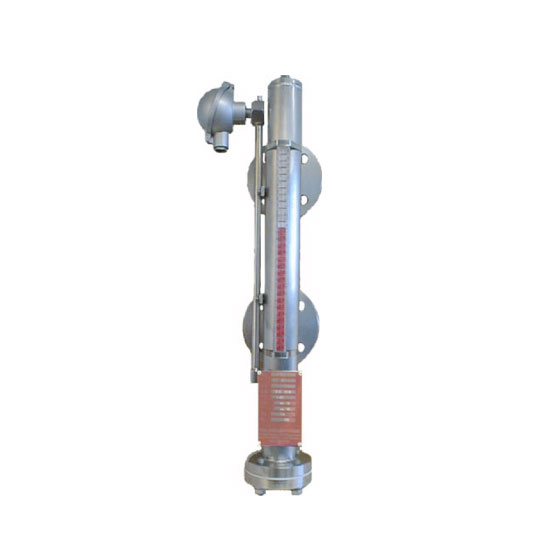
Magnetic
0 products
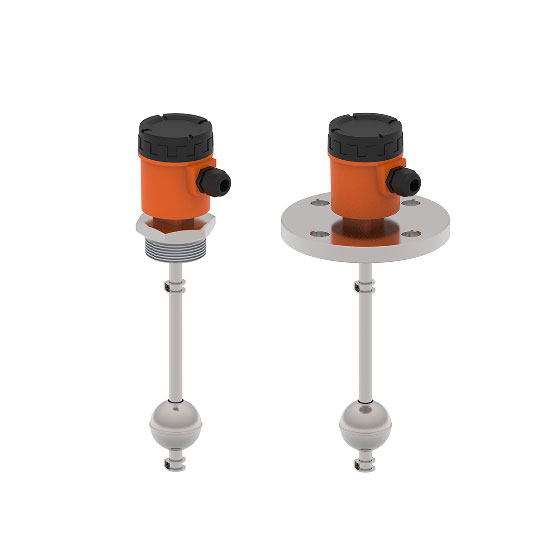
Float
0 products
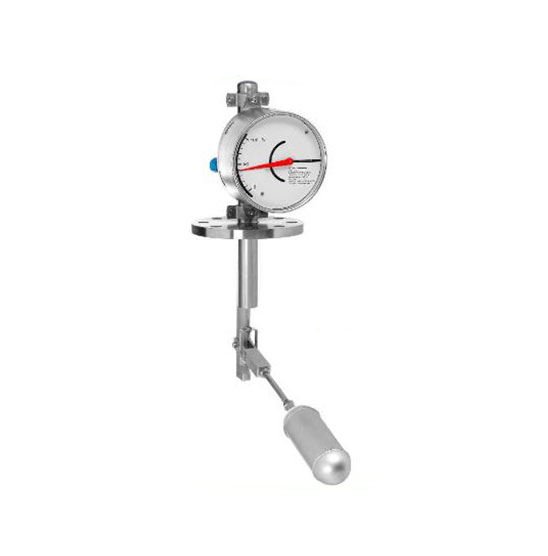
Buoyancy
0 products
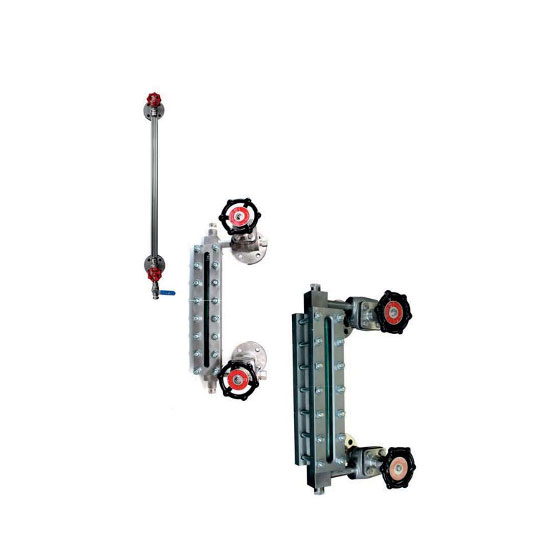
Tube
0 products
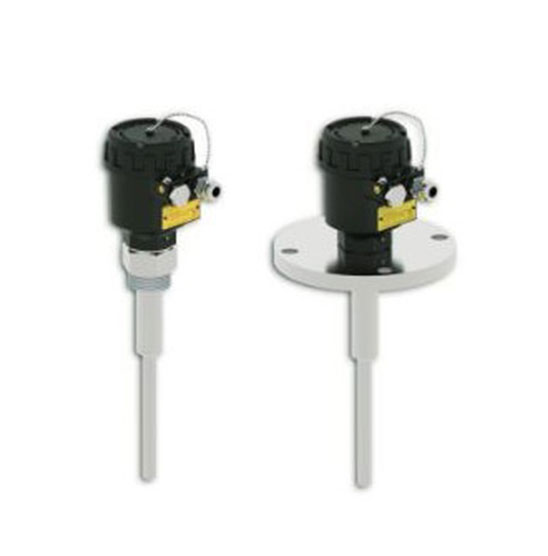
Vibrating Rod
0 products
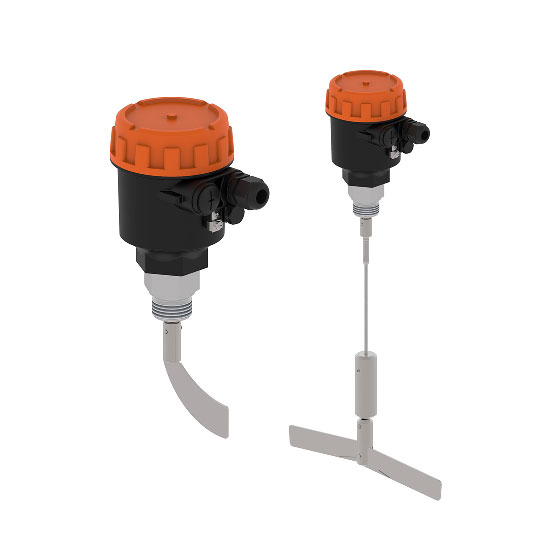
Rotary Paddle
0 products
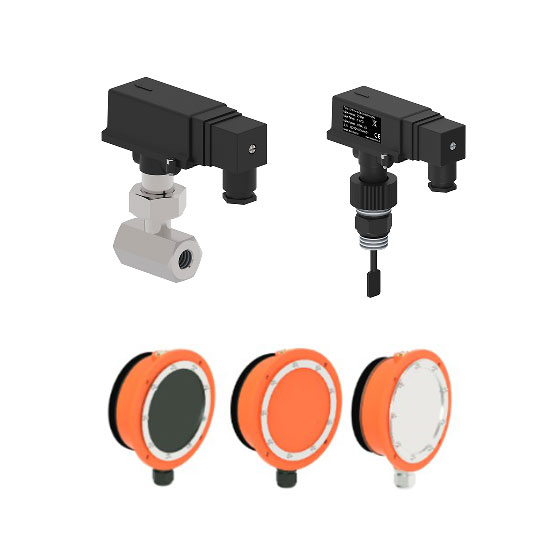
Level Switches
27 products
Analytical
Concentration
0 products
Density
0 products
Chlorine
0 products
Conductivity
5 products
PH
0 products
Redox
0 products
Calibration Devices
Multi Function Calibrators
0 products
Pressure Calibrators
0 products
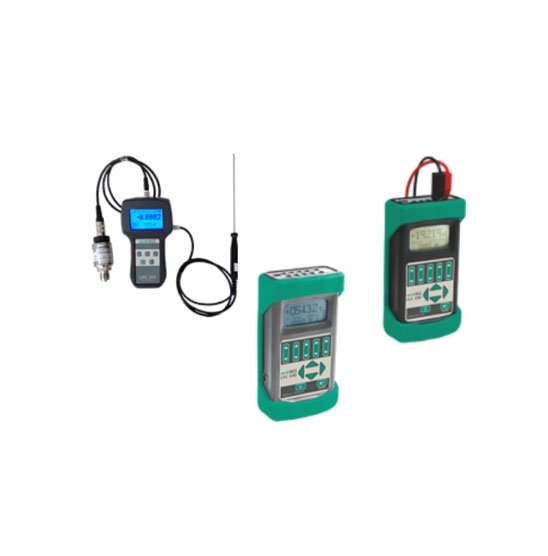
Temperature Calibrators
0 products
Valve Testing
0 products
All products
information
- Introduction
Temperature sensor products designed for corrosive environments, such as acids, alkalis, and salts, utilize advanced protective materials like PTFE (Teflon), PFA, or high-grade Titanium to prevent chemical degradation and ensure long-term measurement accuracy. These sensors, often configured as thermocouples or RTDs (Resistance Temperature Detectors), feature hermetically sealed probes and chemically resistant lead wires to withstand the harsh pH levels and oxidative properties of electrolytes. By isolating the internal sensing element from direct contact with aggressive media, these specialized instruments provide critical thermal monitoring for chemical processing, electroplating, and wastewater treatment, where standard stainless steel probes would otherwise corrode and fail.
- Working Principles
The working principle of temperature sensors for acids, alkalis, and salts relies on the conduction of thermal energy through a chemically inert barrier to an internal sensing element, typically a Platinum Resistor (Pt100) or a Thermocouple junction. In these corrosive environments, the sensor operates by detecting changes in electrical resistance or voltage—such as the Seebeck effect in thermocouples—while a protective sheath made of PTFE (Teflon) or tantalum acts as a thermal conductor that simultaneously shields the electronics from ionic attack and oxidation. As the temperature of the acidic or alkaline solution fluctuates, the heat permeates the corrosion-resistant jacket to reach the internal transducer, which then converts the thermal kinetic energy into a precise electronic signal (measured in ohms or millivolts) for process control.
- Applications
Temperature sensors designed for aggressive chemical environments are essential across industries where high acidity, alkalinity, or salinity would destroy standard equipment. Their primary applications include:
Chemical Processing & Manufacturing
Electroplating and Surface Treatment
Wastewater Treatment
Pharmaceutical Production
Desalination Plants
Laboratory & Research
Battery Manufacturing
Showing all 4 results
Aggressive Media Sensor, Chem & Galvanizing, 100°C
In stock
SKU:
TOPCV-1, TOPCVE-1
Temperature sensor suitable for measurement of aggressive liquid and gaseous media, especially in chemical industry, galvanizing plants, etc.
download pdf datasheet
Aggressive Media Sensor, Liquids, Gases, Vapor
In stock
SKU:
TOPSZ-157, TOPSZE-157
Temperature sensor suitable for measurement of aggressive liquids and gases. Sensor sheath made of heat resistant glass is suitable for long-term operating in conditions of vapour, acids, alkalis and salts
download pdf datasheet