



 Pressure
- Temperature

Bimetallic
1 product
TC
0 products
Gas filled
4 products
Thermowell
0 products
Ceramic Protection Tube
2 products
Replaceable measuring inserts
7 products
Non-Replaceable Measuring Inserts
3 products
Surface and Machinery Sensors
35 products
For Food and Pharmaceutical Industry
7 products
For HVAC Applications
9 products
For Acids, Alkalis, and Salts
4 products
Flameproof and Intrinsically Safe
5 products
Transmitters and Accessories
18 products
Accessories
0 products - Flowmeter

Electro Magnetic
0 products
Vortex
11 products
Swirl
0 products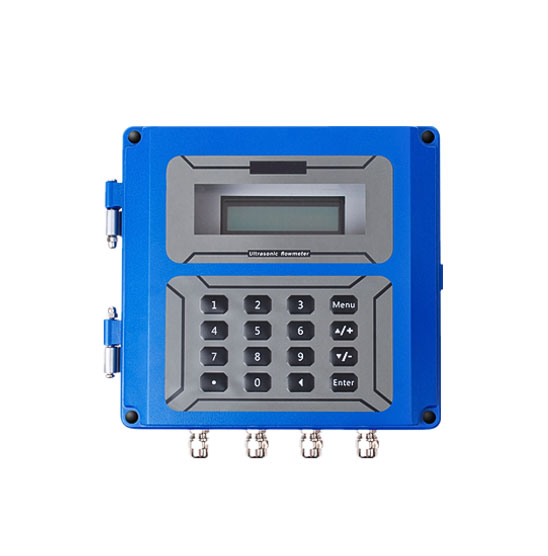
Ultrasonic
2 products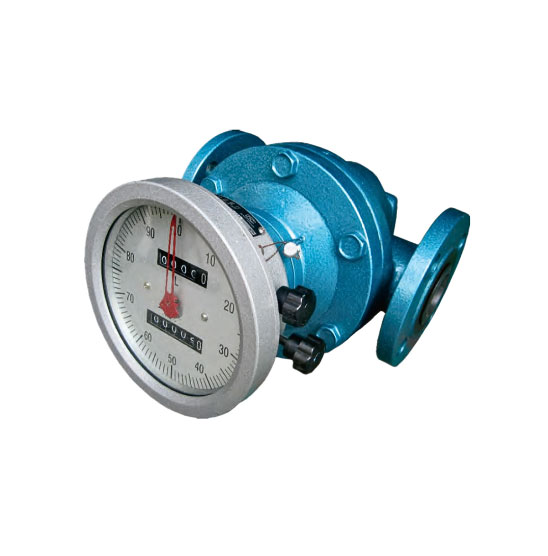
Positive Displacement
6 products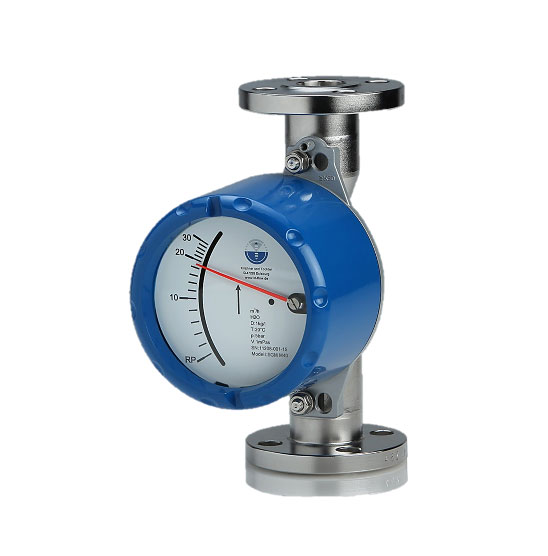
Variable Area
0 products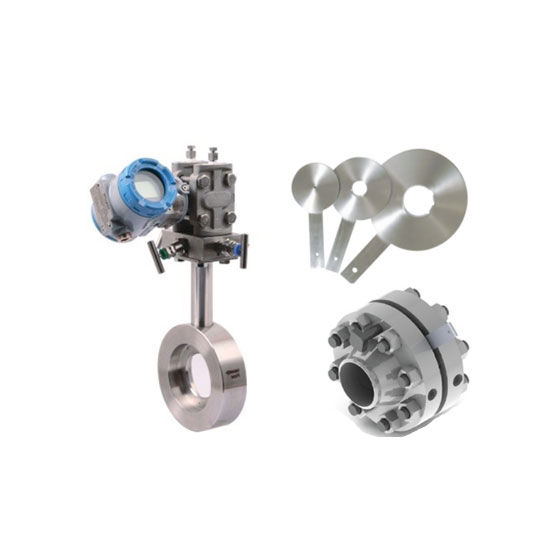
Differential Pressure
9 products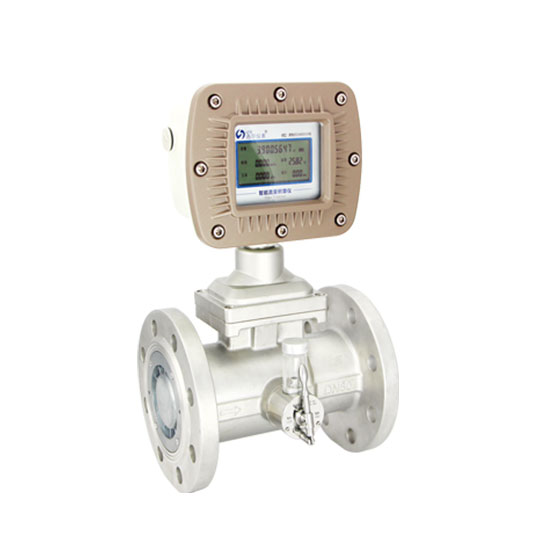
Gas Turbine
0 products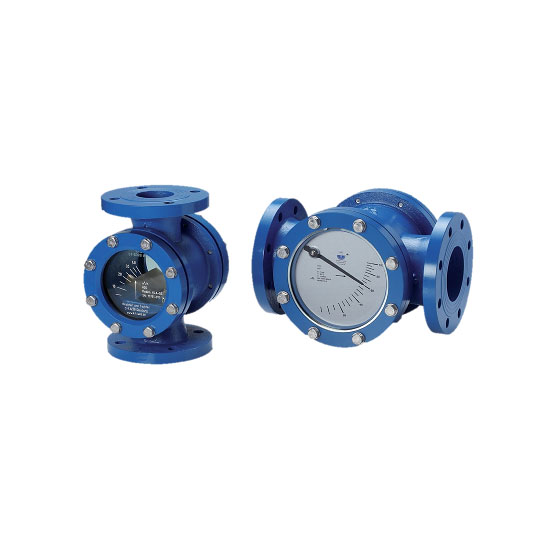
Flap
0 products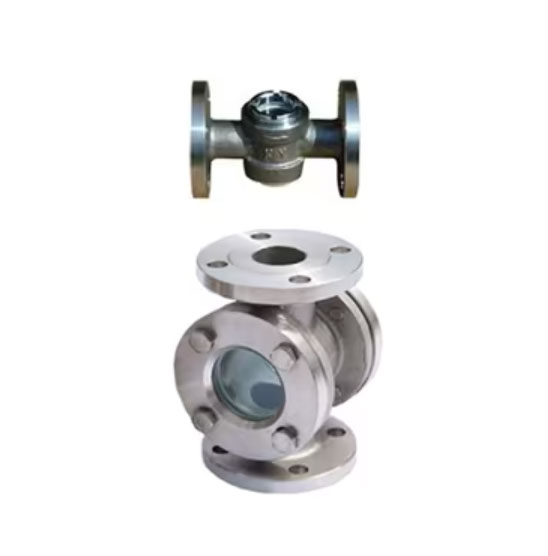
Side Glass
0 products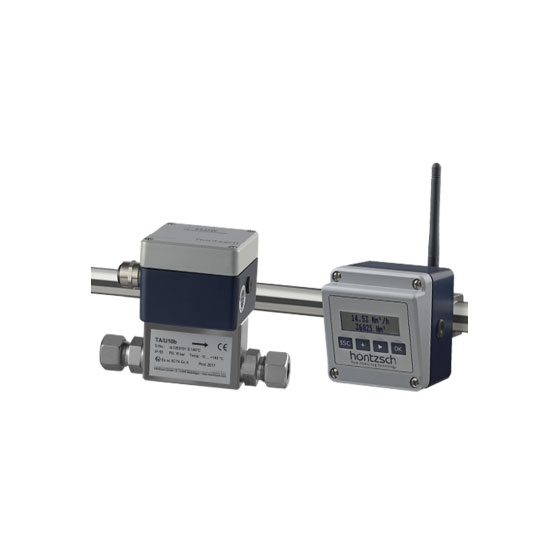
Thermal gas
0 products - Level
Radar
6 products
Ultrasonic
0 products
Capacitance
13 products
Conductivity
0 products
Magnetic
0 products
Float
0 products
Buoyancy
0 products
Tube
0 products
Vibrating Rod
0 products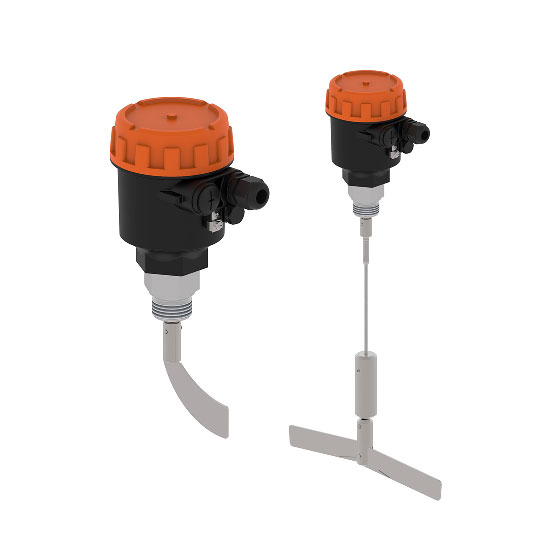
Rotary Paddle
0 products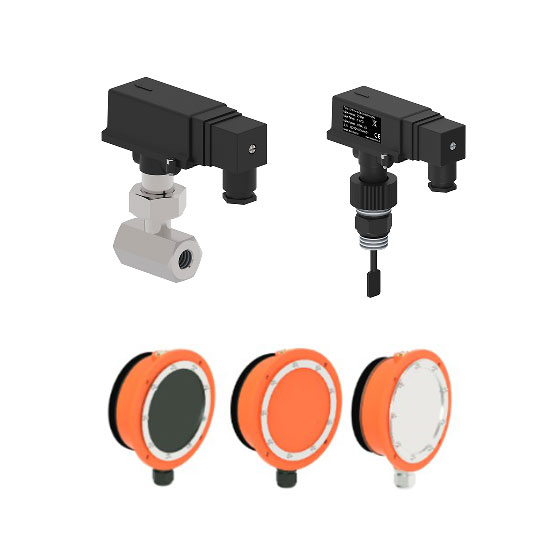
Level Switches
27 products - Analytical
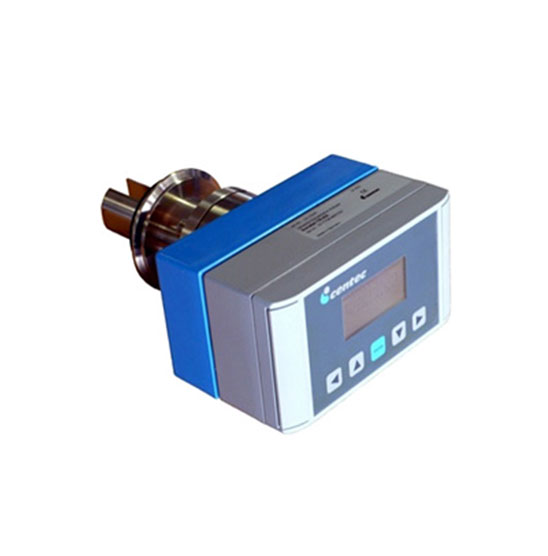
Concentration
0 products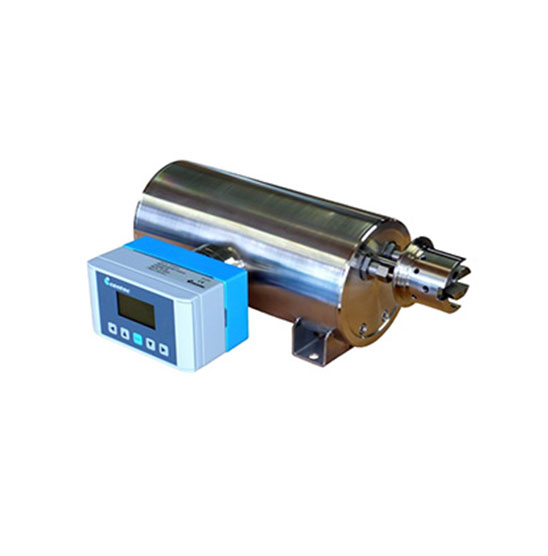
Density
0 products
Chlorine
0 products Conductivity
5 products PH
0 products Redox
0 products - Calibration Devices
Multi Function Calibrators
0 products
Pressure Calibrators
0 products
Temperature Calibrators
0 products
Valve Testing
0 products - All products


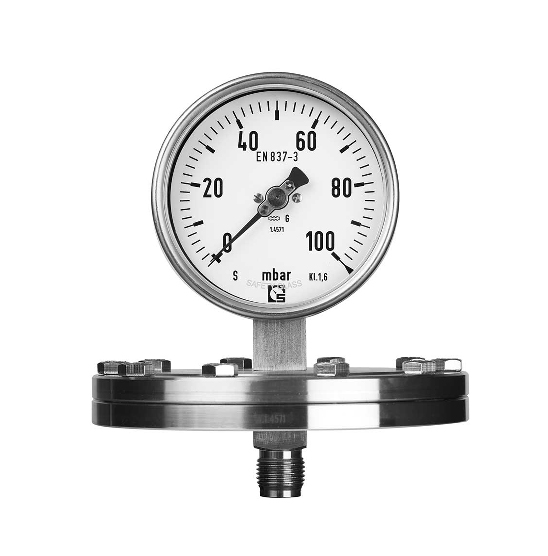
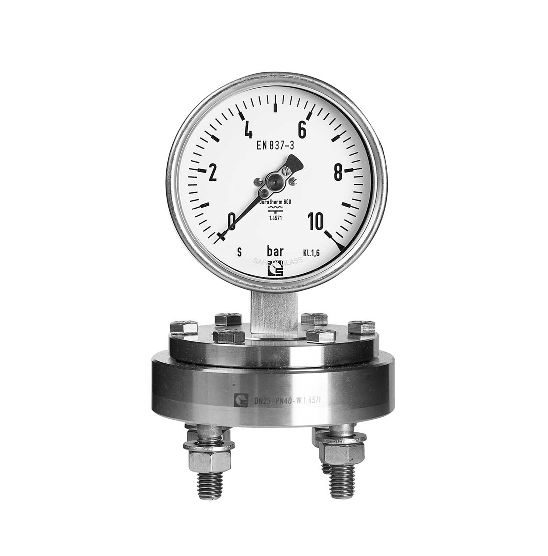

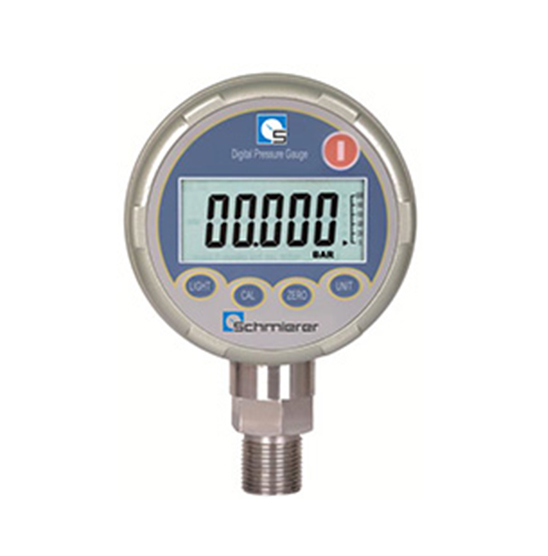


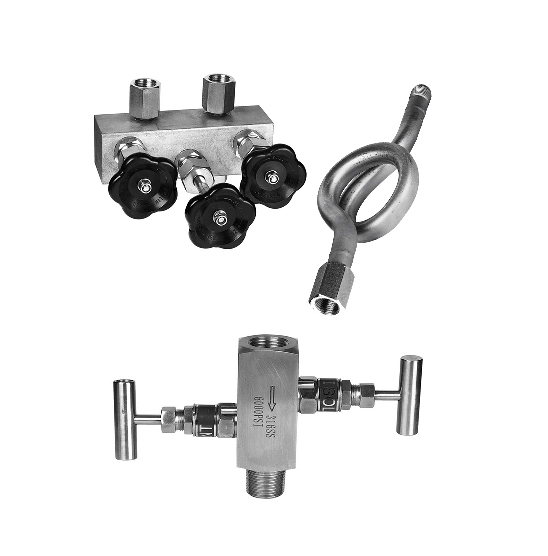





 HSPV
HSPV


information
- Introduction
A thermowell is a cylindrical, pressure-tight fitting designed to protect temperature sensors—such as thermocouples or RTDs—from the harsh conditions of an industrial process. By acting as a protective barrier, it prevents the sensor from being damaged by high pressure, corrosive chemicals, or high-velocity material flow while still allowing for effective heat transfer to ensure accurate measurement. One of its primary advantages is that it enables the removal or replacement of a sensor without requiring the system to be shut down or the process fluid to be drained, maintaining the integrity and safety of the piping or vessel.
- Working Principles
The working principle of a thermowell relies on the efficient conduction of thermal energy from a process medium to a housed temperature sensor. When the thermowell is inserted into a pipe or vessel, the process fluid transfers heat to the outer wall of the thermowell via convection; this heat then travels through the solid material of the well through conduction until it reaches the internal cavity where the sensor is located. The sensor, which is in close contact with the inner walls (often assisted by a thermal paste or spring-loaded mounting), absorbs this heat until it reaches thermal equilibrium with the process fluid. By serving as a closed-end protective tube, the thermowell ensures that the sensor can accurately register temperature changes while remaining completely isolated from the pressure, velocity, and chemical properties of the actual medium.
- Applications
Thermowells are essential components in any industry where temperature monitoring is required within pressurized or hazardous environments. Their primary applications include:
Oil and Gas Refineries
Chemical Processing
Power Generation
Food and Beverage Production
Water and Wastewater Treatment
Pharmaceutical Manufacturing
HVAC Systems
No products were found matching your selection.