



 Pressure
- Temperature

Bimetallic
1 product
TC
0 products
Gas filled
4 products
Thermowell
0 products
Ceramic Protection Tube
2 products
Replaceable measuring inserts
7 products
Non-Replaceable Measuring Inserts
3 products
Surface and Machinery Sensors
35 products
For Food and Pharmaceutical Industry
7 products
For HVAC Applications
9 products
For Acids, Alkalis, and Salts
4 products
Flameproof and Intrinsically Safe
5 products
Transmitters and Accessories
18 products
Accessories
0 products - Flowmeter

Electro Magnetic
0 products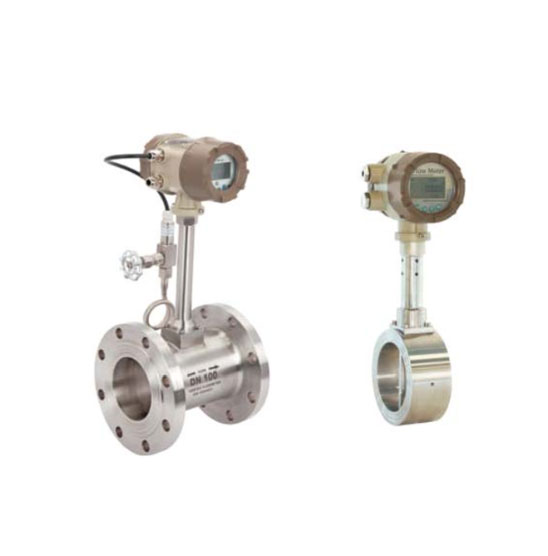
Vortex
11 products
Swirl
0 products
Ultrasonic
2 products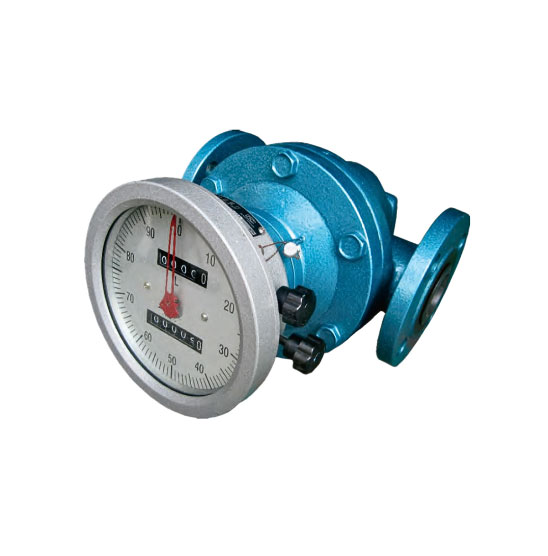
Positive Displacement
6 products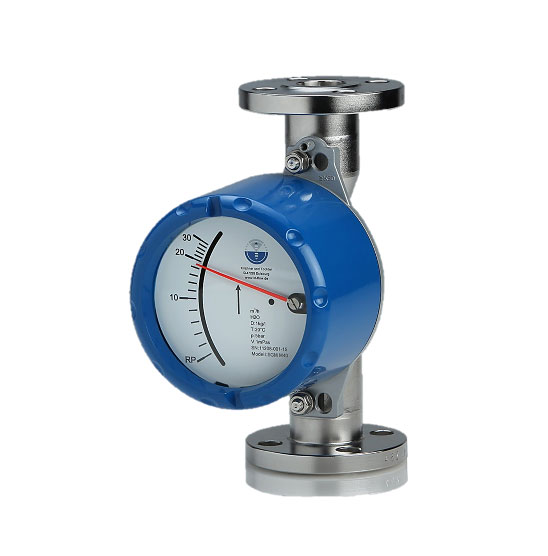
Variable Area
0 products
Differential Pressure
9 products
Gas Turbine
0 products
Flap
0 products
Side Glass
0 products
Thermal gas
0 products - Level
Radar
6 products
Ultrasonic
0 products
Capacitance
13 products
Conductivity
0 products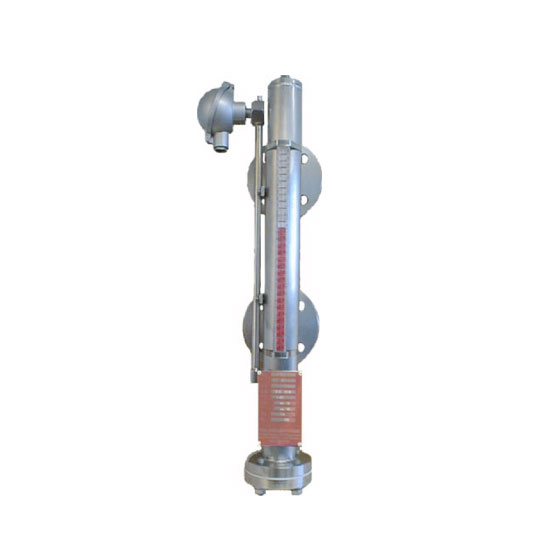
Magnetic
0 products
Float
0 products
Buoyancy
0 products
Tube
0 products
Vibrating Rod
0 products
Rotary Paddle
0 products
Level Switches
27 products - Analytical
Concentration
0 products
Density
0 products
Chlorine
0 products Conductivity
5 products PH
0 products Redox
0 products - Calibration Devices
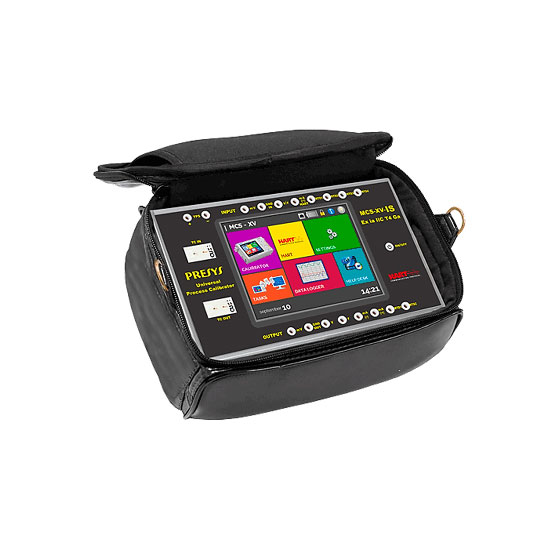
Multi Function Calibrators
0 products
Pressure Calibrators
0 products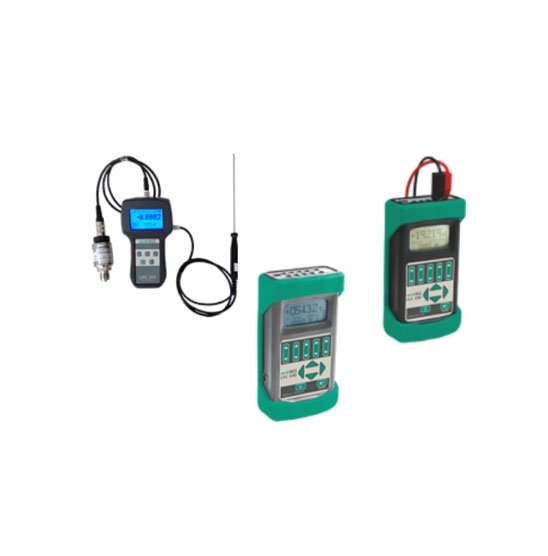
Temperature Calibrators
0 products
Valve Testing
0 products - All products

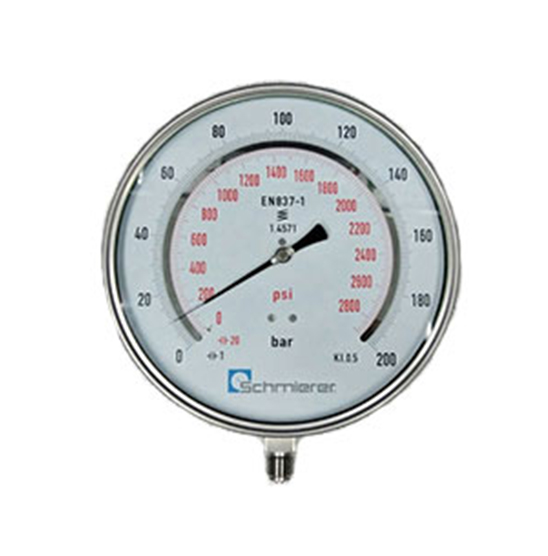












 HSPV
HSPV


information
- Introduction
A Magnetic Level Indicator (MLI) is a versatile and highly visible liquid level measurement solution designed to provide real-time monitoring in tanks and pressure vessels without the risks associated with traditional glass gauges. It operates on the principle of magnetism and buoyancy, utilizing a float containing an internal magnet assembly that rises and falls with the liquid level inside a bypass chamber. This internal magnet interacts through the chamber wall with an externally mounted indicator—typically a series of bi-color magnetic flaps or a follower—causing them to flip and change color to represent the current liquid height. Because the process fluid is completely contained within the metallic or plastic piping and never touches the indicator itself, MLIs offer a leak-proof, low-maintenance, and robust alternative for high-pressure, high-temperature, or chemically aggressive industrial environments.
- Working Principles
The working principle of a Magnetic Level Indicator (MLI) is based on the physical laws of buoyancy and magnetism, specifically utilizing a “bypass” configuration to mirror the tank’s liquid level. A float containing a powerful internal magnet assembly is designed to match the specific gravity of the process fluid, allowing it to move vertically within a non-magnetic bypass chamber as the liquid level fluctuates. Outside this sealed chamber, a column of bi-color magnetic flags or a follower is mounted; as the float moves, its magnetic field penetrates the chamber wall to rotate the flags 180 DEG C or move the follower. This magnetic coupling ensures that the indicating scale changes color—typically from white to red—to provide a clear, high-visibility representation of the liquid level without any direct contact between the process media and the indicator, effectively eliminating the risk of leaks or glass breakage.
- Applications
Magnetic Level Indicators (MLIs) are utilized across various sectors due to their ability to handle extreme conditions while maintaining a seal between the process fluid and the operator. Key applications include:
Oil and Gas Industry
Chemical Processing
Power Generation
Water and Wastewater Treatment
Pharmaceutical and Food Production
Petrochemical Plants
Cryogenic Services
No products were found matching your selection.