



 Pressure
- Temperature

Bimetallic
1 product
TC
0 products
Gas filled
4 products
Thermowell
8 products
Ceramic Protection Tube
2 products
Replaceable measuring inserts
7 products
Non-Replaceable Measuring Inserts
3 products
Surface and Machinery Sensors
35 products
For Food and Pharmaceutical Industry
7 products
For HVAC Applications
9 products
For Acids, Alkalis, and Salts
4 products
Flameproof and Intrinsically Safe
5 products
Transmitters and Accessories
14 products
Accessories
5 products - Flowmeter

Electro Magnetic
0 products
Vortex
4 products
Swirl
0 products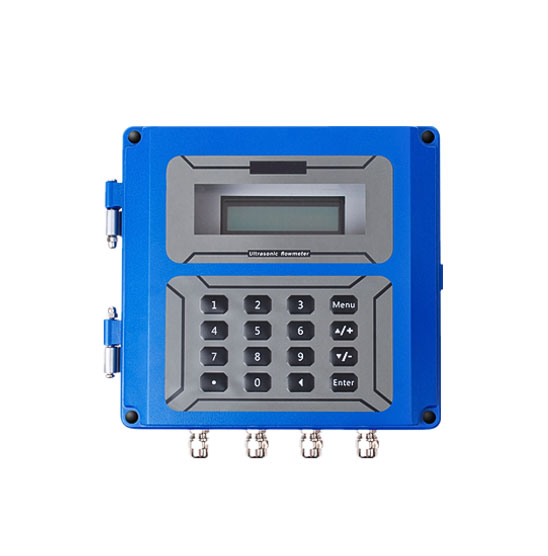
Ultrasonic
2 products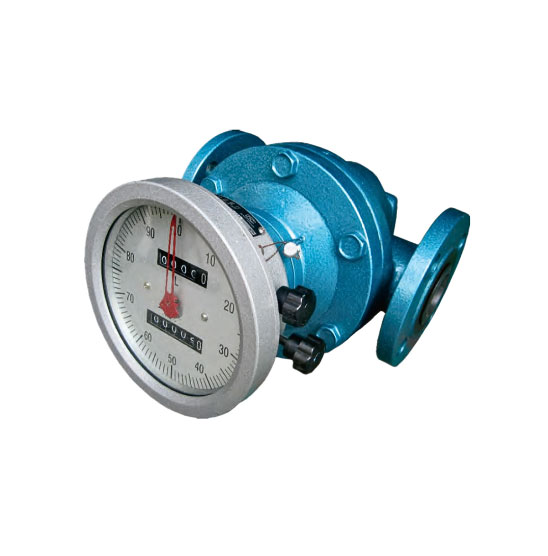
Positive Displacement
6 products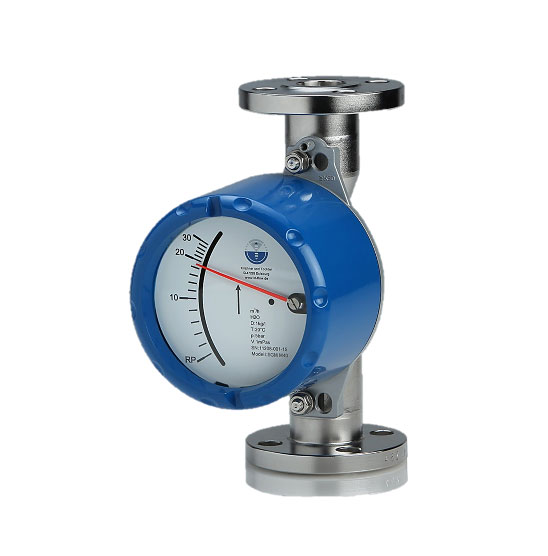
Variable Area
9 products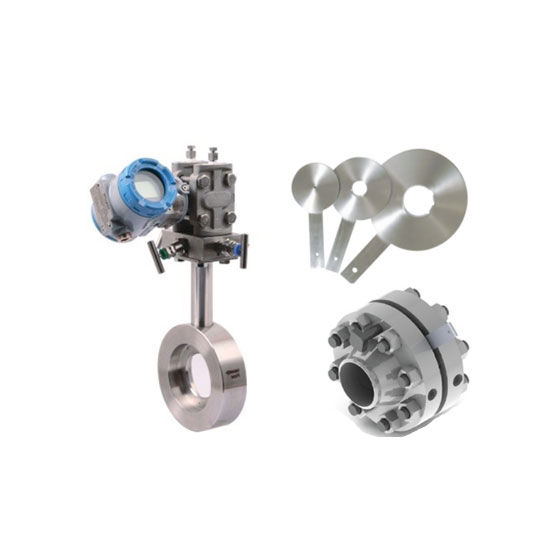
Differential Pressure
9 products
Gas Turbine
0 products
Flap
3 products
Side Glass
0 products
Thermal gas
1 product - Level
Radar
5 products
Ultrasonic
0 products
Capacitance
13 products
Conductivity
0 products
Magnetic
1 product
Float
0 products
Buoyancy
0 products
Tube
4 products
Vibrating Rod
3 products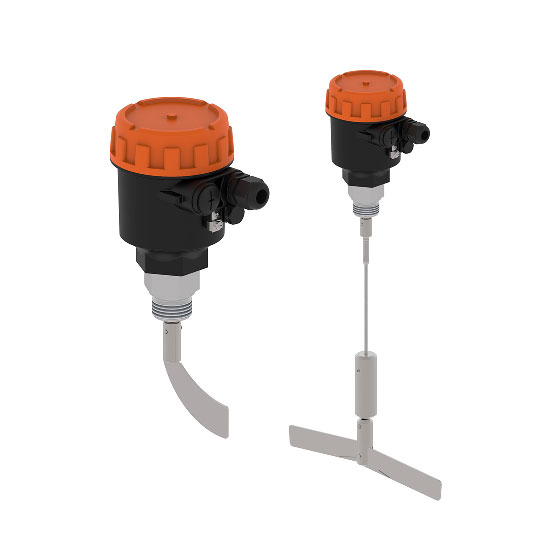
Rotary Paddle
2 products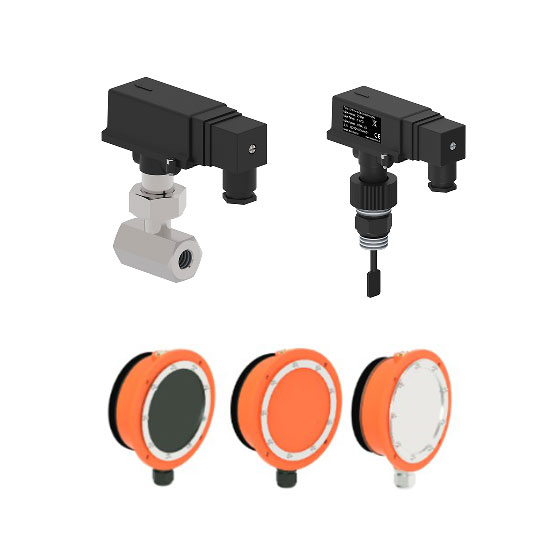
Level Switches
27 products - Analytical
Process Systems
30 products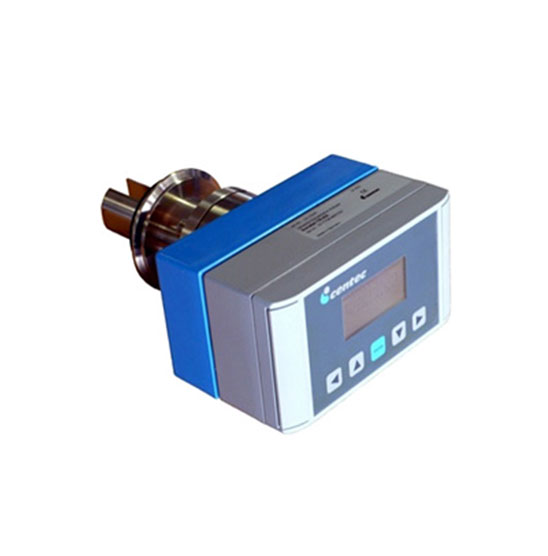
Concentration
10 products
Density
10 products
Chlorine
0 products Conductivity
5 products PH
0 products Redox
0 products - Calibration Devices
Multi Function Calibrators
2 products
Pressure Calibrators
3 products
Temperature Calibrators
4 products
Valve Testing
1 product - All products









 HSPV
HSPV


Radar vs Laser Level Tank Measurement

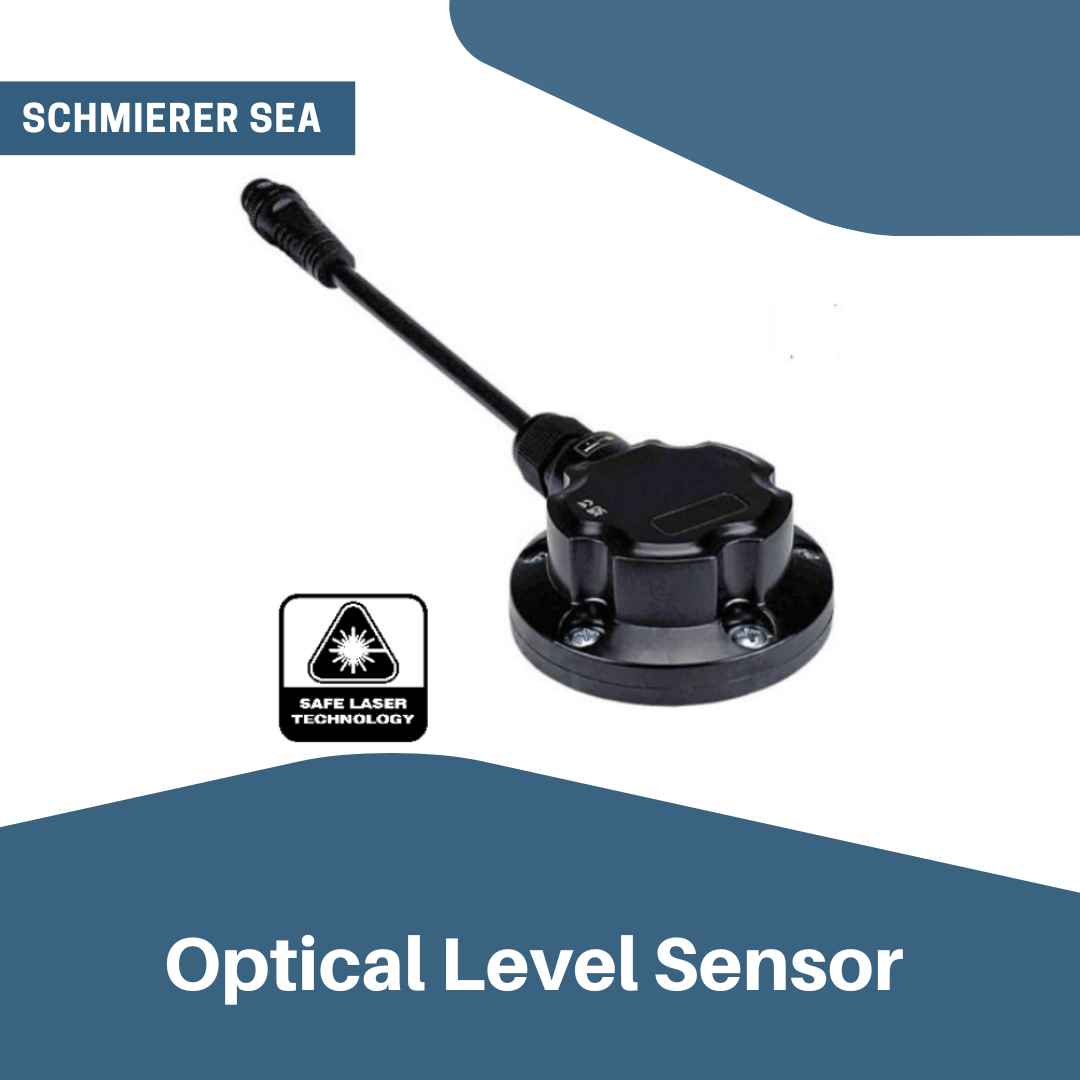
Laser level sensors offers specific advantages over radar technology, particularly in terms of precision, beam control, and cost-effectiveness for short-to-mid-range applications. Below we list the differences of the two measurement methods.
Higher Precision & Resolution:
Laser sensors typically offer superior accuracy (often within ±3 mm) compared to many standard radar sensors. Because light has a much shorter wavelength than radio waves, it can provide more detailed measurements and better lateral resolution.
Narrower Beam (Target Selectivity):
A laser beam is extremely narrow and stays focused over distance. This allows the laser sensor to measure levels in very narrow tanks or through small openings without the “false echoes” that radar may experience when its broader signal hits internal tank structures like ladders or agitators.
Cost-Effectiveness:
Laser transmitters are often positioned as an “affordable” high-precision middle ground, providing accuracy close to or better than radar while remaining more budget-friendly for many industrial setups.
Independence from Dielectric Constant:
Radar measurement is highly dependent on the dielectric constant of the material; if a liquid has a very low dielectric constant, radar signals may not reflect well. Laser sensors are unaffected by these electrical properties and can reliably measure any surface that reflects light.
Real-Time Response:
Laser technology enables near-instantaneous measurement and high-speed data recording, which is ideal for rapidly changing levels or high-volume process monitoring.
Comparison Summary Table
| Feature | Laser | Radar Level Sensor |
|---|---|---|
| Accuracy | Very High (mm-level) | Moderate to High |
| Beam Diameter | Extremely Narrow | Broad (varies by frequency) |
| Material Impact | Independent of dielectric | Dependent on dielectric |
| Ideal Range | Up to 4 meters (SSEA OLS) | Up to 100+ meters |
| Resilience | Affected by heavy dust/steam | Superior in dust, steam, foam |
This content was generated using AI. While we strive for accuracy, we encourage readers to verify important information. We use AI-generated content to increase efficiencies and provide certain insights, but it may not reflect human expertise or opinions.
Working Principle of the SSEA-OLS Optical Sensor:
The SSEA-OLS optical sensor is a non-contact level and volume sensor that works by means of low-power laser triangulation. It is designed for the precise detection of liquids, granulates and bulk solids in both static and dynamic applications. Thanks to continuous multiple measurements per second, the system provides reliable real-time data. An integrated, powerful evaluation algorithm enables the exact determination of the fill level as well as the volumetric calculation, taking into account the container geometry. The output can be in various units (e.g. mm, liters, %). User-specific measuring points and compensation parameters can be defined to ensure highly accurate measurements even in irregularly shaped containers.
Technical Features:
- Measuring range: up to 4000 mm
- Accuracy: ± 3 mm
- Tank geometry: Standard formats + 20 measuring points
- Sampling rate: 1 Hz
- Output: 4…20 mA
- Supply: 8…33 VDC
- Operating range: – 20…80°C
- Interface: Bluetooth
- Material: polycarbonate / NBR seal
- Protection class: IP68
- Dimensions: Ø 66 x 31 mm