



 Pressure
- Temperature

Bimetallic
1 product
TC
0 products
Gas filled
4 products
Thermowell
8 products
Ceramic Protection Tube
2 products
Replaceable measuring inserts
7 products
Non-Replaceable Measuring Inserts
3 products
Surface and Machinery Sensors
35 products
For Food and Pharmaceutical Industry
7 products
For HVAC Applications
9 products
For Acids, Alkalis, and Salts
4 products
Flameproof and Intrinsically Safe
5 products
Transmitters and Accessories
14 products
Accessories
5 products - Flowmeter

Electro Magnetic
0 products
Vortex
4 products
Swirl
0 products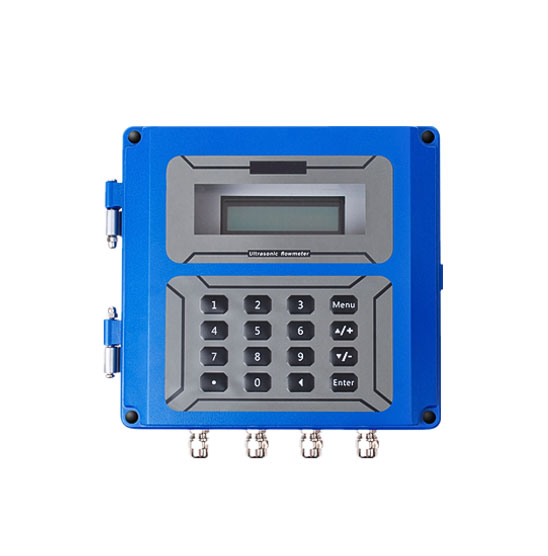
Ultrasonic
2 products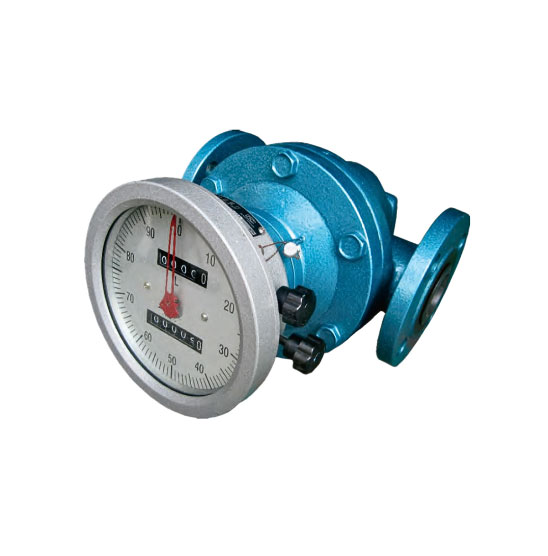
Positive Displacement
6 products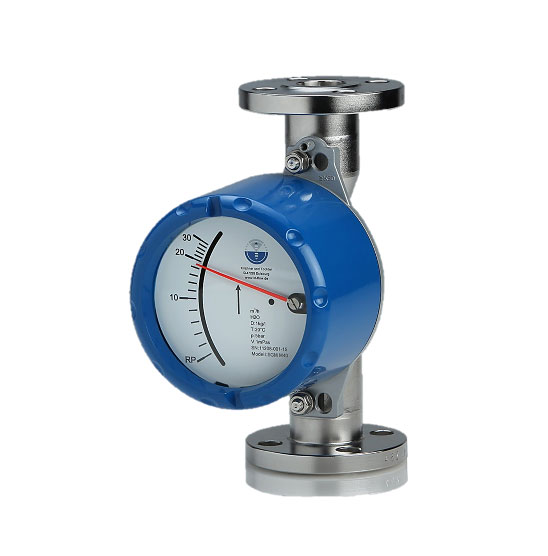
Variable Area
9 products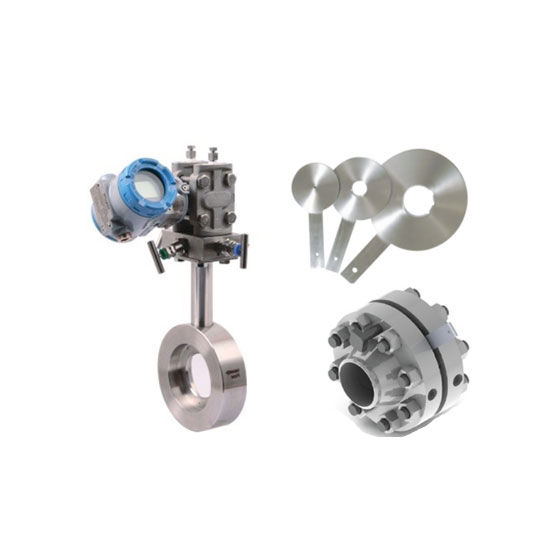
Differential Pressure
9 products
Gas Turbine
0 products
Flap
3 products
Side Glass
0 products
Thermal gas
1 product - Level
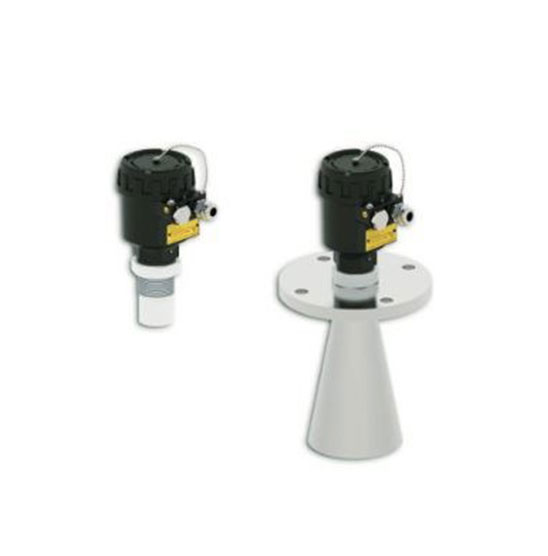
Radar
5 products
Ultrasonic
0 products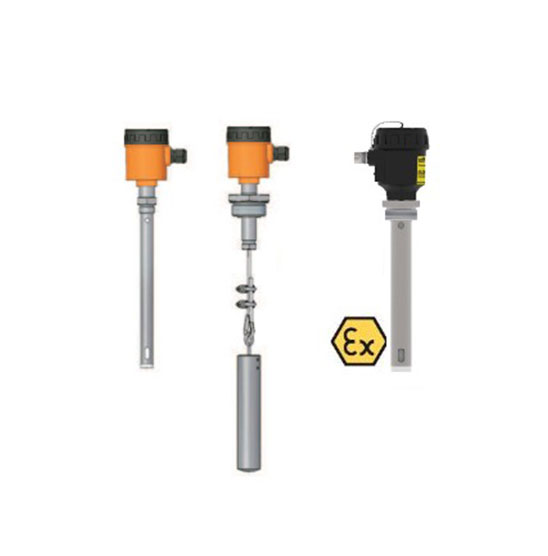
Capacitance
13 products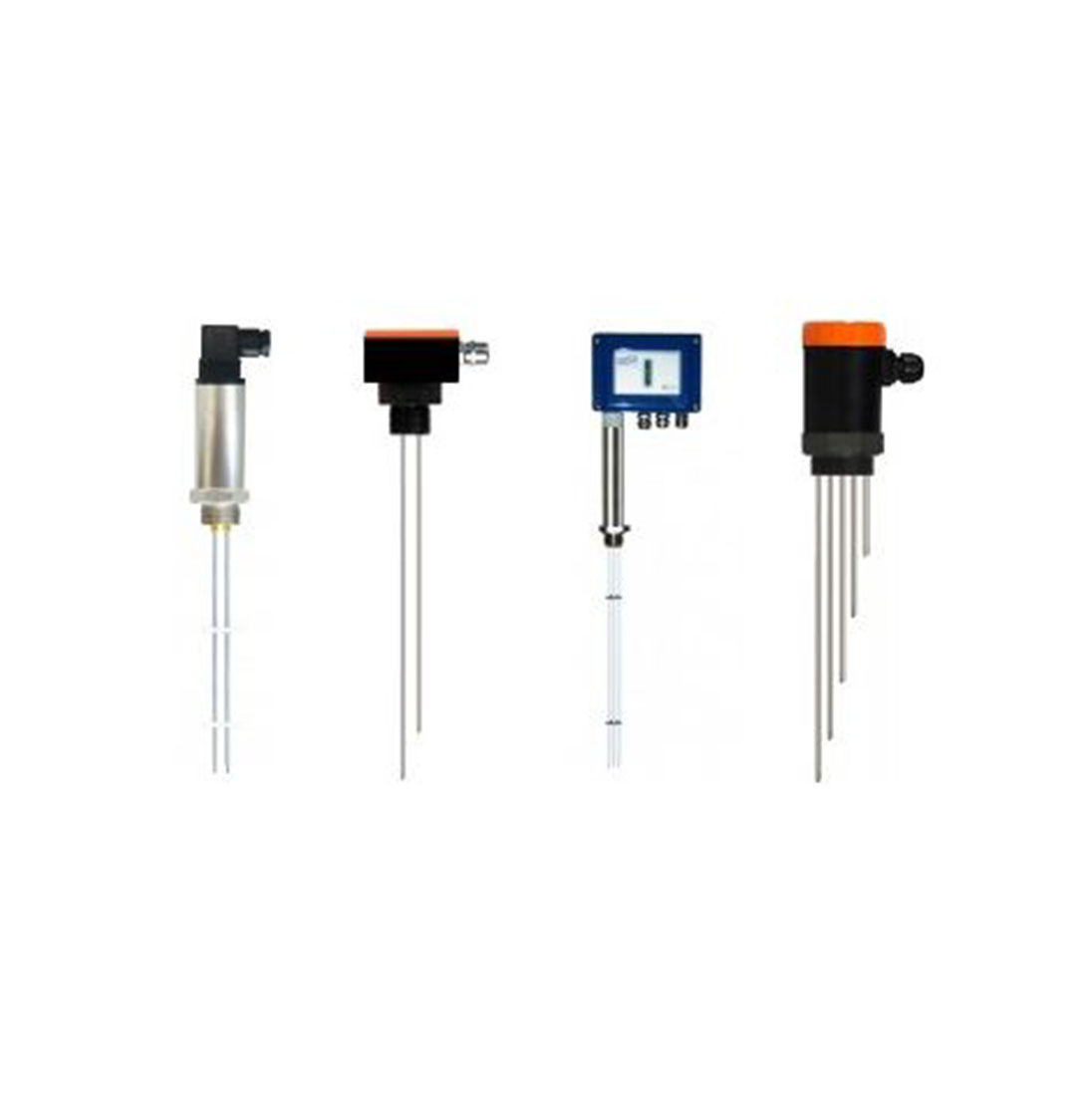
Conductivity
0 products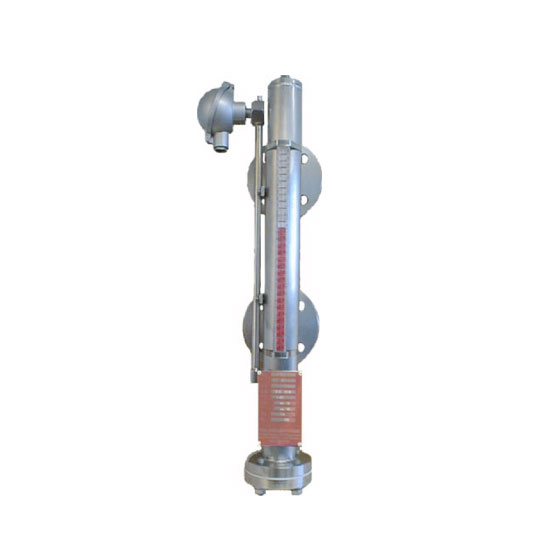
Magnetic
1 product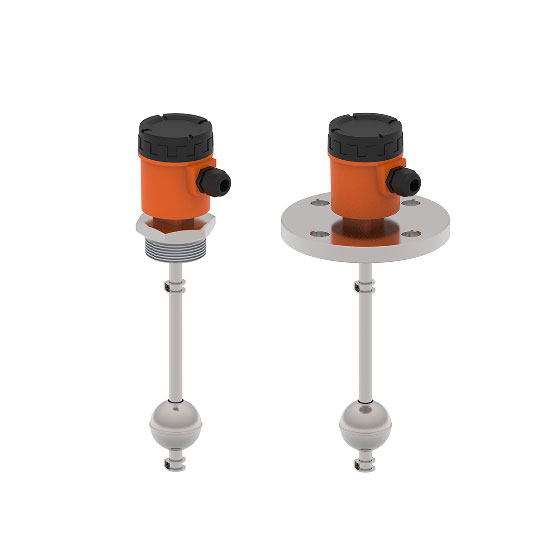
Float
0 products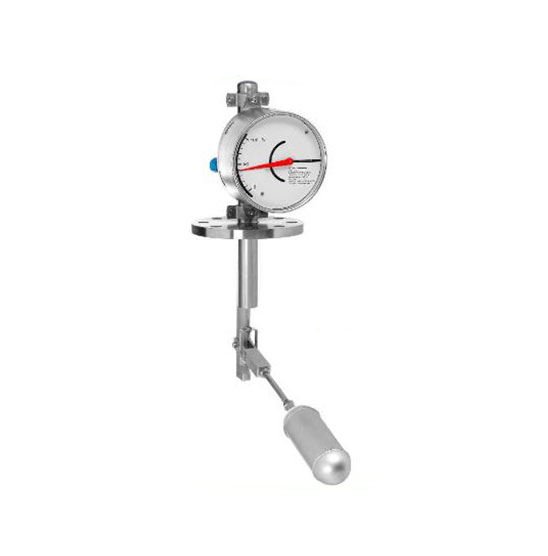
Buoyancy
0 products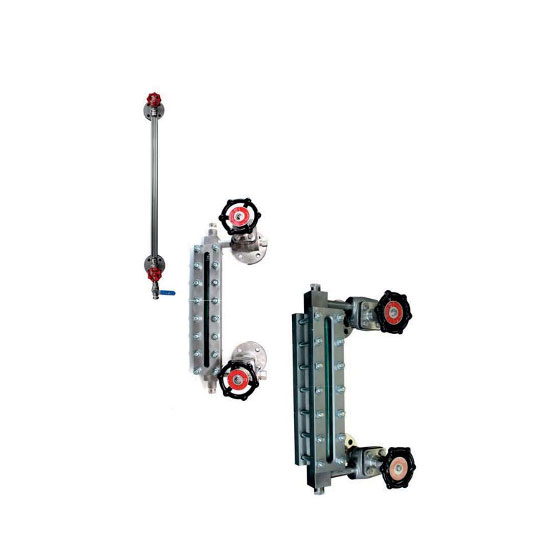
Tube
4 products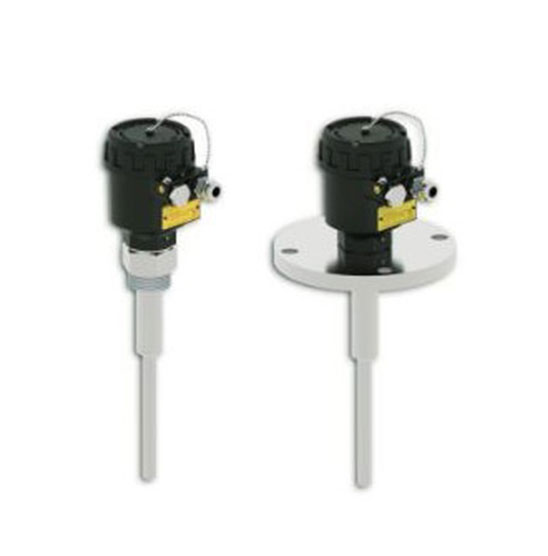
Vibrating Rod
3 products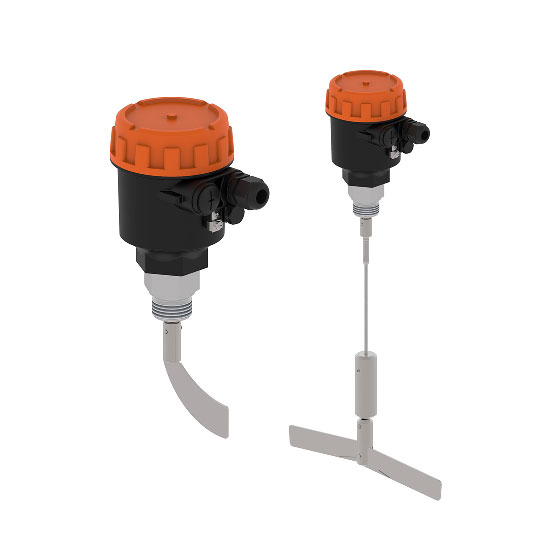
Rotary Paddle
2 products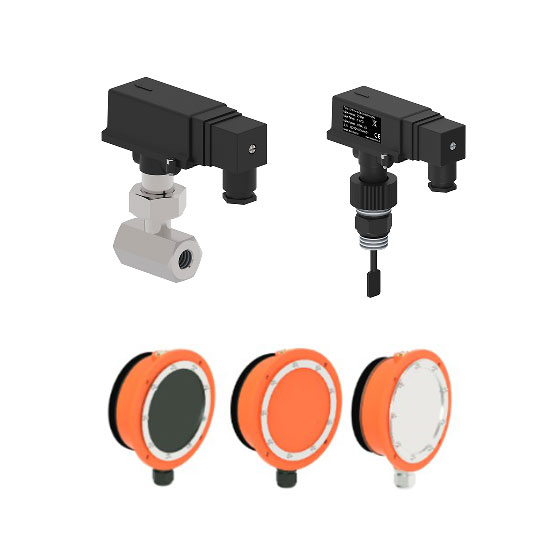
Level Switches
27 products - Analytical

Process Systems
30 products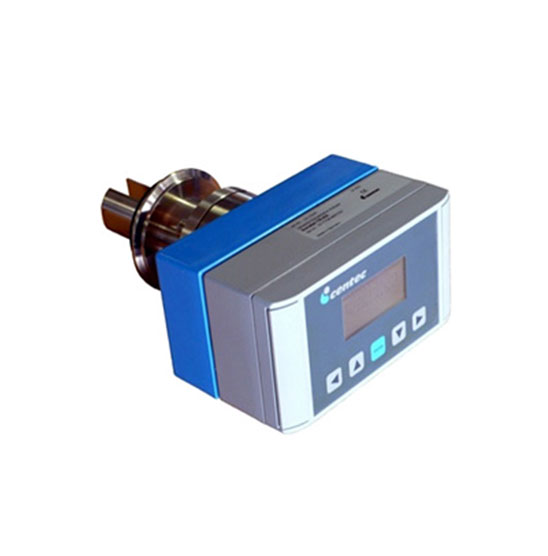
Concentration
10 products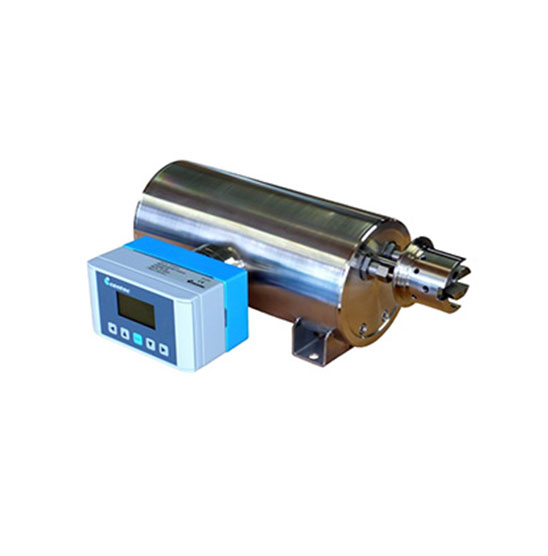
Density
10 products
Chlorine
0 products Conductivity
5 products PH
0 products Redox
0 products - Calibration Devices
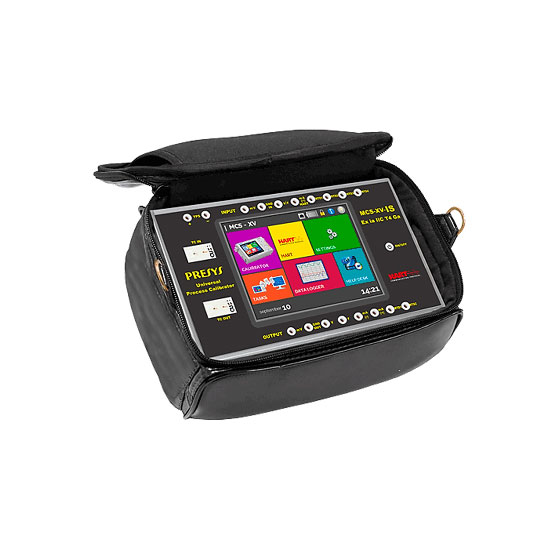
Multi Function Calibrators
2 products
Pressure Calibrators
3 products
Temperature Calibrators
4 products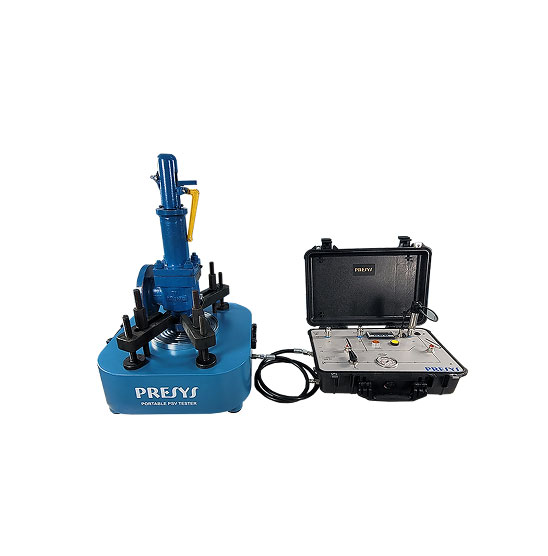
Valve Testing
1 product - All products










 HSPV
HSPV


How to protect your pressure gauge

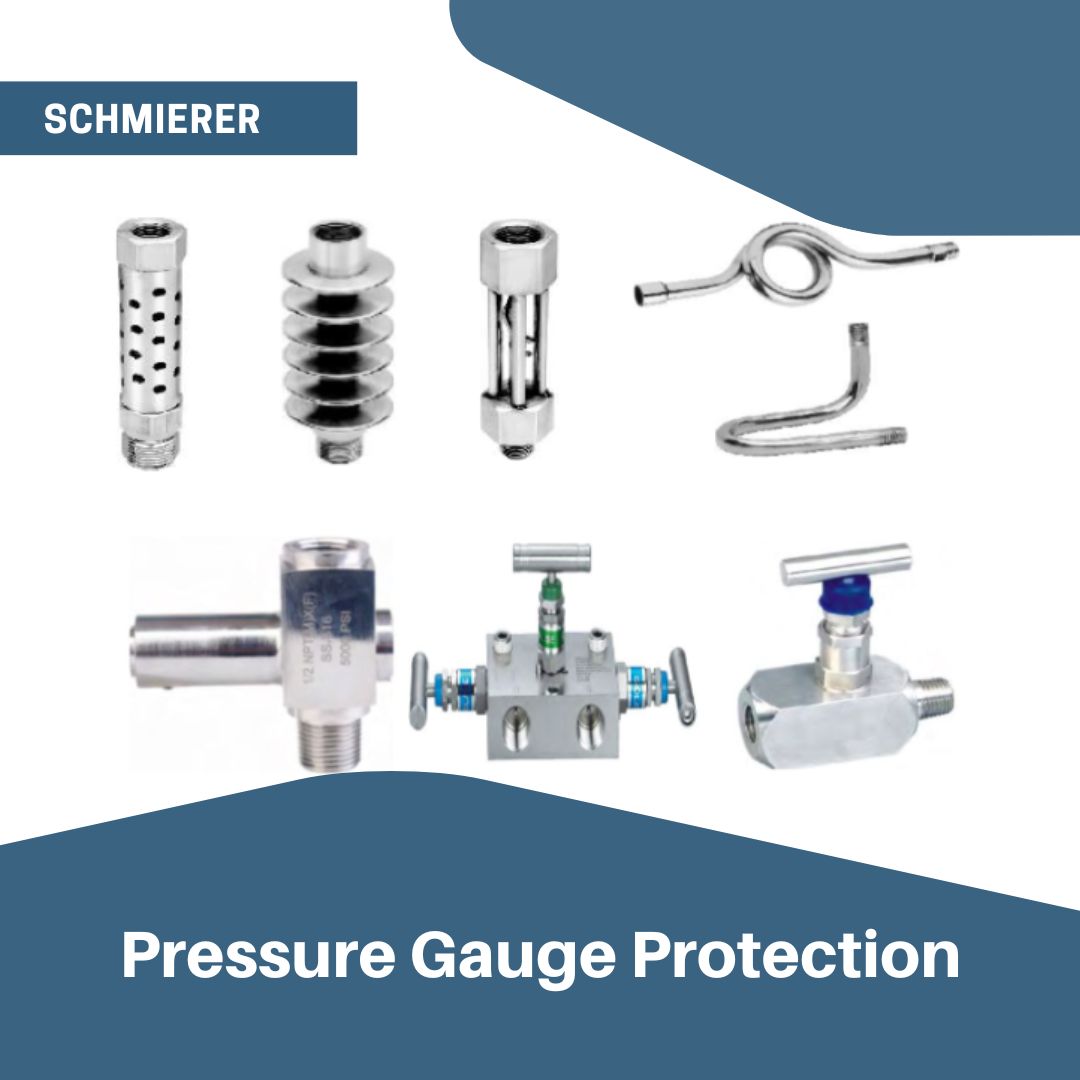
The common dangers and “killers” of pressure gauges are:
- vibrations
- overpressure
- pulsations, pressure spikes
- high temperature
- aggressive, corrosive, sticky process media
There are solutions to protect the gauges for inaccurate reading and failure.
Vibrations
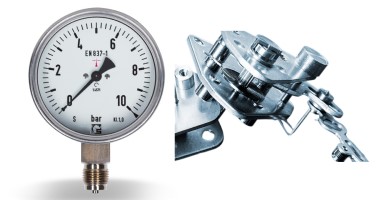
Usually mechanical dampening (e.g. Manodamp®) or oil filled PG will stabilize the needle movement for smooth reading. For very high vibration issues at worksite we recommend gauges with a capillary tube to be mounted on a non-vibrating frame or wall near by the measuring point.
Pulsations, Pressure Spikes
Sudden pressure changes can be part of the manufacturing process. If they within the pressure gauge range oil filled gauges or mechanical dampening systems will smoothen the sudden movement. In addition pulsation dampeners will stabilize gauge and provide smooth reading.
Overpressure
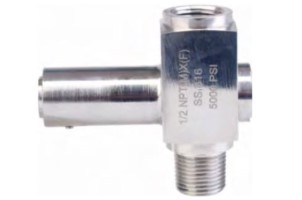
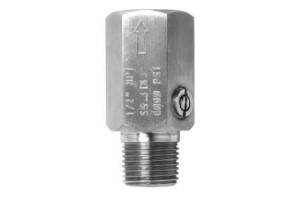
This can be caused by starting pumps which increase the pressure for a short time beyond the pressure gauge range. Gauges generally tolerate up to 30% overpressure without damage or inaccurate reading. This can be prevented by a manually operated gauge cock or an automated overload protector with a set pressure point that cuts overpressure.
High temperature
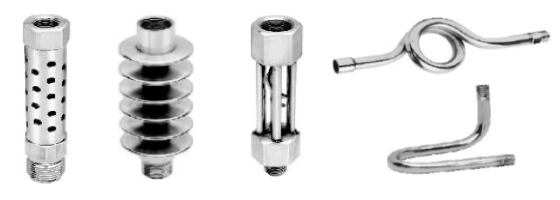
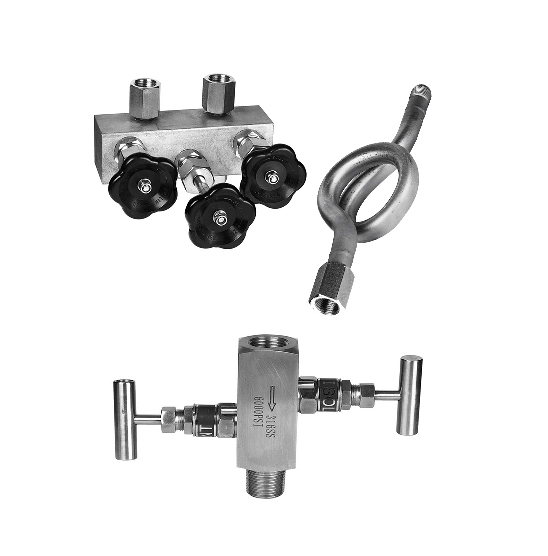
High PG process temperatures can cause deformation of the gauge, inaccurate reading and damage. Solutions for high temperature process media are syphons, cooling towers or capillary tubes which allow the process temperature to cool down.
Demanding process media
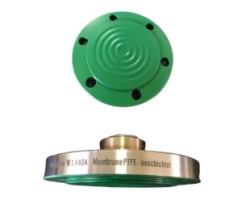
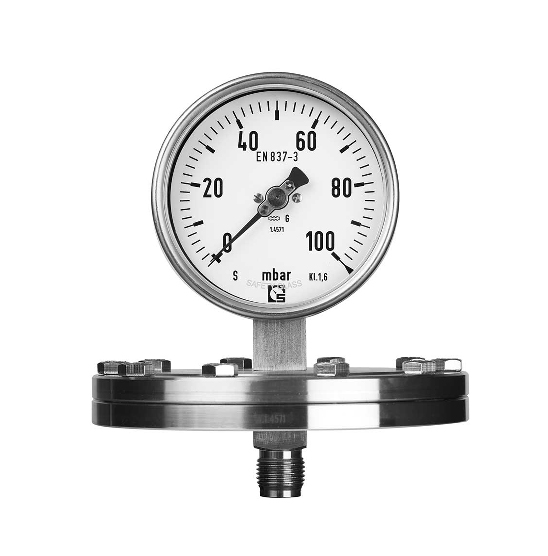
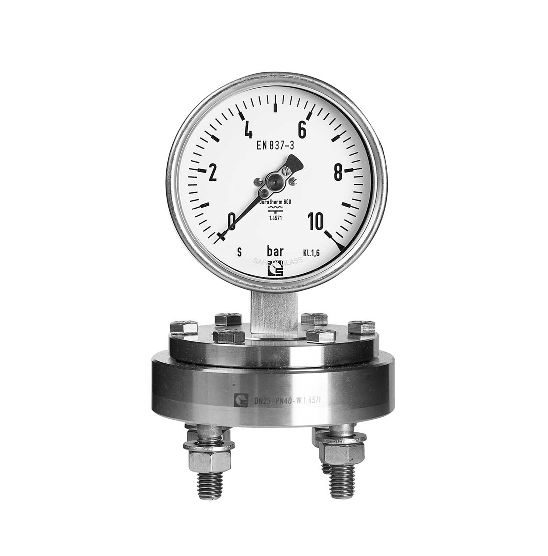
Aggressive, corrosive, sticky or particle laden process media damage the Bourdon tube and movement of gauges. Such application require diaphragm seals with specific membranes, (stainless or high grade steel, chemical coatings, linings, etc.) for indirect pressure measurement. In very corrosive atmospheres the gauge cases need to be protected by special materials or coatings.
If your face regular failure of pressure gauges in your production site please call our team to help you trouble shoot and find a suitable solution.