



 Pressure

Bourdon Tube
7 products
Boiler
2 productsChemical
3 products
Phenolic
1 product
Differential
7 products
Capsule
3 products
Test Pressure Gauge
5 products
Contact
4 products
Diaphragm
3 products
Diaphragm Seal
1 product
Digital
2 products
Pressure Transmitter
10 products
Pressure Switch
5 products
Load and Force
11 products
Accessories
15 products- Temperature
RTD
5 products
Bimetallic
2 products
Gas Filled
2 products
Non-Replaceable Inserts
3 products
Replaceable Inserts
4 products
Ceramic Protection
7 products
Mineral Insulated
4 products
Flameproof and Intrinsically Safe
7 products
Surface and Machinery
30 products
Food and Pharma
7 products
HVAC
9 products
Acids, Alkalis, Salts
4 products
Temperature Switch
1 product
Thermowell
16 products
Indicator, Controller
8 products
Accessories
9 products
Humidity
7 productsThermocouple
50 products
Cable Sensors
38 productsHead Sensors
9 products
High Temperature
6 products
Temperature Transmitter
6 products - Flow

Electro Magnetic
2 products
Vortex
3 products
Swirl
1 product
Ultrasonic
7 products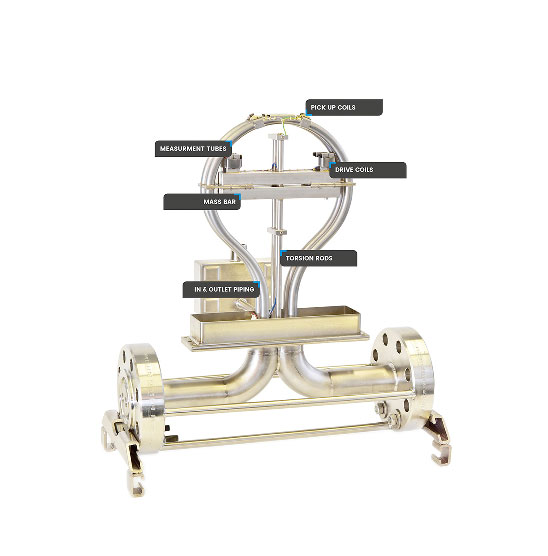
Coriolis Mass Flowmeter
28 products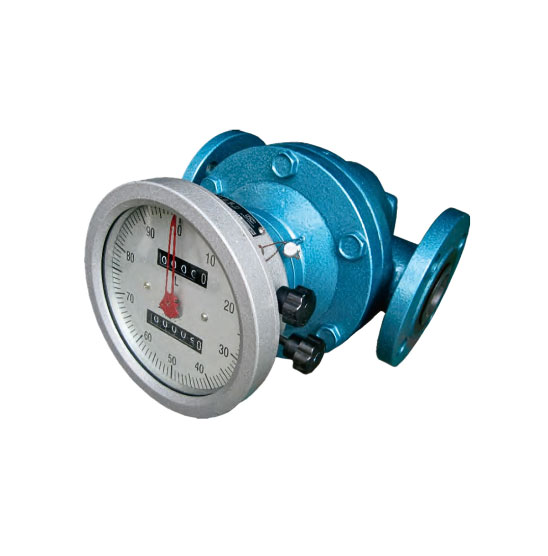
Positive Displacement
6 products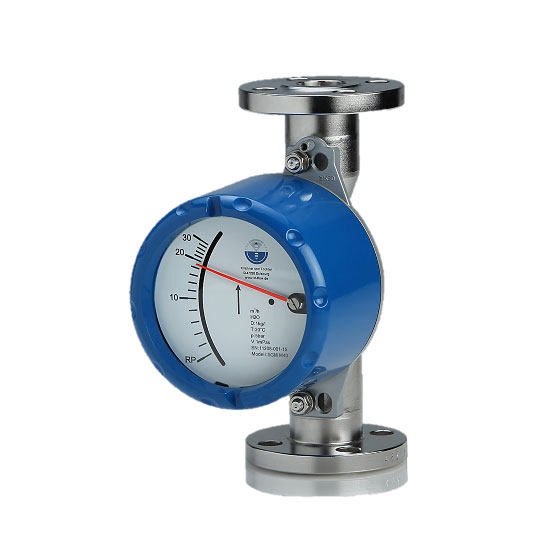
Variable Area
1 product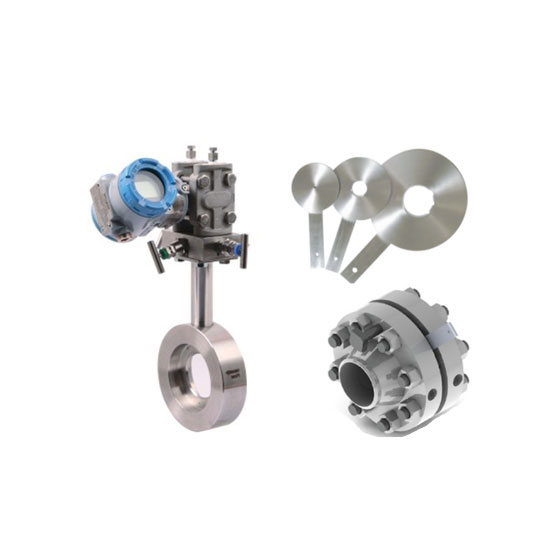
Differential Pressure
7 products
Turbine
4 products
Flap
1 product
Side Glass
1 product
Thermal gas
5 products
Air Flow/Quality
11 products
Flow Switch
9 products
Flow Computer
3 products
Flow Accessories
2 products
Dosing/Batching
6 products - Level
Radar
3 products
Ultrasonic
1 product
Capacitance
7 products
Conductivity
4 products
Magnetic
1 product
Float/Buoyancy
7 products
Level Indicator
3 products
Vibrating Rod
3 products
Rotary Paddle
2 products
Hydrostatic
2 products
Optical
1 product
Level Switches
11 products - Calibration Devices
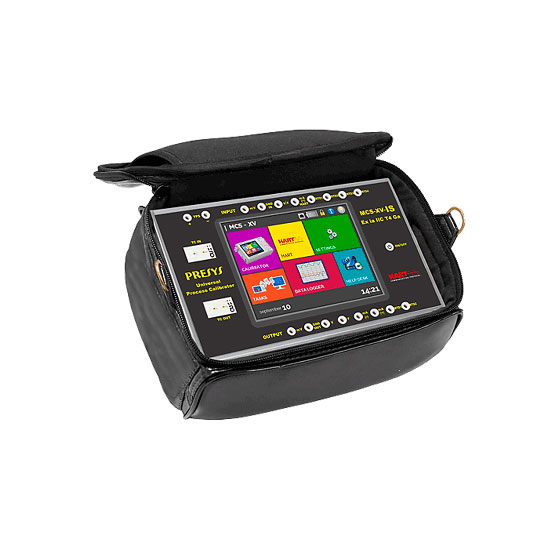
Multi Function Calibrators
2 products
Pressure Calibrators
4 products
Temperature Calibrators
6 products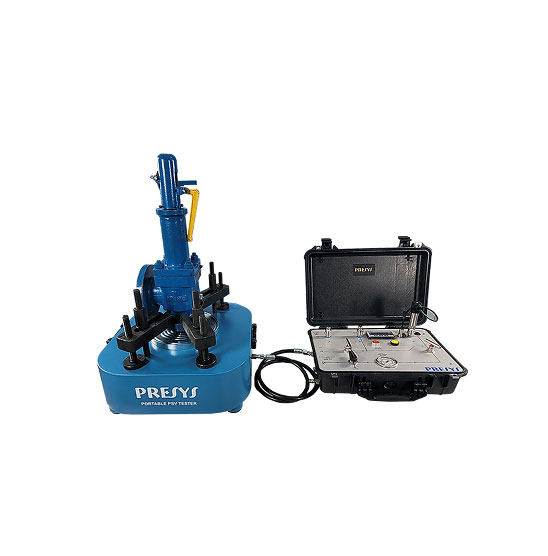
Valve Testing
1 product
Calibration Software
1 product  Valves
Actuator
1 product
Ball Valves
2 products
Butterfly Valves
3 products
Gate Valves
2 products
Globe Valves
3 products- Analytical Sensors

Water Quality Sensors
16 products
Process Systems
11 products
Density and Concentration
12 products
Analytical Controller
2 products - Process Systems






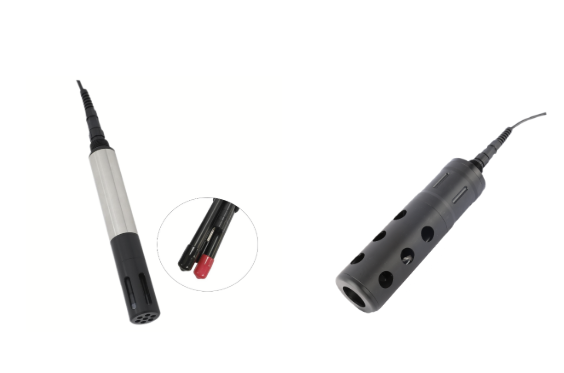
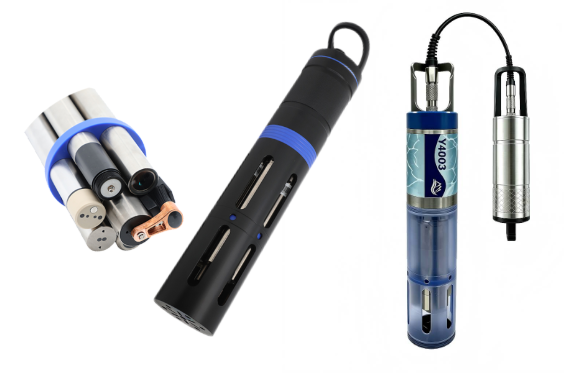
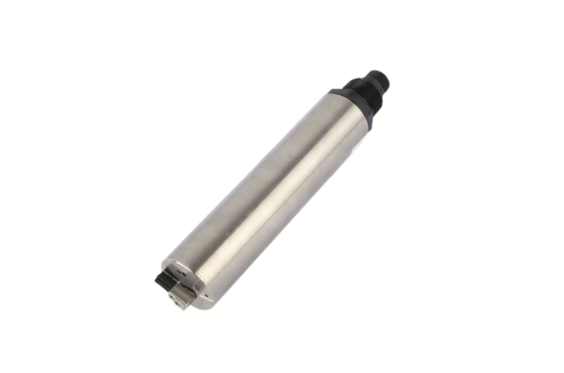

SSEA-BGAX Blue Green Algae Sensor
The SSEA-BGAX Blue-Green Algae Sensor is an advanced digital optical probe engineered for real-time tracking of cyanobacteria populations and early warning of harmful algal blooms. Utilizing high-sensitivity phycocyanin fluorescence detection, it monitors live algae concentrations directly in water bodies without complex sampling or chemical preparation. Featuring a submersible IP68 housing, integrated RS485 Modbus telemetry, and an optional motorized self-cleaning wiper, it provides continuous, maintenance-free water quality data across diverse aquatic environments.
Description
Description
Blue-green algae, or cyanobacteria, are photosynthetic microorganisms. They are commonly found in various water bodies. On one hand, they play a vital role in ecosystems by producing oxygen and serving as a food source. On the other hand, they can bloom excessively. This leads to severe water quality issues and harmful toxins.
Specifically, these blooms are caused by a combination of environmental factors. For example, agricultural runoff and sewage introduce excess nutrients like nitrogen and phosphorus. In addition, warm water temperatures, stagnant water, and abundant sunlight accelerate growth. Ultimately, climate change worsens these conditions, creating an ideal environment for harmful algal blooms to proliferate.
Models
- Self-Cleaning Blue-Green Algae Sensor: This is the flagship online probe. Notably, it comes equipped with a programmable, motorized mechanical wiper. This wiper effectively clears away air bubbles and biological fouling.
- Online Blue-Green Algae Sensor: This is an ultra-compact, slim-profile probe with a 22mm diameter. Therefore, it is perfectly tailored for space-constrained pipelines, field instrumentation, or deep-well deployments.
- Multi-Parameter Sonde Integration Module: This is a specialized module variant. Specifically, it is designed to link directly into the Deep-Water Sonde to profile deep lake columns up to 20 bar pressures.
Product Specifications
- Measurement Scale: The standard dynamic threshold ranges from 0 to 300,000 cells/mL. However, it is factory customizable up to 2,000,000 cells/mL.
- Linearity and Resolution: The sensor provides exceptional tracking performance. In fact, it boasts a linearity rating of R² > 0.999 and a sharp resolution of 1 cell/mL.
- Digital Communication: It utilizes a standard RS-485 serial communication architecture. Consequently, it natively executes the MODBUS-RTU protocol.
- Calibration & Memory: Factory calibration coefficients are stored internally on the probe’s microchip. Thus, the device allows for immediate plug-and-play installation.
- Power & Depth Ratings: The probe features low power consumption down to 0.2W. Furthermore, it is housed in a rugged IP68 submersible body rated for depths up to 60 meters.
Working Principle
Traditional tracking relies on manual microscopic cell counting. Unfortunately, this process takes hours and suffers from poor repeatability. The SSEA-BGAX sensors replace this manual method entirely. Instead, they utilize in-situ optical fluorescence sensing technology.
- Targeted Excitation: First, cyanobacteria cells contain a unique photosynthetic pigment called phycocyanin. The sensor projects a targeted light pulse through its sapphire window. Immediately after, this specific wavelength excites the phycocyanin molecules.
- Fluorescent Emission: As a result, the molecules fluoresce and emit a longer light wavelength. An internal photodetector then measures the intensity of this returning light. Note that this detector is placed at a right angle to eliminate reflection interference.
- Signal Translation: Meanwhile, the intensity of the fluorescence is directly proportional to the volume of cyanobacteria cells. Therefore, the sensor’s firmware easily processes the raw signal. Consequently, it outputs instant cells/mL metrics without background light or turbidity distortions.
Related products

SSEA-CODX Chemical Oxygen Demand Sensor
In stock
SKU:
SSEACODX
The SSEACODX self cleaning COD Sensor delivers reagent-free, real-time tracking of organic pollutants in water. Utilizing advanced UVC LED absorption at 254 nm, it features automatic turbidity compensation and an integrated self-cleaning wiper to ensure stable, low-maintenance online operation across municipal and industrial wastewater applications.
This proven technology provides reliable and accurate analysis of organic pollutants for water quality monitoring at low cost and low maintenance. With rugged design, and integrated turbidity compensation, it is an excellent solution for continuous monitoring of source water, surface water, municipal and industrial wastewater.
SSEA-CONDX Conductivity Sensor
In stock
SKU:
SSEA-CONDX
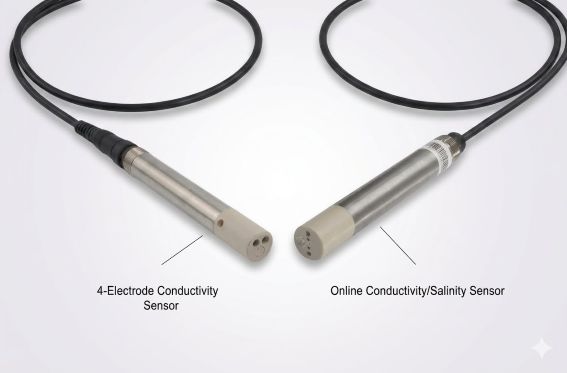
SSEA-CONDX digital conductivity sensors replace traditional two-electrode designs with high-precision four-electrode technology. They eliminate polarization effects, feature built-in automatic temperature compensation, and use an RS485 MODBUS protocol interface for simultaneous output of conductivity, salinity, total dissolved solids (TDS), and temperature. Housed in IP68 corrosion-resistant bodies, they are ideal for long-term deployment in surface water, wastewater, and aquaculture.

SSEA-PHX digital pH Sensor
In stock
SKU:
SSEA-PHX
The SSEA-PHX digital pH sensor adopts a robust industrial-grade online electrode and an integrated temperature sensor for automatic temperature compensation, rendering it highly suitable for long-term online monitoring applications. It features an RS485 communication interface and supports the standard MODBUS protocol, enabling networking and system integration without the need for an external controller. It is extensively utilized in various fields, including water quality treatment, hydrological monitoring, wastewater management, swimming pools, industrial control systems, and biological application.
SSEA-TSSX Total Suspended Solids Sensor
In stock
SKU:
SSEA-TSSX
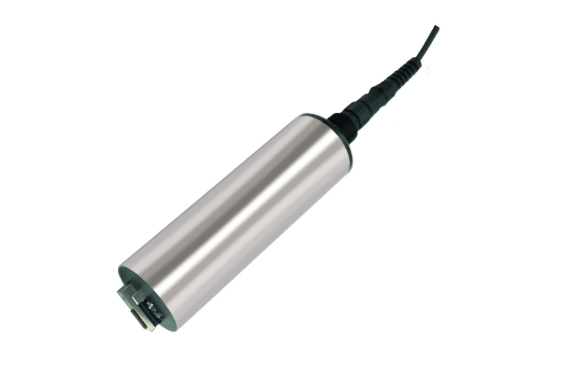
The SSEA-TSSX Sensor is a heavy-duty digital probe designed for continuous tracking of total suspended solids in demanding environments. Utilizing advanced near-infrared light scattering technology [ISO7027], it provides real-time mg/L or ppm readings without manual filtration. Equipped with a motorized self-cleaning wiper, an RS485 Modbus output, and scratch-resistant sapphire windows, it delivers stable, maintenance-free operation across diverse water applications.