


 Pressure

Bourdon Tube
7 products
Boiler
2 productsChemical
3 products
Phenolic
1 product
Differential
7 products
Capsule
3 products
Test Pressure Gauge
5 products
Contact
4 products
Diaphragm
3 products
Diaphragm Seal
1 product
Digital
2 products
Pressure Transmitter
10 products
Pressure Switch
5 products
Load and Force
11 products
Accessories
15 products- Temperature
RTD
5 products
Bimetallic
2 products
Gas Filled
2 products
Non-Replaceable Inserts
3 products
Replaceable Inserts
4 products
Ceramic Protection
7 products
Mineral Insulated
4 products
Flameproof and Intrinsically Safe
7 products
Surface and Machinery
30 products
Food and Pharma
7 products
HVAC
9 products
Acids, Alkalis, Salts
4 products
Temperature Switch
1 product
Thermowell
16 products
Indicator, Controller
8 products
Accessories
9 products
Humidity
7 productsThermocouple
50 products
Cable Sensors
38 productsHead Sensors
9 products
High Temperature
6 products
Temperature Transmitter
6 products - Flow

Electro Magnetic
2 products
Vortex
3 products
Swirl
1 product
Ultrasonic
7 products
Coriolis Mass Flowmeter
28 products
Positive Displacement
6 products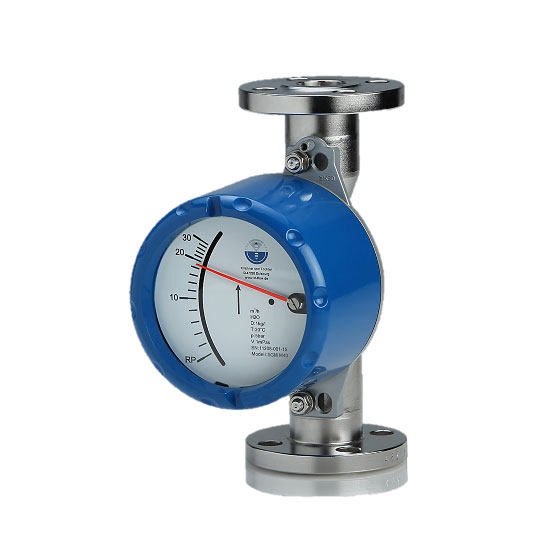
Variable Area
1 product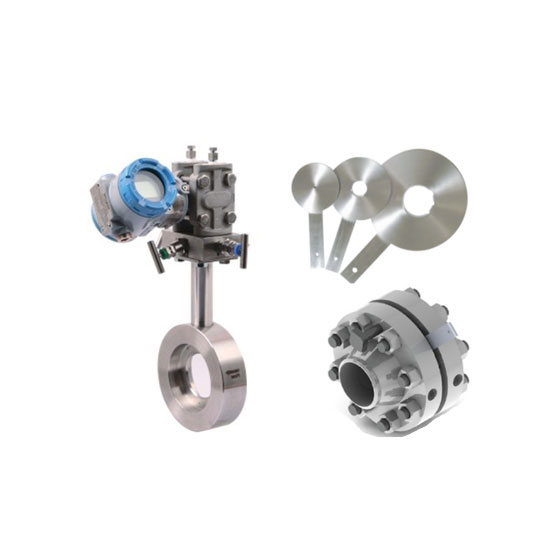
Differential Pressure
7 products
Turbine
4 products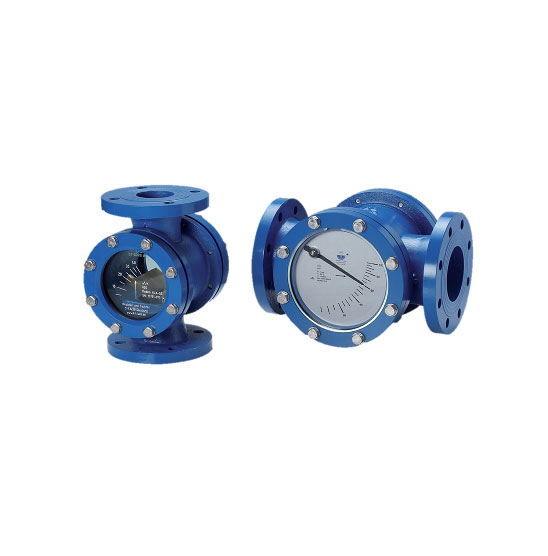
Flap
1 product
Side Glass
1 product
Thermal gas
5 products
Air Flow/Quality
11 products
Flow Switch
9 products
Flow Computer
3 products
Flow Accessories
2 products
Dosing/Batching
6 products - Level
Radar
3 products
Ultrasonic
1 product
Capacitance
7 products
Conductivity
4 products
Magnetic
1 product
Float/Buoyancy
7 products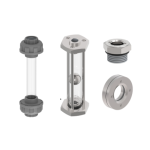
Level Indicator
3 products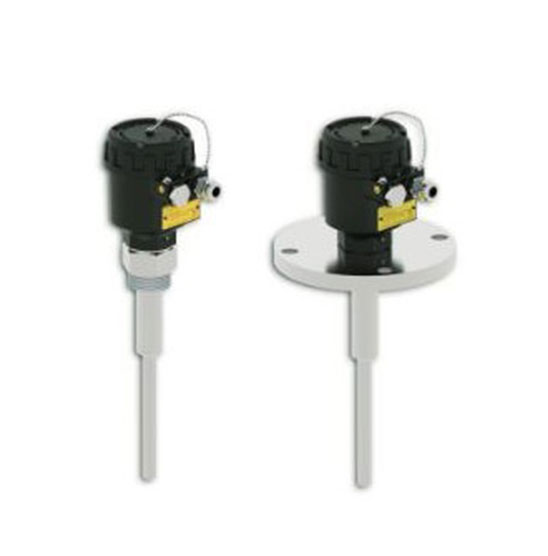
Vibrating Rod
3 products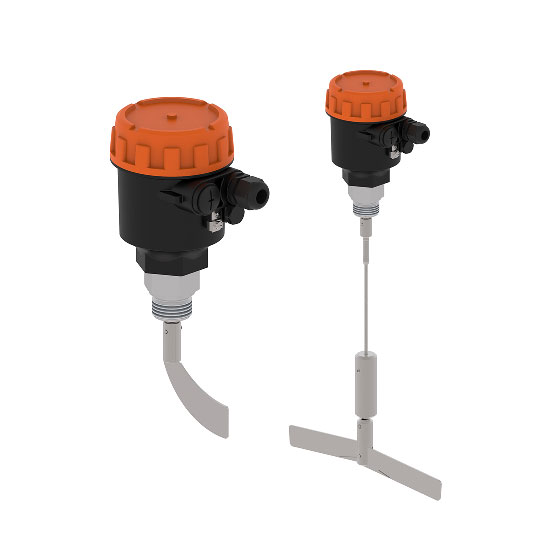
Rotary Paddle
2 products
Hydrostatic
2 products
Optical
1 product
Level Switches
11 products - Calibration Devices
Multi Function Calibrators
2 products
Pressure Calibrators
4 products
Temperature Calibrators
6 products
Valve Testing
1 product
Calibration Software
1 product  Valves
Actuator
1 product
Ball Valves
2 products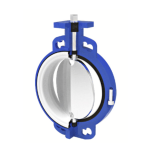
Butterfly Valves
3 products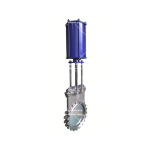
Gate Valves
2 products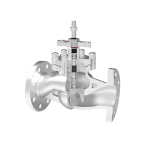
Globe Valves
3 products- Analytical Sensors

Water Quality Sensors
16 products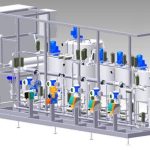
Process Systems
11 products
Density and Concentration
12 products
Analytical Controller
2 products - Process Systems








SSEA-CODX Chemical Oxygen Demand Sensor
The SSEACODX self cleaning COD Sensor delivers reagent-free, real-time tracking of organic pollutants in water. Utilizing advanced UVC LED absorption at 254 nm, it features automatic turbidity compensation and an integrated self-cleaning wiper to ensure stable, low-maintenance online operation across municipal and industrial wastewater applications.
This proven technology provides reliable and accurate analysis of organic pollutants for water quality monitoring at low cost and low maintenance. With rugged design, and integrated turbidity compensation, it is an excellent solution for continuous monitoring of source water, surface water, municipal and industrial wastewater.
Description
Description
COD (Chemical Oxygen Demand) Sensor
Chemical Oxygen Demand (COD) measures the amount of oxygen required to chemically oxidize substances in a water sample. It is commonly used to assess wastewater pollution levels and evaluate wastewater treatment performance. COD is expressed in milligrams per liter (mg/L). Generally, a higher COD value indicates a greater concentration of oxidizable pollutants.
The SSEA-CODX self-cleaning COD sensor uses ultraviolet (UV) absorption technology to estimate organic pollution in water. It measures UV absorbance at 254 nm (UV254), which is associated with many dissolved organic compounds.
This technology supports continuous water quality monitoring with low reagent use and reduced maintenance requirements. Its rugged construction and integrated turbidity compensation make it suitable for source water, surface water, and municipal and industrial wastewater applications.

Models
- UV254 COD Sensor (Low Range): Designed for monitoring relatively low concentrations of organic pollutants, with a COD measurement range of 0–500 mg/L.
- UV254 COD Sensor (High Range): Designed for applications with higher organic loading, with a COD measurement range of 0–1500 mg/L.
- Self-Cleaning COD Sensor: An industrial probe equipped with a motorized mechanical brush to reduce biological growth and deposits on the optical surface.
Features
- Digital sensor with RS-485 output and Modbus communication protocol.
- Reagent-free measurement using direct UV spectral absorption.
- UV LED technology for stable, continuous measurement.
- Supports measurement or estimation of parameters such as COD, TOC, turbidity, and temperature, depending on the model and configuration.
- Optional or integrated mechanical self-cleaning brush to reduce biological fouling and extend maintenance intervals.
- Integrated turbidity compensation to help reduce interference from suspended particles.
- IP68-rated housing for submersible applications.
Specifications
| Parameter | SSEA-CODX-B COD Sensor (Low Range) |
SSEA-CODX-C COD Sensor (High Range) |
|---|---|---|
| Measuring Principle | Ultraviolet absorption | Ultraviolet absorption |
| COD Range | 0–500 mg/L | 0–1500 mg/L |
| COD Accuracy | ±5% | ±5% |
| Resolution | 0.01 mg/L | 0.01 mg/L |
| TOC Range | 0–180 mg/L | 0–600 mg/L |
| Turbidity Range | 0–500 NTU | 0–500 NTU |
| Temperature Range | 0–50 °C | 0–50 °C |
| Ingress Protection | IP68 | IP68 |
| Communication Interface | RS-485, Modbus | RS-485, Modbus |
| Power Consumption | 0.25 W (without wiping); 0.8 W (with wiping) | 0.25 W (without wiping); 2 W (with wiping) |
| Power Supply | 12–24 V DC, ≥1 A | 12–24 V DC, ≥1 A |
| Dimensions | Ø50 × 179 mm | Ø50 × 179 mm |
| Cable Length | 10 m standard; customizable | 10 m standard; customizable |
| Body Material | 316L stainless steel or titanium option | 316L stainless steel or titanium option |
Technical Specifications
- Measurement Method: Uses UV254 spectral absorption to estimate organic pollution without conventional chemical reagents.
- Measured and Derived Parameters: Depending on the model and configuration, the sensor can provide COD, TOC, turbidity, and temperature readings. BOD may be an estimated value where supported by the system; it is not a direct measurement of biochemical oxygen demand.
- Communication Interface: RS-485 serial communication using the Modbus protocol.
- Self-Cleaning System: A motorized mechanical brush helps remove deposits and biological growth from the optical measurement surface.
- Turbidity Compensation: Optical reference measurements and internal processing help reduce the influence of suspended particles on readings.
- Enclosure Rating: IP68 housing for suitable submersible monitoring installations.
Working Principle
Conventional laboratory COD testing commonly involves chemical reagents, digestion at elevated temperatures, and a defined testing procedure. In contrast, the SSEA-CODX uses UV254 absorption to provide continuous estimates of organic pollution without routine reagent addition for the optical measurement.
Step 1: UV Light Emission
The sensor emits ultraviolet light at a wavelength of approximately 254 nm through the water sample.
Step 2: Light Absorption
Certain dissolved organic compounds absorb UV light. The amount absorbed depends on the composition and concentration of the compounds, as well as the optical path length.
Step 3: Optical Detection
A detector measures the remaining light intensity. The sensor calculates absorbance by comparing the detected intensity with a reference value.
Step 4: Turbidity Compensation
Where supported, additional optical measurements help compensate for interference caused by suspended particles. However, compensation may not eliminate all effects from turbidity or other interfering substances.
Step 5: COD Estimation and Data Output
The sensor uses its calibration model to estimate COD and transmit the result through the RS-485 interface using Modbus. Because UV absorption varies with the type of organic compounds present, the estimated COD should be checked against laboratory COD results for the actual water matrix.
Applications
- Wastewater Effluent Monitoring: Continuous monitoring of treated effluent from municipal and industrial wastewater treatment plants.
- Wastewater Treatment Optimization: Tracking changes in organic loading to support process monitoring and treatment control.
- Surface Water Monitoring: Monitoring rivers, lakes, and other surface water sources for changes in organic pollution.
- Drinking Water Intake Monitoring: Assessing source water quality and identifying changes in organic matter before treatment.
- Industrial Process Water: Monitoring suitable process water and wastewater streams in industrial facilities.
Important Selection Considerations
- Choose the low-range or high-range model according to the expected COD concentration.
- Confirm whether the application requires a self-cleaning brush.
- Check the sensor’s temperature, pressure, installation, and material compatibility requirements.
- Verify that the control system supports RS-485 Modbus communication.
- Confirm the accuracy of estimated COD values through comparison with laboratory measurements for the specific water sample.
Note: UV254 absorption provides an indirect estimate of COD rather than a direct measurement of total chemical oxygen demand. Actual performance depends on the composition of the water sample, calibration, and interfering substances. Confirm all specifications and available measurement parameters with the manufacturer’s official datasheet before selection.
Related products

RHOTEC L Laboratory Density & Concentration Meter
In stock
SKU:
Rhotec L
Achieve absolute, lab-grade precision in your batch liquid analysis and quality control audits. R&D centers, breweries, and chemical laboratories deploy the Centec RHOTEC density analysis page") to secure high-performance concentration measurements. Because this sophisticated benchtop analyzer tracks fluid density via an electromagnetically excited oscillating U-tube, it completely cuts out manual hydrometer errors and human reading bias. Consequently, your technical crew obtains pristine tracking data across extracts, alcohol levels, and multi-component mixtures within seconds.

SONATEC In-Line Sound Velocity & Concentration Transmitter
In stock
SKU:
Sonatec
Achieve absolute precision in your continuous liquid monitoring loops without process restrictions. Manufacturing plants, breweries, and chemical facilities deploy the Centec SONATEC system to track multi-blend solution states in real time. Because this high-performance inline sensor calculates concentration levels based on high-frequency sound wave velocity, it easily ignores high line pressures, viscous material coatings, and dark fluid color variations. Consequently, your production line gains continuous, automation-ready quality tracking that maximizes yield while lowering batch testing costs to zero.
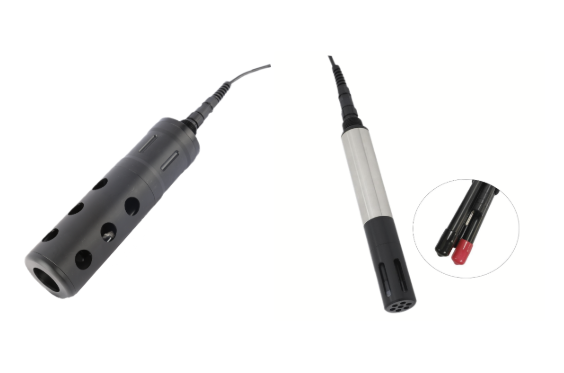
SSEA-NH4X Ammonia Nitrogen Sensor
In stock
SKU:
SSEA-NH4X
The SSEA-NH4X Ammonia Nitrogen Sensor refers to the nitrogen present in water as free ammonia (NH3) and ammonium ions (NH4+). It is an advanced digital probe that measures ammonium nitrogen levels using reagent-free Ion-Selective Electrode (ISE) technology. It features automatic pH and temperature compensation, an RS485 Modbus output, and an integrated self-cleaning wiper to deliver real-time data for wastewater, aquaculture, and surface water tracking.
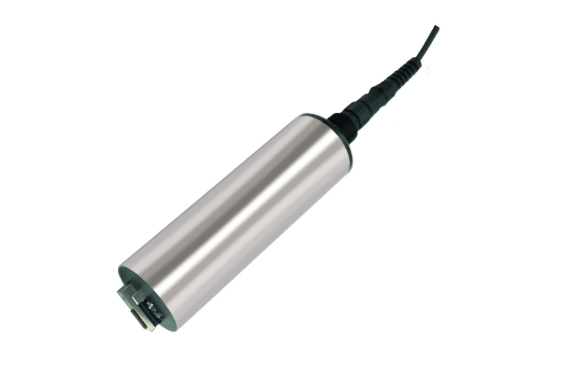
SSEA-TSSX Total Suspended Solids Sensor
In stock
SKU:
SSEA-TSSX
The SSEA-TSSX Sensor is a heavy-duty digital probe designed for continuous tracking of total suspended solids in demanding environments. Utilizing advanced near-infrared light scattering technology [ISO7027], it provides real-time mg/L or ppm readings without manual filtration. Equipped with a motorized self-cleaning wiper, an RS485 Modbus output, and scratch-resistant sapphire windows, it delivers stable, maintenance-free operation across diverse water applications.