



 Pressure

Bourdon Tube
7 products
Boiler
2 productsChemical
3 products
Phenolic
1 product
Differential
7 products
Capsule
3 products
Test Pressure Gauge
5 products
Contact
4 products
Diaphragm
3 products
Diaphragm Seal
1 product
Digital
2 products
Pressure Transmitter
10 products
Pressure Switch
5 products
Load and Force
11 products
Accessories
15 products- Temperature
RTD
5 products
Bimetallic
2 products
Gas Filled
2 products
Non-Replaceable Inserts
3 products
Replaceable Inserts
4 products
Ceramic Protection
7 products
Mineral Insulated
4 products
Flameproof and Intrinsically Safe
7 products
Surface and Machinery
30 products
Food and Pharma
7 products
HVAC
9 products
Acids, Alkalis, Salts
4 products
Temperature Switch
1 product
Thermowell
16 products
Indicator, Controller
8 products
Accessories
9 products
Humidity
7 productsThermocouple
50 products
Cable Sensors
38 productsHead Sensors
9 products
High Temperature
6 products
Temperature Transmitter
6 products - Flow

Electro Magnetic
2 products
Vortex
3 products
Swirl
1 product
Ultrasonic
7 products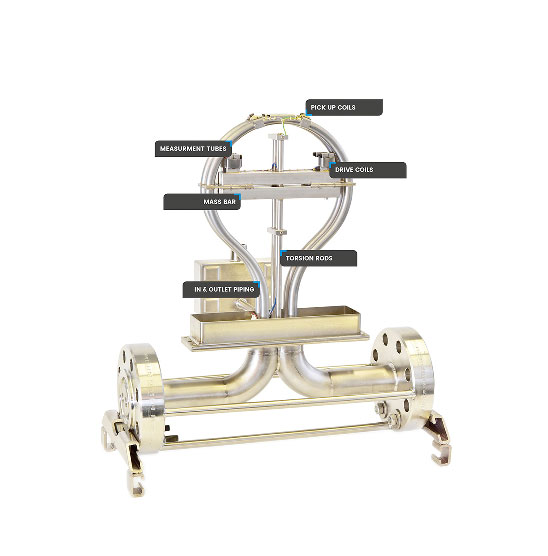
Coriolis Mass Flowmeter
28 products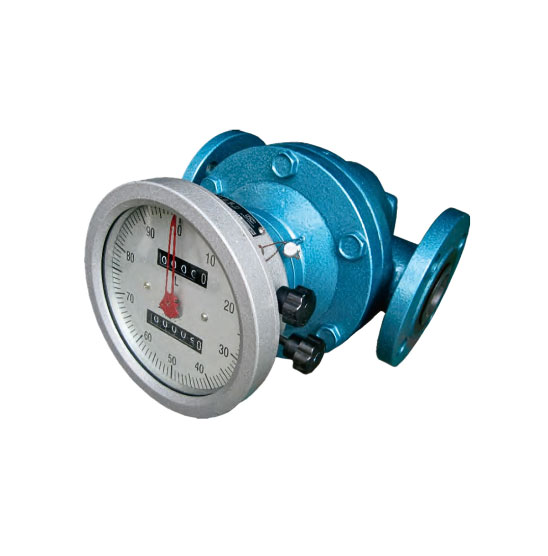
Positive Displacement
6 products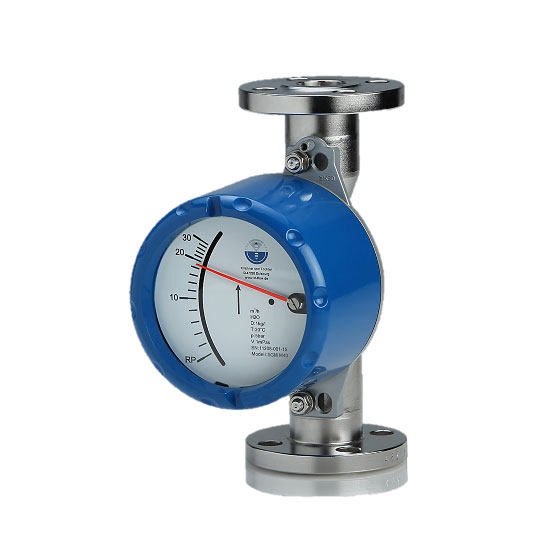
Variable Area
1 product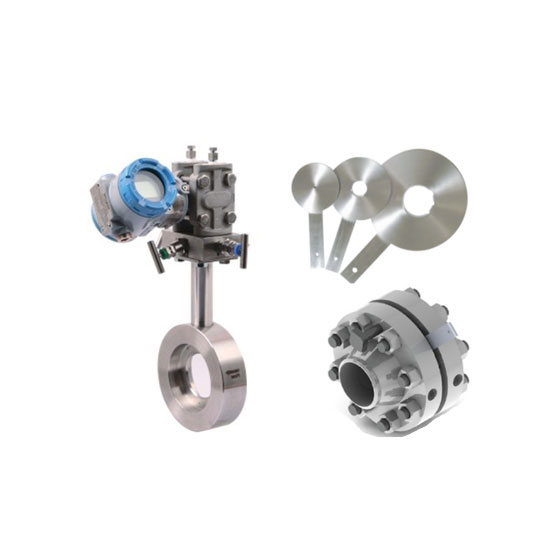
Differential Pressure
7 products
Turbine
4 products
Flap
1 product
Side Glass
1 product
Thermal gas
5 products
Air Flow/Quality
11 products
Flow Switch
9 products
Flow Computer
3 products
Flow Accessories
2 products
Dosing/Batching
6 products - Level
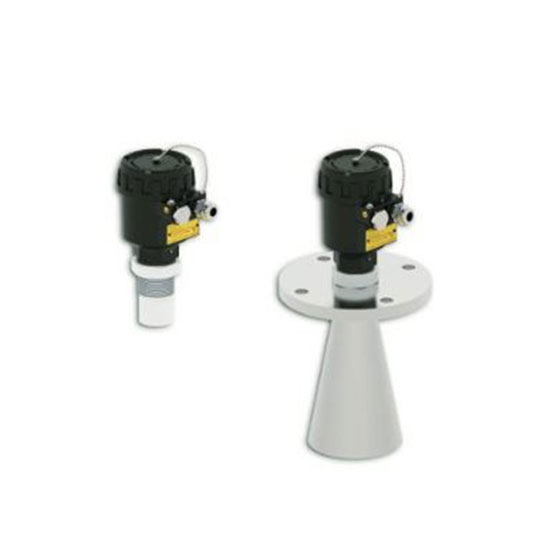
Radar
3 products
Ultrasonic
1 product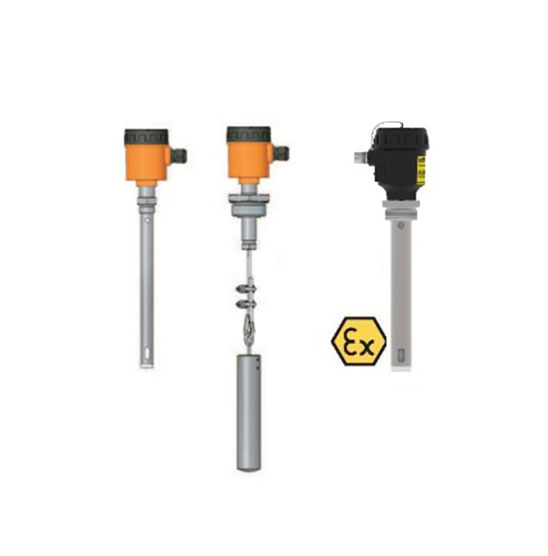
Capacitance
7 products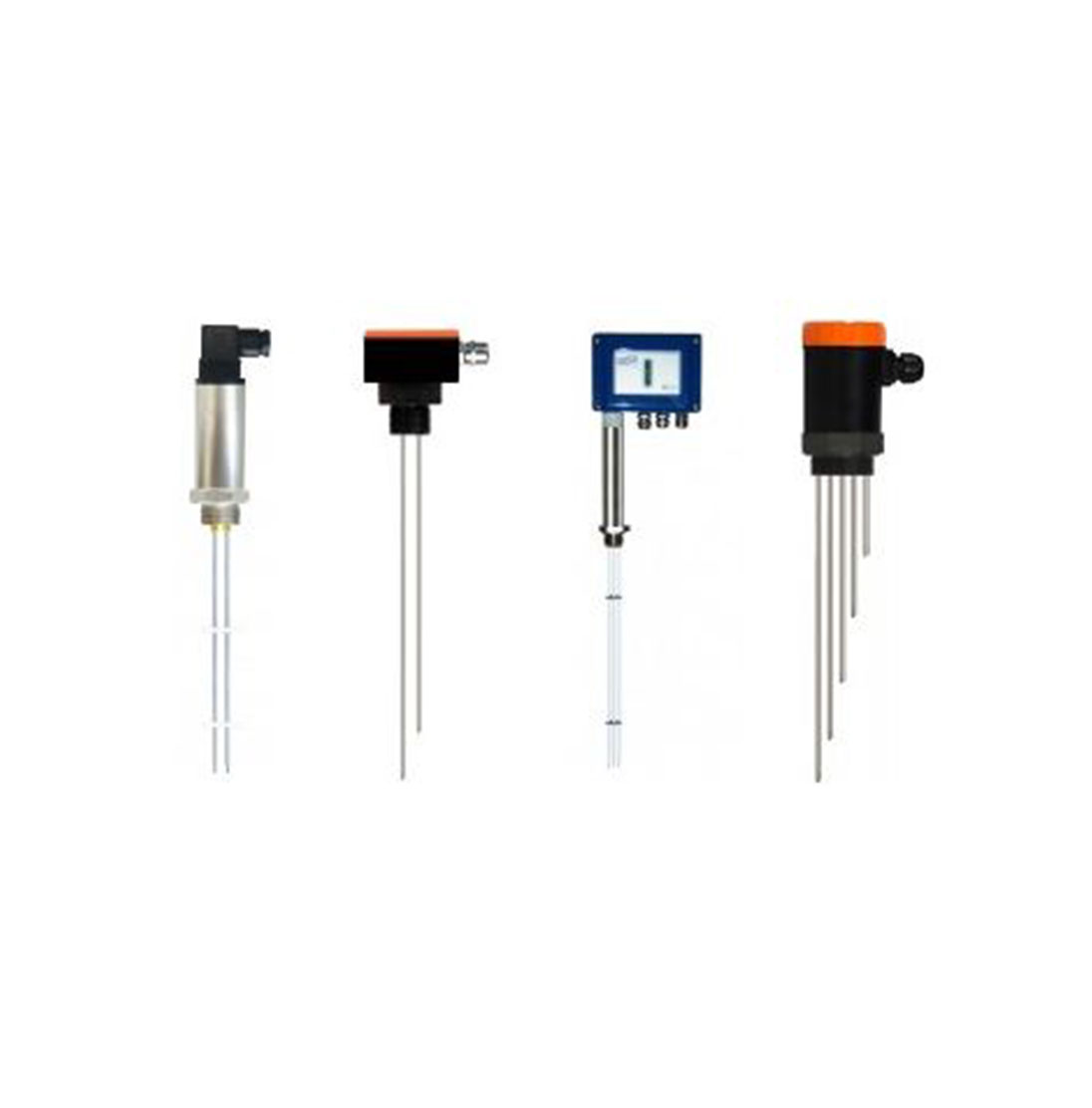
Conductivity
4 products
Magnetic
1 product
Float/Buoyancy
7 products
Level Indicator
3 products
Vibrating Rod
3 products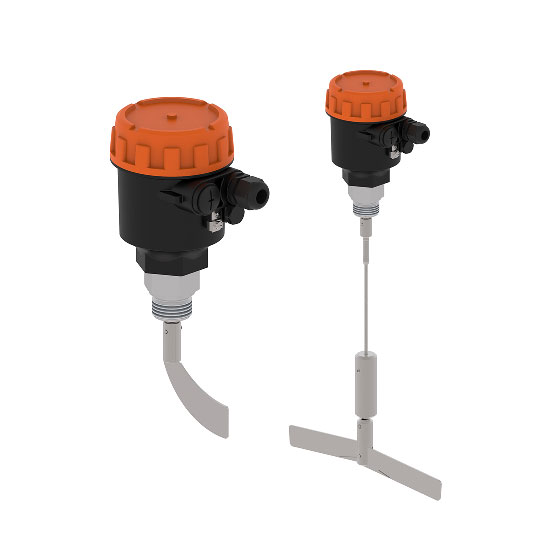
Rotary Paddle
2 products
Hydrostatic
2 products
Optical
1 product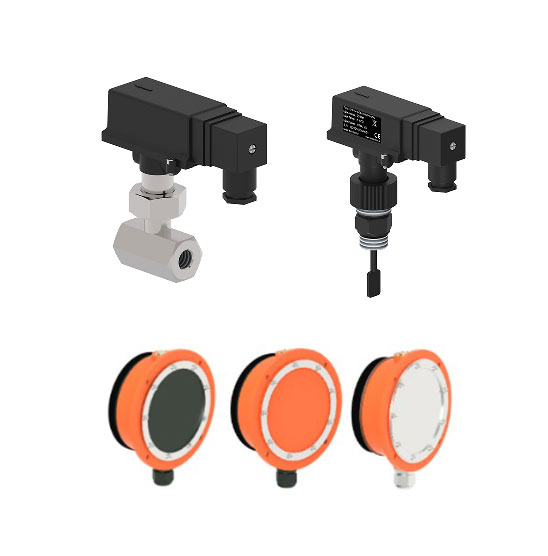
Level Switches
11 products - Calibration Devices
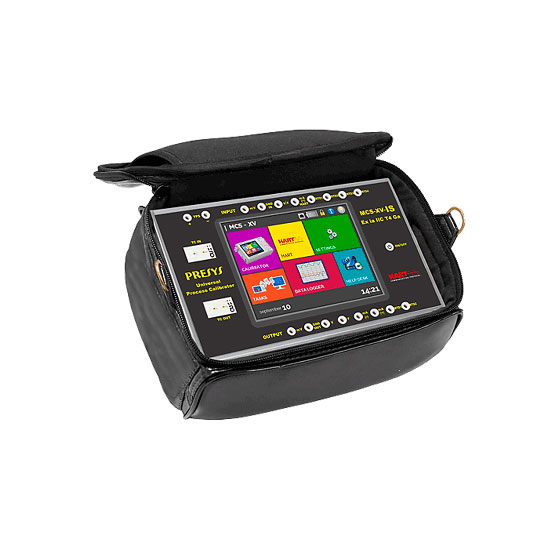
Multi Function Calibrators
2 products
Pressure Calibrators
4 products
Temperature Calibrators
6 products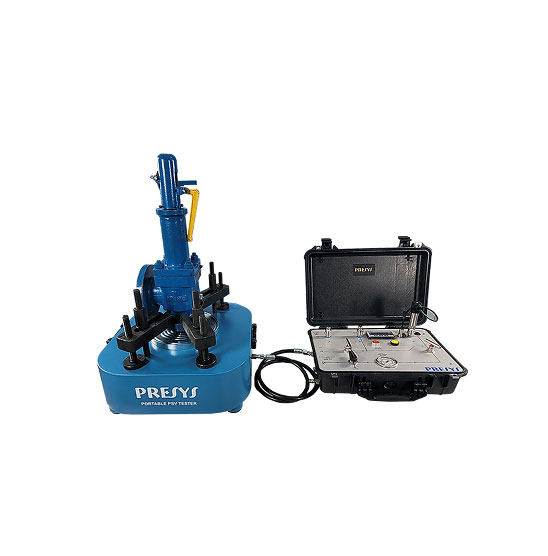
Valve Testing
1 product
Calibration Software
1 product  Valves
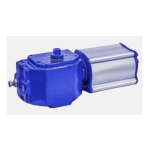
Actuator
1 product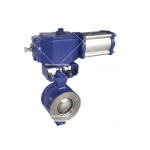
Ball Valves
2 products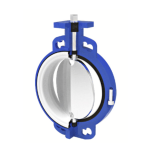
Butterfly Valves
3 products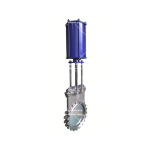
Gate Valves
2 products
Globe Valves
3 products- Analytical Sensors

Water Quality Sensors
16 products
Process Systems
11 products
Density and Concentration
12 products
Analytical Controller
2 products - Process Systems









SSEA-PHX digital pH Sensor
The SSEA-PHX digital pH sensor adopts a robust industrial-grade online electrode and an integrated temperature sensor for automatic temperature compensation, rendering it highly suitable for long-term online monitoring applications. It features an RS485 communication interface and supports the standard MODBUS protocol, enabling networking and system integration without the need for an external controller. It is extensively utilized in various fields, including water quality treatment, hydrological monitoring, wastewater management, swimming pools, industrial control systems, and biological application.
Description
Description
SSEA-PHX Digital pH Sensor: Features, Models, Specifications, and Applications
pH is a logarithmic measurement that indicates the acidity or alkalinity of a water sample. The pH scale typically ranges from 0 to 14, based on hydrogen ion activity. A pH below 7 indicates acidity, while a pH above 7 indicates alkalinity.
The SSEA-PHX Digital pH Sensor uses a high-performance industrial glass electrode to measure pH continuously. In addition, its built-in temperature sensor supports automatic temperature compensation. The sensor also features RS-485 communication with the MODBUS protocol, allowing integration with compatible monitoring and control systems.
With its digital output and submersible design, the SSEA-PHX supports continuous pH monitoring in wastewater treatment, aquaculture, industrial processes, and environmental water quality applications.
Key Features of the SSEA-PHX Digital pH Sensor
- Digital Communication: Supports RS-485 communication and the MODBUS protocol for integration with compatible PLC, SCADA, and monitoring systems.
- Industrial Glass Electrode: Uses an industrial-grade glass electrode for continuous online pH measurement.
- Automatic Temperature Compensation: Includes an integrated temperature sensor to compensate for temperature-related changes in electrode response.
- Interference Resistance: Features a digital interface designed to support reliable signal transmission in suitable industrial environments.
- Calibration Data Storage: Stores calibration data inside the sensor to simplify installation and commissioning.
- Low-Maintenance Design: Supports routine online monitoring. However, regular inspection, cleaning, and calibration may still be necessary depending on process conditions.
- Submersible Installation: The SSEAPHX-A model supports submersible mounting for continuous water quality monitoring.
SSEA-PHX Digital pH Sensor Models
The SSEA-PHX product range includes digital pH measurement options for different installation and monitoring requirements. Confirm the exact model configuration and compatibility with the manufacturer before selection.

- Digital Online pH Sensor: An industrial-grade digital probe designed for continuous immersion and long-term water quality monitoring.
- Digital ORP/pH Combination Probe: A related electrochemical sensor option designed for oxidation-reduction potential (ORP) or pH measurement, depending on the specific model configuration.
- Multi-Parameter Integration Module: A sensor configuration designed for integration with compatible multi-parameter monitoring platforms, including specified deep-water sonde systems.
SSEA-PHX Digital pH Sensor Technical Specifications
The following table compares the main specifications of the SSEAPHX-A and SSEAPHX-B digital pH sensors.
| Parameter | SSEAPHX-A pH Sensor | SSEAPHX-B pH Sensor |
|---|---|---|
| Measurement Principle | Glass electrode method | Glass electrode method |
| Measurement Range | 0–14 pH | 0–14 pH |
| Accuracy | ±0.02 pH | ±0.02 pH |
| Resolution | 0.01 pH | 0.01 pH |
| Ingress Protection | IP68 | IP68 |
| Maximum Pressure | 3 bar | 3 bar |
| Operating Temperature | 0–50°C | 0–50°C |
| Communication | RS-485, MODBUS | RS-485, MODBUS |
| Power Consumption | 0.3 W | 0.3 W |
| Suggested Power Supply | DC 12–24 V, ≥1 A | DC 12–24 V, ≥1 A |
| Mounting / Connection | NPT 3/4 thread, submersible mounting | Connects to a compatible multi-parameter parent unit |
| Dimensions (Without Protective Cover) | Ø28 × 194 mm | Ø22 × 165.6 mm |
| Probe Cable Length | 10 m standard; customizable | Not specified |
| Body Material | POM and titanium (Ti) | POM and titanium (Ti) |
| Calibration | Two-point or three-point calibration | Two-point or three-point calibration |
Note: Verify the specifications, mounting dimensions, power requirements, communication settings, and calibration procedure against the official datasheet before installation. Sensor performance may depend on operating conditions and maintenance practices.
Working Principle of the SSEA-PHX Digital pH Sensor
The SSEA-PHX measures pH using the glass electrode potential difference method. Its integrated electronics convert the electrode signal into a digital measurement for transmission to a compatible monitoring system.
- Hydrogen Ion Detection: The glass electrode has a specialized membrane that responds to hydrogen ion activity in the sample. When immersed in water, the membrane develops an electrical potential related to the sample’s pH.
- Reference Potential: A reference electrode provides a stable comparison potential. The sensor measures the voltage difference between the measuring electrode and the reference electrode.
- Temperature Measurement: The integrated temperature sensor measures the sample temperature. The sensor can use this information to compensate for temperature-related changes in electrode response.
- Signal Processing: The internal electronics process the measured potential and convert it into a pH value.
- Digital Data Transmission: The sensor transmits the measurement through RS-485 using the MODBUS protocol to a compatible controller or monitoring system.
This integrated design reduces the need for a separate signal conversion unit. However, the sensor still requires a compatible power supply, suitable communication settings, and appropriate calibration to provide reliable measurements.
Applications of the SSEA-PHX Digital pH Sensor
- Wastewater Treatment: Monitor pH in biological treatment processes, neutralization tanks, and wastewater discharge systems. Maintaining the required pH range helps support biological treatment and process control.
- Municipal Water Treatment: Track pH during water treatment, filtration, and storage to support water quality control.
- Aquaculture and Fish Hatcheries: Monitor pond and tank water chemistry to help maintain suitable conditions for aquatic organisms.
- Industrial Process Monitoring: Measure pH in chemical processing, cooling water systems, and other industrial applications that require pH control.
- Environmental Water Monitoring: Measure pH in rivers, lakes, reservoirs, and other water bodies using a suitable installation configuration.
- Discharge Monitoring: Track wastewater pH before discharge to help operators assess compliance with applicable process and environmental requirements.
Installation and Maintenance Considerations
To maintain reliable pH measurements, select a suitable installation location and follow the manufacturer’s operating instructions.
- Confirm that the sensor’s materials are compatible with the sample.
- Keep the glass electrode clean and follow the recommended cleaning procedure.
- Calibrate the sensor using suitable pH buffer solutions according to the manufacturer’s instructions.
- Check the power supply, RS-485 wiring, communication address, and MODBUS settings during commissioning.
- Ensure that operating pressure and temperature remain within the specified limits.
- Inspect the electrode regularly and replace it when its performance deteriorates.
The SSEA-PHX Digital pH Sensor combines industrial glass electrode technology, integrated temperature measurement, and digital communication in a compact instrument. Its continuous monitoring capability makes it suitable for wastewater treatment, aquaculture, environmental monitoring, and industrial process applications. Before selecting a model, confirm sensor compatibility, installation requirements, and operating conditions to ensure reliable performance.
Related products

RHOTEC L Laboratory Density & Concentration Meter
In stock
SKU:
Rhotec L
Achieve absolute, lab-grade precision in your batch liquid analysis and quality control audits. R&D centers, breweries, and chemical laboratories deploy the Centec RHOTEC density analysis page") to secure high-performance concentration measurements. Because this sophisticated benchtop analyzer tracks fluid density via an electromagnetically excited oscillating U-tube, it completely cuts out manual hydrometer errors and human reading bias. Consequently, your technical crew obtains pristine tracking data across extracts, alcohol levels, and multi-component mixtures within seconds.

SONATEC In-Line Sound Velocity & Concentration Transmitter
In stock
SKU:
Sonatec
Achieve absolute precision in your continuous liquid monitoring loops without process restrictions. Manufacturing plants, breweries, and chemical facilities deploy the Centec SONATEC system to track multi-blend solution states in real time. Because this high-performance inline sensor calculates concentration levels based on high-frequency sound wave velocity, it easily ignores high line pressures, viscous material coatings, and dark fluid color variations. Consequently, your production line gains continuous, automation-ready quality tracking that maximizes yield while lowering batch testing costs to zero.
SSEA-BGAX Blue Green Algae Sensor
In stock
SKU:
SSEA-BGAX
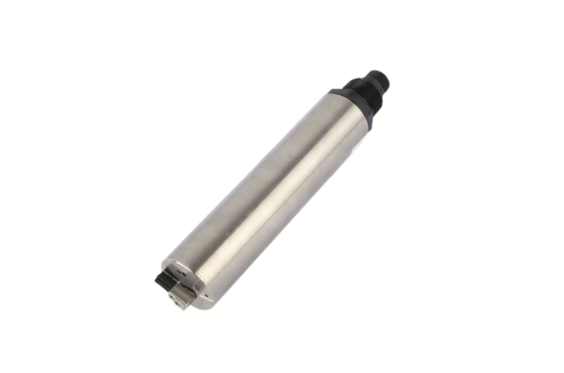
The SSEA-BGAX Blue-Green Algae Sensor is an advanced digital optical probe engineered for real-time tracking of cyanobacteria populations and early warning of harmful algal blooms. Utilizing high-sensitivity phycocyanin fluorescence detection, it monitors live algae concentrations directly in water bodies without complex sampling or chemical preparation. Featuring a submersible IP68 housing, integrated RS485 Modbus telemetry, and an optional motorized self-cleaning wiper, it provides continuous, maintenance-free water quality data across diverse aquatic environments.
SSEA-CONDX Conductivity Sensor
In stock
SKU:
SSEA-CONDX
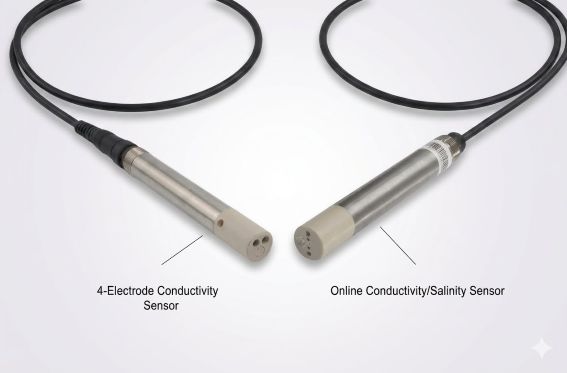
SSEA-CONDX digital conductivity sensors replace traditional two-electrode designs with high-precision four-electrode technology. They eliminate polarization effects, feature built-in automatic temperature compensation, and use an RS485 MODBUS protocol interface for simultaneous output of conductivity, salinity, total dissolved solids (TDS), and temperature. Housed in IP68 corrosion-resistant bodies, they are ideal for long-term deployment in surface water, wastewater, and aquaculture.