


 Pressure

Bourdon Tube
7 products
Boiler
2 productsChemical
3 products
Phenolic
1 product
Differential
7 products
Capsule
3 products
Test Pressure Gauge
5 products
Contact
4 products
Diaphragm
3 products
Diaphragm Seal
1 product
Digital
2 products
Pressure Transmitter
10 products
Pressure Switch
5 products
Load and Force
11 products
Accessories
15 products- Temperature
RTD
5 products
Bimetallic
2 products
Gas Filled
2 products
Non-Replaceable Inserts
3 products
Replaceable Inserts
4 products
Ceramic Protection
7 products
Mineral Insulated
4 products
Flameproof and Intrinsically Safe
7 products
Surface and Machinery
30 products
Food and Pharma
7 products
HVAC
9 products
Acids, Alkalis, Salts
4 products
Temperature Switch
1 product
Thermowell
16 products
Indicator, Controller
8 products
Accessories
9 products
Humidity
7 productsThermocouple
50 products
Cable Sensors
38 productsHead Sensors
9 products
High Temperature
6 products
Temperature Transmitter
6 products - Flow

Electro Magnetic
2 products
Vortex
3 products
Swirl
1 product
Ultrasonic
7 products
Coriolis Mass Flowmeter
28 products
Positive Displacement
6 products
Variable Area
1 product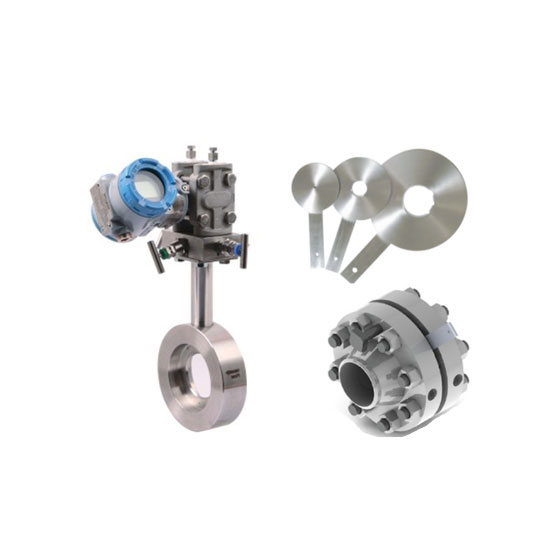
Differential Pressure
7 products
Turbine
4 products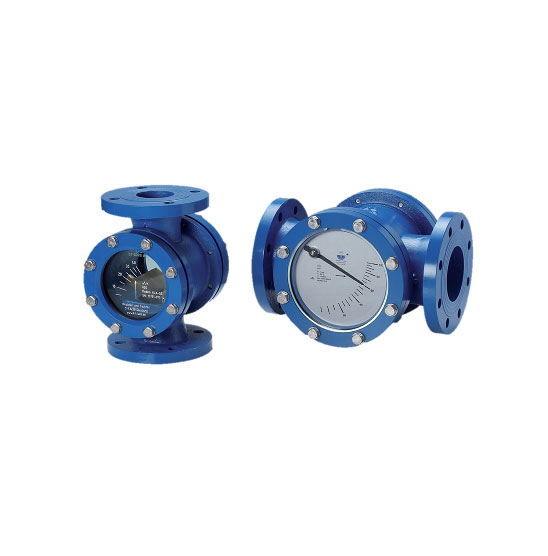
Flap
1 product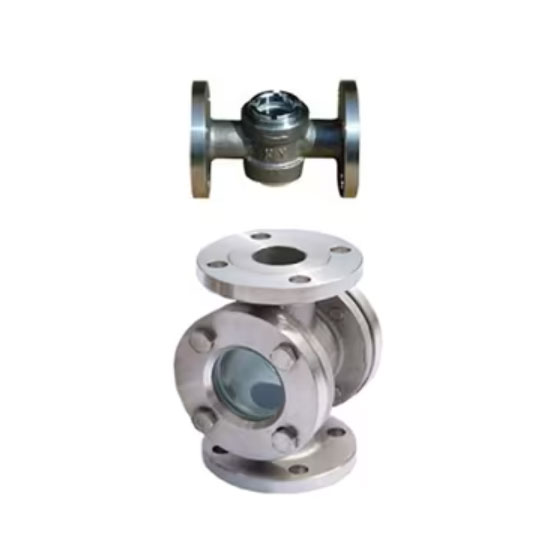
Side Glass
1 product
Thermal gas
5 products
Air Flow/Quality
11 products
Flow Switch
9 products
Flow Computer
3 products
Flow Accessories
2 products
Dosing/Batching
6 products - Level
Radar
3 products
Ultrasonic
1 product
Capacitance
7 products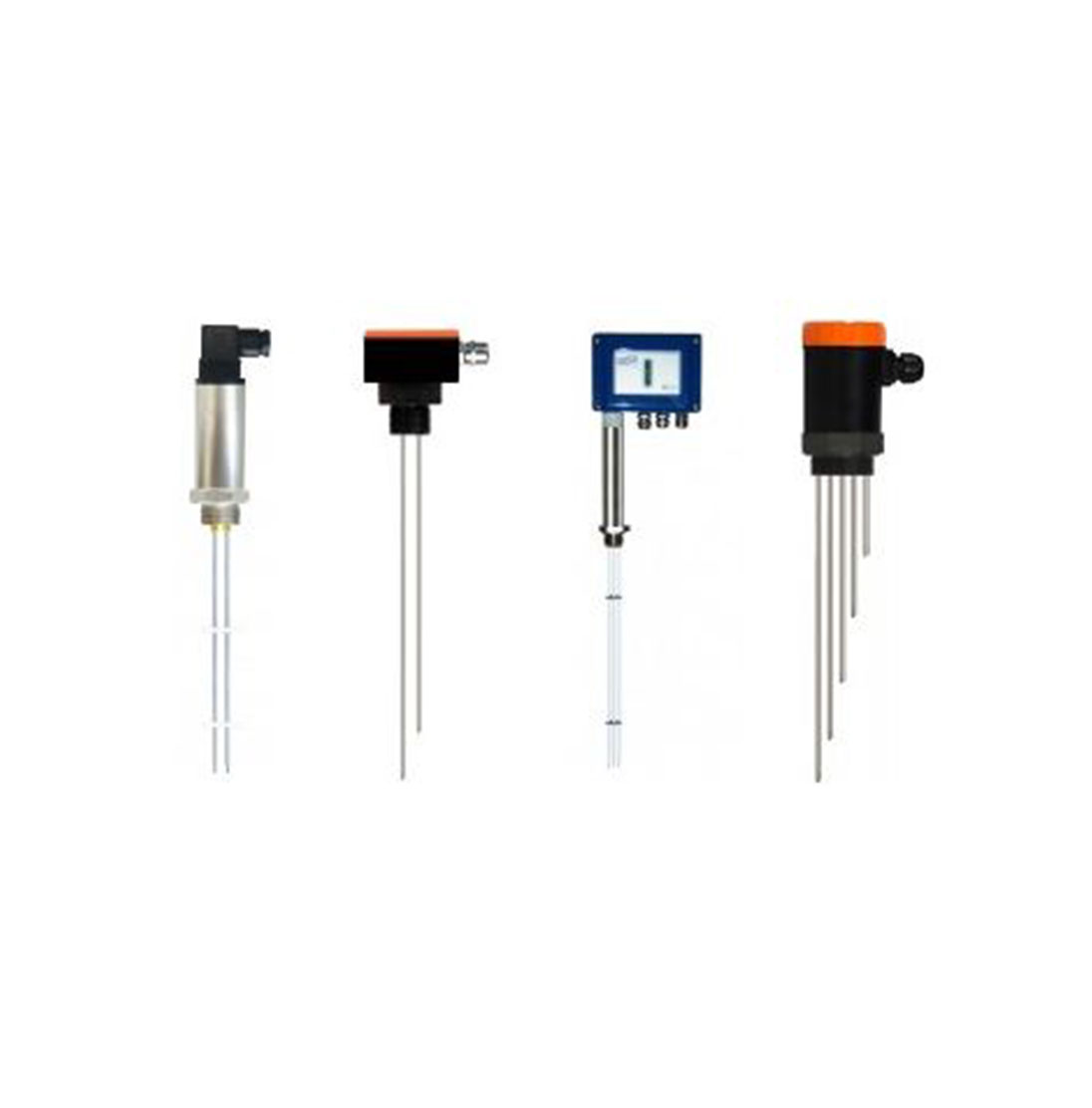
Conductivity
4 products
Magnetic
1 product
Float/Buoyancy
7 products
Level Indicator
3 products
Vibrating Rod
3 products
Rotary Paddle
2 products
Hydrostatic
2 products
Optical
1 product
Level Switches
11 products - Calibration Devices
Multi Function Calibrators
2 products
Pressure Calibrators
4 products
Temperature Calibrators
6 products
Valve Testing
1 product
Calibration Software
1 product  Valves
Actuator
1 product
Ball Valves
2 products
Butterfly Valves
3 products
Gate Valves
2 products
Globe Valves
3 products- Analytical Sensors

Water Quality Sensors
16 products
Process Systems
11 products
Density and Concentration
12 products
Analytical Controller
2 products - Process Systems






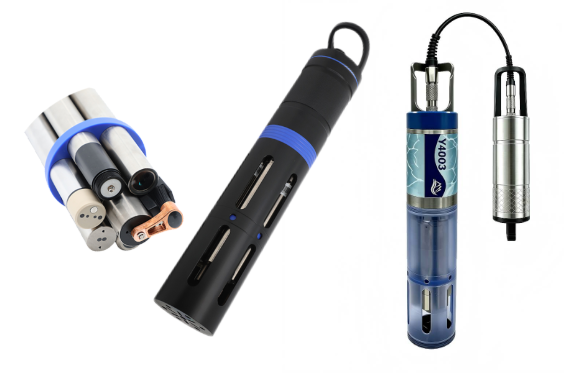

SSEA-MPSX Multiparameter Sonde
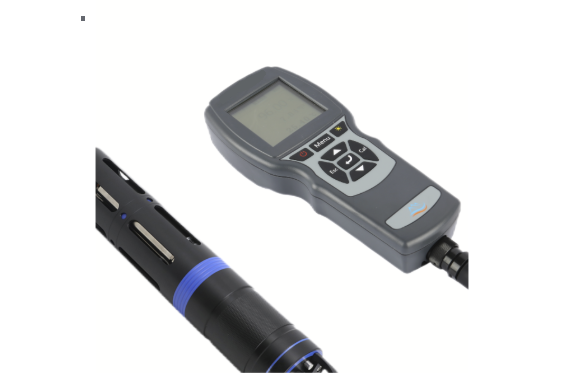
The SSEA-MPSX Multi-Parameter Sonde is an advanced all-in-one digital logging platform designed for comprehensive, real-time water quality profiling. The mother matrix houses up to six plug-and-play digital sensor channels alongside a programmable central self-cleaning brush to deliver stable data without biofouling bottlenecks. Engineered to capture up to seven parameters concurrently—including DO, pH, ORP, conductivity, turbidity, and algal metrics—this intelligent sonde stores calibration values directly inside each modular probe. This architecture enables rapid field swap-outs and effortless data expansion across harsh operational matrices.
Description
Description
The Schmierer SEA multiparameter water quality meter features a self-cleaning system. Consequently, it offers an easy solution for in-situ water quality monitoring. You can use it in rivers, lakes, streams, estuaries, or oceans. Additionally, the built-in wiper effectively cleans away debris and bubbles. As a result, it prevents bio-fouling during extended instrument deployments.
Furthermore, all calibration data saves directly into the sensor memory. This means the system easily supports field calibrations and field exchanges. In total, you can measure 7 parameters using 6 sensors simultaneously. These parameters include DO, CT, Turbidity, pH, ORP, Chlorophyll, BGA, Oil-in-Water, and NH4-N.
Models
- Online Multi-Parameter Sonde: This is the flagship multi-in-one monitoring platform. Specifically, it is configured for open surface streams, lakes, and standard pipelines. It features a depth rating of 0 to 30 meters.
- Deep-Water Multi-Parameter Sonde: This is a ruggedized industrial platform. Moreover, it is built entirely from high-grade, corrosion-resistant titanium. It features custom watertight connectors. Therefore, it is optimized for heavy pressure environments up to 200 meters deep.
- Powered Multi-Parameter Ecosonde: This specialized variant is engineered for ultra-low power consumption. Consequently, it is perfect for remote solar-backed setups or unattended telemetry buoys.
Product Specifications
- Sensor Port Capacity: The device features 6 standardized digital sensor ports. In addition, it includes 1 dedicated center interface for a motorized wiper.
- Parameter Adaptability: The system measures up to 7 parameters simultaneously. For example, you can choose from pH, ORP, ODO, CT/Salinity, Turbidity, BGA, Chlorophyll, NH4-N, or Oil-in-Water.
- Signal Output Infrastructure: It utilizes an RS-485 serial communication architecture. Specifically, it executes standard Modbus-RTU protocols for seamless RTU and PLC integration.
- System Response Time: The unit features high-efficiency data scanning. Thus, it provides a fast system response time of 30 seconds or less.
- Enclosure Submergence Rating: The device has a rugged IP68 industrial rating. Meanwhile, the housing is built using premium polyoxymethylene (POM) or titanium alloy.
Working Principle
Traditional arrays utilize individual analog transmitters. These require separate wiring runs. Unfortunately, they also suffer from severe cable signal loss. The Schmierer SEA sonde eliminates this friction. Instead, it leverages a decentralized smart digital sensor matrix architecture.
- Decentralized Hub: First, the main unit serves as a digital node hub. Each inserted probe operates as a fully autonomous RS485 digital instrument.
- Independent Methods: Next, each probe runs its own analytical tracking method. For instance, it uses dynamic luminescence quenching for DO, 90° scattered light for turbidity, or fluorescence excitation for pigments.
- Internal Processing: Meanwhile, calibration curves and algorithms are managed directly by each micro-sensor’s internal processor. Therefore, raw data translates into standardized units right inside the port line.
- Data Routing: Finally, the mother hub aggregates these clean digital Modbus streams. It then applies unified time-stamping. Next, it routes the data through a single consolidated communications line.
- Sensor Maintenance: The motorized central wiper automates physical fouling mitigation to preserve long-term electrochemical accuracy.
Related products

COMBITEC Three-Component Concentration Sensor
In stock
SKU:
Combitec
Achieve ultimate measurement accuracy in your complex three-component liquid processing lines. Chemical, beverage, and pharmaceutical plants deploy the Centec COMBITEC analytical array to monitor overlapping fluid dynamics simultaneously. Because this elite inline sensor blends high-frequency density tracking with ultrasonic sound velocity technology in a single compact footprint, it breaks through data limits that traditional single-parameter tools cannot solve. Consequently, your processing floor achieves flawless, real-time concentration tracking across multi-blended solutions while cutting process loop footprints in half.

SSEA-CODX Chemical Oxygen Demand Sensor
In stock
SKU:
SSEACODX
The SSEACODX self cleaning COD Sensor delivers reagent-free, real-time tracking of organic pollutants in water. Utilizing advanced UVC LED absorption at 254 nm, it features automatic turbidity compensation and an integrated self-cleaning wiper to ensure stable, low-maintenance online operation across municipal and industrial wastewater applications.
This proven technology provides reliable and accurate analysis of organic pollutants for water quality monitoring at low cost and low maintenance. With rugged design, and integrated turbidity compensation, it is an excellent solution for continuous monitoring of source water, surface water, municipal and industrial wastewater.
SSEA-NH4X Ammonia Nitrogen Sensor
In stock
SKU:
SSEA-NH4X
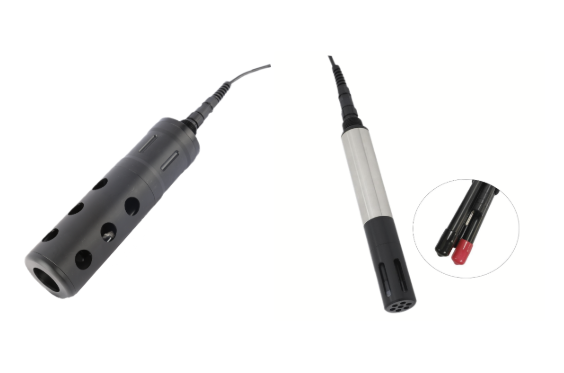
The SSEA-NH4X Ammonia Nitrogen Sensor refers to the nitrogen present in water as free ammonia (NH3) and ammonium ions (NH4+). It is an advanced digital probe that measures ammonium nitrogen levels using reagent-free Ion-Selective Electrode (ISE) technology. It features automatic pH and temperature compensation, an RS485 Modbus output, and an integrated self-cleaning wiper to deliver real-time data for wastewater, aquaculture, and surface water tracking.
SSEA-NO3X Nitrate Sensor
In stock
SKU:
SSEA-NO3X
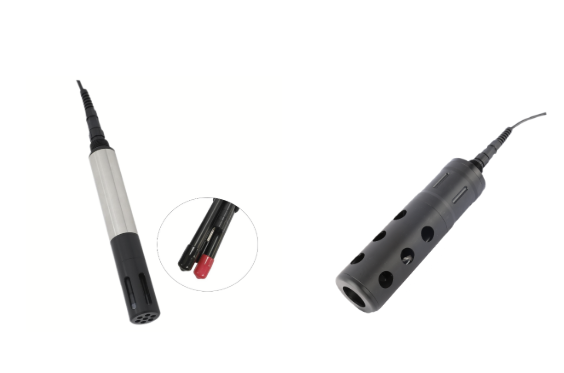
The SSEA-NO3X Nitrate Sensor is an industrial-grade digital probe engineered for continuous, real-time tracking of nitrate ions in aqueous solutions. Eliminating the need for dangerous chemical reagents or complex laboratory prep, this eco-friendly device utilizes advanced Ion-Selective Electrode (ISE) technology to achieve highly precise, instant measurements. Equipped with high-performance PVC membranes, an integrated RS485 Modbus interface, and an optional motorized self-cleaning wiper, it provides robust anti-interference capabilities and stable field operations.