


 Pressure

Bourdon Tube
7 products
Boiler
2 productsChemical
3 products
Phenolic
1 product
Differential
7 products
Capsule
3 products
Test Pressure Gauge
5 products
Contact
4 products
Diaphragm
3 products
Diaphragm Seal
1 product
Digital
2 products
Pressure Transmitter
10 products
Pressure Switch
5 products
Load and Force
11 products
Accessories
15 products- Temperature
RTD
5 products
Bimetallic
2 products
Gas Filled
2 products
Non-Replaceable Inserts
3 products
Replaceable Inserts
4 products
Ceramic Protection
7 products
Mineral Insulated
4 products
Flameproof and Intrinsically Safe
7 products
Surface and Machinery
30 products
Food and Pharma
7 products
HVAC
9 products
Acids, Alkalis, Salts
4 products
Temperature Switch
1 product
Thermowell
16 products
Indicator, Controller
8 products
Accessories
9 products
Humidity
7 productsThermocouple
50 products
Cable Sensors
38 productsHead Sensors
9 products
High Temperature
6 products
Temperature Transmitter
6 products - Flow

Electro Magnetic
2 products
Vortex
3 products
Swirl
1 product
Ultrasonic
7 products
Coriolis Mass Flowmeter
28 products
Positive Displacement
6 products
Variable Area
1 product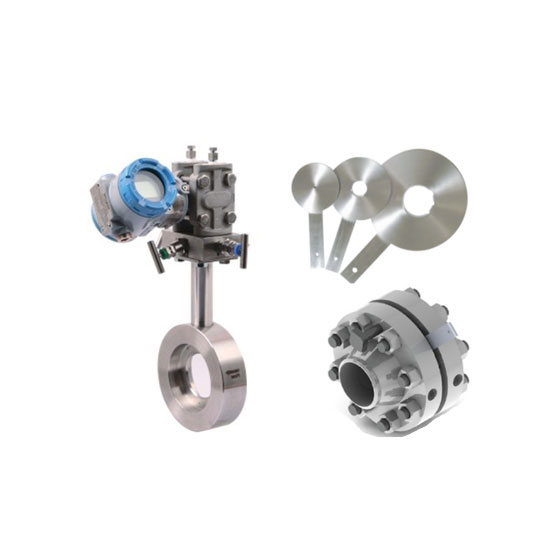
Differential Pressure
7 products
Turbine
4 products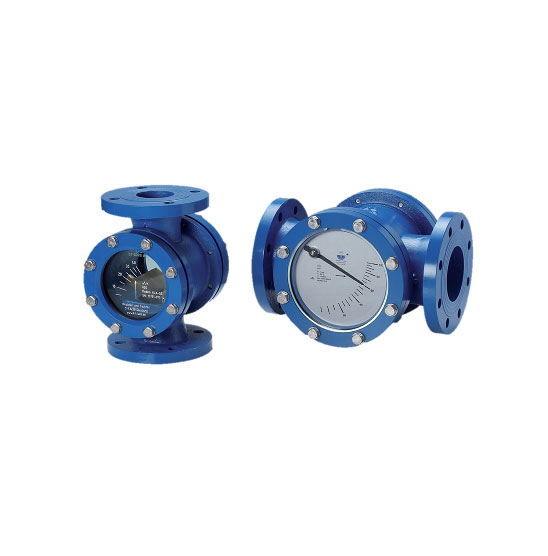
Flap
1 product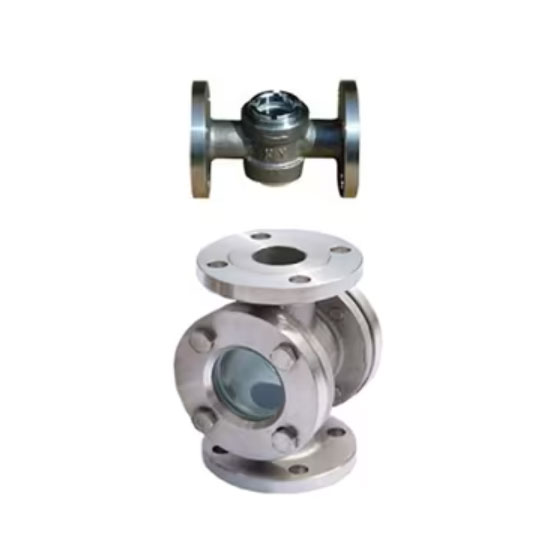
Side Glass
1 product
Thermal gas
5 products
Air Flow/Quality
11 products
Flow Switch
9 products
Flow Computer
3 products
Flow Accessories
2 products
Dosing/Batching
6 products - Level
Radar
3 products
Ultrasonic
1 product
Capacitance
7 products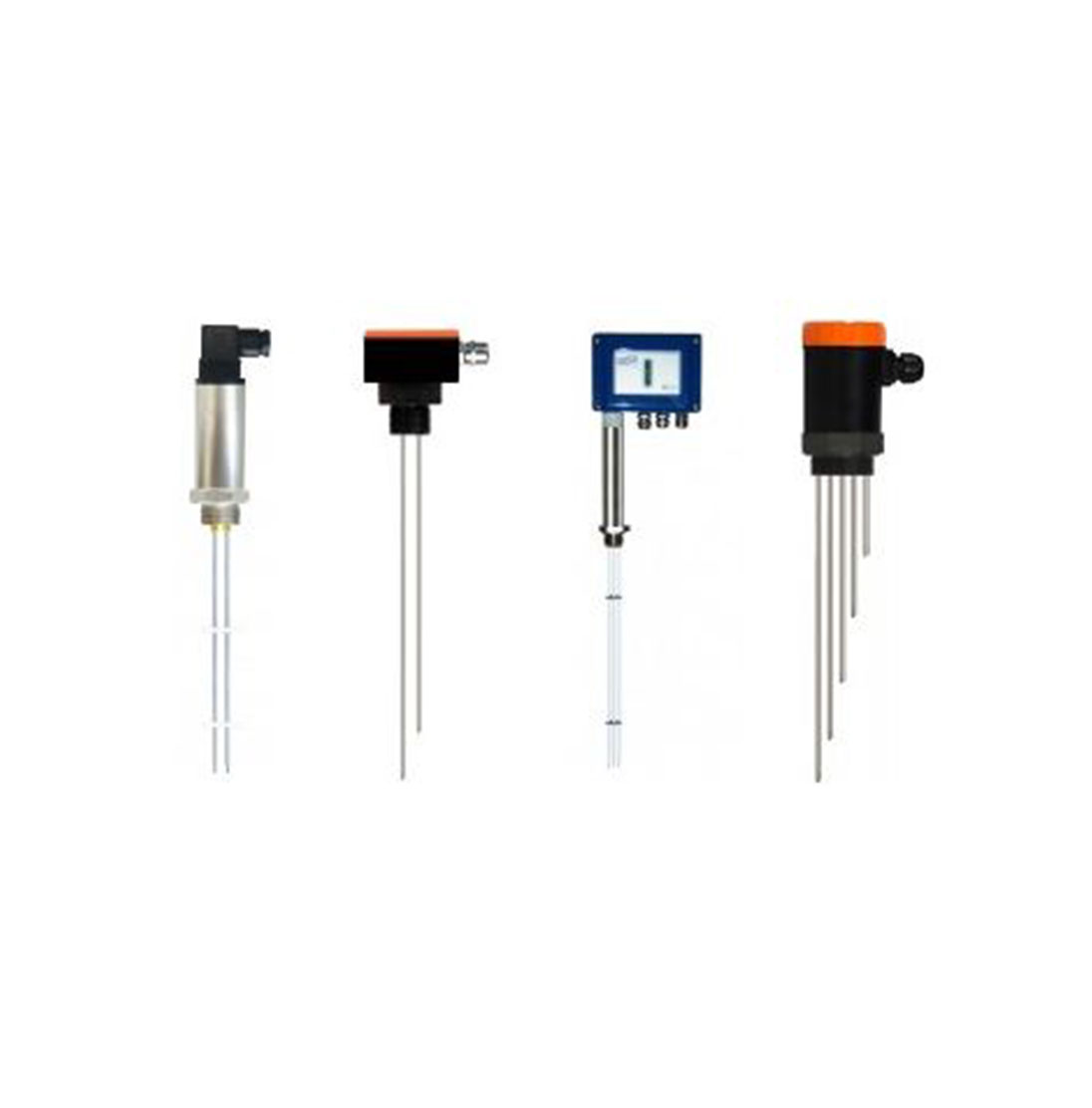
Conductivity
4 products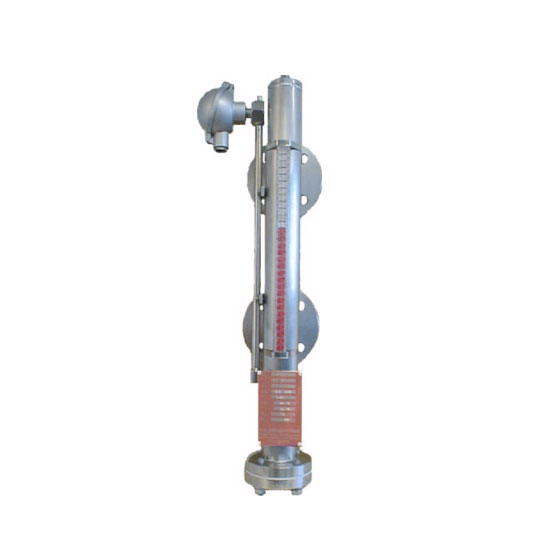
Magnetic
1 product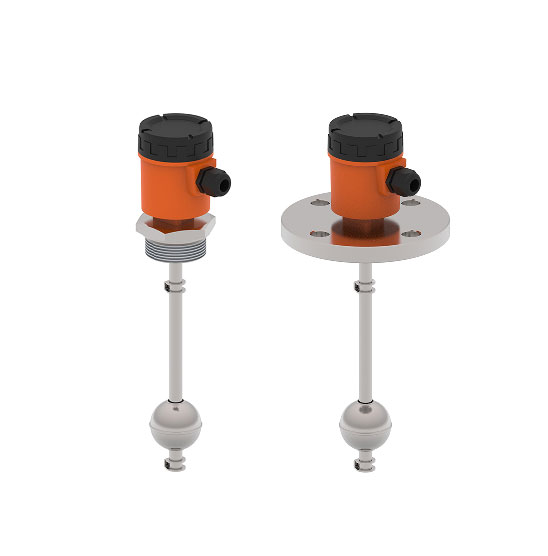
Float/Buoyancy
7 products
Level Indicator
3 products
Vibrating Rod
3 products
Rotary Paddle
2 products
Hydrostatic
2 products
Optical
1 product
Level Switches
11 products - Calibration Devices
Multi Function Calibrators
2 products
Pressure Calibrators
4 products
Temperature Calibrators
6 products
Valve Testing
1 product
Calibration Software
1 product  Valves
Actuator
1 product
Ball Valves
2 products
Butterfly Valves
3 products
Gate Valves
2 products
Globe Valves
3 products- Analytical Sensors

Water Quality Sensors
16 products
Process Systems
11 products
Density and Concentration
12 products
Analytical Controller
2 products - Process Systems






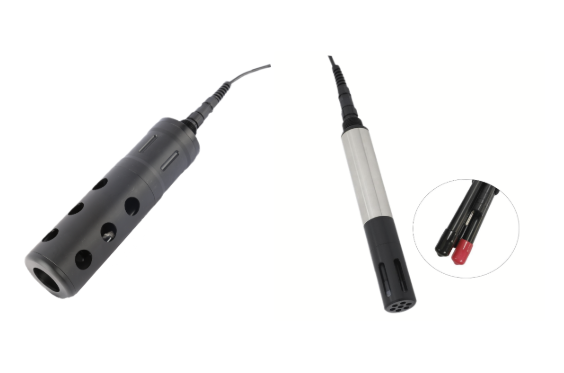
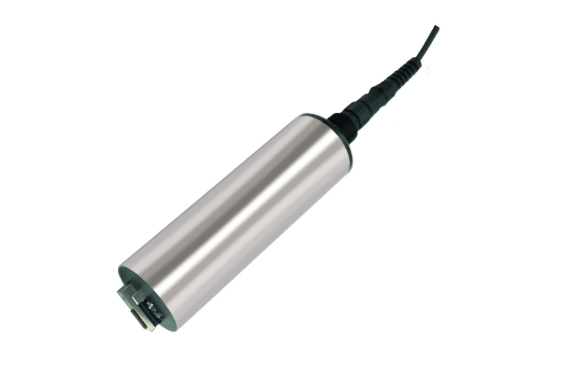

SSEA-TSSX Total Suspended Solids Sensor
The SSEA-TSSX Sensor is a heavy-duty digital probe designed for continuous tracking of total suspended solids in demanding environments. Utilizing advanced near-infrared light scattering technology [ISO7027], it provides real-time mg/L or ppm readings without manual filtration. Equipped with a motorized self-cleaning wiper, an RS485 Modbus output, and scratch-resistant sapphire windows, it delivers stable, maintenance-free operation across diverse water applications.
Description
Description
Total Suspended Solids (TSS) refers to the amount of solid particles suspended in water. These particles do not dissolve. Instead, they remain dispersed. Specifically, they include materials like silt, plankton, industrial wastes, and sewage. Consequently, high TSS levels can drastically reduce water clarity and harm aquatic life. Therefore, measuring TSS is crucial for active water quality monitoring and environmental management.
Models
- Online TSS Sensor: This is the standard digital suspended solids probe. Notably, it is optimized for mid-range monitoring up to 4,000 mg/L or 15,000 mg/L.
- High-Range TSS Probe: This is a heavy-duty sludge density module. Specifically, it is engineered to track intense slurry and activated sludge columns up to 50,000 mg/L.
Technical Specifications
- Signal Architecture: The device features an RS-485 serial data connection. Therefore, it is fully compatible with standard MODBUS-RTU automation loops.
- Fouling Defenses: It includes an integrated, programmable motorized wiper assembly. As a result, it reliably strips away bubbles and biological growth.
- Optical Engineering: The probe uses custom sapphire window lens structures. Consequently, it resists abrasive particle scratches and scaling.
- Environmental Shielding: It is housed in a robust IP68 submersible chassis. Thus, it is safely rated for long-term tracking down to depths of 30 meters.
- Compensation Firmware: The probe includes built-in automatic temperature correction routines. Meanwhile, these routines run concurrently inside the core matrix.
Working Principle
Traditional laboratory TSS measurement requires manual sample collection. Unfortunately, this demands 2-micron paper vacuum filtration and prolonged oven drying. Our sensors circumvent this labor-intensive process entirely. Instead, they utilize a combined infrared scattered light measurement principle that conforms strictly to the ISO7027 optical standardization protocol.
- Light Projection: First, the probe’s internal near-infrared (NIR) transmitter projects a custom light beam. This beam travels through a sapphire optical window directly into the water stream.
- Particle Scattering: Next, this light stream meets physical, non-dissolved floating particles like silt or industrial waste. Immediately after, these micro-particles scatter the light energy.
- Signal Capture: Meanwhile, a highly sensitive photodetector captures the exact intensity of this scattered light. Notably, the scattered near-infrared light signature is directly proportional to the total concentration of suspended solids.
- Data Processing: Finally, the onboard adaptive software algorithms process the raw signal. Consequently, they calculate instant mg/L or ppm data while eliminating background color and ambient light interferences.
Applications
- Wastewater Sludge Management: Operators use this sensor for continuous monitoring of mixed liquor suspended solids (MLSS). Additionally, it tracks activated sludge return loops inside municipal clarifiers.
- Industrial Effluent Compliance: In addition, it provides real-time tracking of water clarity. Thus, managers can instantly check physical debris loading at industrial discharge channels.
- Environmental Surface Water Monitoring: The module integrates into municipal river networks, remote coastal buoy systems, and drinking water reservoir intakes to log unexpected sediment loading and run-off events.
Related products

BRIX MONITOR In-Line Sugar Concentration Sensor
In stock
SKU:
Brix
Achieve absolute precision in your continuous sugar dosing and product quality control loops. Beverage, syrup refining, and food manufacturing plants deploy the [Centec BRIX MONITOR Inline Instrument](https://www.centec.de/en/product-page/brix-monitor "Centec Brix Monitor product page") to secure automated sugar saturation tracking. Because this high-performance sanitary sensor evaluates raw solution characteristics directly inside turbulent process piping, it eliminates manual titration delays entirely. Consequently, your facility guarantees uniform flavor profiles, exact syrup blending, and flawless compliance with global hygienic standards.
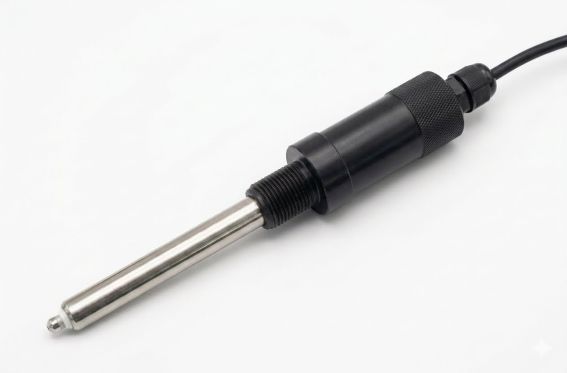
SSEA-FCHLX Free Chlorine Sensor
In stock
SKU:
SSEA-FCHLX
water quality monitoring with the digital SSEA-FCHLX free chlorine sensor: RS-485 Modbus communication, constant voltage precision, and zero reagent usage. It utilizes an advanced constant voltage method to deliver precise, real-time measurements of residual chlorine from 0–20 mg/L. Equipped with a built-in isolation design, in integrated temperature sensor with compensation and an RS-485 Modbus-RTU interface, this digital sensor ensures strong anti-interference performance and high reliability for drinking water, industrial processes, and swimming pool monitoring without requiring chemical reagents or frequent replacement parts.
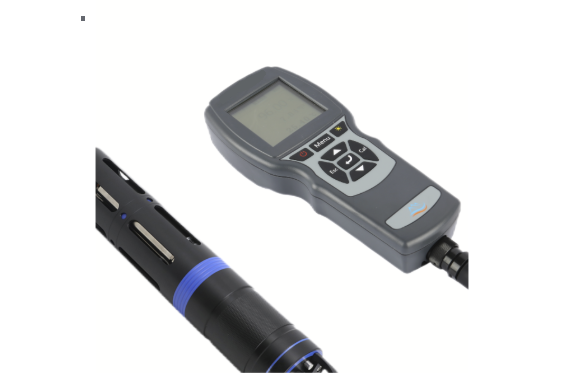
SSEA-HMSX Handheld Multiparameter Meter
In stock
SKU:
SSEA-HMSX
The SSEA-HMSX handheld meter is a rugged, microprocessor-based data terminal built for mobile environmental testing. Featuring a waterproof IP67 housing, an intuitive backlit LCD, and a built-in air pressure sensor, it automatically recognizes the digital SSEA sensors including DO, 4-electronic conductivity, turbidity, chlorophyll, BGA, OIW and TSS, (single or 5 multi-parameter digital probes)—allowing users to calibrate sensors, log up to 4,096 data points, and export via USB.
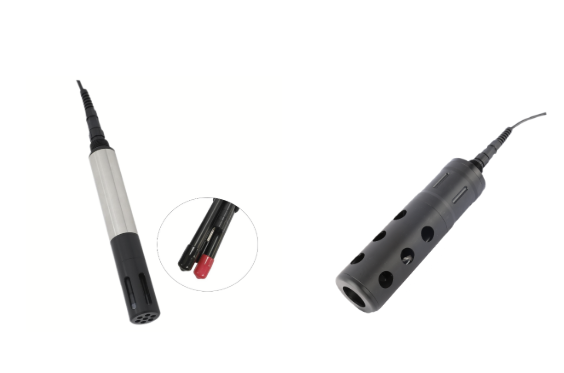
SSEA-NO3X Nitrate Sensor
In stock
SKU:
SSEA-NO3X
The SSEA-NO3X Nitrate Sensor is an industrial-grade digital probe engineered for continuous, real-time tracking of nitrate ions in aqueous solutions. Eliminating the need for dangerous chemical reagents or complex laboratory prep, this eco-friendly device utilizes advanced Ion-Selective Electrode (ISE) technology to achieve highly precise, instant measurements. Equipped with high-performance PVC membranes, an integrated RS485 Modbus interface, and an optional motorized self-cleaning wiper, it provides robust anti-interference capabilities and stable field operations.