



 Pressure

Bourdon Tube
7 products
Boiler
2 productsChemical
3 products
Phenolic
1 product
Differential
7 products
Capsule
3 products
Test Pressure Gauge
5 products
Contact
4 products
Diaphragm
3 products
Diaphragm Seal
1 product
Digital
2 products
Pressure Transmitter
10 products
Pressure Switch
5 products
Load and Force
11 products
Accessories
15 products- Temperature
RTD
5 products
Bimetallic
2 products
Gas Filled
2 products
Non-Replaceable Inserts
3 products
Replaceable Inserts
4 products
Ceramic Protection
7 products
Mineral Insulated
4 products
Flameproof and Intrinsically Safe
7 products
Surface and Machinery
30 products
Food and Pharma
7 products
HVAC
9 products
Acids, Alkalis, Salts
4 products
Temperature Switch
1 product
Thermowell
16 products
Indicator, Controller
8 products
Accessories
9 products
Humidity
7 productsThermocouple
50 products
Cable Sensors
38 productsHead Sensors
9 products
High Temperature
6 products
Temperature Transmitter
6 products - Flow

Electro Magnetic
2 products
Vortex
3 products
Swirl
1 product
Ultrasonic
7 products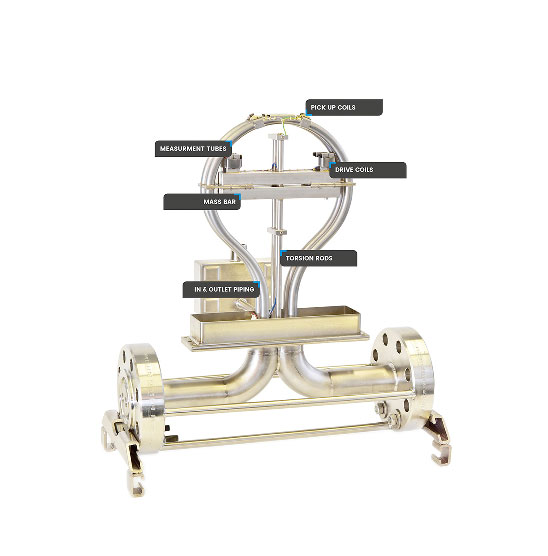
Coriolis Mass Flowmeter
28 products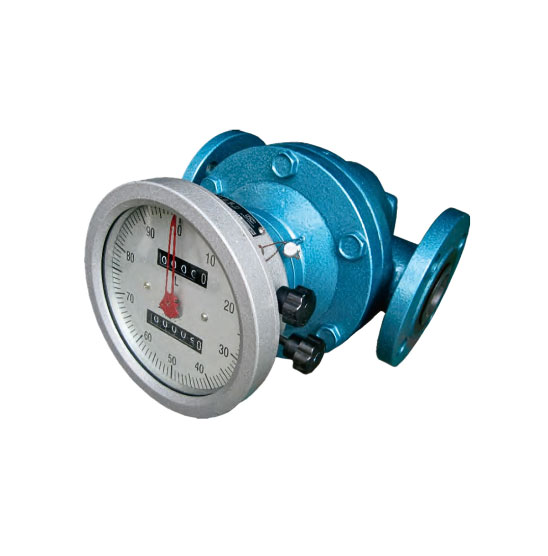
Positive Displacement
6 products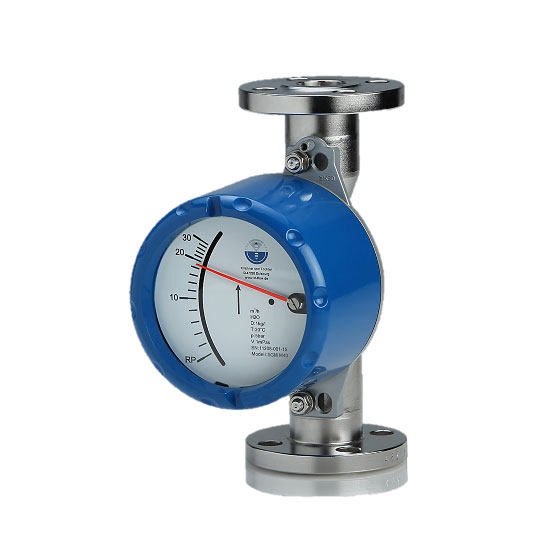
Variable Area
1 product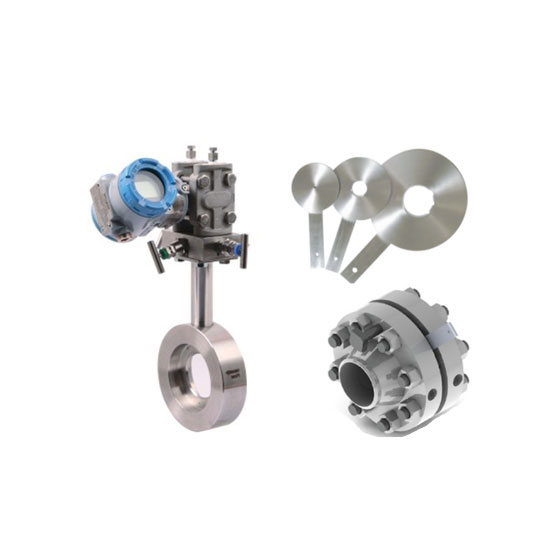
Differential Pressure
7 products
Turbine
4 products
Flap
1 product
Side Glass
1 product
Thermal gas
5 products
Air Flow/Quality
11 products
Flow Switch
9 products
Flow Computer
3 products
Flow Accessories
2 products
Dosing/Batching
6 products - Level
Radar
3 products
Ultrasonic
1 product
Capacitance
7 products
Conductivity
4 products
Magnetic
1 product
Float/Buoyancy
7 products
Level Indicator
3 products
Vibrating Rod
3 products
Rotary Paddle
2 products
Hydrostatic
2 products
Optical
1 product
Level Switches
11 products - Calibration Devices
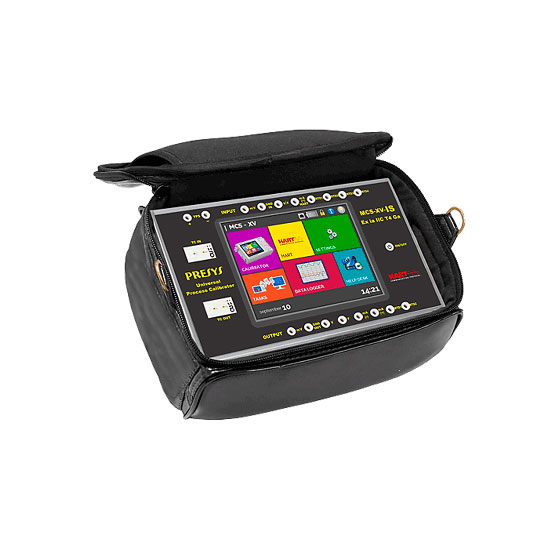
Multi Function Calibrators
2 products
Pressure Calibrators
4 products
Temperature Calibrators
6 products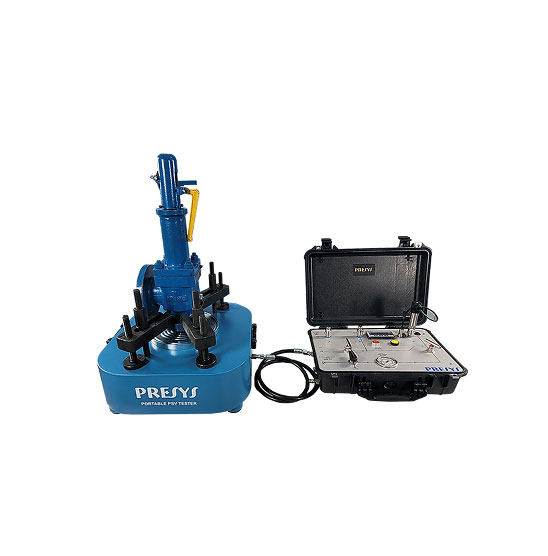
Valve Testing
1 product
Calibration Software
1 product  Valves
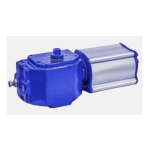
Actuator
1 product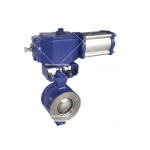
Ball Valves
2 products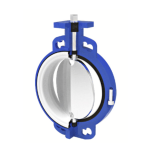
Butterfly Valves
3 products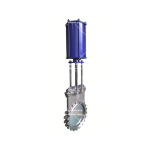
Gate Valves
2 products
Globe Valves
3 products- Analytical Sensors

Water Quality Sensors
16 products
Process Systems
11 products
Density and Concentration
12 products
Analytical Controller
2 products - Process Systems







SSEA-TURBX Turbidity Sensor
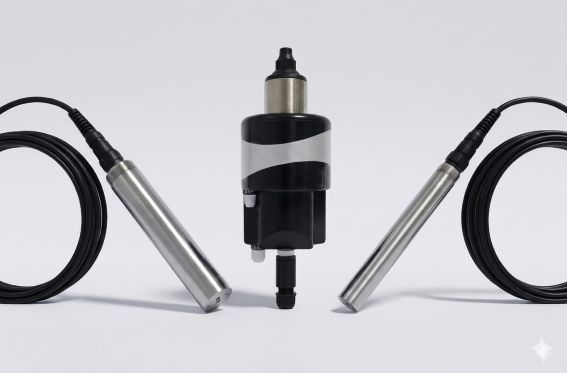
The Schmierer SEA SSEA-TURBX Turbidity Sensor is designed for continuous monitoring of water clarity in industrial, environmental, and water treatment applications. It measures turbidity caused by suspended particles, including sediment, organic matter, and other contaminants. By providing real-time turbidity data, the sensor helps operators monitor water quality and identify changes in treatment performance.
The SSEA-TURBX uses the 90° scattered-light measurement principle in accordance with ISO 7027. It features digital RS-485 Modbus RTU communication, a durable IP68-rated housing, and sapphire optical windows. Depending on the selected model, an automatic cleaning brush can help reduce bubble accumulation and biological fouling on the optical surface.
Description
Description
Key Features SSEA-TURBX Turbidity Sensor – Online Water Quality Monitoring
- Measurement principle: 90° scattered-light method in accordance with ISO 7027
- Continuous monitoring: Provides real-time turbidity measurements for water quality monitoring.
- Digital communication: RS-485 interface with Modbus RTU protocol.
- Durable construction: IP68-rated housing for demanding water monitoring environments.
- Sapphire optical windows: Provide a durable optical surface for long-term measurement.
- Automatic cleaning option: Selected models feature a motorized brush to help reduce bubbles and biological fouling.
Working Principle
The SSEA-TURBX measures turbidity by detecting light scattered by particles suspended in water.
- Light emission: The sensor directs light into the water through its optical window.
- Light scattering: Suspended particles scatter the light as it passes through the water.
- Optical detection: A photodetector positioned at 90° to the incident light measures the scattered light intensity.
- Signal processing: The sensor processes the detected signal and converts it into a turbidity reading.
- Data transmission: The measured turbidity value is transmitted through RS-485 Modbus RTU to a compatible monitoring or control system.
Higher concentrations of suspended particles generally produce greater scattered-light intensity. The sensor converts this response into a turbidity value, commonly expressed in Nephelometric Turbidity Units (NTU).
Typical Applications
- Drinking water treatment and distribution
- Wastewater treatment and effluent monitoring
- Industrial process water quality monitoring
- River, lake, and surface water monitoring
- Filtration performance monitoring
- Cooling water systems
- Environmental water quality assessment
Installation and Maintenance Considerations
Install the SSEA-TURBX according to the manufacturer’s instructions and the selected model’s requirements. Choose a representative measurement location and ensure that the optical windows remain properly exposed to the water sample.
Suspended solids, air bubbles, and biological growth can affect optical measurements. Regular inspection and cleaning help maintain reliable readings. Where available, the automatic cleaning brush can reduce manual maintenance requirements.
Before installation, confirm the required turbidity range, mounting arrangement, communication settings, cable requirements, and compatibility with the monitoring or control system.
Conclusion
The Schmierer SEA SSEA-TURBX Turbidity Sensor provides continuous online monitoring of water clarity using the 90° scattered-light principle. Its RS-485 Modbus RTU communication, IP68-rated housing, sapphire optical windows, and optional automatic cleaning function make it suitable for a wide range of industrial, environmental, and water treatment applications.
By delivering real-time turbidity data, the SSEA-TURBX helps operators monitor water quality, assess filtration performance, and identify changes in treatment processes.
Related products
SSEA-CONDX Conductivity Sensor
In stock
SKU:
SSEA-CONDX
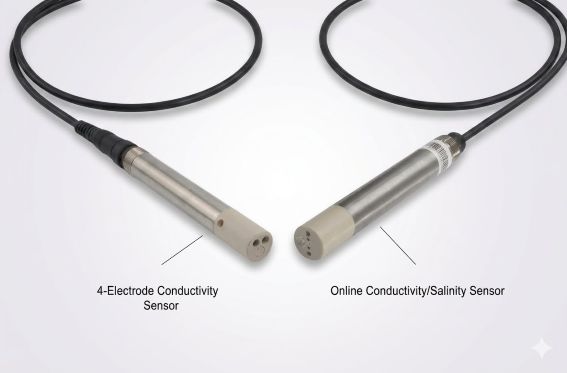
SSEA-CONDX digital conductivity sensors replace traditional two-electrode designs with high-precision four-electrode technology. They eliminate polarization effects, feature built-in automatic temperature compensation, and use an RS485 MODBUS protocol interface for simultaneous output of conductivity, salinity, total dissolved solids (TDS), and temperature. Housed in IP68 corrosion-resistant bodies, they are ideal for long-term deployment in surface water, wastewater, and aquaculture.
SSEA-DOX Dissolved Oxygen Sensor
In stock
SKU:
SSEADOX
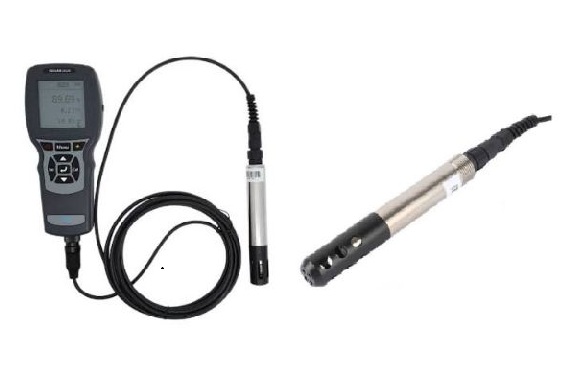
Schmierer SSEA-DOX optical dissolved oxygen sensors utilize cutting-edge luminescence quenching technology to provide stable, real-time water quality measurements. Built with rugged housings and optional self-cleaning wipers, these digital RS-485 sensors eliminate the need for membranes, electrolytes, or frequent calibrations, ensuring low-maintenance operation across aquaculture, industrial wastewater, and environmental water testing.
SSEA-MPSX Multiparameter Sonde
In stock
SKU:
SSEA-MPSX
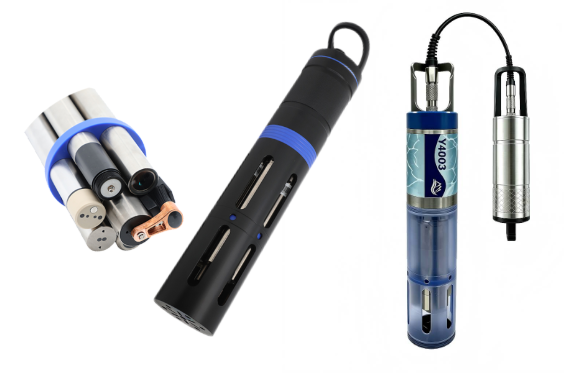
The SSEA-MPSX Multi-Parameter Sonde is an advanced all-in-one digital logging platform designed for comprehensive, real-time water quality profiling. The mother matrix houses up to six plug-and-play digital sensor channels alongside a programmable central self-cleaning brush to deliver stable data without biofouling bottlenecks. Engineered to capture up to seven parameters concurrently—including DO, pH, ORP, conductivity, turbidity, and algal metrics—this intelligent sonde stores calibration values directly inside each modular probe. This architecture enables rapid field swap-outs and effortless data expansion across harsh operational matrices.
SSEA-TSSX Total Suspended Solids Sensor
In stock
SKU:
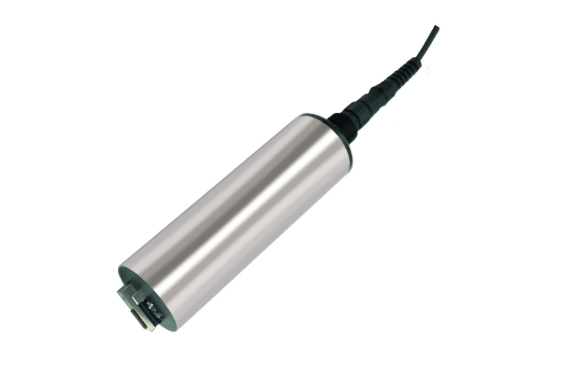
SSEA-TSSX
The SSEA-TSSX Sensor is a heavy-duty digital probe designed for continuous tracking of total suspended solids in demanding environments. Utilizing advanced near-infrared light scattering technology [ISO7027], it provides real-time mg/L or ppm readings without manual filtration. Equipped with a motorized self-cleaning wiper, an RS485 Modbus output, and scratch-resistant sapphire windows, it delivers stable, maintenance-free operation across diverse water applications.