


 Pressure

Bourdon Tube
7 products
Boiler
2 productsChemical
3 products
Phenolic
1 product
Differential
7 products
Capsule
3 products
Test Pressure Gauge
5 products
Contact
4 products
Diaphragm
3 products
Diaphragm Seal
1 product
Digital
2 products
Pressure Transmitter
10 products
Pressure Switch
5 products
Load and Force
11 products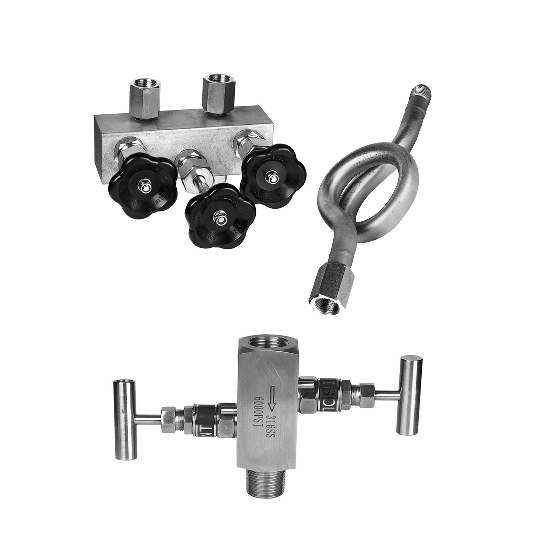
Accessories
15 products- Temperature
RTD
5 products
Bimetallic
2 products
Gas Filled
2 products
Non-Replaceable Inserts
3 products
Replaceable Inserts
4 products
Ceramic Protection
7 products
Mineral Insulated
4 products
Flameproof and Intrinsically Safe
7 products
Surface and Machinery
30 products
Food and Pharma
7 products
HVAC
9 products
Acids, Alkalis, Salts
4 products
Temperature Switch
1 product
Thermowell
16 products
Indicator, Controller
8 products
Accessories
9 products
Humidity
7 productsThermocouple
50 products
Cable Sensors
38 productsHead Sensors
9 products
High Temperature
6 products
Temperature Transmitter
6 products - Flow

Electro Magnetic
2 products
Vortex
3 products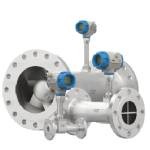
Swirl
1 product
Ultrasonic
7 products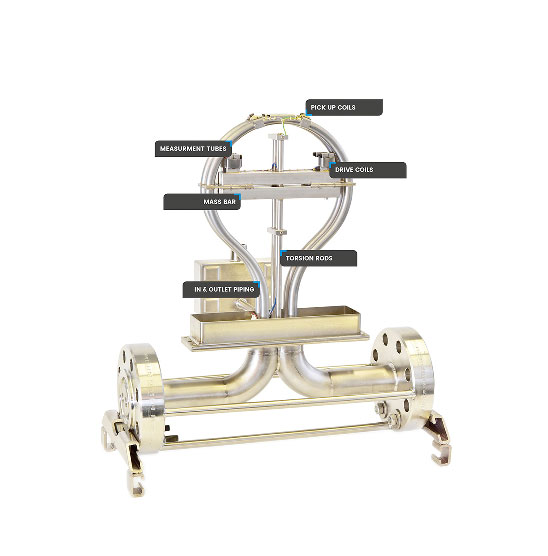
Coriolis Mass Flowmeter
28 products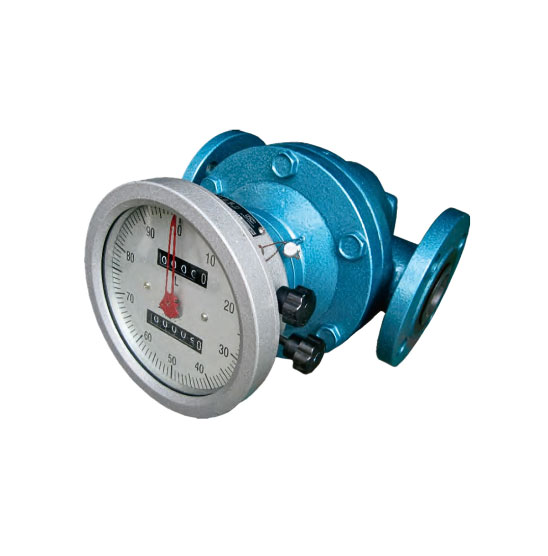
Positive Displacement
6 products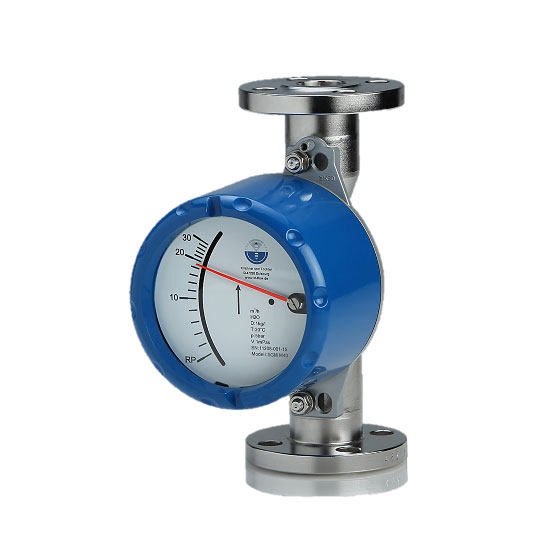
Variable Area
1 product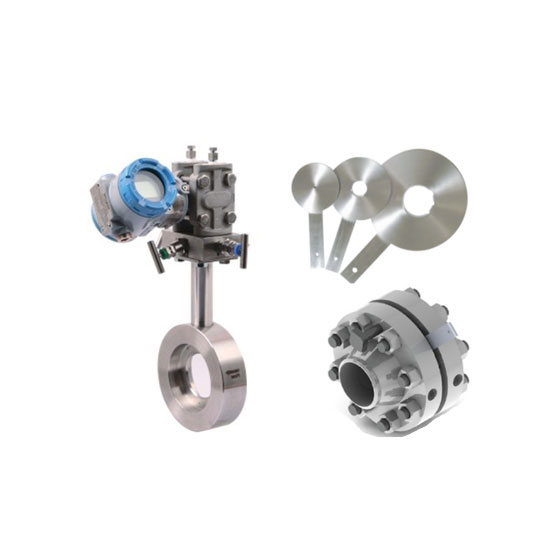
Differential Pressure
7 products
Turbine
4 products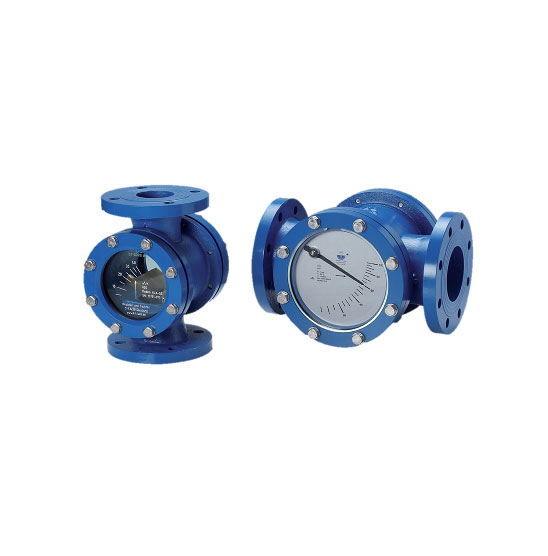
Flap
1 product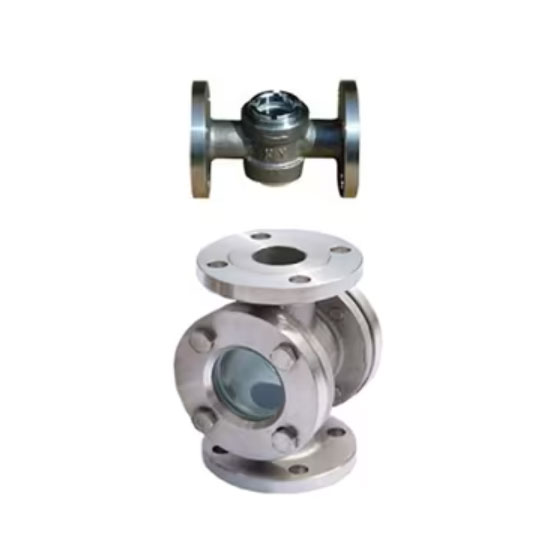
Side Glass
1 product
Thermal gas
5 products
Air Flow/Quality
11 products
Flow Switch
9 products
Flow Computer
3 products
Flow Accessories
2 products
Dosing/Batching
6 products - Level
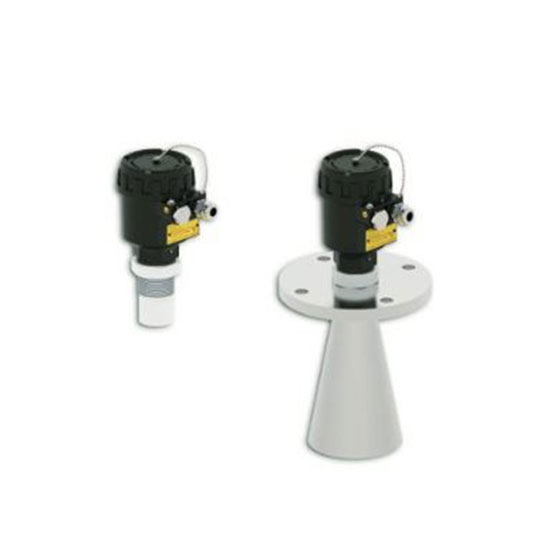
Radar
3 products
Ultrasonic
1 product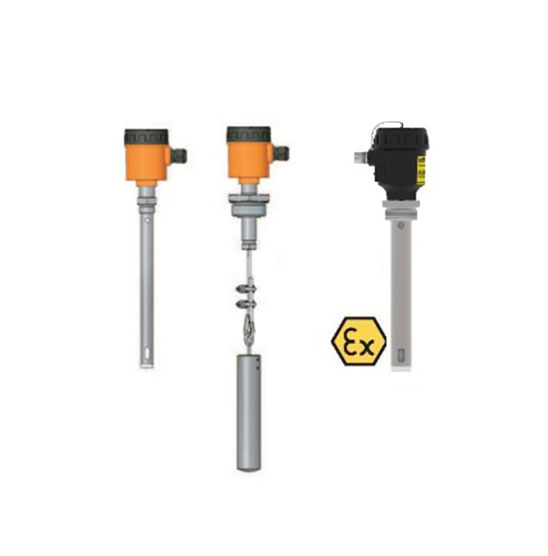
Capacitance
7 products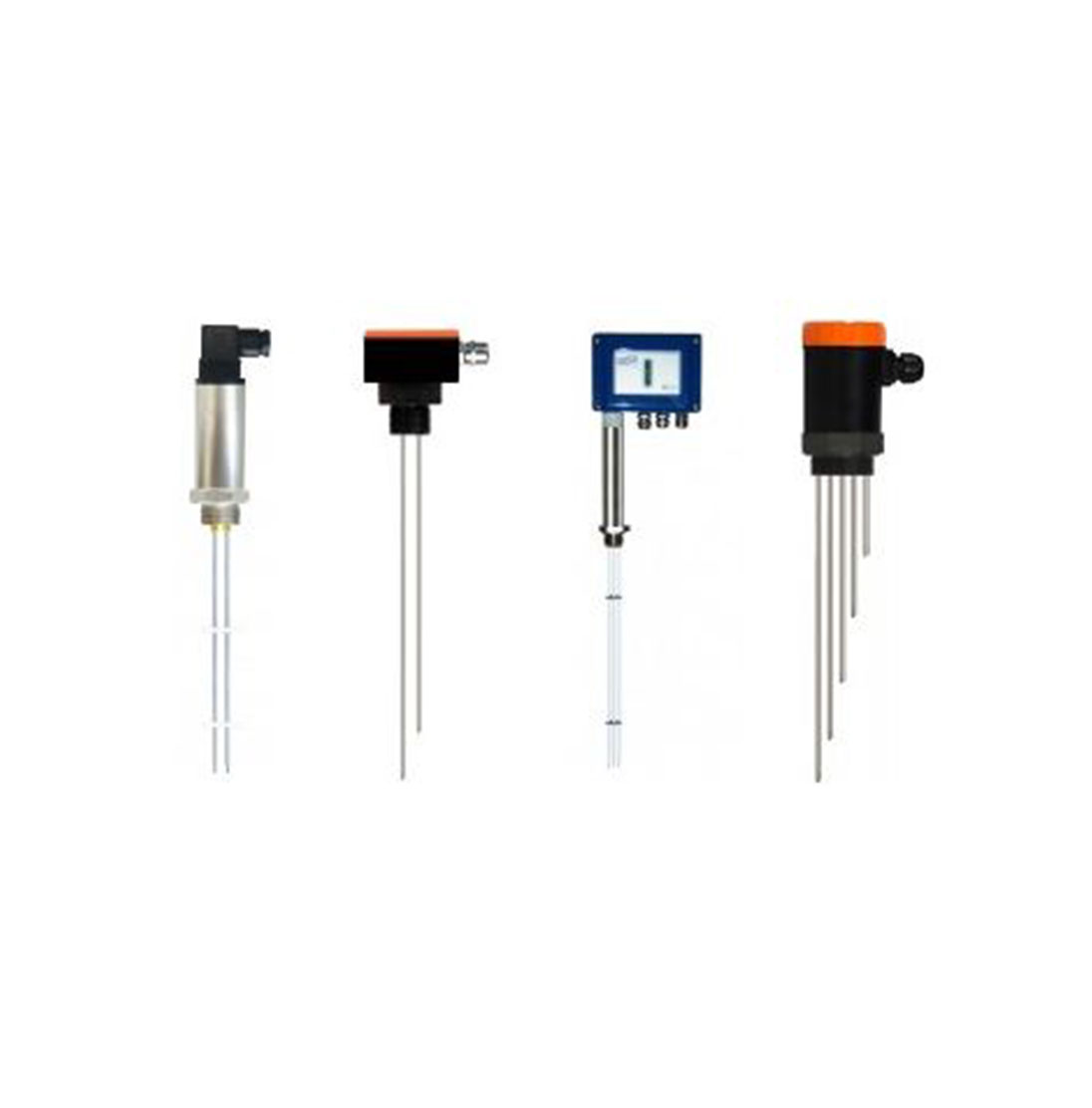
Conductivity
4 products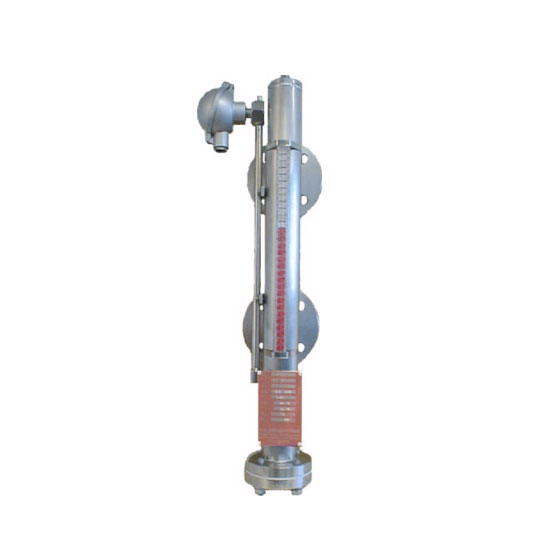
Magnetic
1 product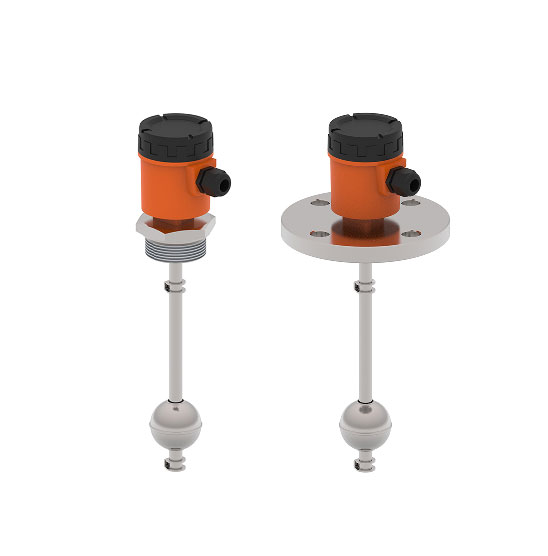
Float/Buoyancy
7 products
Level Indicator
3 products
Vibrating Rod
3 products
Rotary Paddle
2 products
Hydrostatic
2 products
Optical
1 product
Level Switches
11 products - Calibration Devices
Multi Function Calibrators
2 products
Pressure Calibrators
4 products
Temperature Calibrators
6 products
Valve Testing
1 product
Calibration Software
1 product  Valves
Actuator
1 product
Ball Valves
2 products
Butterfly Valves
3 products
Gate Valves
2 products
Globe Valves
3 products- Analytical Sensors

Water Quality Sensors
16 products
Process Systems
11 products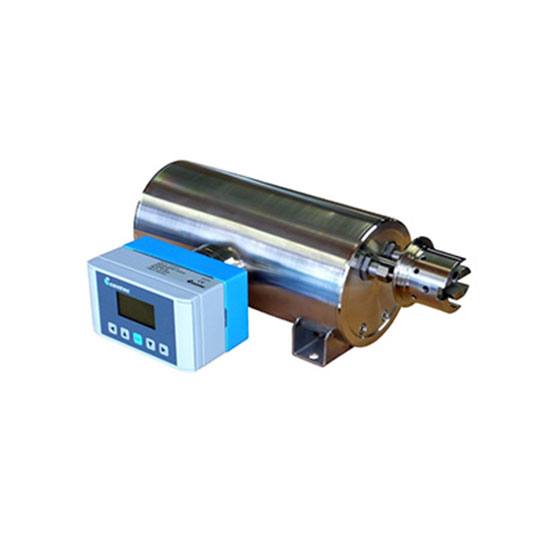
Density and Concentration
12 products
Analytical Controller
2 products - Process Systems






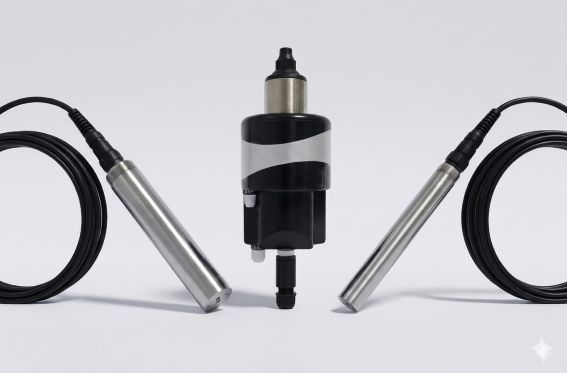
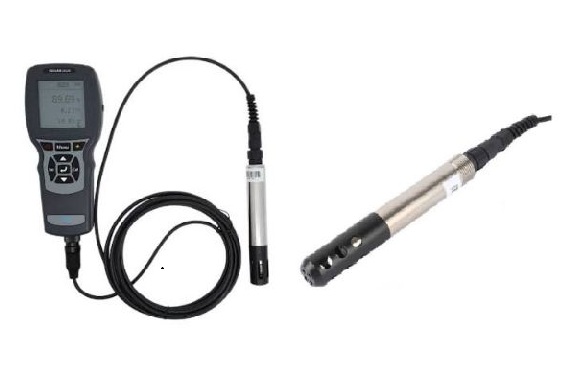

SSEA-DOX Dissolved Oxygen Sensor
Schmierer SSEA-DOX optical dissolved oxygen sensors utilize cutting-edge luminescence quenching technology to provide stable, real-time water quality measurements. Built with rugged housings and optional self-cleaning wipers, these digital RS-485 sensors eliminate the need for membranes, electrolytes, or frequent calibrations, ensuring low-maintenance operation across aquaculture, industrial wastewater, and environmental water testing.
Description
Description
Dissolved Oxygen (DO) Sensor: Working Principle, Models, Specifications, and Applications
Dissolved oxygen (DO) refers to the amount of oxygen gas (O₂) dissolved in water. It is an important water quality parameter because it directly affects the survival and health of aquatic organisms, including fish, invertebrates, and microorganisms. Dissolved oxygen also influences biological, chemical, and physical processes in aquatic ecosystems.
Schmierer SEA offers several types of optical dissolved oxygen sensors and portable handheld systems for different water monitoring applications. These solutions support continuous process monitoring, aquaculture management, environmental testing, and field measurements.
Dissolved Oxygen Sensor Models
- Online Optical DO Sensors: Designed for long-term immersion and continuous, real-time dissolved oxygen monitoring. They suit water treatment plants, environmental monitoring systems, and industrial processes.
- Aquaculture-Specific DO Sensors: Designed for fish and shrimp farming, where biological growth and deposits can affect sensor performance. These sensors help operators monitor oxygen levels and manage aeration.
- Self-Cleaning DO Probes: Equipped with a mechanical cleaning system that helps remove deposits and biofouling from the sensor surface. They are useful in applications where frequent cleaning would otherwise increase maintenance requirements.
- Portable Handheld DO Systems: Designed for spot measurements, field surveys, and laboratory testing. Their portability allows users to check dissolved oxygen levels at different sampling locations.
Dissolved Oxygen Sensor Technical Specifications
The following values provide a general reference. Actual specifications depend on the sensor model and configuration.
| Parameter | Technical Specification |
|---|---|
| Measurement Range | 0–20 mg/L or 0–200% saturation, depending on the model |
| Measurement Accuracy | ±3% for applicable models; verify the manufacturer’s stated conditions |
| Temperature Compensation | Automatic temperature compensation on supported models |
| Communication Interface | RS-485 with MODBUS-RTU on supported models |
| Protection Rating | IP68 on applicable submersible models |
| Sensor Cap | Replaceable sensor cap or optical sensing element, depending on the model |
| Measurement Technology | Optical luminescence-based dissolved oxygen measurement |
Before selecting a sensor, confirm its measurement range, accuracy, operating temperature, immersion depth, pressure rating, communication interface, and maintenance requirements against the manufacturer’s datasheet.
How Does an Optical Dissolved Oxygen Sensor Work?
Unlike traditional electrochemical dissolved oxygen probes, optical DO sensors measure oxygen using luminescence quenching technology. This method does not consume oxygen during measurement, so it generally does not require a constant water flow to maintain an accurate reading.
The measurement process follows these steps:
- Light excitation: An internal light source illuminates a sensing layer containing oxygen-sensitive indicator molecules.
- Luminescence: The indicator molecules emit light after excitation.
- Oxygen interaction: Dissolved oxygen interacts with the indicator molecules and reduces the emitted light’s lifetime or intensity. This effect is known as luminescence quenching.
- Signal detection: An optical detector measures changes in the luminescence response, such as its lifetime or phase shift, depending on the sensor design.
- DO calculation: The sensor’s electronics process the signal and calculate the dissolved oxygen concentration. The result is typically displayed in mg/L or percentage saturation.
Optical measurement offers several advantages. It does not consume oxygen during measurement and typically requires less routine maintenance than many electrochemical sensors. However, the sensing cap still needs inspection and replacement according to the manufacturer’s recommendations. Temperature, salinity, pressure, calibration, and sensor condition can also affect measurement accuracy.
Applications of Dissolved Oxygen Sensors
Dissolved oxygen sensors help operators maintain suitable oxygen levels, improve process control, and monitor aquatic ecosystem health across a range of applications.
- Aquaculture Management: Continuously monitor oxygen levels in fish ponds, shrimp farms, and aquaculture tanks. Operators can use the readings to control aeration and reduce the risk of oxygen depletion.
- Wastewater Treatment: Monitor dissolved oxygen in activated sludge aeration basins. The readings help operators adjust aeration, support biological treatment, and potentially reduce energy consumption.
- Environmental Water Monitoring: Track dissolved oxygen in rivers, lakes, reservoirs, and coastal waters. These measurements help assess ecosystem conditions and identify potential oxygen depletion associated with pollution or eutrophication.
- Deep-Water Monitoring: Integrate DO sensors into multiparameter sondes to measure oxygen at different depths. Confirm the sensor’s pressure rating and maximum operating depth before deployment.
- Laboratory and Field Testing: Use portable handheld DO meters for sampling, water quality surveys, and spot checks at different locations.
How to Choose the Right Dissolved Oxygen Sensor
Selecting the right DO sensor helps improve measurement reliability and reduce maintenance costs. Consider the following factors before making a selection:
- Measurement Range: Choose a range that covers the expected oxygen concentration and saturation levels.
- Measurement Accuracy: Check the required accuracy and resolution, particularly for critical process control or environmental monitoring.
- Sensor Technology: Consider optical technology for applications that benefit from low oxygen consumption during measurement and reduced routine maintenance.
- Cleaning Requirements: Select a self-cleaning model when biofouling or deposits are likely to affect the sensing surface.
- Installation Method: Determine whether a fixed online probe, immersion sensor, multiparameter sonde, or portable handheld system best suits the application.
- Communication: Confirm compatibility with your PLC, DCS, SCADA, data logger, or other monitoring equipment.
- Environmental Conditions: Check operating temperature, pressure, immersion depth, salinity requirements, and ingress protection.
In conclusion, dissolved oxygen sensors provide essential information for water quality monitoring, aquaculture management, and wastewater treatment. Optical DO technology offers continuous measurement without consuming oxygen during the measurement process. By choosing the right sensor for the application, operators can improve process monitoring, manage oxygen levels, and support healthier aquatic environments.
Note: The specifications in this article are general reference values. Verify all model-specific claims, measurement ranges, accuracy ratings, pressure limits, and communication options against the official Schmierer SEA datasheet before publication or equipment selection.
Related products

OXYTRANS M Portable Oxygen Content Meter
In stock
SKU:
Oxytrans M
Achieve absolute precision in mobile dissolved oxygen tracking across your liquid and gas process streams. High-end industrial plants, breweries, and bioreactors deploy the [Centec OXYTRANS M Portable Sensor](https://www.centec-sensors.co.uk/products/oxytrans-portable-oxygen-meter.html "Centec OXYTRANS M product page") to complete immediate quality audits. Because this advanced diagnostic tool utilizes quenched optical luminescence technology, it calculates ultra-precise O₂ deviations without consuming oxygen or relying on electrolyte solutions. Consequently, your technical crew obtains rapid lab-grade data loops anywhere on the plant floor, ensuring uniform product preservation and preventing early oxidation degradation.
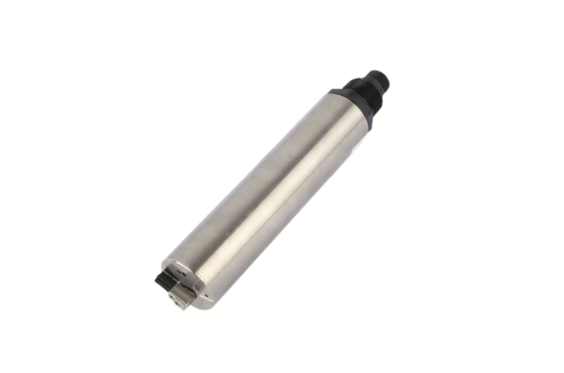
SSEA-BGAX Blue Green Algae Sensor
In stock
SKU:
SSEA-BGAX
The SSEA-BGAX Blue-Green Algae Sensor is an advanced digital optical probe engineered for real-time tracking of cyanobacteria populations and early warning of harmful algal blooms. Utilizing high-sensitivity phycocyanin fluorescence detection, it monitors live algae concentrations directly in water bodies without complex sampling or chemical preparation. Featuring a submersible IP68 housing, integrated RS485 Modbus telemetry, and an optional motorized self-cleaning wiper, it provides continuous, maintenance-free water quality data across diverse aquatic environments.
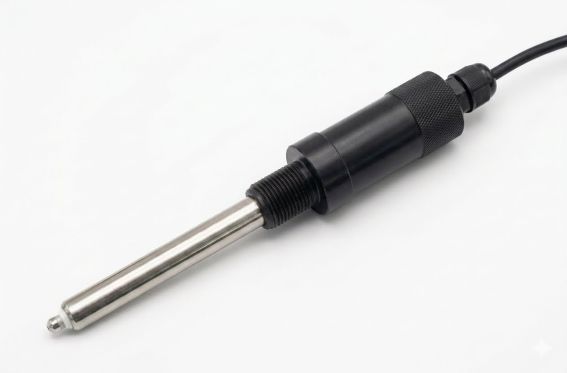
SSEA-FCHLX Free Chlorine Sensor
In stock
SKU:
SSEA-FCHLX
water quality monitoring with the digital SSEA-FCHLX free chlorine sensor: RS-485 Modbus communication, constant voltage precision, and zero reagent usage. It utilizes an advanced constant voltage method to deliver precise, real-time measurements of residual chlorine from 0–20 mg/L. Equipped with a built-in isolation design, in integrated temperature sensor with compensation and an RS-485 Modbus-RTU interface, this digital sensor ensures strong anti-interference performance and high reliability for drinking water, industrial processes, and swimming pool monitoring without requiring chemical reagents or frequent replacement parts.
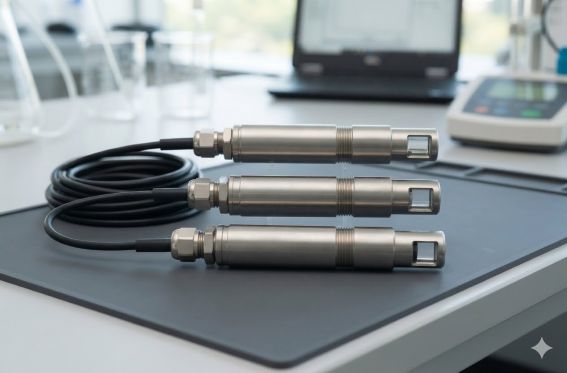
SSEA-TCOLX Transparency and Color Sensor
In stock
SKU:
SSEA-TCOLX
The Schmierer SEA SSEA-TCOLX Transparency and Color Sensors are advanced digital instruments designed for continuous, online water quality monitoring. Utilizing precise optical transmission and absorption methods, these RS-485 Modbus-compatible sensors feature integrated self-cleaning brushes and automatic turbidity compensation to provide accurate, long-term measurement of water clarity and apparent color without chemical reagents