


 Pressure

Bourdon Tube
7 products
Boiler
2 productsChemical
3 products
Phenolic
1 product
Differential
7 products
Capsule
3 products
Test Pressure Gauge
5 products
Contact
4 products
Diaphragm
3 products
Diaphragm Seal
1 product
Digital
2 products
Pressure Transmitter
10 products
Pressure Switch
5 products
Load and Force
11 products
Accessories
15 products- Temperature
RTD
5 products
Bimetallic
2 products
Gas Filled
2 products
Non-Replaceable Inserts
3 products
Replaceable Inserts
4 products
Ceramic Protection
7 products
Mineral Insulated
4 products
Flameproof and Intrinsically Safe
7 products
Surface and Machinery
30 products
Food and Pharma
7 products
HVAC
9 products
Acids, Alkalis, Salts
4 products
Temperature Switch
1 product
Thermowell
16 products
Indicator, Controller
8 products
Accessories
9 products
Humidity
7 productsThermocouple
50 products
Cable Sensors
38 productsHead Sensors
9 products
High Temperature
6 products
Temperature Transmitter
6 products - Flow

Electro Magnetic
2 products
Vortex
3 products
Swirl
1 product
Ultrasonic
7 products
Coriolis Mass Flowmeter
28 products
Positive Displacement
6 products
Variable Area
1 product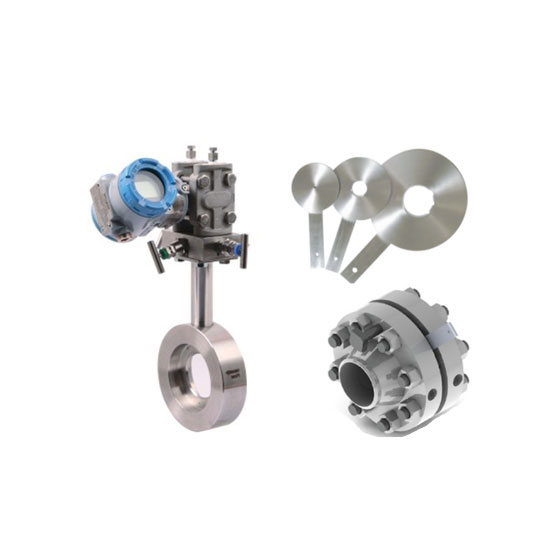
Differential Pressure
7 products
Turbine
4 products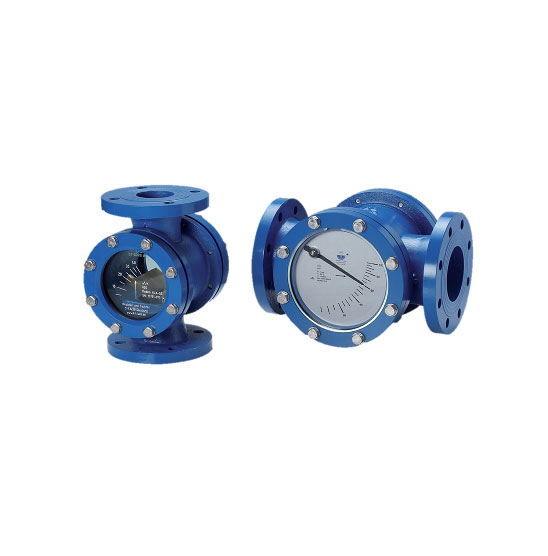
Flap
1 product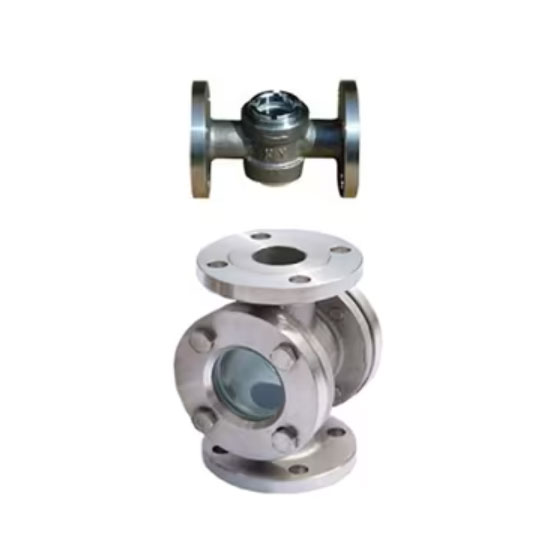
Side Glass
1 product
Thermal gas
5 products
Air Flow/Quality
11 products
Flow Switch
9 products
Flow Computer
3 products
Flow Accessories
2 products
Dosing/Batching
6 products - Level
Radar
3 products
Ultrasonic
1 product
Capacitance
7 products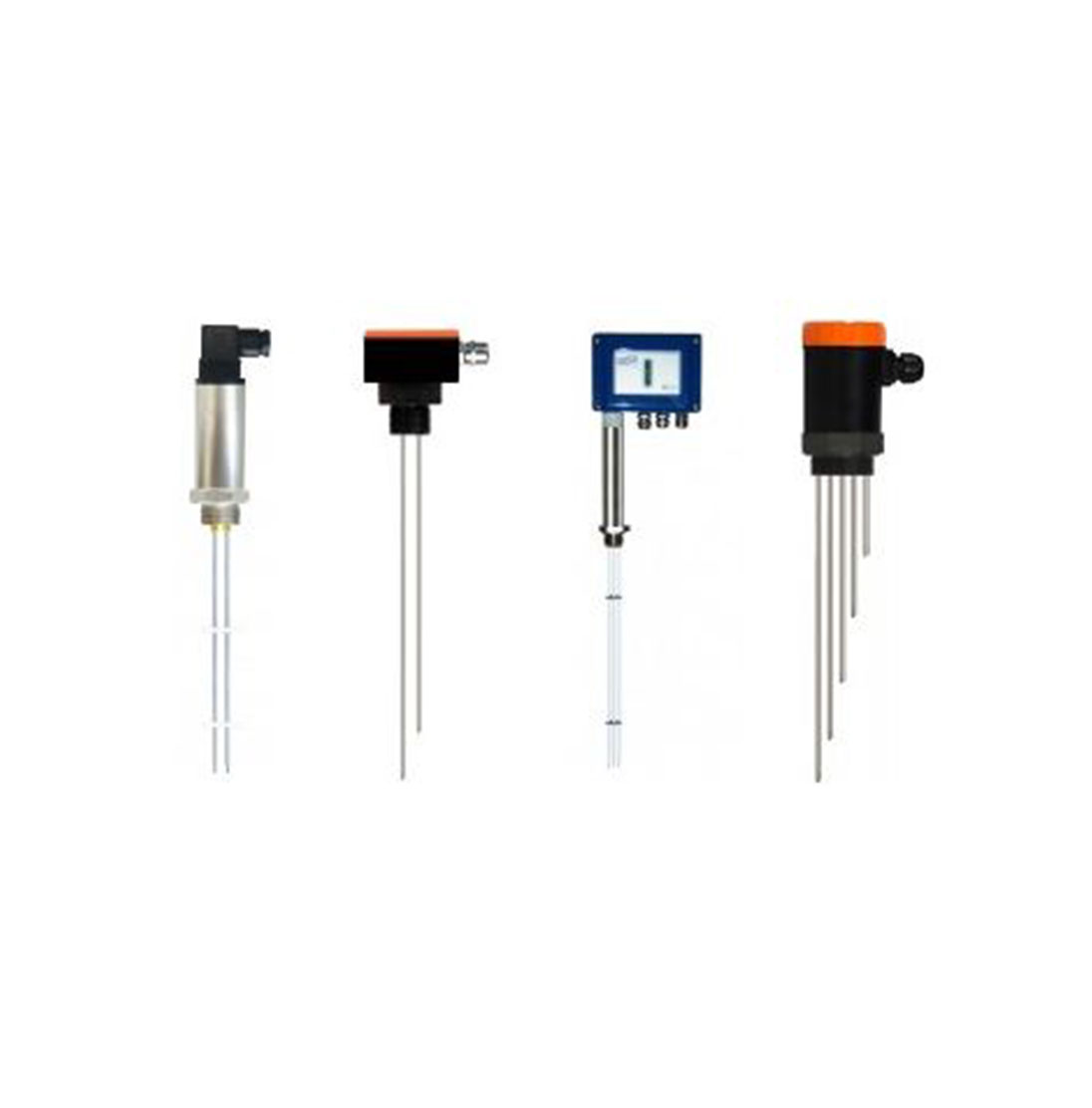
Conductivity
4 products
Magnetic
1 product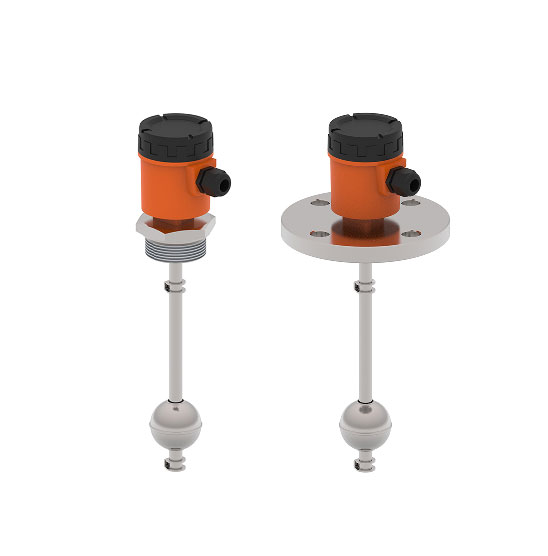
Float/Buoyancy
7 products
Level Indicator
3 products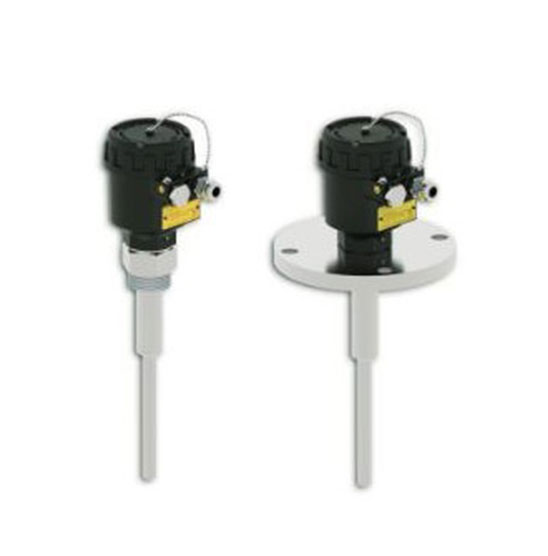
Vibrating Rod
3 products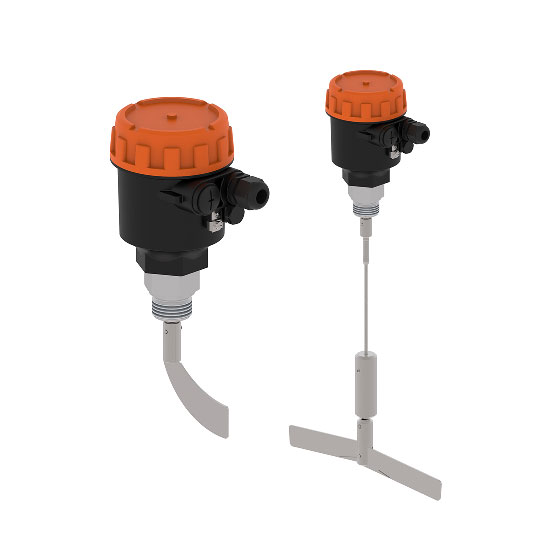
Rotary Paddle
2 products
Hydrostatic
2 products
Optical
1 product
Level Switches
11 products - Calibration Devices
Multi Function Calibrators
2 products
Pressure Calibrators
4 products
Temperature Calibrators
6 products
Valve Testing
1 product
Calibration Software
1 product  Valves
Actuator
1 product
Ball Valves
2 products
Butterfly Valves
3 products
Gate Valves
2 products
Globe Valves
3 products- Analytical Sensors

Water Quality Sensors
16 products
Process Systems
11 products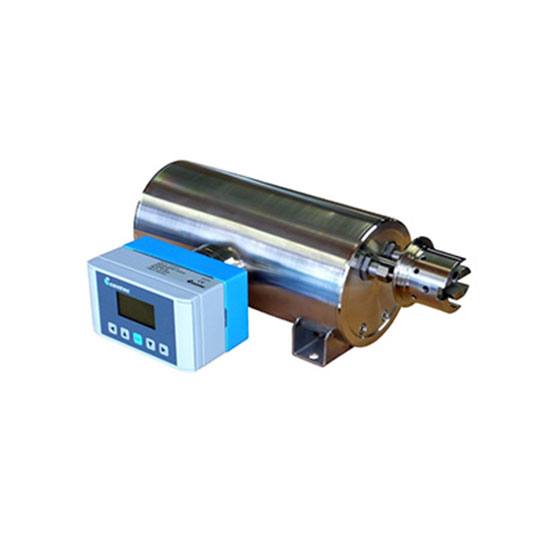
Density and Concentration
12 products
Analytical Controller
2 products - Process Systems






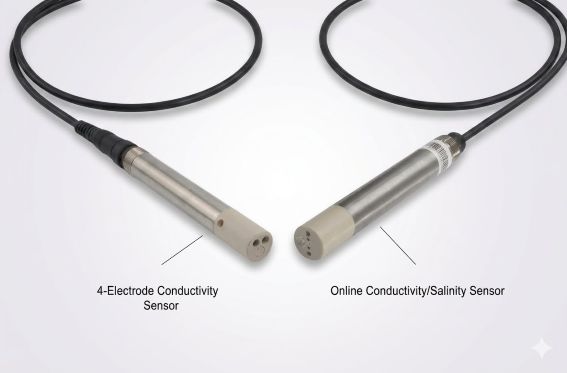
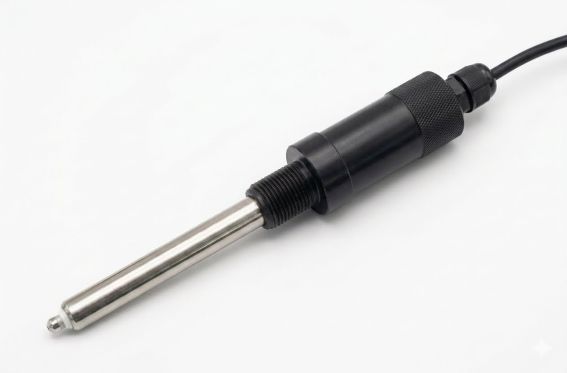
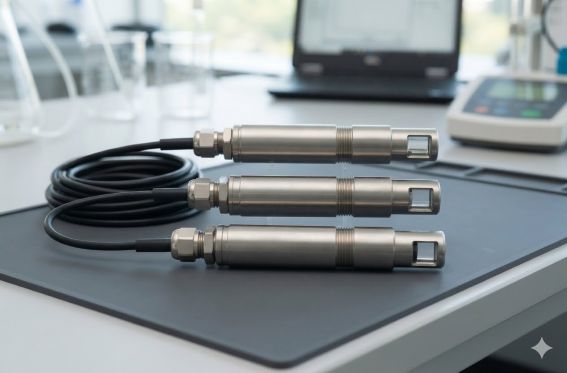

SSEA-TCOLX Transparency and Color Sensor
The Schmierer SEA SSEA-TCOLX Transparency and Color Sensors are advanced digital instruments designed for continuous, online water quality monitoring. Utilizing precise optical transmission and absorption methods, these RS-485 Modbus-compatible sensors feature integrated self-cleaning brushes and automatic turbidity compensation to provide accurate, long-term measurement of water clarity and apparent color without chemical reagents
Description
Description
Schmierer SEA Color Sensors use the optical absorption method to monitor water quality online without requiring chemical reagents. Unlike sensors that measure reflected RGB values from solid objects, these digital industrial sensors measure light transmitted directly through water to assess color and transparency. They are suitable for monitoring drinking water, wastewater, and other water treatment processes.
Models
- Y530-A Self-Cleaning Transparency Sensor: A digital optical probe designed to measure water transparency using the direct light transmission method. Its integrated cleaning mechanism helps reduce optical window fouling.
- Y531-B Low-Range Color Sensor: A high-precision sensor designed for low color concentrations in treated drinking water, with a stated measurement range of 0–50 Hazen.
- Y534-A Low-Range Color Sensor: A color measurement instrument designed for applications requiring standardized colorimetric monitoring in accordance with applicable ISO methods.
Features
- Automatic Turbidity Compensation: Uses internal algorithms to compensate for interference caused by suspended particles, helping improve the reliability of color measurements.
- Mechanical Self-Cleaning: An integrated motorized cleaning brush or wiper cleans the optical windows automatically, helping reduce biofouling and manual maintenance.
- Smart Digital Architecture: Supports RS-485 communication using the Modbus protocol for integration with PLC and SCADA systems. Calibration parameters are stored within the probe.
- Interference Compensation: Optical signal processing and turbidity compensation help reduce measurement errors caused by suspended particles.
- Operating Conditions: The stated operating temperature range is 0–50°C, with a maximum operating pressure of 3 bar. Confirm the limits for the selected model before installation.
- Ingress Protection: The stated IP68 enclosure rating supports submersible applications when installed according to the manufacturer’s requirements.
Working Principle
These optical sensors operate using the light absorption and transmission method. The probe emits a controlled light beam through a defined path length in the water. Dissolved substances, organic compounds, and natural color-causing materials absorb specific wavelengths of light, while the remaining light passes through the sample and reaches the receiver.
The sensor measures the transmitted light intensity and processes the optical signal to determine water transparency or color concentration. Color readings may be expressed in Hazen units, depending on the model and measurement method.
To improve measurement reliability, the sensor may apply internal compensation algorithms to reduce interference from turbidity and suspended particles. This enables continuous online monitoring without adding chemical reagents. Actual performance depends on the sensor design, water characteristics, calibration, and measurement conditions.
Applications
- Drinking Water Infrastructure: Continuous monitoring of water color and transparency across municipal distribution networks, pumping stations, and treated water systems.
- Effluent Compliance Monitoring: Monitoring the color and clarity of treated effluent at municipal and industrial wastewater treatment plants.
- Groundwater Assessment: Tracking changes in water color and transparency in wells and groundwater monitoring systems.
- Raw Water Intake Diagnostics: Monitoring seasonal changes in surface water quality to help treatment plants assess variations in incoming water.
Note: Verify each model’s measurement range, color scale, accuracy, communication settings, self-cleaning mechanism, and operating limits against the official manufacturer datasheet. Confirm the applicable ISO color measurement method for the intended application.
Related products

BRIX MONITOR In-Line Sugar Concentration Sensor
In stock
SKU:
Brix
Achieve absolute precision in your continuous sugar dosing and product quality control loops. Beverage, syrup refining, and food manufacturing plants deploy the [Centec BRIX MONITOR Inline Instrument](https://www.centec.de/en/product-page/brix-monitor "Centec Brix Monitor product page") to secure automated sugar saturation tracking. Because this high-performance sanitary sensor evaluates raw solution characteristics directly inside turbulent process piping, it eliminates manual titration delays entirely. Consequently, your facility guarantees uniform flavor profiles, exact syrup blending, and flawless compliance with global hygienic standards.

Density and Concentration Meter DIMF
In stock
SKU:
DIMF
The liquid density meter of the DIMF series is used for continuous measurement of the density/concentration of liquids or liquid mixtures. The proven tuning fork principle guarantees a high acccuracy with very good long term stability.The robust design ensures reliable operation even under harsh operating conditions.
download pdf datasheet

SSEA-CODX Chemical Oxygen Demand Sensor
In stock
SKU:
SSEACODX
The SSEACODX self cleaning COD Sensor delivers reagent-free, real-time tracking of organic pollutants in water. Utilizing advanced UVC LED absorption at 254 nm, it features automatic turbidity compensation and an integrated self-cleaning wiper to ensure stable, low-maintenance online operation across municipal and industrial wastewater applications.
This proven technology provides reliable and accurate analysis of organic pollutants for water quality monitoring at low cost and low maintenance. With rugged design, and integrated turbidity compensation, it is an excellent solution for continuous monitoring of source water, surface water, municipal and industrial wastewater.

SSEA-PHX digital pH Sensor
In stock
SKU:
SSEA-PHX
The SSEA-PHX digital pH sensor adopts a robust industrial-grade online electrode and an integrated temperature sensor for automatic temperature compensation, rendering it highly suitable for long-term online monitoring applications. It features an RS485 communication interface and supports the standard MODBUS protocol, enabling networking and system integration without the need for an external controller. It is extensively utilized in various fields, including water quality treatment, hydrological monitoring, wastewater management, swimming pools, industrial control systems, and biological application.