


 Pressure

Bourdon Tube
7 products
Boiler
2 productsChemical
3 products
Phenolic
1 product
Differential
7 products
Capsule
3 products
Test Pressure Gauge
5 products
Contact
4 products
Diaphragm
3 products
Diaphragm Seal
1 product
Digital
2 products
Pressure Transmitter
10 products
Pressure Switch
5 products
Load and Force
11 products
Accessories
15 products- Temperature
RTD
5 products
Bimetallic
2 products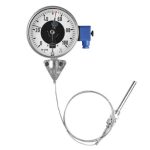
Gas Filled
2 products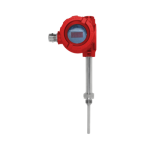
Non-Replaceable Inserts
3 products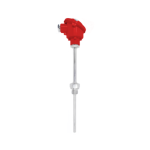
Replaceable Inserts
4 products
Ceramic Protection
7 products
Mineral Insulated
4 products
Flameproof and Intrinsically Safe
7 products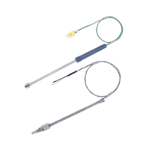
Surface and Machinery
30 products
Food and Pharma
7 products
HVAC
9 products
Acids, Alkalis, Salts
4 products
Temperature Switch
1 product
Thermowell
16 products
Indicator, Controller
8 products
Accessories
9 products
Humidity
7 productsThermocouple
50 products
Cable Sensors
38 productsHead Sensors
9 products
High Temperature
6 products
Temperature Transmitter
6 products - Flow

Electro Magnetic
2 products
Vortex
3 products
Swirl
1 product
Ultrasonic
7 products
Coriolis Mass Flowmeter
28 products
Positive Displacement
6 products
Variable Area
1 product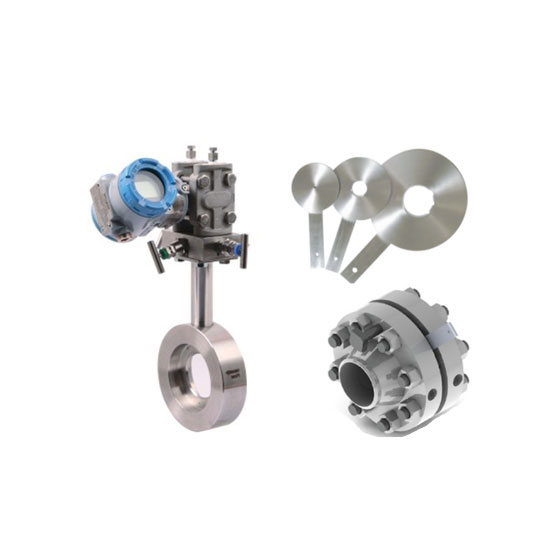
Differential Pressure
7 products
Turbine
4 products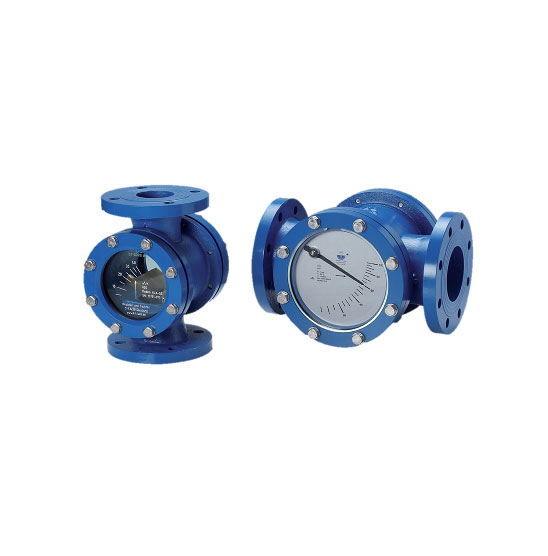
Flap
1 product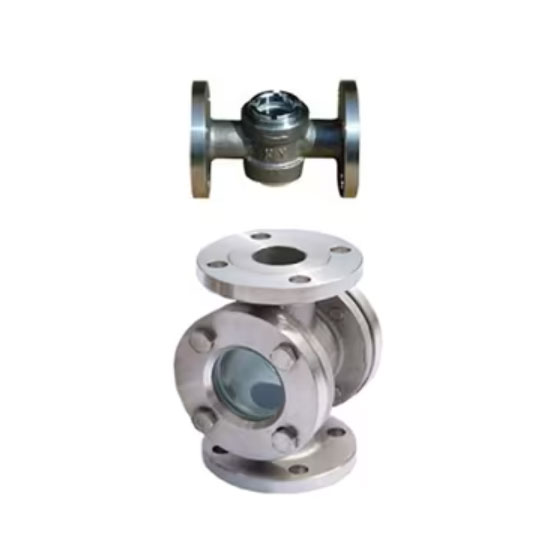
Side Glass
1 product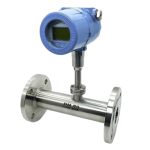
Thermal gas
5 products
Air Flow/Quality
11 products
Flow Switch
9 products
Flow Computer
3 products
Flow Accessories
2 products
Dosing/Batching
6 products - Level
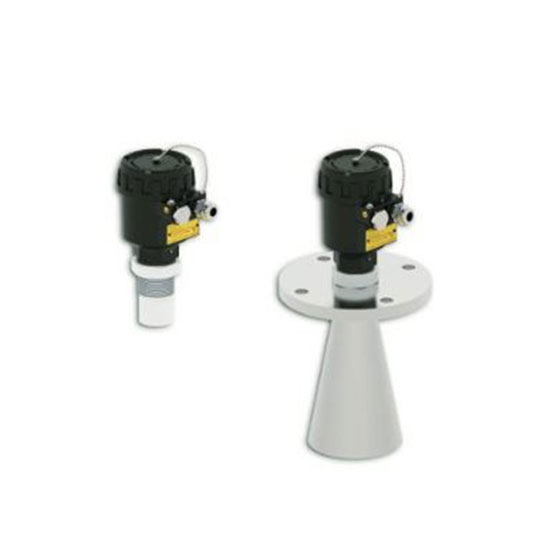
Radar
3 products
Ultrasonic
1 product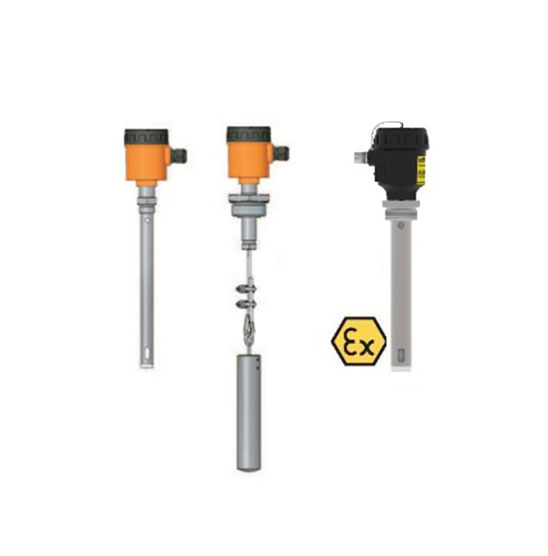
Capacitance
7 products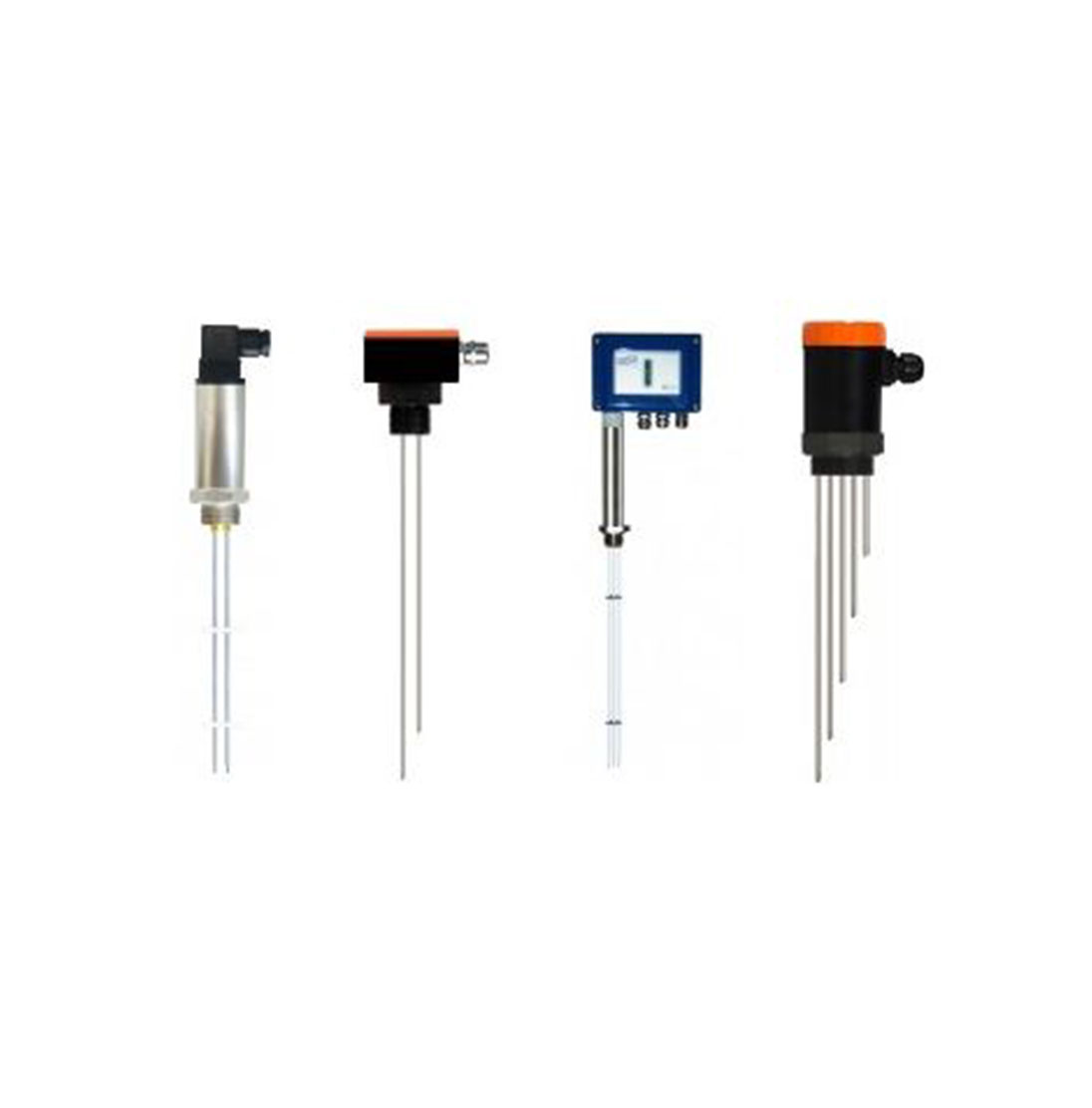
Conductivity
4 products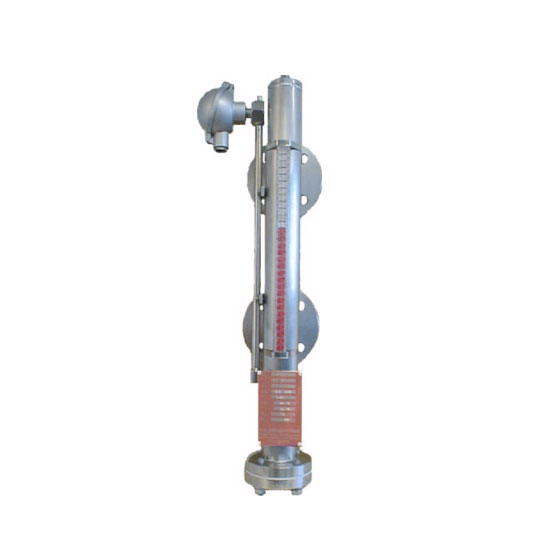
Magnetic
1 product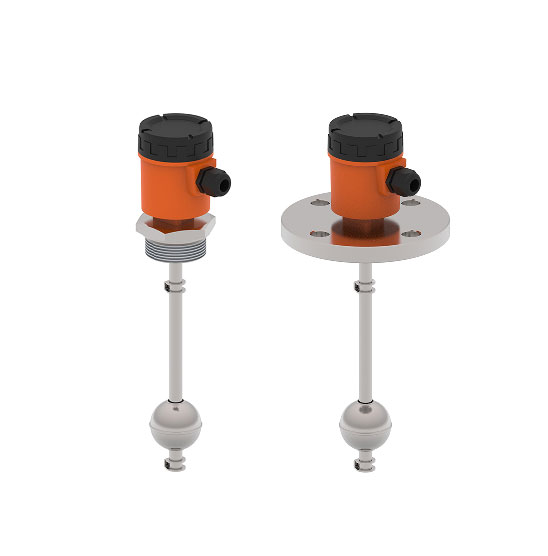
Float/Buoyancy
7 products
Level Indicator
3 products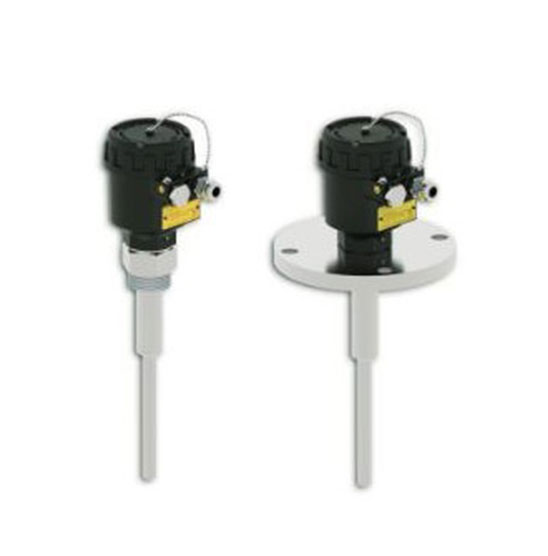
Vibrating Rod
3 products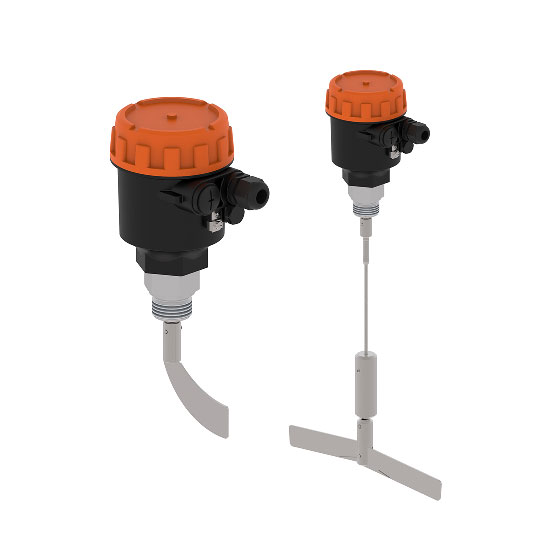
Rotary Paddle
2 products
Hydrostatic
2 products
Optical
1 product
Level Switches
11 products - Calibration Devices
Multi Function Calibrators
2 products
Pressure Calibrators
4 products
Temperature Calibrators
6 products
Valve Testing
1 product
Calibration Software
1 product  Valves
Actuator
1 product
Ball Valves
2 products
Butterfly Valves
3 products
Gate Valves
2 products
Globe Valves
3 products- Analytical Sensors

Water Quality Sensors
16 products
Process Systems
11 products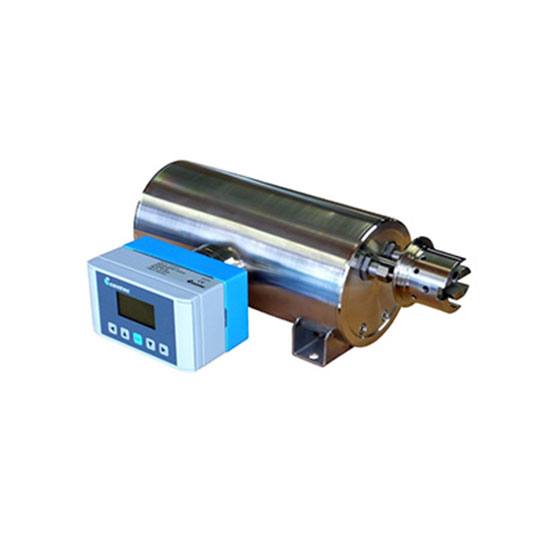
Density and Concentration
12 products
Analytical Controller
2 products - Process Systems






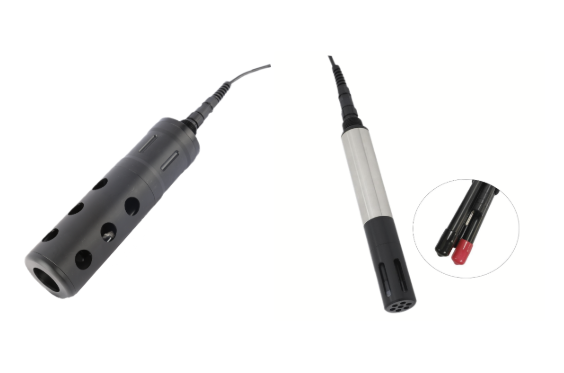

SSEA-NH4X Ammonia Nitrogen Sensor
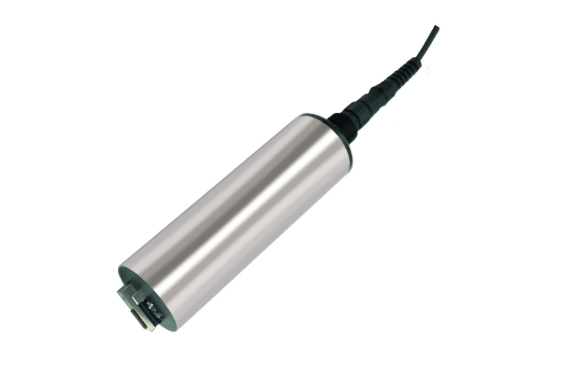
The SSEA-NH4X Ammonia Nitrogen Sensor refers to the nitrogen present in water as free ammonia (NH3) and ammonium ions (NH4+). It is an advanced digital probe that measures ammonium nitrogen levels using reagent-free Ion-Selective Electrode (ISE) technology. It features automatic pH and temperature compensation, an RS485 Modbus output, and an integrated self-cleaning wiper to deliver real-time data for wastewater, aquaculture, and surface water tracking.
Description
Description
The SSEA-NH4X Ammonia Nitrogen Sensor refers to the nitrogen present in water as free ammonia (NH3) and ammonium ions (NH4+). Generally, animal-based organic matter contains a higher nitrogen content than plant-based matter. Moreover, nitrogenous compounds in human and animal waste are highly unstable. Consequently, they decompose very easily into ammonia.
This pollutant acts as a nutrient in aquatic environments. Therefore, it can potentially lead to a phenomenon known as eutrophication. This process causes excessive algal growth. In addition, ammonia nitrogen acts as a major oxygen-depleting pollutant. As a result, it poses a severe toxic threat to fish and other aquatic organisms.
Regarding human health, ammonia nitrogen can convert into nitrites under specific conditions. Unfortunately, long-term consumption of water containing nitrites is highly dangerous. This is because these compounds can combine with proteins to form nitrosamines. Ultimately, these are potent carcinogens that can be extremely detrimental to human health.
Models
- Self-Cleaning NH4-N Sensor: This is a heavy-duty online ammonium ion probe. Notably, it comes outfitted with a programmable, motorized self-cleaning mechanical brush. This brush effectively prevents biofouling.
- Ammonium ISE Sensor: This is a compact, non-wiping digital online probe. Specifically, it is optimized for space-limited pipeline monitoring or clean water applications.
Technical Specifications
- Measurement Ranges: Available configurations cover 0 to 100 mg/L or 0 to 1000 mg/L dynamic thresholds.
- Analytical Resolution: The probe provides fine-grained monitoring. Thus, it delivers data resolutions down to 0.01 mg/L.
- Digital Communication: It features a standard RS-485 serial communication bus. Therefore, it supports native MODBUS-RTU protocol loops.
- Onboard Compensation: The unit provides automatic temperature compensation from 0 to 50°C. Furthermore, it offers cross-parameter pH matrix matching from 4 to 10 pH.
- Structural Engineering: The device features a submersible IP68 waterproof housing. Meanwhile, it is constructed from rugged Polyoxymethylene (POM) plastic.
- Power Parameters: The system utilizes a 9–24V DC operating range. In addition, it maintains an efficient 0.25W power demand during inactive cleaning cycles.
Working Principle
The sensor relies on Ion-Selective Electrode (ISE) potentiometric measurement. Consequently, it tracks nitrogen variations directly in water without needing wet chemical reagents.
- Membrane Interaction: First, the primary sensing tip houses a specialized ammonium ion PVC membrane. When the sensor is submerged, ammonium ions interact with this membrane. Immediately after, this interaction creates a tiny millivolt potential difference against a highly stable reference electrode.
- Logarithmic Scaling: Notably, this electrical potential change scales proportionally with the logarithm of the ammonium ion concentration.
- The Problem of Drift: However, temperature changes naturally shift ionic activity. Simultaneously, fluctuating fluid pH levels alter the chemical balance between toxic ammonia gas and dissolved ammonium ions. Therefore, raw ISE readings can easily drift.
- Real-Time Compensation: To bypass this limitation, the sensor incorporates secondary pH and temperature electrodes directly into the probe assembly. Finally, the integrated microprocessor collects all three signals.
Related products

CARBOTEC NIR Dissolved CO2 Transmitter – ATR Technology
In stock
SKU:
Carbotec NIR
Achieve real-time, pristine quality validation in your product carbonation lines without cyclical delays. Beverage plants and breweries deploy the Centec CARBOTEC NIR Inline Sensor to maintain continuous carbon dioxide tracking. Because this sophisticated solid-state transmitter utilizes Attenuated Total Reflection (ATR) technology to scan molecular infrared absorption directly at the fluid boundary, it entirely bypasses measurement errors caused by line pressure shocks or temperature spikes. Consequently, your processing plant achieves an ultra-rapid response time of under three seconds, minimizing product variations and ensuring absolute batch uniformity.
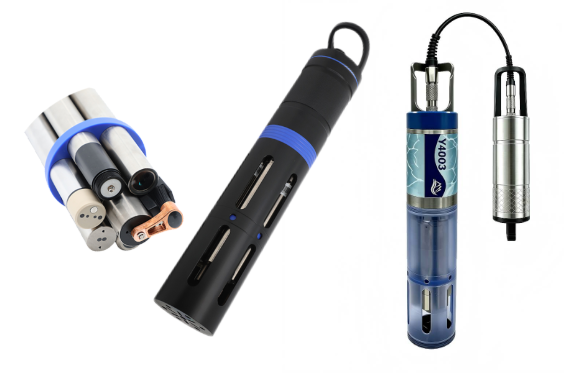
SSEA-MPSX Multiparameter Sonde
In stock
SKU:
SSEA-MPSX
The SSEA-MPSX Multi-Parameter Sonde is an advanced all-in-one digital logging platform designed for comprehensive, real-time water quality profiling. The mother matrix houses up to six plug-and-play digital sensor channels alongside a programmable central self-cleaning brush to deliver stable data without biofouling bottlenecks. Engineered to capture up to seven parameters concurrently—including DO, pH, ORP, conductivity, turbidity, and algal metrics—this intelligent sonde stores calibration values directly inside each modular probe. This architecture enables rapid field swap-outs and effortless data expansion across harsh operational matrices.
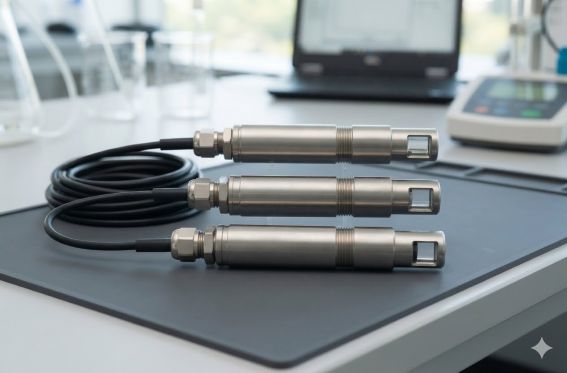
SSEA-TCOLX Transparency and Color Sensor
In stock
SKU:
SSEA-TCOLX
The Schmierer SEA SSEA-TCOLX Transparency and Color Sensors are advanced digital instruments designed for continuous, online water quality monitoring. Utilizing precise optical transmission and absorption methods, these RS-485 Modbus-compatible sensors feature integrated self-cleaning brushes and automatic turbidity compensation to provide accurate, long-term measurement of water clarity and apparent color without chemical reagents
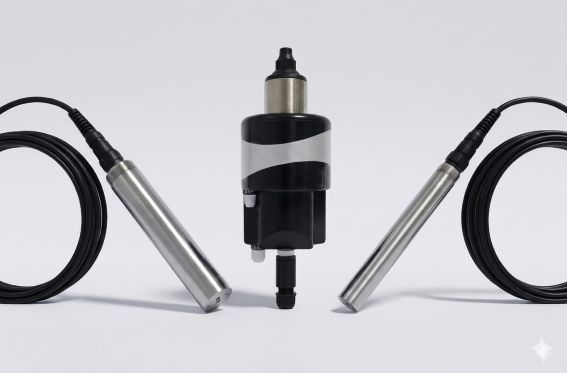
SSEA-TURBX Turbidity Sensor
In stock
SKU:
SSEA-TURBX
The Schmierer SEA SSEA-TURBX Turbidity Sensor is designed for continuous monitoring of water clarity in industrial, environmental, and water treatment applications. It measures turbidity caused by suspended particles, including sediment, organic matter, and other contaminants. By providing real-time turbidity data, the sensor helps operators monitor water quality and identify changes in treatment performance.
The SSEA-TURBX uses the 90° scattered-light measurement principle in accordance with ISO 7027. It features digital RS-485 Modbus RTU communication, a durable IP68-rated housing, and sapphire optical windows. Depending on the selected model, an automatic cleaning brush can help reduce bubble accumulation and biological fouling on the optical surface.