



 Pressure

Bourdon Tube
7 products
Boiler
2 productsChemical
3 products
Phenolic
1 product
Differential
7 products
Capsule
3 products
Test Pressure Gauge
5 products
Contact
4 products
Diaphragm
3 products
Diaphragm Seal
1 product
Digital
2 products
Pressure Transmitter
10 products
Pressure Switch
5 products
Load and Force
11 products
Accessories
15 products- Temperature
RTD
5 products
Bimetallic
2 products
Gas Filled
2 products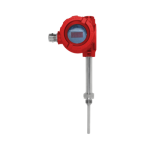
Non-Replaceable Inserts
3 products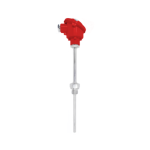
Replaceable Inserts
4 products
Ceramic Protection
7 products
Mineral Insulated
4 products
Flameproof and Intrinsically Safe
7 products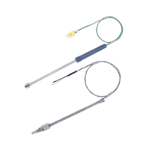
Surface and Machinery
30 products
Food and Pharma
7 products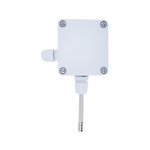
HVAC
9 products
Acids, Alkalis, Salts
4 products
Temperature Switch
1 product
Thermowell
16 products
Indicator, Controller
8 products
Accessories
9 products
Humidity
7 productsThermocouple
50 products
Cable Sensors
38 productsHead Sensors
9 products
High Temperature
6 products
Temperature Transmitter
6 products - Flow

Electro Magnetic
2 products
Vortex
3 products
Swirl
1 product
Ultrasonic
7 products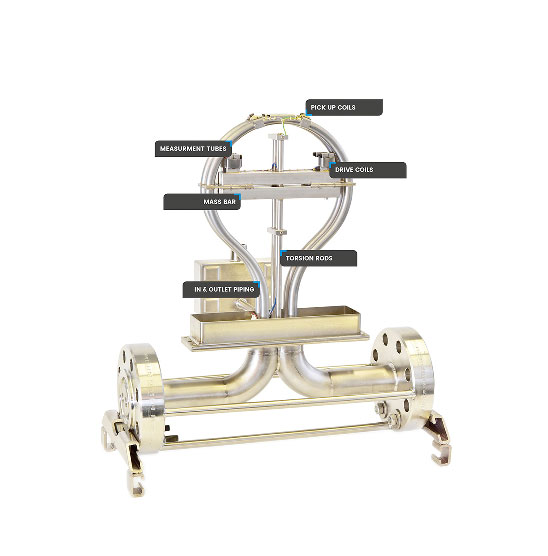
Coriolis Mass Flowmeter
28 products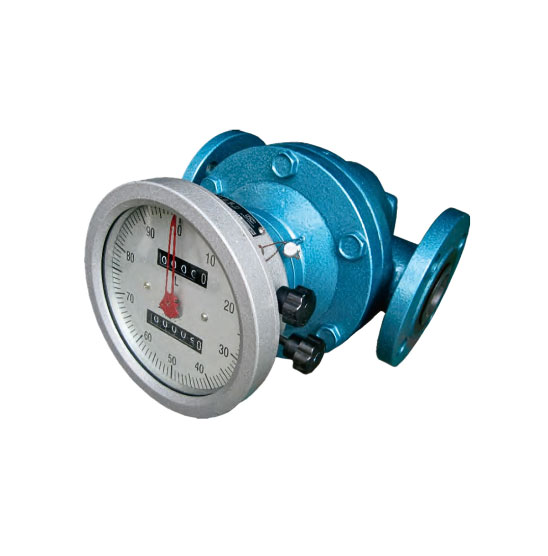
Positive Displacement
6 products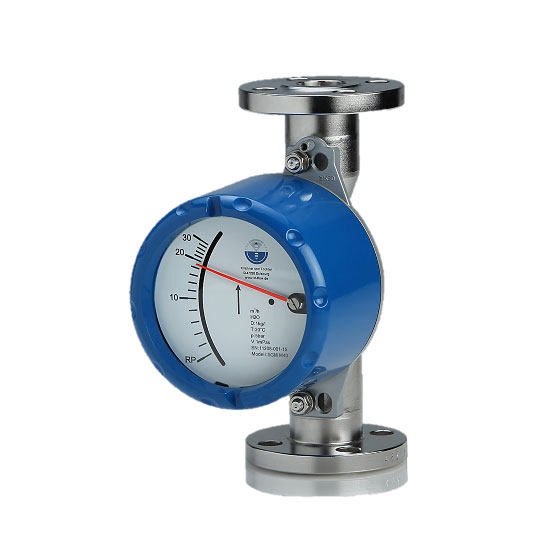
Variable Area
1 product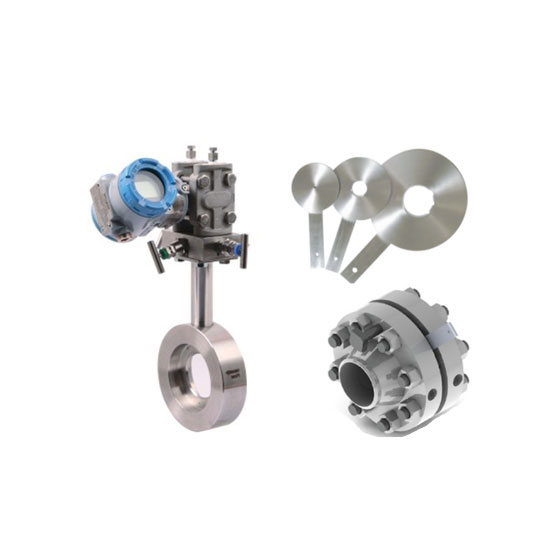
Differential Pressure
7 products
Turbine
4 products
Flap
1 product
Side Glass
1 product
Thermal gas
5 products
Air Flow/Quality
11 products
Flow Switch
9 products
Flow Computer
3 products
Flow Accessories
2 products
Dosing/Batching
6 products - Level
Radar
3 products
Ultrasonic
1 product
Capacitance
7 products
Conductivity
4 products
Magnetic
1 product
Float/Buoyancy
7 products
Level Indicator
3 products
Vibrating Rod
3 products
Rotary Paddle
2 products
Hydrostatic
2 products
Optical
1 product
Level Switches
11 products - Calibration Devices
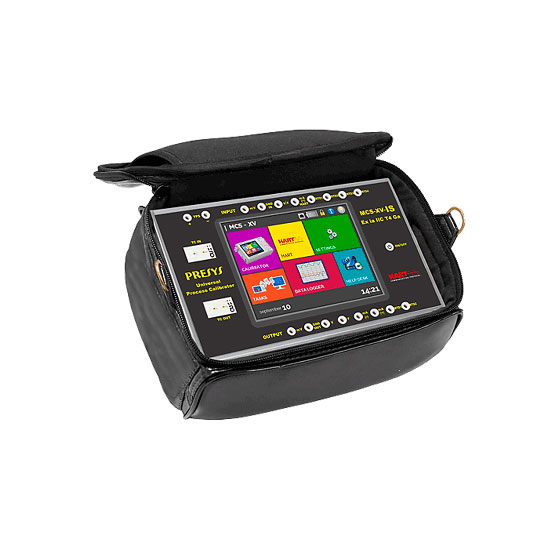
Multi Function Calibrators
2 products
Pressure Calibrators
4 products
Temperature Calibrators
6 products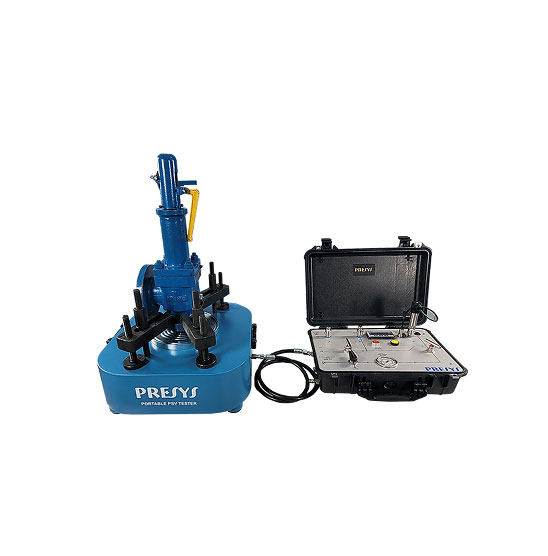
Valve Testing
1 product
Calibration Software
1 product  Valves
Actuator
1 product
Ball Valves
2 products
Butterfly Valves
3 products
Gate Valves
2 products
Globe Valves
3 products- Analytical Sensors

Water Quality Sensors
16 products
Process Systems
11 products
Density and Concentration
12 products
Analytical Controller
2 products - Process Systems







PC400 Particle Counter in Compressed Air
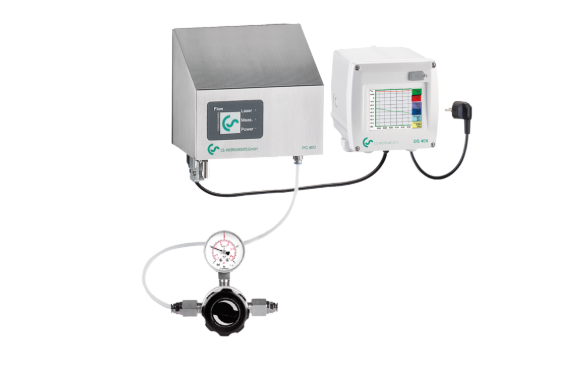
The CS Instruments PC 400 Particle Counter is a high-precision optical instrument designed to measure solid particle contamination in compressed air and industrial gases. It detects particles as small as 0.1 µm, helping users assess compressed air purity and monitor filtration performance.
Moreover, the PC 400 supports compressed air quality assessment according to ISO 8573-1. It helps identify filter breakthrough and unexpected particle contamination before these issues affect sensitive equipment or production processes.
Available in stationary and portable configurations, the PC 400 is suitable for continuous monitoring, maintenance inspections, and compressed air quality audits.
Description
Description
Models and Configurations
- PC 400, 0.1 µm version: Detects particles from 0.1 µm and supports monitoring of stringent compressed air purity requirements.
- PC 400, 0.3 µm version: Provides particle counting from 0.3 µm for applications where this detection threshold is sufficient.
- Stationary solution: Can be integrated with a DS 400 chart recorder for fixed monitoring and data recording.
- Portable solution: Can be supplied with the DS 500 mobile chart recorder for measurements at different locations.
The complete system configuration depends on the selected particle counter, recorder, accessories, and communication options.
Key Specifications
- Manufacturer: CS Instruments
- Model: PC 400
- Measurement principle: Optical laser particle counting
- Minimum particle size: 0.1 µm or 0.3 µm, depending on version
- Particle size channels, 0.1 µm version: 0.1–0.5 µm, 0.5–1.0 µm, and 1.0–5.0 µm
- Particle size channels, 0.3 µm version: 0.3–0.5 µm, 0.5–1.0 µm, and 1.0–5.0 µm
- Measurement parameter: Particle count per cubic metre, referenced to expanded air at 20°C and 1,000 hPa
- Sampling flow rate: 28.3 L/min (1 CFM)
- Maximum pressure at pressure-reducer inlet: 40 bar
- Measured gas humidity: Maximum 90% RH; pressure dew point up to +10°C, with no condensation
- Gas connection: 6 mm PTFE tubing with quick coupling
- Power supply: 24 VDC, approximately 300 mA
- Digital interface: RS-485, Modbus-RTU
- Housing: Stainless steel. Measured gas: compressed air free from aggressive, corrosive, acid, toxic, flammable and oxidising components, and gases such as N2, O2 and CO2; other gases on request
- Dimensions: Approximately 150 × 200 × 300 mm
- Weight: Approximately 4 kg
Specifications may vary by version and configuration. Check the current manufacturer datasheet before ordering.
Working Principle
The PC 400 uses optical laser technology to detect and count particles in a gas sample.
- Sample extraction: A representative compressed-air or gas sample is taken from the measurement point through a suitable sampling connection.
- Pressure reduction: The supplied pressure-reduction arrangement brings the sample to the conditions required by the particle counter.
- Optical detection: The sample passes through a measurement chamber illuminated by a laser diode.
- Particle detection: When particles pass through the laser beam, they scatter light. The optical detector analyses this scattered light to identify particle events and estimate particle size.
- Particle classification: The instrument groups detected particles into its configured size channels.
- Data transmission: Particle counts are transmitted to a compatible recorder or monitoring system for display, recording, and analysis.
Consequently, users can monitor particle contamination trends and identify potential problems with compressed air filtration.
Main Advantages
- High sensitivity: The 0.1 µm version detects very small particles.
- Optical measurement: Laser-based detection supports particle counting across multiple size ranges.
- ISO 8573-1 assessment: Supports evaluation of solid-particle contamination.
- Filter performance monitoring: Helps identify filter breakthrough and declining filtration performance.
- Three particle-size channels: Separates counts into defined size ranges for clearer analysis.
- Stationary and portable options: Supports continuous monitoring as well as service inspections.
- Digital communication: Modbus-RTU supports integration with compatible monitoring systems.
- Data recording options: Compatible DS 400 or DS 500 recorders can display and log measurement results.
Typical Applications
The PC 400 is suitable for:
- Compressed air filtration systems
- Compressed air dryer and filter performance checks
- Pharmaceutical manufacturing
- Food and beverage production
- Electronics manufacturing
- Automotive and precision engineering
- Industrial gas monitoring
- Compressed air quality audits
- Monitoring at production-machine points of use
The measured gas must meet the manufacturer’s compatibility and operating-condition requirements. Confirm suitability before using the instrument with gases other than those explicitly approved.
Stationary vs. Portable PC 400
Stationary PC 400: A fixed installation is suitable when operators need ongoing particle monitoring at a critical point in the compressed air network. When combined with a compatible DS 400 recorder, the system can display measurement channels, record trends, and provide configured alarms.
Portable PC 400: The mobile version is useful for maintenance teams and service engineers who need to check several measurement points. When paired with a DS 500 mobile recorder, it supports measurements at different locations without installing a permanent instrument at every point.
Why Particle Monitoring Matters
Solid particles can enter a compressed air system through the intake air, corroded pipework, compressor wear, or inadequate filtration. These contaminants can damage pneumatic components and compromise sensitive manufacturing processes.
The PC 400 helps quantify particle contamination by size. Therefore, operators can assess filtration effectiveness, investigate contamination sources, and verify whether measured particle counts meet the applicable compressed air quality requirements.
Important: The PC 400 measures solid particles. It does not independently measure residual oil vapour or pressure dew point. Complete compressed air quality assessment may require additional instruments for oil and moisture, as well as the appropriate sampling and evaluation procedures.
Conclusion
The CS Instruments PC 400 Particle Counter provides optical particle counting for compressed air and compatible industrial gases. With versions detecting particles from 0.1 µm or 0.3 µm, three particle-size channels, and stationary or portable configurations, it helps users assess air purity and monitor filtration performance.
For facilities that depend on clean compressed air, the PC 400 is a useful instrument for contamination monitoring, quality checks, and maintenance troubleshooting.
Datasheets
About CS Instruments
CS Instruments, from Germany, makes measuring instruments for compressed air and gases, and Schmierer SEA offers nine of them from Shah Alam: flow meters for consumption and compressor capacity, the LD500 and LD510 ultrasonic leak detectors with camera, and dew point, particle and oil vapour sensors for air quality. Our team helps you select the instrument and set it up.
Which CS Instruments product for which job
| Job | Product | Stated figures |
|---|---|---|
| Consumption in dry air | VA 500, 520, 550, 570 | Thermal mass flow, no moving parts; up to 40 bar (selected VA 520) or 50 bar (selected VA 550) |
| Wet air at the compressor outlet | VD 500 | -30 to +180 °C, up to 30 bar, DN 20 to DN 600 |
| Compressor capacity and billing | CMM 500 | ±0.5% of reading from 20 to 100% of maximum flow |
| Flow without cutting the pipe | VC600 | Clamp-on ultrasonic, pipes 25 to 90 mm outside diameter |
| Finding leaks | LD500 and LD510 | Leak rate and annual cost estimate per leak; LD510 adds a sensor input |
| Dew point and humidity | FA 510, FL 510 | Pressure dew point after the dryer; 0 to 100% RH |
| Particles | PC400 | From 0.1 µm or 0.3 µm, three size channels |
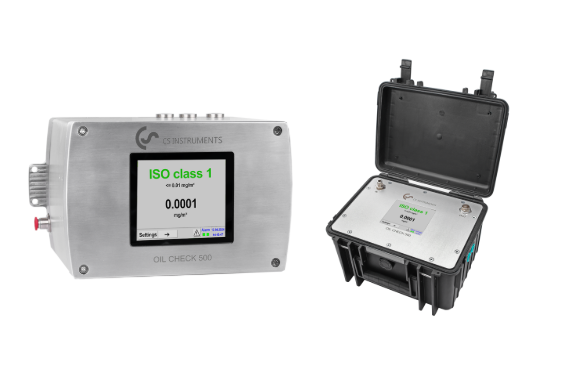
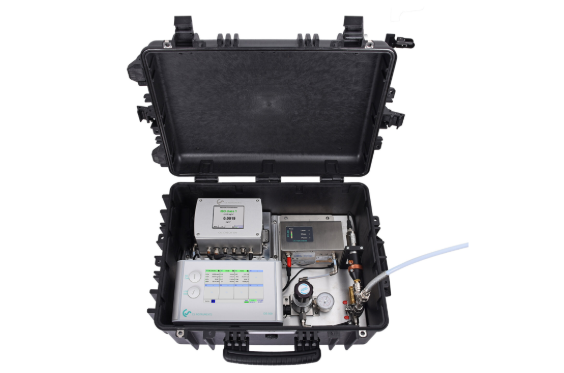
| Oil vapour | Oil Check500 | 0.001 to 5 mg/m³ at 3 to 9 bar |
| Air quality as one system | Compressed Air Quality Monitoring | Particle, moisture and oil sensors on one interface |
Where to start
- High energy bill: measure consumption with a VA sensor, then find the leaks with the LD500.
- Compressor performance in doubt: the CMM 500 is built as a reference meter for free air delivery.
- Air quality requirements: ISO 8573-1 classes air by particles, water and oil; the PC400, FA 510 and Oil Check500 measure each.
All CS Instruments products and the compact gas flow sensors we offer are on the compressed air flow meter page. Tell us the pipe size, pressure and what you need to know, and send an enquiry.
Related products

Massflow Sensor RHM02 small size 0.02 – 2 kg/min
In stock
SKU:
RHM02
The RHM02 is available with a wide selection of wetted materials and the highest pressure and temperature ratings in the market. It is suitable for all low flow applications where high accuracy is a must.
PDF datasheet

Massflow Sensor RHM30 middle size 5 – 750 kg/min
In stock
SKU:
RHM30
The RHM30 is available with a wide choice of material options to suit benign and aggresive applications. Heavy duty variants meet high pressure and high temperature needs while providing the highest accuracy performance.
PDF datasheet

Massflow Sensor RHM40 middle size 12.5 – 1500 kg/min
In stock
SKU:
RHM40
The RHM40 Coriolis sensor offers a low pressure drop and exceptional turndown capability. Designed for general process applications, the RHM40 is available with a choice of materials and the highest pressure ratings.
PDF datasheet

Massflow Transm. RHE12 – Exd field mount in Alu
In stock
SKU:
RHE 12
The RHE12 explosionproof mass flow transmitter features standard HART communications and magnetic behind-glass controls. The RHE12 is supplied with a standard post mounting kit and a choice of integrated sensor cables.
PDF datasheet