



 Pressure

Bourdon Tube
7 products
Boiler
2 productsChemical
3 products
Phenolic
1 product
Differential
7 products
Capsule
3 products
Test Pressure Gauge
5 products
Contact
4 products
Diaphragm
3 products
Diaphragm Seal
1 product
Digital
2 products
Pressure Transmitter
10 products
Pressure Switch
5 products
Load and Force
11 products
Accessories
15 products- Temperature
RTD
5 products
Bimetallic
2 products
Gas Filled
2 products
Non-Replaceable Inserts
3 products
Replaceable Inserts
4 products
Ceramic Protection
7 products
Mineral Insulated
4 products
Flameproof and Intrinsically Safe
7 products
Surface and Machinery
30 products
Food and Pharma
7 products
HVAC
9 products
Acids, Alkalis, Salts
4 products
Temperature Switch
1 product
Thermowell
16 products
Indicator, Controller
8 products
Accessories
9 products
Humidity
7 productsThermocouple
50 products
Cable Sensors
38 productsHead Sensors
9 products
High Temperature
6 products
Temperature Transmitter
6 products - Flow

Electro Magnetic
2 products
Vortex
3 products
Swirl
1 product
Ultrasonic
7 products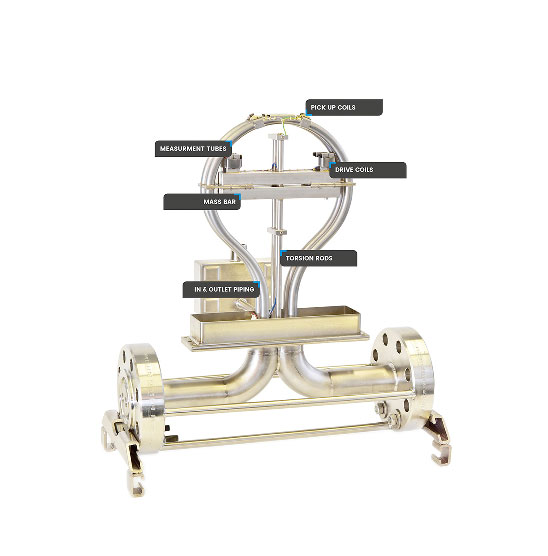
Coriolis Mass Flowmeter
28 products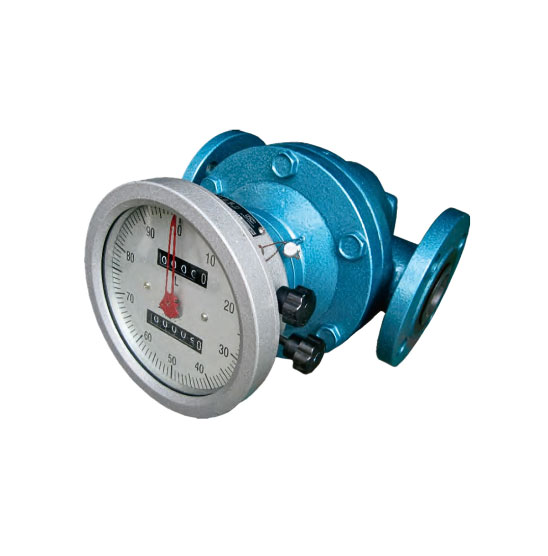
Positive Displacement
6 products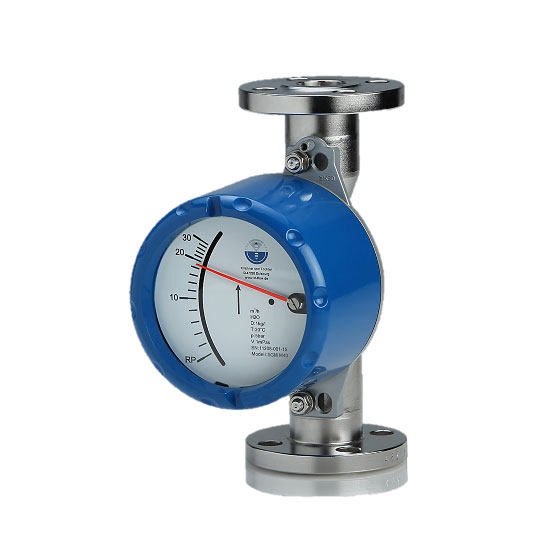
Variable Area
1 product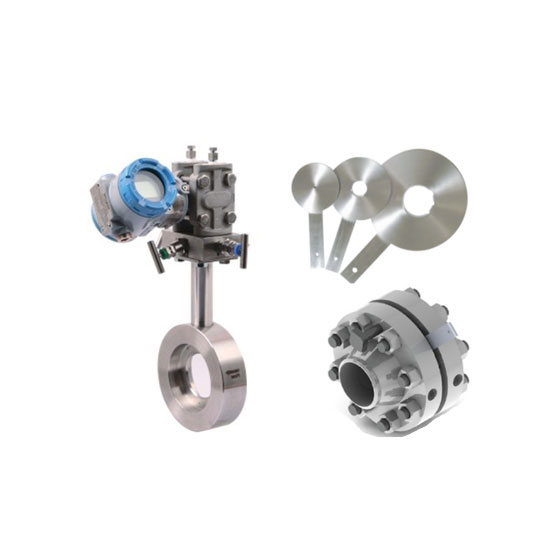
Differential Pressure
7 products
Turbine
4 products
Flap
1 product
Side Glass
1 product
Thermal gas
5 products
Air Flow/Quality
11 products
Flow Switch
9 products
Flow Computer
3 products
Flow Accessories
2 products
Dosing/Batching
6 products - Level
Radar
3 products
Ultrasonic
1 product
Capacitance
7 products
Conductivity
4 products
Magnetic
1 product
Float/Buoyancy
7 products
Level Indicator
3 products
Vibrating Rod
3 products
Rotary Paddle
2 products
Hydrostatic
2 products
Optical
1 product
Level Switches
11 products - Calibration Devices
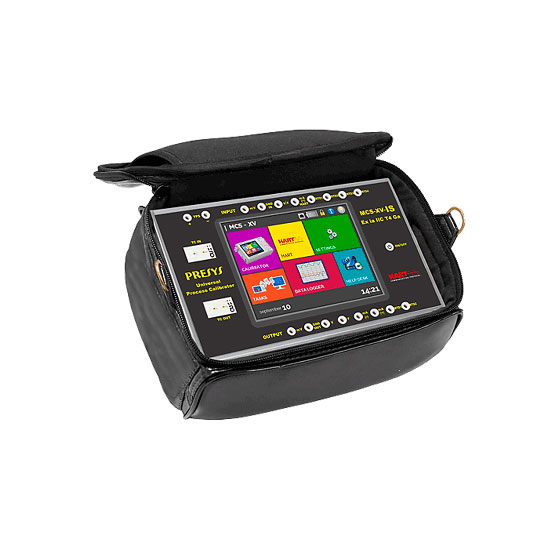
Multi Function Calibrators
2 products
Pressure Calibrators
4 products
Temperature Calibrators
6 products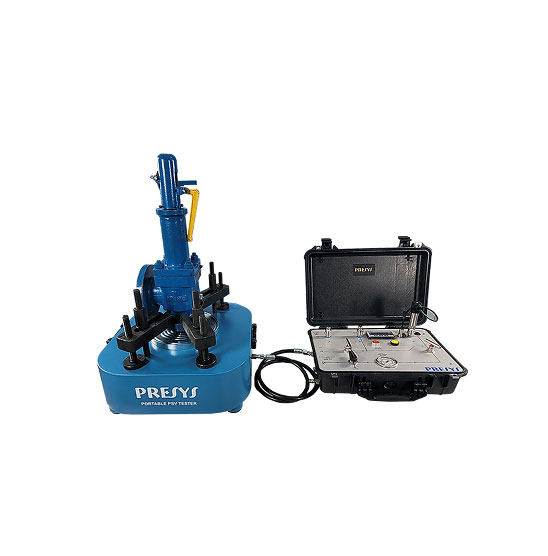
Valve Testing
1 product
Calibration Software
1 product  Valves
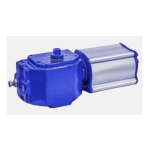
Actuator
1 product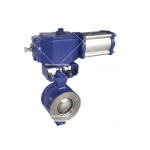
Ball Valves
2 products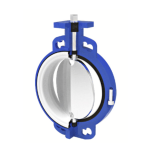
Butterfly Valves
3 products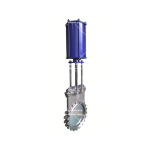
Gate Valves
2 products
Globe Valves
3 products- Analytical Sensors

Water Quality Sensors
16 products
Process Systems
11 products
Density and Concentration
12 products
Analytical Controller
2 products - Process Systems







Thermal Mass Flow VA series
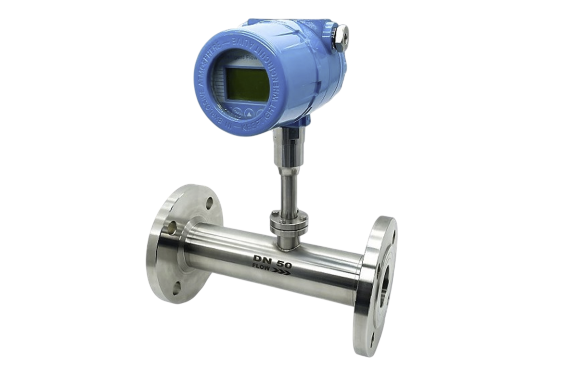
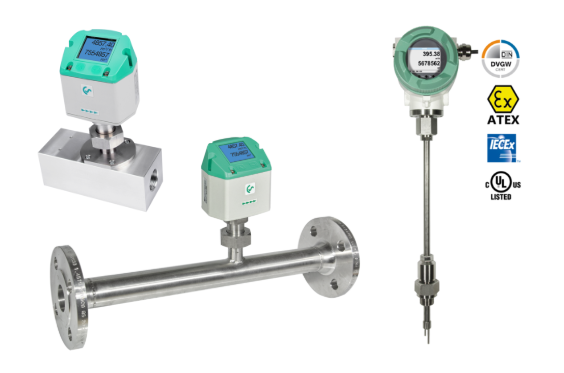
The CS Instruments VA are highly accurate, cost-effective thermal mass flow meters designed specifically for monitoring of compressed air, and gases for inline, insertion and flange type installation: direct mass flow measurement, no wear, low loss.
VA 500 / VA 520: Compact inline or insertion meters built for standard compressed air, nitrogen, oxygen, argon, and CO2 monitoring.
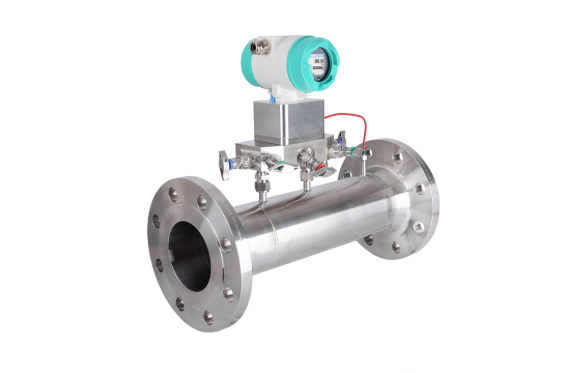
VA 550 / VA 570: Heavy-duty and robust industrial versions with stainless steel wetted parts, optional ATEX/IECEx or DVGW approvals for flammable or harsh gases like natural gas, hydrogen, and biogas.
Description
Description
CS Instruments VA Series Thermal Mass Flow Meters
The CS Instruments VA Series Thermal Mass Flow Meters provide accurate flow measurement for compressed air and compatible industrial gases. They help manufacturers monitor gas consumption, detect leaks, and improve energy efficiency. Their thermal mass flow technology has no moving parts, helping reduce mechanical wear and maintenance requirements.
The VA Series includes different models for inline measurement, insertion installation, and demanding industrial environments. Users can select a suitable flow meter based on pipe size, operating pressure, gas type, and installation requirements.
1. Models in the CS Instruments VA Series
VA 500 – Thermal Mass Flow Meter
The VA 500 measures compressed air and compatible industrial gases. Depending on the configuration, signal options include 4–20 mA, pulse output, and RS-485 Modbus RTU communication. These interfaces support consumption monitoring and integration with industrial control systems.
VA 520 – Inline Thermal Mass Flow Meter
The VA 520 features an integrated measuring section for straightforward installation. It measures mass flow and provides standard volume flow values based on configured reference conditions. Its sensor design facilitates servicing, while the measuring section remains installed in the pipeline.
VA 550 – Insertion Thermal Mass Flow Sensor
The VA 550 is designed for demanding industrial applications and large pipe sizes. It installs through a suitable process connection, such as a 1/2-inch ball valve where the configuration permits. Depending on the selected version, ATEX or IECEx approvals may be available for hazardous-area applications, while DVGW approval may apply to specific natural gas applications.
VA 570 – Thermal Mass Flow Meter for Gas Consumption
The VA 570 supports permanent gas consumption monitoring and features an integrated measuring section. Selected versions may offer ATEX/IECEx or DVGW approvals, depending on the intended application and configuration.
2. Key Technical Specifications
- Measurement Principle: Thermal mass flow measurement.
- Measured Media: Compressed air and compatible industrial gases.
- Measurement Outputs: Mass flow and calculated standard volume flow based on configured reference conditions.
- Signal Outputs: 4–20 mA, pulse output, and Modbus RTU on supported models and configurations.
- Optional Communication: Modbus TCP, M-Bus, and other interfaces, depending on the model and accessories.
- Pressure Rating: The stated limits include up to 40 bar for selected VA 520 configurations and up to 50 bar for selected VA 550 versions. Special VA 550 versions may support up to 100 bar.
- Medium Temperature: Selected VA 520 configurations support temperatures up to 80°C, while certain VA 550 versions support up to 180°C. Hazardous-area versions may have lower limits.
- Installation: Inline or insertion, depending on the model.
- Maintenance: No moving parts, helping minimize mechanical wear.
- Display: Local display and configuration functions are available on supported models.
Note: Specifications vary by model, gas, configuration, and approval. Confirm the exact pressure rating, temperature limits, accuracy, communication interfaces, and certifications against the manufacturer’s datasheet before selecting a device.
3. Working Principle of a Thermal Mass Flow Meter
The CS Instruments VA Series uses the thermal mass flow principle to measure gas flow.
- Heat the Sensor: The instrument uses a heated sensor element and a reference temperature sensor to establish the thermal measurement conditions.
- Detect Heat Transfer: As gas passes the heated sensor, it carries heat away. The amount of heat transferred changes with gas flow and its thermal properties.
- Measure the Thermal Response: The electronics detect the change in temperature or measure the energy required to maintain the sensor’s temperature difference.
- Calculate Gas Flow: The electronics convert the thermal response into a mass flow measurement. The meter can also calculate standard volume flow using configured reference conditions.
- Transmit the Signal: The instrument displays the reading, where supported, and transmits measurement data to a PLC, DCS, energy monitoring system, or SCADA platform through compatible outputs.
Unlike conventional volumetric flow measurement technologies, thermal mass flow meters determine mass flow from the sensor’s thermal response. This makes them particularly useful for monitoring compressed air and compatible industrial gas consumption.
4. Advantages of the VA Series
- Reliable Gas Measurement: Monitor low and high flow rates within the selected model’s specified measuring range.
- Reduced Maintenance: The absence of moving parts helps minimize mechanical wear.
- Low Pressure Drop: The sensor design creates minimal obstruction to gas flow, helping limit pressure losses.
- Energy Management: Identify excessive consumption and potential compressed air leaks.
- Flexible Installation: Choose inline or insertion designs to suit the pipeline layout.
- System Integration: Connect compatible models to PLC, DCS, and SCADA systems through supported communication interfaces.
- Local Monitoring: View measurements and configure supported instruments using their integrated displays.
- Industrial Suitability: Select appropriate versions for demanding environments and approved hazardous-area applications.
5. Industrial Applications
Compressed Air Monitoring: Measure air consumption in production lines, workshops, and distribution networks. This helps operators identify inefficient equipment and reduce compressed air waste.
Leak Detection: Monitor flow during non-production periods. Unexpected consumption may indicate leaks or equipment left running.
Energy Management: Track gas usage by department, machine, or production process. This helps engineers allocate consumption, assess operating costs, and identify opportunities for improvement.
Industrial Gas Measurement: Measure compatible gases such as nitrogen, oxygen, argon, and helium, subject to the selected model’s specifications and approved gas compatibility.
Natural Gas and Biogas: Use an appropriately configured and approved model when the gas composition, pressure, temperature, and installation meet the applicable requirements.
Process Automation: Transmit flow data to PLC, DCS, or SCADA systems for process monitoring, reporting, and control.
Conclusion
The CS Instruments VA Series Thermal Mass Flow Meters provide a practical solution for compressed air and industrial gas measurement. With multiple models, flexible installation options, and industrial communication interfaces, the series helps users monitor consumption, identify leaks, and improve energy performance.
Select the appropriate model according to gas type, pipe size, operating conditions, accuracy requirements, and hazardous-area classification. Always verify the technical specifications and approvals for the intended application.
About CS Instruments
CS Instruments, from Germany, makes measuring instruments for compressed air and gases, and Schmierer SEA offers nine of them from Shah Alam: flow meters for consumption and compressor capacity, the LD500 and LD510 ultrasonic leak detectors with camera, and dew point, particle and oil vapour sensors for air quality. Our team helps you select the instrument and set it up.
Which CS Instruments product for which job
| Job | Product | Stated figures |
|---|---|---|
| Consumption in dry air | VA 500, 520, 550, 570 | Thermal mass flow, no moving parts; up to 40 bar (selected VA 520) or 50 bar (selected VA 550) |
| Wet air at the compressor outlet | VD 500 | -30 to +180 °C, up to 30 bar, DN 20 to DN 600 |
| Compressor capacity and billing | CMM 500 | ±0.5% of reading from 20 to 100% of maximum flow |
| Flow without cutting the pipe | VC600 | Clamp-on ultrasonic, pipes 25 to 90 mm outside diameter |
| Finding leaks | LD500 and LD510 | Leak rate and annual cost estimate per leak; LD510 adds a sensor input |
| Dew point and humidity | FA 510, FL 510 | Pressure dew point after the dryer; 0 to 100% RH |
| Particles | PC400 | From 0.1 µm or 0.3 µm, three size channels |
| Oil vapour | Oil Check500 | 0.001 to 5 mg/m³ at 3 to 9 bar |
| Air quality as one system | Compressed Air Quality Monitoring | Particle, moisture and oil sensors on one interface |
Where to start
- High energy bill: measure consumption with a VA sensor, then find the leaks with the LD500.
- Compressor performance in doubt: the CMM 500 is built as a reference meter for free air delivery.
- Air quality requirements: ISO 8573-1 classes air by particles, water and oil; the PC400, FA 510 and Oil Check500 measure each.
All CS Instruments products and the compact gas flow sensors we offer are on the compressed air flow meter page. Tell us the pipe size, pressure and what you need to know, and send an enquiry.
Related products

Massflow Sensor RHM15 middle size 1 – 200 kg/min
In stock
SKU:
RHM15
The RHM15 is an all-purpose meter suitable for liquid processing plants. A wide application flow range capability allows for commonality of installation across numerous lines – a real benefit to owners and operators.
PDF datasheet

Massflow Transm. RHE 15 – PROFIBUS DP Module
In stock
SKU:
RHE 15
The RHE15 is an expansion module providing connectivity for an RHE14 transmitter to a PROFIBUS-DP system. The unit can optionally act as a gateway for other local instruments without PROFIBUS functionality.
PDF datasheet

Massflow Transm. RHE 21 – Exd Field Mount
In stock
SKU:
RHE 21
The RHE21 is an advanced function, explosion proof, field mount transmitter. With a corrosion resistant stainless steel enclosure and through-glass operation capability, the RHE21 is rated to IP67 and suitable for the most extreme of installation environments. Multifunction capability provides real time mass and volumetric flow plus density and temperature indication with the option of connecting external sensors such as pressure transducers or precision densitometers for even greater measurement accuracy. Features such as API Standard Volume correction and Net Oil calculation are available. The RHE21 supports connection to any of the wide range of RHM series of mass flow sensors and can be supplied with a tamperproof switch for critical applications. When the unique Rheonik Assurance Factor® advanced diagnostics package is included, the RHE21 gives headache-free operation and provides deep insight into measurement conditions for precise process control.
PDF datasheet

Massflow Transm. RHE12 – Exd field mount in Alu
In stock
SKU:
RHE 12
The RHE12 explosionproof mass flow transmitter features standard HART communications and magnetic behind-glass controls. The RHE12 is supplied with a standard post mounting kit and a choice of integrated sensor cables.
PDF datasheet