



 Pressure

Bourdon Tube
7 products
Boiler
2 productsChemical
3 products
Phenolic
1 product
Differential
7 products
Capsule
3 products
Test Pressure Gauge
5 products
Contact
4 products
Diaphragm
3 products
Diaphragm Seal
1 product
Digital
2 products
Pressure Transmitter
10 products
Pressure Switch
5 products
Load and Force
11 products
Accessories
15 products- Temperature
RTD
5 products
Bimetallic
2 products
Gas Filled
2 products
Non-Replaceable Inserts
3 products
Replaceable Inserts
4 products
Ceramic Protection
7 products
Mineral Insulated
4 products
Flameproof and Intrinsically Safe
7 products
Surface and Machinery
30 products
Food and Pharma
7 products
HVAC
9 products
Acids, Alkalis, Salts
4 products
Temperature Switch
1 product
Thermowell
16 products
Indicator, Controller
8 products
Accessories
9 products
Humidity
7 productsThermocouple
50 products
Cable Sensors
38 productsHead Sensors
9 products
High Temperature
6 products
Temperature Transmitter
6 products - Flow

Electro Magnetic
2 products
Vortex
3 products
Swirl
1 product
Ultrasonic
7 products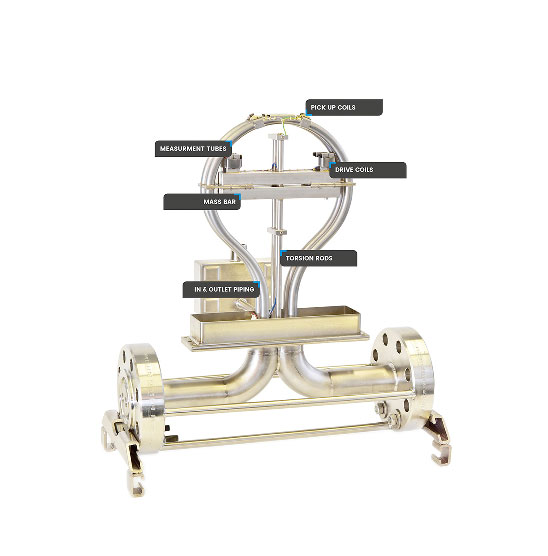
Coriolis Mass Flowmeter
28 products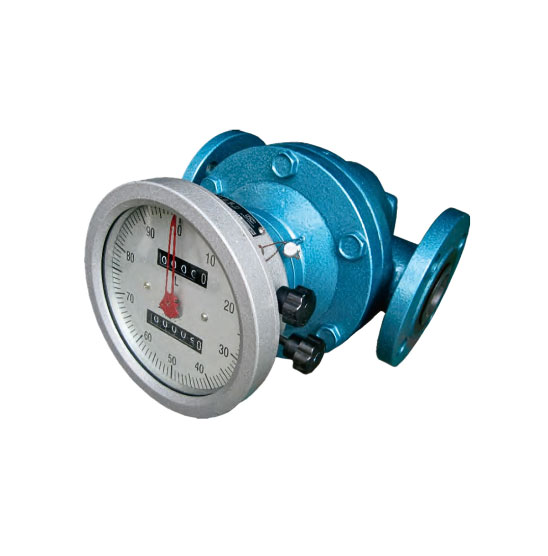
Positive Displacement
6 products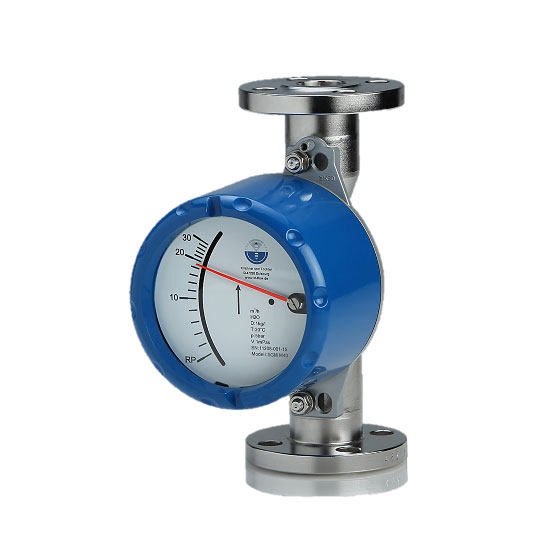
Variable Area
1 product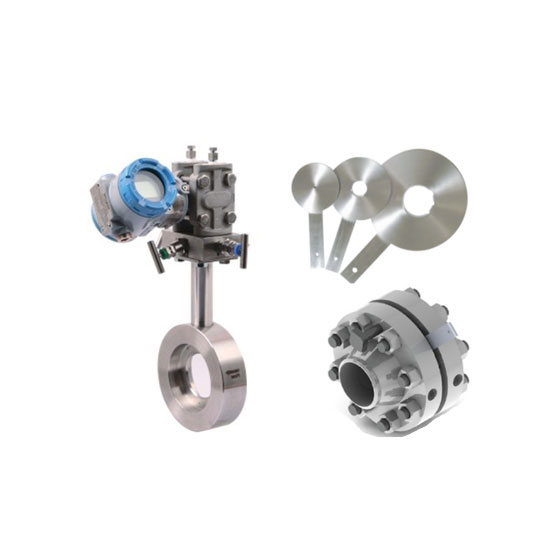
Differential Pressure
7 products
Turbine
4 products
Flap
1 product
Side Glass
1 product
Thermal gas
5 products
Air Flow/Quality
11 products
Flow Switch
9 products
Flow Computer
3 products
Flow Accessories
2 products
Dosing/Batching
6 products - Level
Radar
3 products
Ultrasonic
1 product
Capacitance
7 products
Conductivity
4 products
Magnetic
1 product
Float/Buoyancy
7 products
Level Indicator
3 products
Vibrating Rod
3 products
Rotary Paddle
2 products
Hydrostatic
2 products
Optical
1 product
Level Switches
11 products - Calibration Devices
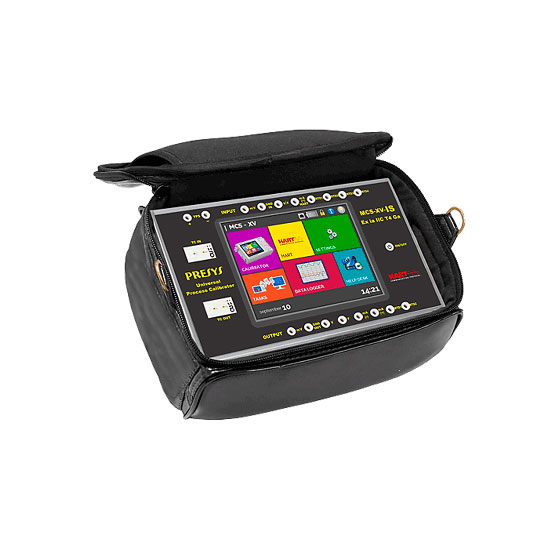
Multi Function Calibrators
2 products
Pressure Calibrators
4 products
Temperature Calibrators
6 products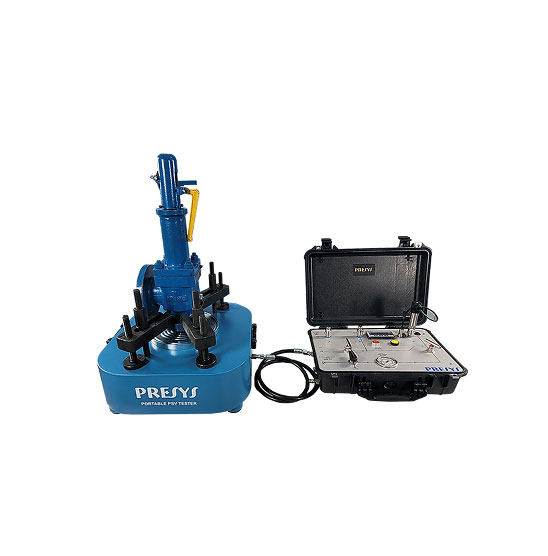
Valve Testing
1 product
Calibration Software
1 product  Valves
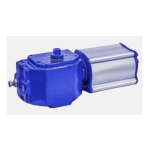
Actuator
1 product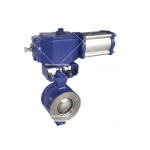
Ball Valves
2 products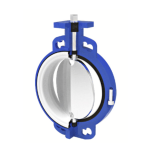
Butterfly Valves
3 products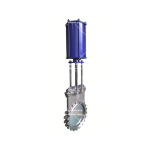
Gate Valves
2 products
Globe Valves
3 products- Analytical Sensors

Water Quality Sensors
16 products
Process Systems
11 products
Density and Concentration
12 products
Analytical Controller
2 products - Process Systems








SSEA-OIWX Oil in Water Sensor
The Schmierer SEA SSEA-OIWX Oil-in-Water Sensor is an online digital sensor designed for continuous monitoring of petroleum hydrocarbons in water. It helps detect oil contamination in industrial water systems, wastewater, and environmental monitoring applications.
The SSEA-OIWX uses ultraviolet (UV) fluorescence technology to detect oils in water without chemical reagents. It is designed to monitor dissolved and emulsified oils, while its integrated automatic cleaning brush helps remove air bubbles and reduce contamination on the sensor surface. As a result, the sensor supports more consistent measurements and reduces the need for frequent manual cleaning.
With real-time monitoring capabilities, the SSEA-OIWX can help operators identify oil contamination, assess water quality, and support environmental compliance monitoring.
Description
Description
Key Features SSEA-OIWX Oil-in-Water Sensor – Online Oil Contamination Monitoring
- Measurement technology: Ultraviolet (UV) fluorescence for oil-in-water detection.
- Continuous monitoring: Provides real-time data on petroleum hydrocarbon contamination in water.
- Reagent-free measurement: Detects oil contamination without requiring chemical reagents during normal measurement.
- Automatic cleaning brush: Helps remove air bubbles and reduce contamination on the sensor surface.
- Digital sensor design: Supports integration into compatible monitoring and control systems.
- Reduced maintenance: Automatic cleaning helps reduce the frequency of manual optical surface cleaning.
Working Principle
The SSEA-OIWX uses UV fluorescence to detect petroleum hydrocarbons in water.
- UV light emission: The sensor emits ultraviolet light into the water sample.
- Hydrocarbon excitation: Certain petroleum hydrocarbons absorb the UV energy and emit light at longer wavelengths.
- Fluorescence detection: An optical detector measures the emitted fluorescence.
- Signal processing: The sensor processes the optical signal to determine the oil-in-water measurement according to its calibration.
- Data transmission: The measured values are made available to a compatible monitoring or control system.
The fluorescence response depends on the type and composition of the hydrocarbons present. Therefore, calibration and measurement performance can vary with the oil type and water matrix.
Advantages
- Real-time contamination detection: Helps operators identify changes in oil concentration quickly.
- Reagent-free operation: Reduces the need for chemical consumables during normal measurement.
- Automatic surface cleaning: Helps limit the effects of bubbles and deposits on the sensor’s optical surface.
- Continuous water quality monitoring: Supports ongoing observation of oil contamination in industrial and environmental systems.
- Process monitoring support: Provides measurement data that can help operators evaluate treatment performance and investigate contamination events.
- Environmental monitoring support: Helps facilities track oil contamination and support their monitoring programmes.
Typical Applications
- Industrial wastewater monitoring
- Oil-in-water monitoring in petroleum and petrochemical facilities
- Produced water monitoring in oil and gas operations
- Cooling water and process water monitoring
- Oil contamination detection in industrial water systems
- Environmental water quality monitoring
- Wastewater treatment process monitoring
- Monitoring of water discharge from industrial facilities
Installation and Maintenance Considerations
Install the SSEA-OIWX according to the manufacturer’s instructions and the requirements of the selected model. Choose a representative sampling or installation location to ensure that the sensor measures water that reflects the process being monitored.
Although the automatic cleaning brush helps reduce deposits and air bubbles, periodic inspection and maintenance may still be required. Check the optical surface, cleaning mechanism, cable connections, and sensor response according to the manufacturer’s maintenance schedule.
Before installation, confirm the measurement range, required detection limits, oil type, water composition, mounting arrangement, communication interface, and compatibility with the monitoring or control system.
Conclusion
The Schmierer SEA SSEA-OIWX Oil-in-Water Sensor provides online monitoring of petroleum hydrocarbons in water using UV fluorescence technology. Its reagent-free measurement approach and integrated automatic cleaning brush support continuous monitoring with reduced manual cleaning requirements.
For industrial facilities that need to monitor oil contamination, assess water quality, or track wastewater discharge, the SSEA-OIWX offers a practical solution for real-time oil-in-water measurement.
Related products

Density and Concentration Meter DIMF
In stock
SKU:
DIMF
The liquid density meter of the DIMF series is used for continuous measurement of the density/concentration of liquids or liquid mixtures. The proven tuning fork principle guarantees a high acccuracy with very good long term stability.The robust design ensures reliable operation even under harsh operating conditions.
download pdf datasheet

SSEA-CODX Chemical Oxygen Demand Sensor
In stock
SKU:
SSEACODX
The SSEACODX self cleaning COD Sensor delivers reagent-free, real-time tracking of organic pollutants in water. Utilizing advanced UVC LED absorption at 254 nm, it features automatic turbidity compensation and an integrated self-cleaning wiper to ensure stable, low-maintenance online operation across municipal and industrial wastewater applications.
This proven technology provides reliable and accurate analysis of organic pollutants for water quality monitoring at low cost and low maintenance. With rugged design, and integrated turbidity compensation, it is an excellent solution for continuous monitoring of source water, surface water, municipal and industrial wastewater.
SSEA-DCCX dual channel controller
In stock
SKU:
SSEA-DCCX
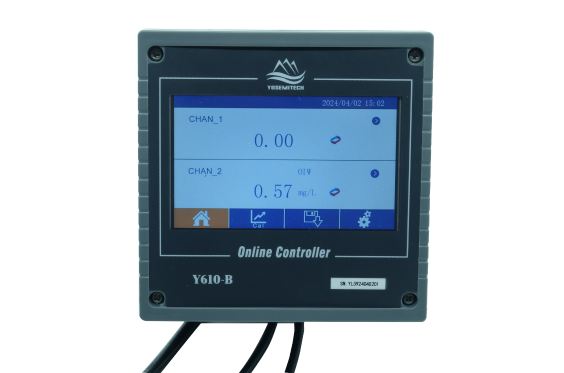
The SSEA-DCCX Dual-Channel Transmitter supports single-channel and dual-channel operation to meet different measurement requirements. This flexible design helps reduce equipment costs and installation space.
The transmitter features a 5-inch color touchscreen that displays real-time sensor measurements and control data. In addition, its intuitive menu simplifies configuration and daily operation.
A customized data acquisition program provides plug-and-play functionality for compatible sensors. Therefore, technicians can install or replace electrodes quickly and easily. The transmitter also supports multiple data transmission methods, data storage, and data export for convenient monitoring and analysis.
SSEA-NO3X Nitrate Sensor
In stock
SKU:
SSEA-NO3X
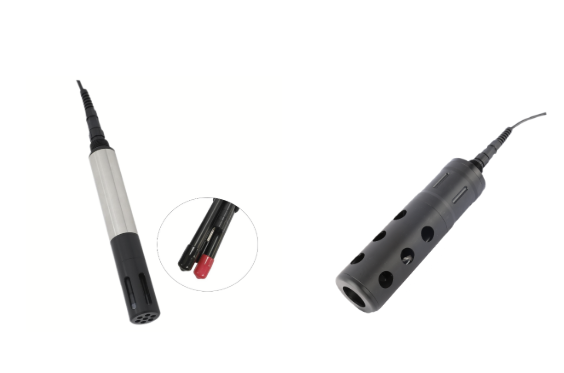
The SSEA-NO3X Nitrate Sensor is an industrial-grade digital probe engineered for continuous, real-time tracking of nitrate ions in aqueous solutions. Eliminating the need for dangerous chemical reagents or complex laboratory prep, this eco-friendly device utilizes advanced Ion-Selective Electrode (ISE) technology to achieve highly precise, instant measurements. Equipped with high-performance PVC membranes, an integrated RS485 Modbus interface, and an optional motorized self-cleaning wiper, it provides robust anti-interference capabilities and stable field operations.