



 Pressure

Bourdon Tube
7 products
Boiler
2 productsChemical
3 products
Phenolic
1 product
Differential
7 products
Capsule
3 products
Test Pressure Gauge
5 products
Contact
4 products
Diaphragm
3 products
Diaphragm Seal
1 product
Digital
2 products
Pressure Transmitter
10 products
Pressure Switch
5 products
Load and Force
11 products
Accessories
15 products- Temperature
RTD
5 products
Bimetallic
2 products
Gas Filled
2 products
Non-Replaceable Inserts
3 products
Replaceable Inserts
4 products
Ceramic Protection
7 products
Mineral Insulated
4 products
Flameproof and Intrinsically Safe
7 products
Surface and Machinery
30 products
Food and Pharma
7 products
HVAC
9 products
Acids, Alkalis, Salts
4 products
Temperature Switch
1 product
Thermowell
16 products
Indicator, Controller
8 products
Accessories
9 products
Humidity
7 productsThermocouple
50 products
Cable Sensors
38 productsHead Sensors
9 products
High Temperature
6 products
Temperature Transmitter
6 products - Flow

Electro Magnetic
2 products
Vortex
3 products
Swirl
1 product
Ultrasonic
7 products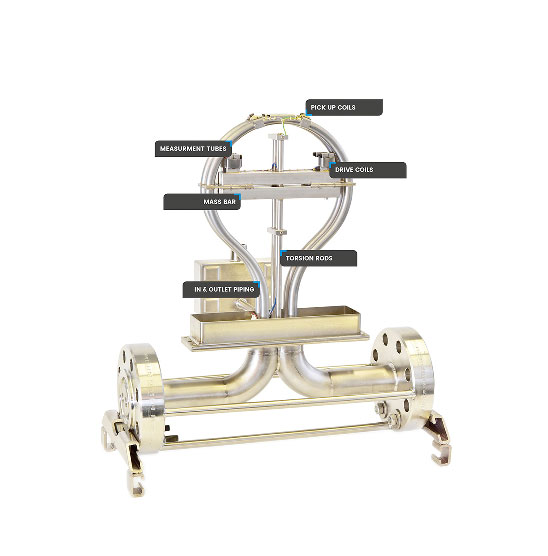
Coriolis Mass Flowmeter
28 products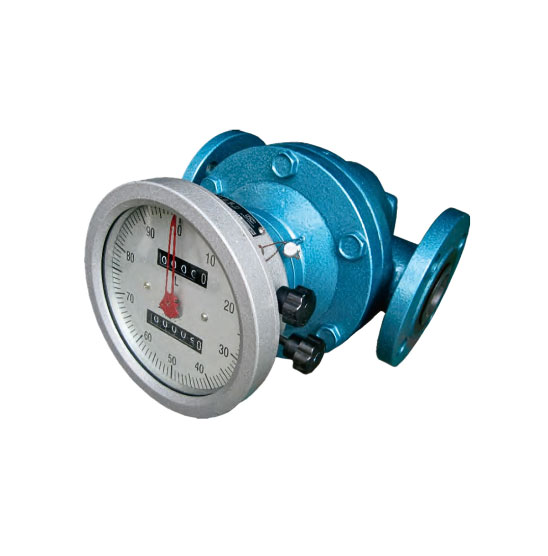
Positive Displacement
6 products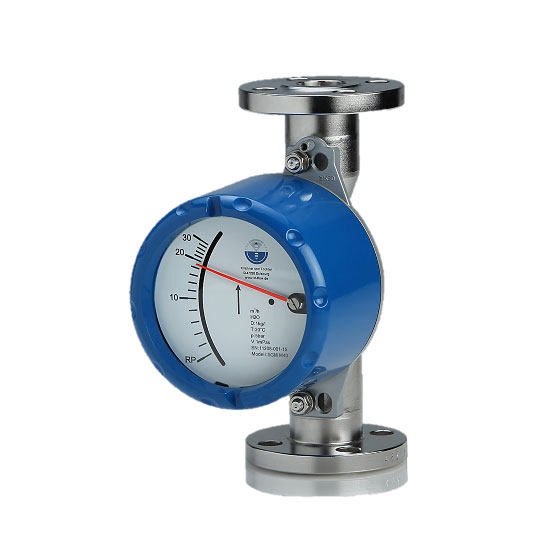
Variable Area
1 product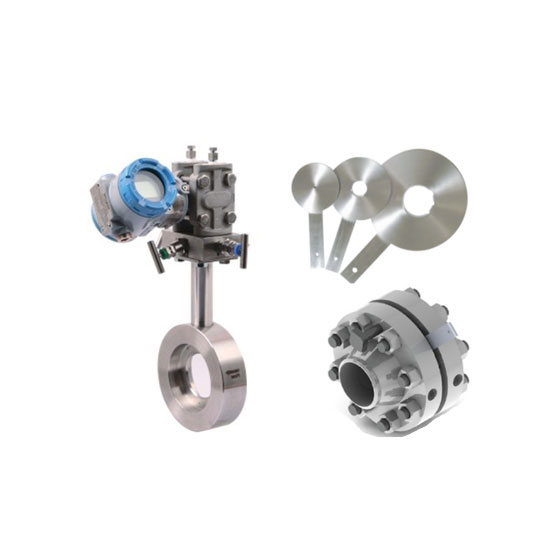
Differential Pressure
7 products
Turbine
4 products
Flap
1 product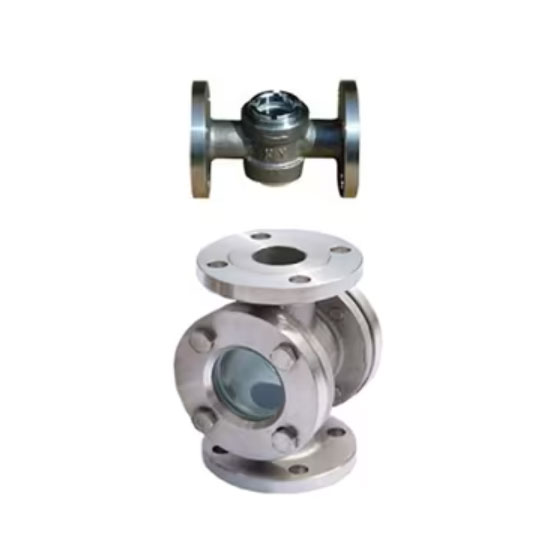
Side Glass
1 product
Thermal gas
5 products
Air Flow/Quality
11 products
Flow Switch
9 products
Flow Computer
3 products
Flow Accessories
2 products
Dosing/Batching
6 products - Level
Radar
3 products
Ultrasonic
1 product
Capacitance
7 products
Conductivity
4 products
Magnetic
1 product
Float/Buoyancy
7 products
Level Indicator
3 products
Vibrating Rod
3 products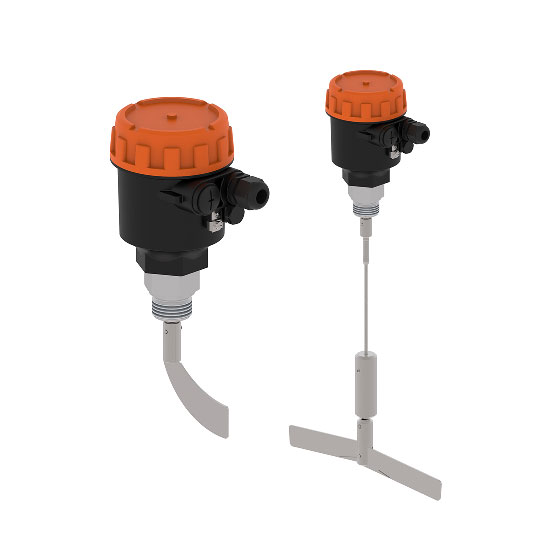
Rotary Paddle
2 products
Hydrostatic
2 products
Optical
1 product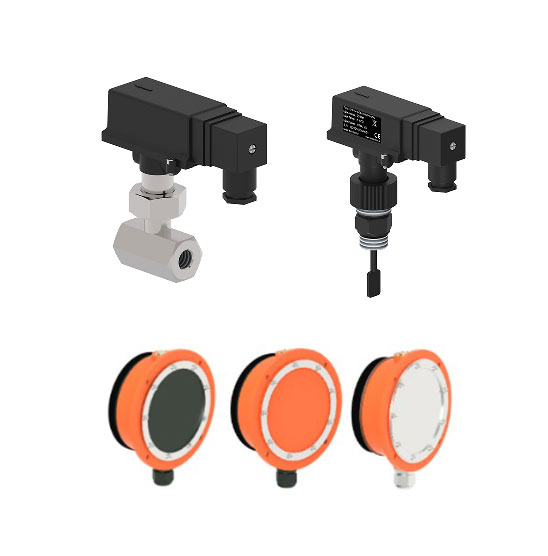
Level Switches
11 products - Calibration Devices
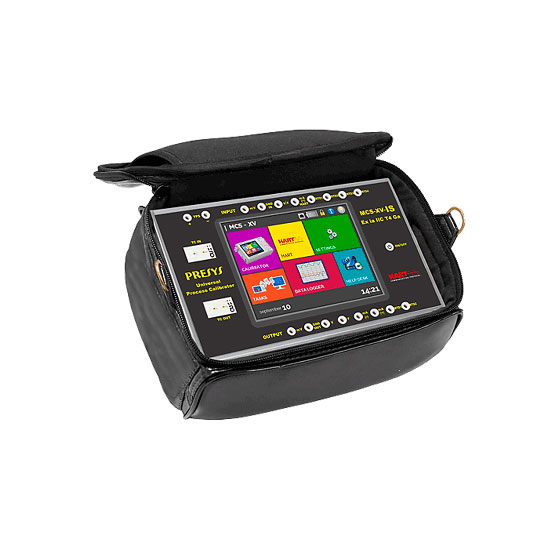
Multi Function Calibrators
2 products
Pressure Calibrators
4 products
Temperature Calibrators
6 products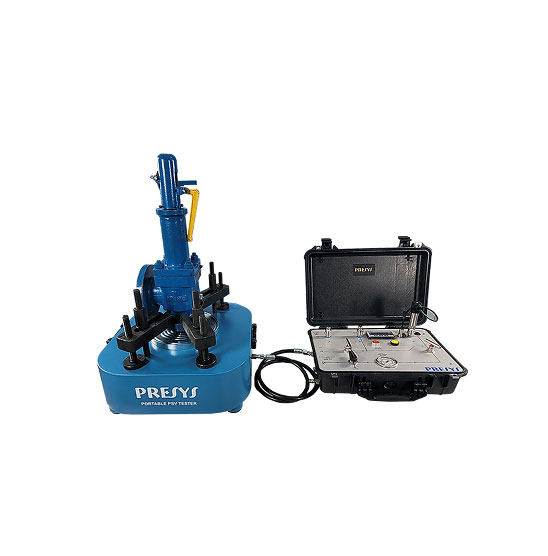
Valve Testing
1 product
Calibration Software
1 product  Valves
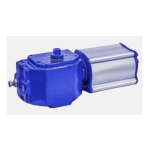
Actuator
1 product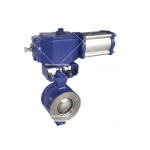
Ball Valves
2 products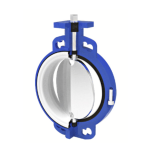
Butterfly Valves
3 products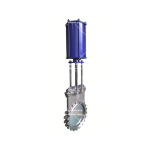
Gate Valves
2 products
Globe Valves
3 products- Analytical Sensors

Water Quality Sensors
16 products
Process Systems
11 products
Density and Concentration
12 products
Analytical Controller
2 products - Process Systems








Oil Check500 Oil Vapor in Compressed Air
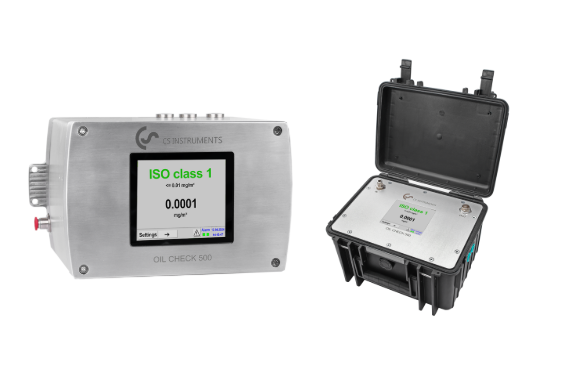
The CS Instruments OIL CHECK 500 continuously measures vaporous residual oil in compressed air, nitrogen and other gases, from 0.001 to 5 mg/m³, so compressed air class 1 to ISO 8573-1 can be monitored:
stationary and mobile version, compact design
Measures the vapour phase of the residual oil
Auto calibration through “Forced Pressure Variation”
Description
Description
CS Instruments OIL CHECK 500: Residual Oil Vapour Analyser
The CS Instruments OIL CHECK 500 is a high-precision analyser designed for continuous monitoring of residual oil vapour in compressed air, nitrogen, and compatible industrial gases. It helps manufacturers detect contamination changes, evaluate compressed air treatment performance, and protect sensitive production processes.
Using a photoionisation detector (PID), the OIL CHECK 500 measures oil-vapour concentrations from 0.001 to 5 mg/m³ in its specified configuration. In addition, its internal diagnostics and innovative Forced Pressure Variation method support long-term measurement stability and reliable zero-point adjustment.
The analyser is particularly useful in industries where compressed air comes into direct contact with products or sensitive surfaces. These include pharmaceutical manufacturing, food and beverage production, electronics, biotechnology, and technical gas supply.
Key Specifications
- Manufacturer: CS Instruments
- Model: OIL CHECK 500
- Instrument type: Residual oil vapour analyser
- Measurement principle: Photoionisation detector (PID)
- Measuring range: 0.001–5 mg/m³
- Detection limit: 0.001 mg/m³ in the published datasheet
- Measured parameter: Pressure- and temperature-compensated residual oil vapour concentration
- Operating pressure: 3–9 bar; optional pressure reducer for higher inlet pressures
- Gas sampling flow: Approximately 0.5 normal litres/minute
- Analogue output: 4–20 mA
- Digital communication: RS-485 Modbus-RTU
- Optional outputs: Second 4–20 mA output and two configurable alarm relays
- Power supply: 100–240 VAC
- Gas connection: G 1/4-inch female thread
- Dimensions: Approximately 200 × 130 × 120 mm
- Weight: Approximately 7 kg
Specifications depend on the selected version and accessories. Check the current datasheet before ordering.
Working Principle
The OIL CHECK 500 uses photoionisation to detect oil vapour in a representative gas sample.
- Gas sampling: A small sample is extracted from the compressed air line downstream of the appropriate treatment equipment.
- Sample conditioning: The sample must meet the specified pressure, humidity, and temperature conditions before entering the measurement system.
- Photoionisation: A specialised ultraviolet lamp ionises detectable hydrocarbon molecules in the sample.
- Signal generation: The ionised molecules produce an electrical current related to their concentration.
- Concentration calculation: The instrument processes this signal and calculates the residual oil vapour concentration.
- Automatic zero-point checking: The Forced Pressure Variation method checks the reliability of the zero reference, helping prevent drift caused by contaminated reference gas.
- Output and monitoring: The measured values are displayed and transmitted through the configured analogue or digital interface. Compatible monitoring systems can record trends and trigger alarms.
Consequently, operators can identify changes in oil vapour concentration and investigate potential problems with compressors, filters, activated carbon adsorbers, or the surrounding environment.
Main Advantages
- Continuous oil vapour monitoring: Reveals changes between periodic laboratory tests.
- High sensitivity: Supports monitoring at low residual oil concentrations.
- PID measurement technology: Detects relevant ionisable hydrocarbon compounds.
- Long-term stability: Forced Pressure Variation supports reliable zero-point adjustment.
- Reduced service interruption: The replaceable sensor unit can be changed on site.
- Low cross-sensitivity: The instrument is designed to minimise interference from humidity and ethanol.
- Multiple interfaces: Supports integration through 4–20 mA and Modbus-RTU.
- Configurable alarms: Optional alarm relays help alert operators to abnormal measurements.
- Trend analysis: Continuous logging helps identify intermittent contamination events.
Typical Applications
The OIL CHECK 500 is suitable for:
- Pharmaceutical manufacturing
- Food and beverage production
- Electronics and semiconductor manufacturing
- Biotechnology and cosmetics
- Technical gas supply
- Compressed air treatment systems
- Oil-free compressor installations
- Monitoring downstream of activated carbon filters and adsorbers
Correct sampling location is important. The instrument is intended for suitably treated gas that meets the manufacturer’s operating conditions, rather than untreated, potentially wet or aerosol-laden compressor discharge.
Stationary and Portable Versions
OIL CHECK 500 Stationary: Designed for permanent installation at a selected monitoring point. It supports continuous monitoring, trend analysis, and connection to compatible plant monitoring systems.
OIL CHECK 500 Portable: Supplied in a protective carrying case for flexible measurements at different locations. It is useful for compressed air audits, maintenance investigations, and comparing air quality at different points in a distribution network.
Both versions support oil vapour monitoring, while the exact accessories and configuration depend on the selected model.
Understanding Oil Vapour and ISO 8573
ISO 8573-1 classifies compressed air purity according to solid particles, humidity and liquid water, and total oil content.
The OIL CHECK 500 focuses on the vapour phase of residual oil. Its current manufacturer documentation describes the measurement as indicative monitoring in accordance with ISO 8573-5:2025.
Important: The OIL CHECK 500 alone does not establish the complete ISO 8573-1 total-oil class. Formal classification can require laboratory determination of oil aerosols, liquid oil, and oil vapour using the applicable methods.
For comprehensive compressed air quality monitoring, it can be combined with:
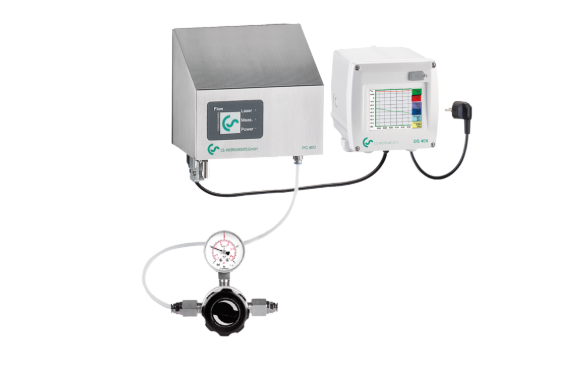
- PC 400 Particle Counter: Measures solid particle contamination.
- FA 510 Dew Point Sensor: Monitors pressure dew point.
- DS 500 Chart Recorder: Collects and records compatible sensor measurements.
Together, these instruments help users monitor three key compressed air quality parameters: residual oil, solid particles, and moisture.
Conclusion
The CS Instruments OIL CHECK 500 provides continuous, sensitive monitoring of residual oil vapour in compressed air and compatible gases. Its PID technology, Forced Pressure Variation method, replaceable sensor unit, and industrial communication interfaces make it a useful tool for identifying contamination trends and maintaining process quality.
For facilities requiring dependable compressed air quality monitoring, the OIL CHECK 500 helps identify changes early and supports informed maintenance decisions.
About CS Instruments
CS Instruments, from Germany, makes measuring instruments for compressed air and gases, and Schmierer SEA offers nine of them from Shah Alam: flow meters for consumption and compressor capacity, the LD500 and LD510 ultrasonic leak detectors with camera, and dew point, particle and oil vapour sensors for air quality. Our team helps you select the instrument and set it up.
Which CS Instruments product for which job
| Job | Product | Stated figures |
|---|---|---|
| Consumption in dry air | VA 500, 520, 550, 570 | Thermal mass flow, no moving parts; up to 40 bar (selected VA 520) or 50 bar (selected VA 550) |
| Wet air at the compressor outlet | VD 500 | -30 to +180 °C, up to 30 bar, DN 20 to DN 600 |
| Compressor capacity and billing | CMM 500 | ±0.5% of reading from 20 to 100% of maximum flow |
| Flow without cutting the pipe | VC600 | Clamp-on ultrasonic, pipes 25 to 90 mm outside diameter |
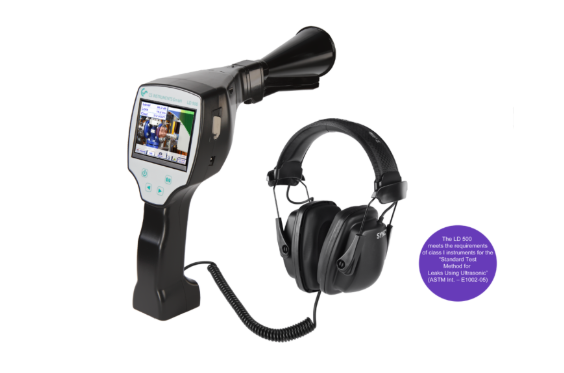
| Finding leaks | LD500 and LD510 | Leak rate and annual cost estimate per leak; LD510 adds a sensor input |
| Dew point and humidity | FA 510, FL 510 | Pressure dew point after the dryer; 0 to 100% RH |
| Particles | PC400 | From 0.1 µm or 0.3 µm, three size channels |
| Oil vapour | Oil Check500 | 0.001 to 5 mg/m³ at 3 to 9 bar |
| Air quality as one system | Compressed Air Quality Monitoring | Particle, moisture and oil sensors on one interface |
Where to start
- High energy bill: measure consumption with a VA sensor, then find the leaks with the LD500.
- Compressor performance in doubt: the CMM 500 is built as a reference meter for free air delivery.
- Air quality requirements: ISO 8573-1 classes air by particles, water and oil; the PC400, FA 510 and Oil Check500 measure each.
All CS Instruments products and the compact gas flow sensors we offer are on the compressed air flow meter page. Tell us the pipe size, pressure and what you need to know, and send an enquiry.
Related products

Flap Flowmeter KLA
In stock
SKU:
KLA Flap
The Kirchner & Tochter KLA Flap-Type Flowmeter is a robust, inline variable area flow meter designed for the instantaneous measurement and process monitoring of liquids in plant engineering. Based on the same classic operating principle as the KFS series, it features a pivoting inner flap that responds dynamically to fluid flow, offering a highly dependable, viscosity-independent monitoring solution for water, oils, and chemical suspensions.
- KLA Standard: Completely sealed body where internal encapsulated magnets transmit the mechanical flap deflection across the pressure barrier to an external pointer scale.
- KLA-GS: An economical, direct-view model equipped with heavy-duty borosilicate hard glass screens on both the front and back. The operator reads the flow level straight from a scale engraved directly onto the glass window

Massflow Sensor RHM100 large size 200 – 12000 kg/min
In stock
SKU:
RHM100
The RHM100 is a high throughput Coriolis mass flow meter designed for plant balance and loading/unloading applications with trucks, railcars, barges, tankers and pipelines.
PDF datasheet

Massflow Sensor RHM80 large size 130 – 8000 kg/min
In stock
SKU:
RHM80
The RHM80 excels in tough applications where high temperatures, pressures and corrosive fluids are present. Its heavy duty construction withstands extreme applications without losing Coriolis meter performance.
PDF datasheet

Massflow Transm. RHE12 – Exd field mount in Alu
In stock
SKU:
RHE 12
The RHE12 explosionproof mass flow transmitter features standard HART communications and magnetic behind-glass controls. The RHE12 is supplied with a standard post mounting kit and a choice of integrated sensor cables.
PDF datasheet