



 Pressure

Bourdon Tube
7 products
Boiler
2 productsChemical
3 products
Phenolic
1 product
Differential
7 products
Capsule
3 products
Test Pressure Gauge
5 products
Contact
4 products
Diaphragm
3 products
Diaphragm Seal
1 product
Digital
2 products
Pressure Transmitter
10 products
Pressure Switch
5 products
Load and Force
11 products
Accessories
15 products- Temperature
RTD
5 products
Bimetallic
2 products
Gas Filled
2 products
Non-Replaceable Inserts
3 products
Replaceable Inserts
4 products
Ceramic Protection
7 products
Mineral Insulated
4 products
Flameproof and Intrinsically Safe
7 products
Surface and Machinery
30 products
Food and Pharma
7 products
HVAC
9 products
Acids, Alkalis, Salts
4 products
Temperature Switch
1 product
Thermowell
16 products
Indicator, Controller
8 products
Accessories
9 products
Humidity
7 productsThermocouple
50 products
Cable Sensors
38 productsHead Sensors
9 products
High Temperature
6 products
Temperature Transmitter
6 products - Flow

Electro Magnetic
2 products
Vortex
3 products
Swirl
1 product
Ultrasonic
7 products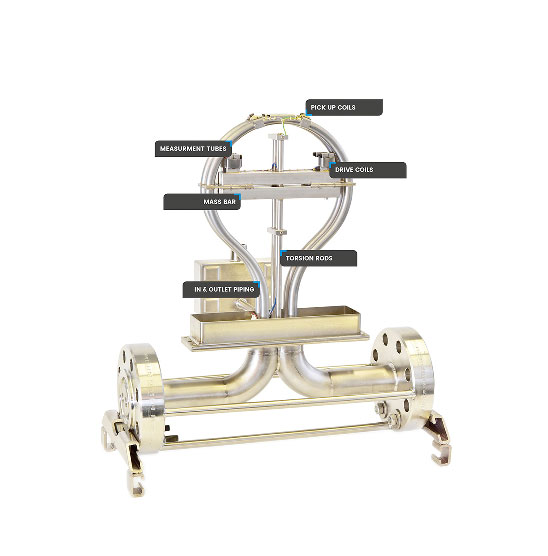
Coriolis Mass Flowmeter
28 products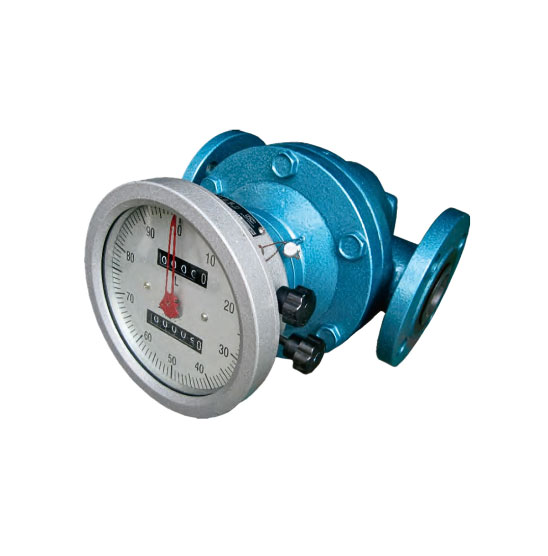
Positive Displacement
6 products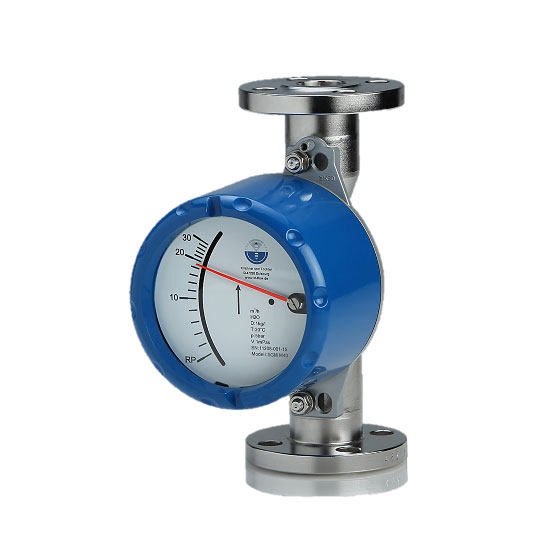
Variable Area
1 product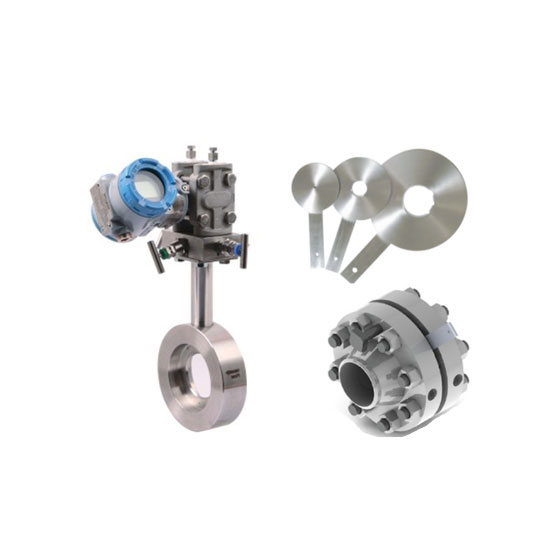
Differential Pressure
7 products
Turbine
4 products
Flap
1 product
Side Glass
1 product
Thermal gas
5 products
Air Flow/Quality
11 products
Flow Switch
9 products
Flow Computer
3 products
Flow Accessories
2 products
Dosing/Batching
6 products - Level
Radar
3 products
Ultrasonic
1 product
Capacitance
7 products
Conductivity
4 products
Magnetic
1 product
Float/Buoyancy
7 products
Level Indicator
3 products
Vibrating Rod
3 products
Rotary Paddle
2 products
Hydrostatic
2 products
Optical
1 product
Level Switches
11 products - Calibration Devices
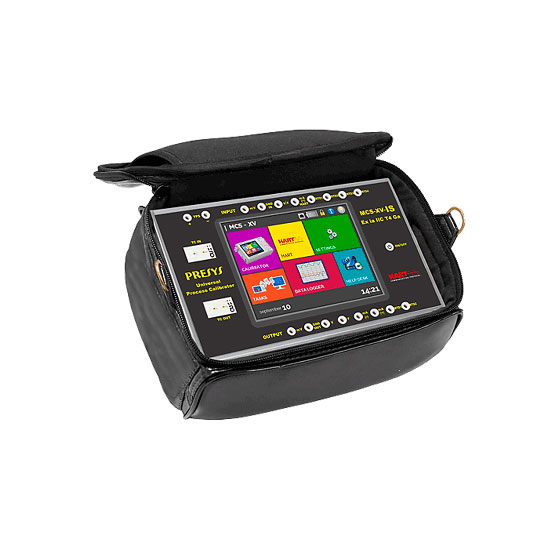
Multi Function Calibrators
2 products
Pressure Calibrators
4 products
Temperature Calibrators
6 products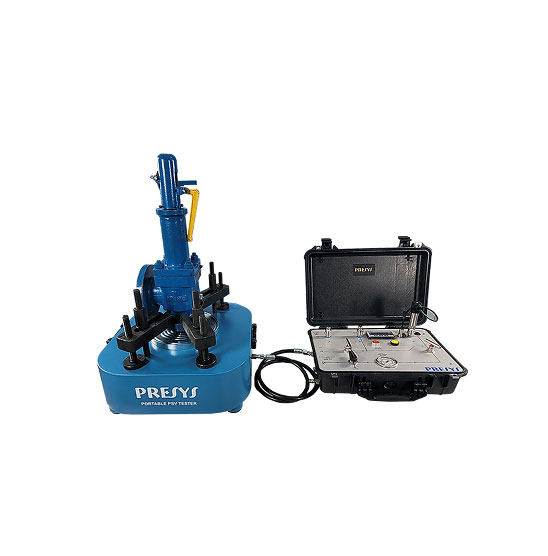
Valve Testing
1 product
Calibration Software
1 product  Valves
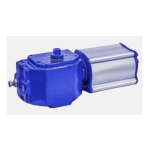
Actuator
1 product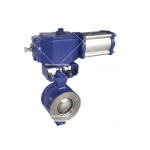
Ball Valves
2 products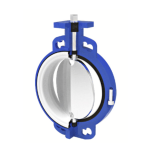
Butterfly Valves
3 products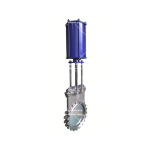
Gate Valves
2 products
Globe Valves
3 products- Analytical Sensors

Water Quality Sensors
16 products
Process Systems
11 products
Density and Concentration
12 products
Analytical Controller
2 products - Process Systems







LD500 & LD510 Ultrasonic Leak Detector with Camera
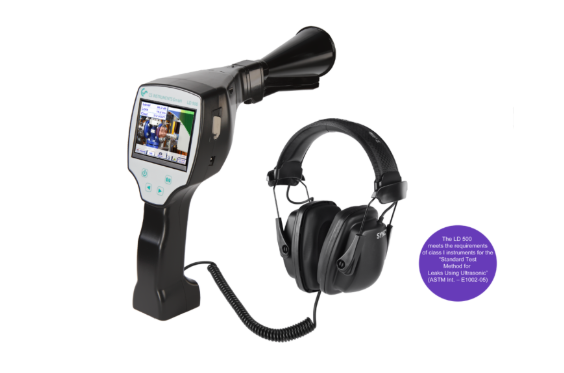
The CS Instruments LD 500 and LD 510 Ultrasonic Leak Detectors help users locate, quantify, and document compressed air and gas leaks. These portable instruments use ultrasonic detection technology to identify escaping gas, even when the leakage point is difficult to access or the surrounding production environment is noisy.
Moreover, the integrated camera and touchscreen allow technicians to photograph leaks, record their locations, and document the required repair work directly on site. The instruments can also estimate leakage rates and potential annual energy-cost savings, helping businesses reduce compressed air losses and improve energy efficiency.
The LD 500 is designed for ultrasonic leak detection and documentation. In comparison, the LD 510 adds a configurable sensor input for compatible CS Instruments sensors, extending its use to measurements such as dew point, flow, pressure, and temperature.
Description
Description
Models and Configurations
1. CS Instruments LD 500
The LD 500 is a portable ultrasonic leak detector with an integrated camera, touchscreen, and leakage calculation functions. It helps maintenance teams find leaks, estimate their size, and document corrective actions.
Key features:
- Ultrasonic detection of compressed air, gas, steam, and vacuum leaks
- Integrated camera for leak documentation
- Automatic and manual sensitivity adjustment
- Leakage-rate estimation in L/min or CFM
- Estimated annual cost-saving calculation
- Built-in touchscreen and data storage
- USB data export
- Compatibility with CS Leak Reporter software
- Up to approximately 9 hours of operation, depending on operating conditions and configuration
2. CS Instruments LD 510
The LD 510 includes the core functions of the LD 500 and adds an additional configurable sensor input for compatible CS Instruments sensors.
This makes the LD 510 particularly useful for maintenance teams that need both ultrasonic leak detection and additional compressed air system measurements.
Key features: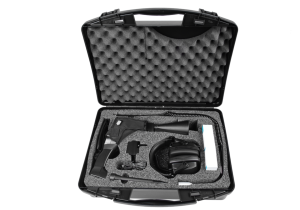
- All core LD 500 leak detection and documentation functions
- Additional sensor input for compatible CS Instruments sensors
- Support for additional measurements such as dew point, flow, pressure, and temperature, depending on the connected sensor
- Leakage documentation and cost estimation
- USB data export and reporting software compatibility
The exact sensor compatibility and measurement ranges depend on the connected sensor and its configuration.
Key Specifications
| Specification | LD 500 | LD 510 |
|---|---|---|
| Instrument type | Ultrasonic leak detector | Ultrasonic leak detector with additional sensor input |
| Detection method | Ultrasound | Ultrasound |
| Integrated camera | Yes | Yes |
| Touchscreen | Yes | Yes |
| Leakage-rate estimation | Yes | Yes |
| Annual cost-saving estimation | Yes | Yes |
| Automatic sensitivity adjustment | Yes | Yes |
| Additional external sensor input | No | Yes |
| Data export | USB | USB |
| Reporting software | CS Leak Reporter | CS Leak Reporter |
| Typical battery operation | Up to approximately 9 hours, depending on conditions | Up to approximately 9 hours, depending on conditions |
Working Principle
The LD 500 and LD 510 detect the ultrasonic sound generated by escaping pressurised gas.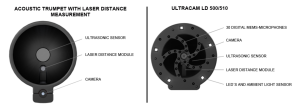
- Ultrasound generation: When compressed air or gas escapes through a small opening, it generates high-frequency sound waves.
- Ultrasonic detection: The instrument’s sensor detects these high-frequency signals, which are generally inaudible to the human ear.
- Signal processing: The instrument processes the ultrasonic signal and converts it into an audible signal that technicians can hear through the headphones.
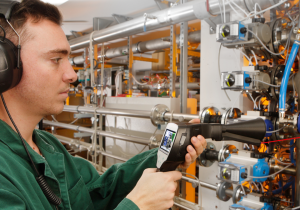
- Leak localisation: The technician scans pipework, fittings, valves, couplings, and pneumatic equipment to locate the strongest leakage source.
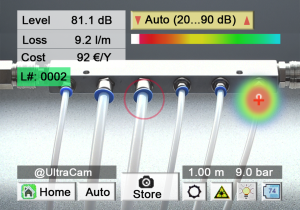
- Visual documentation: The integrated camera captures the leakage location, while the touchscreen allows the technician to record the fault details and necessary repair actions.
- Leakage estimation: The instrument uses its measurement functions and configured operating information to estimate leakage rate and potential annual cost.
- Reporting: The recorded data can be transferred to CS Leak Reporter software to prepare reports and prioritise repairs.
Consequently, maintenance teams can identify leakage points, assess their potential impact, and organise corrective actions more efficiently.
Main Advantages
- Fast leak detection: Helps locate small leaks in compressed air and compatible gas systems.
- Detection in noisy environments: Ultrasonic sensing and adjustable sensitivity help technicians work while production equipment is operating.
- Leakage-rate estimation: Supports assessment of the potential air loss from identified leaks.
- Cost-saving calculation: Helps estimate the financial impact of leakage and prioritise repairs.
- Integrated camera: Captures images of leakage points for maintenance records.
- On-site documentation: Stores fault descriptions, locations, and recommended repair actions.
- Portable design: Supports inspections throughout a plant without a permanently installed sensor network.
- Reporting support: Enables transfer of recorded leakage data to compatible reporting software.
- Extended measurement capability with LD 510: The additional sensor input supports compatible CS Instruments sensors for other process measurements.
Typical Applications
The LD 500 and LD 510 are suitable for:
- Compressed air distribution networks
- Pneumatic valves, fittings, and couplings
- Compressor rooms and air treatment systems
- Industrial gas pipelines and connections
- Steam and vacuum leakage inspections
- Preventive maintenance and energy audits
- Leakage surveys in manufacturing plants
- Selected high-voltage equipment inspections for ultrasonic partial discharge
For electrical applications, use the instrument according to the manufacturer’s instructions and the appropriate safety procedures.
Accessories and Software
The LD 500 and LD 510 can be used with accessories that improve access to difficult leakage points.
- Gooseneck probe: Helps inspect closely spaced components and restricted areas.
- Parabolic mirror: Supports detection of leaks from greater distances.
- CS Leak Reporter: Imports leakage records, helps prioritise repairs, and generates reports.
- Compatible external sensors for LD 510: Extend the instrument’s measurement capability beyond leak detection.
Accessory availability and compatibility should be checked against the selected instrument version.
LD 500 vs. LD 510: Which Should You Choose?
Choose the LD 500 if your primary requirement is ultrasonic leak detection, leakage documentation, and estimating potential energy savings.
Choose the LD 510 if you also want to connect compatible CS Instruments sensors to measure additional parameters such as dew point, flow, pressure, or temperature. This provides greater flexibility for maintenance teams conducting broader compressed air system inspections.
Conclusion
The CS Instruments LD 500 and LD 510 are portable ultrasonic leak detectors designed to help industrial facilities reduce compressed air losses and improve maintenance efficiency. Both instruments combine ultrasonic detection, leakage estimation, camera-based documentation, and reporting support.
The LD 510 adds an external sensor input for compatible CS Instruments sensors, making it the more versatile option for teams that need additional compressed air measurements alongside leak detection.
About CS Instruments
CS Instruments, from Germany, makes measuring instruments for compressed air and gases, and Schmierer SEA offers nine of them from Shah Alam: flow meters for consumption and compressor capacity, the LD500 and LD510 ultrasonic leak detectors with camera, and dew point, particle and oil vapour sensors for air quality. Our team helps you select the instrument and set it up.
Which CS Instruments product for which job
| Job | Product | Stated figures |
|---|---|---|
| Consumption in dry air | VA 500, 520, 550, 570 | Thermal mass flow, no moving parts; up to 40 bar (selected VA 520) or 50 bar (selected VA 550) |
| Wet air at the compressor outlet | VD 500 | -30 to +180 °C, up to 30 bar, DN 20 to DN 600 |
| Compressor capacity and billing | CMM 500 | ±0.5% of reading from 20 to 100% of maximum flow |
| Flow without cutting the pipe | VC600 | Clamp-on ultrasonic, pipes 25 to 90 mm outside diameter |
| Finding leaks | LD500 and LD510 | Leak rate and annual cost estimate per leak; LD510 adds a sensor input |
| Dew point and humidity | FA 510, FL 510 | Pressure dew point after the dryer; 0 to 100% RH |
| Particles | PC400 | From 0.1 µm or 0.3 µm, three size channels |
| Oil vapour | Oil Check500 | 0.001 to 5 mg/m³ at 3 to 9 bar |
| Air quality as one system | Compressed Air Quality Monitoring | Particle, moisture and oil sensors on one interface |
Where to start
- High energy bill: measure consumption with a VA sensor, then find the leaks with the LD500.
- Compressor performance in doubt: the CMM 500 is built as a reference meter for free air delivery.
- Air quality requirements: ISO 8573-1 classes air by particles, water and oil; the PC400, FA 510 and Oil Check500 measure each.
All CS Instruments products and the compact gas flow sensors we offer are on the compressed air flow meter page. Tell us the pipe size, pressure and what you need to know, and send an enquiry.
Related products
CMM 500 Compressor Master Meter
In stock
SKU:
CMM500
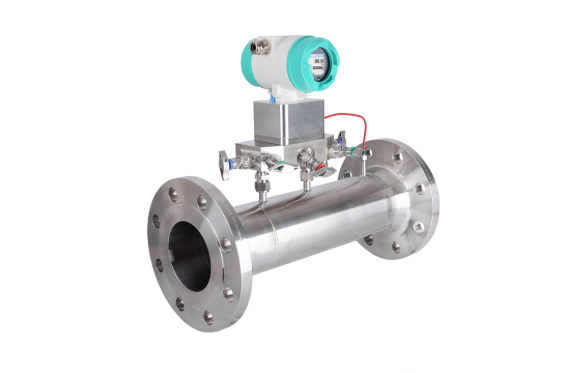
The CS Instruments CMM 500 Compressor Master Meter is a high-precision reference flow meter engineered to measure the performance and Free Air Delivery (FAD) of compressors. Operating on the Venturi differential pressure principle according to ISO 5167, it delivers highly accurate readings (±0.5% accuracy) even in wet, saturated compressed air directly downstream of the compressor without requiring long straight pipe runs. The CMM 500 can be used both directly downstream of the compressor for measuring wet compressed air and as a compressed air meter for consumption measurement and billing of dry compressed air.
Compressed Air Humidity Monitoring
In stock
SKU:
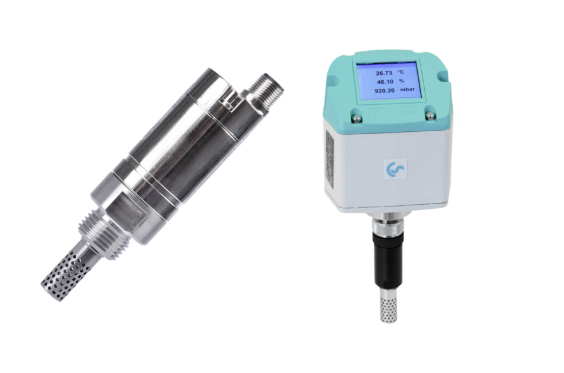
FA510, FL510, IAC500, IAC510
CS Instruments offers a range of sensors for monitoring moisture, humidity, and environmental conditions in compressed air systems. These instruments help operators maintain air quality, protect equipment, and improve process reliability.
Moisture monitoring is particularly important in compressed air installations. Excess moisture can cause corrosion, damage pneumatic equipment, contaminate products, and affect sensitive manufacturing processes. Therefore, selecting the correct measurement technology is essential.
The FA 510, FL 510, IAC 500, and IAC 510 provide different measurement functions for compressed air systems, industrial gases, compressor intake air, and controlled environments.
Oil Check500 Oil Vapor in Compressed Air
In stock
SKU:
Oilcheck500
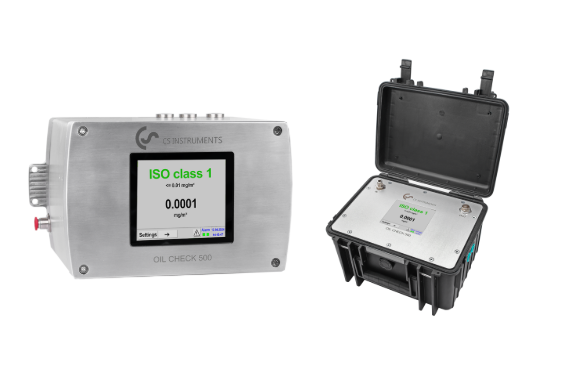
The CS Instruments OIL CHECK 500 is an advanced online monitoring system designed for high-precision, continuous measurement of vaporous residual oil content in compressed air, nitrogen and other gases like nitrogen, ensuring direct compliance with ISO 8573 standards:
stationary and mobile version, compact design
Unique sensitivity for compressed air of the recommended oil vapour standard according to ISO 8573-5
Auto calibration through "Forced Pressure Variation"
VC600 Clamp-on Ultrasonic Gas Flow Sensor
In stock
SKU:
VC600
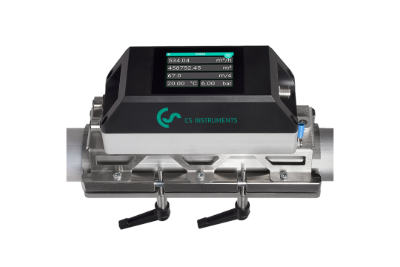
Optimize your gas monitoring and energy auditing without cutting a single pipe with the CS Instruments VC 600. Expertly manufactured by CS Instruments, this high-performance non-invasive clamp-on flow sensor tracks compressed air and industrial gases from the outside. Furthermore, its ultra-safe clamp architecture eliminates installation downtime, contamination threats, and costly pressure drops across your entire production plant. Watch Video
PDF Datasheet