


 Pressure

Bourdon Tube
7 products
Boiler
2 productsChemical
3 products
Phenolic
1 product
Differential
7 products
Capsule
3 products
Test Pressure Gauge
5 products
Contact
4 products
Diaphragm
3 products
Diaphragm Seal
1 product
Digital
2 products
Pressure Transmitter
10 products
Pressure Switch
5 products
Load and Force
11 products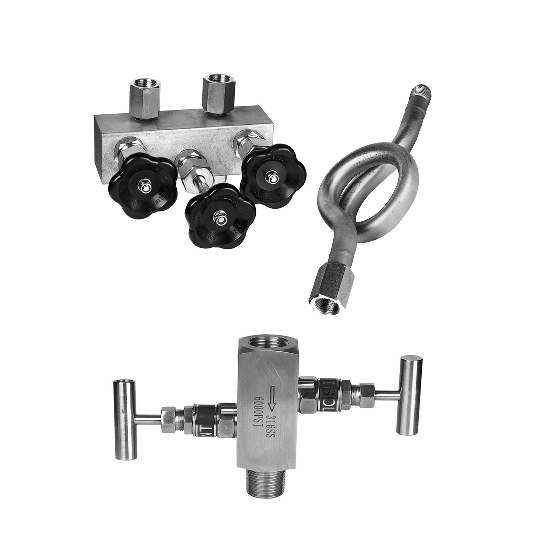
Accessories
15 products- Temperature
RTD
5 products
Bimetallic
2 products
Gas Filled
2 products
Non-Replaceable Inserts
3 products
Replaceable Inserts
4 products
Ceramic Protection
7 products
Mineral Insulated
4 products
Flameproof and Intrinsically Safe
7 products
Surface and Machinery
30 products
Food and Pharma
7 products
HVAC
9 products
Acids, Alkalis, Salts
4 products
Temperature Switch
1 product
Thermowell
16 products
Indicator, Controller
8 products
Accessories
9 products
Humidity
7 productsThermocouple
50 products
Cable Sensors
38 productsHead Sensors
9 products
High Temperature
6 products
Temperature Transmitter
6 products - Flow

Electro Magnetic
2 products
Vortex
3 products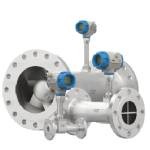
Swirl
1 product
Ultrasonic
7 products
Coriolis Mass Flowmeter
28 products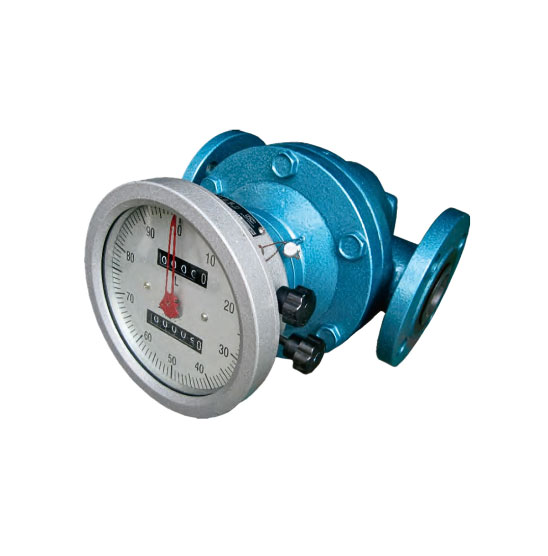
Positive Displacement
6 products
Variable Area
1 product
Differential Pressure
7 products
Turbine
4 products
Flap
1 product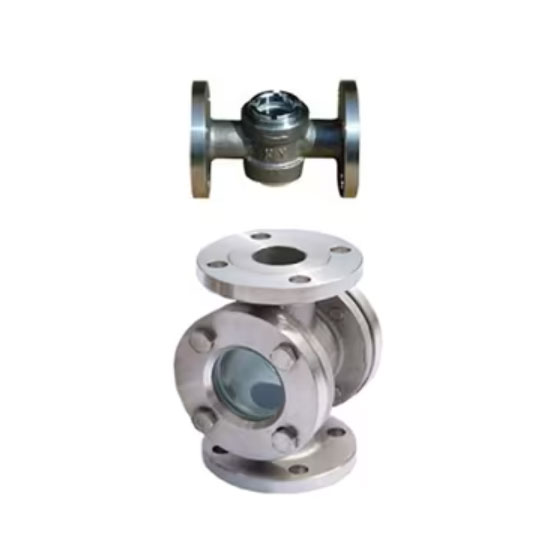
Side Glass
1 product
Thermal gas
5 products
Air Flow/Quality
11 products
Flow Switch
9 products
Flow Computer
3 products
Flow Accessories
2 products
Dosing/Batching
6 products - Level
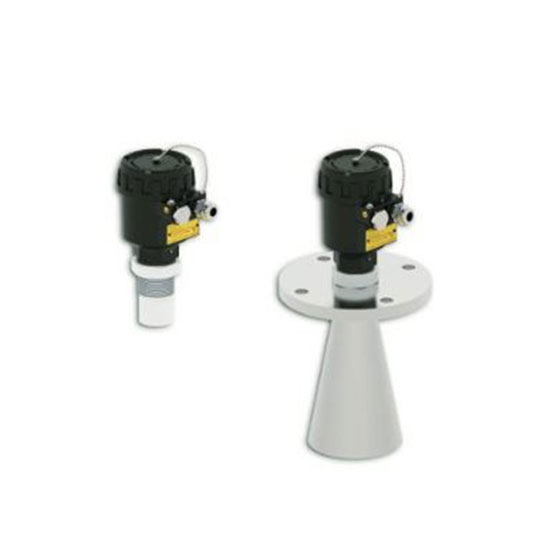
Radar
3 products
Ultrasonic
1 product
Capacitance
7 products
Conductivity
4 products
Magnetic
1 product
Float/Buoyancy
7 products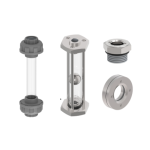
Level Indicator
3 products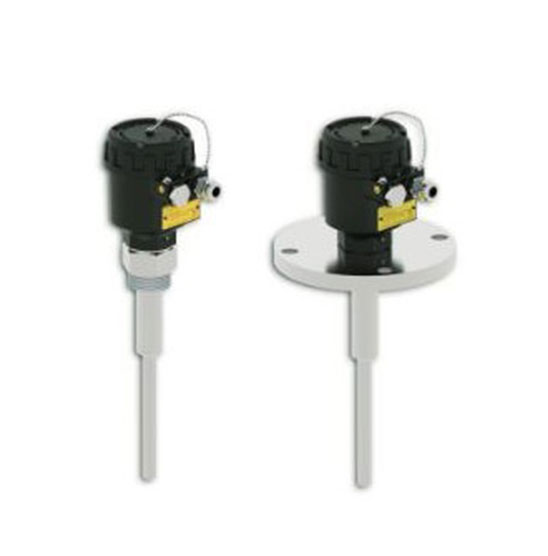
Vibrating Rod
3 products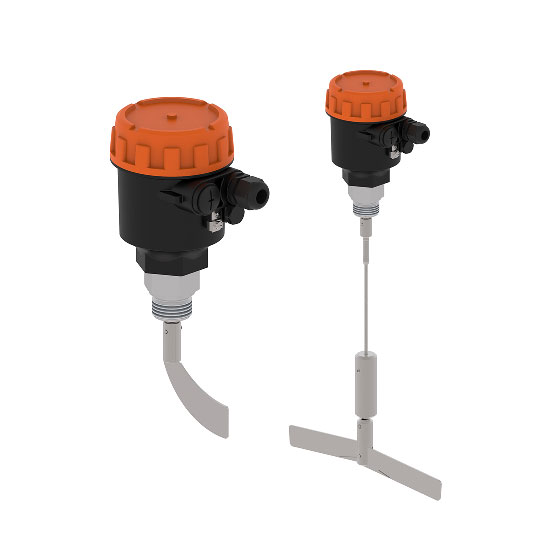
Rotary Paddle
2 products
Hydrostatic
2 products
Optical
1 product
Level Switches
11 products - Calibration Devices
Multi Function Calibrators
2 products
Pressure Calibrators
4 products
Temperature Calibrators
6 products
Valve Testing
1 product
Calibration Software
1 product  Valves
Actuator
1 product
Ball Valves
2 products
Butterfly Valves
3 products
Gate Valves
2 products
Globe Valves
3 products- Analytical Sensors

Water Quality Sensors
16 products
Process Systems
11 products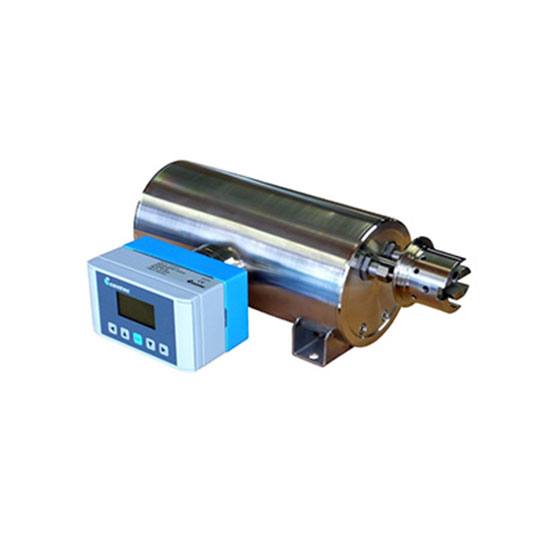
Density and Concentration
12 products
Analytical Controller
2 products - Process Systems






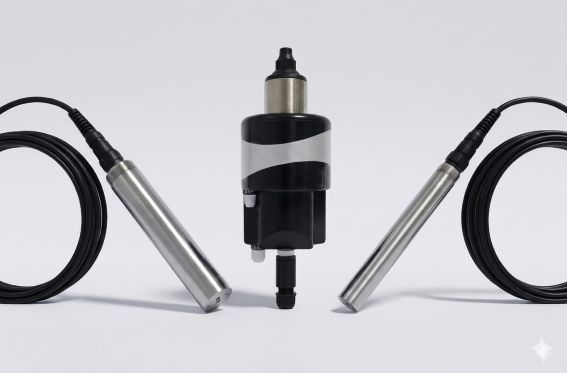
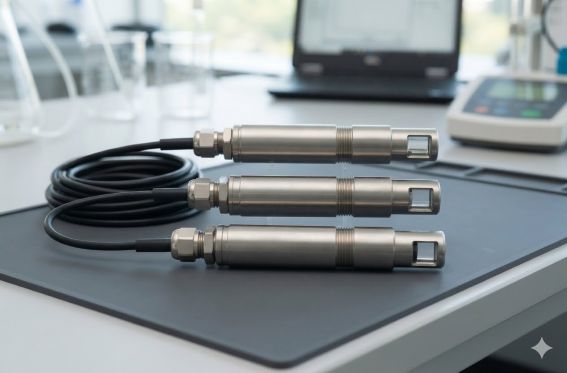
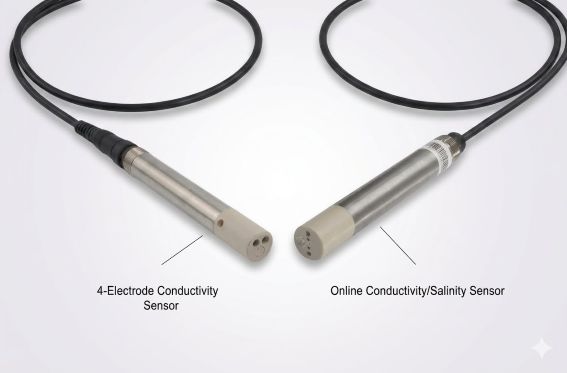

SSEA-CONDX Conductivity Sensor
SSEA-CONDX digital conductivity sensors replace traditional two-electrode designs with high-precision four-electrode technology. They eliminate polarization effects, feature built-in automatic temperature compensation, and use an RS485 MODBUS protocol interface for simultaneous output of conductivity, salinity, total dissolved solids (TDS), and temperature. Housed in IP68 corrosion-resistant bodies, they are ideal for long-term deployment in surface water, wastewater, and aquaculture.
Description
Description
Schmierer SEA Turbidity Sensors are designed for online water quality monitoring by measuring the cloudiness of water caused by suspended particles, such as sediment, microorganisms, organic matter, and other contaminants. Turbidity is an important indicator of water quality because high particle concentrations can reduce light penetration, affect aquatic ecosystems, and indicate potential contamination.
Turbidity is commonly expressed in Nephelometric Turbidity Units (NTU). However, the supplied models and specifications below describe conductivity and salinity sensors rather than turbidity sensors. The content has therefore been organized to accurately reflect the listed conductivity sensor information.
Models
- Four-Electrode Conductivity Sensor: A compact digital probe designed for inline process monitoring, environmental water quality checks, and integration with the Y600-A Handheld Meter.
- Online Conductivity (Salinity) Sensor: A submersible industrial probe designed to measure electrical conductivity across a broad range, supporting salinity monitoring in demanding water applications.
- Deep-Water Multi-Parameter Module: A specialized module designed for integration into deep-water monitoring equipment, such as the Y4003 Deep Water Sonde, for water quality measurements in deep wells and high-pressure environments.
Technical Specifications
- Measurement Technology: Four-electrode conductivity measurement.
- Conductivity Range: 0–200 mS/cm, with automatic range segmentation into 0–2 mS/cm, 2–20 mS/cm, and 20–200 mS/cm.
- Salinity Range: 0–175 ppt.
- Total Dissolved Solids (TDS): Stated upper measurement limit of 128,000 mg/L.
- Communication Interface: RS-485 supporting the MODBUS-RTU protocol.
- Enclosure Protection: IP68-rated housing for suitable submersible applications.
Working Principle
The conductivity sensor uses four-electrode electrochemical measurement technology to determine the electrical conductivity of water. Compared with conventional two-electrode designs, a four-electrode arrangement helps reduce errors associated with electrode polarization and contact resistance, particularly across a wide conductivity range.
The outer pair of electrodes applies an alternating electrical signal to the water, producing a current through the sample. The inner pair measures the resulting voltage drop. The sensor uses these electrical measurements to calculate conductivity.
Dissolved salts and minerals dissociate into positively and negatively charged ions, allowing water to conduct electricity. In general, higher concentrations of dissolved ions result in higher conductivity, although the relationship depends on the composition and temperature of the sample.
The sensor’s electronics can use conductivity and temperature measurements to calculate or estimate salinity and total dissolved solids (TDS). These derived values depend on the instrument’s conversion algorithms and the characteristics of the water being measured.
Applications
- Aquaculture Operations: Monitoring salinity in freshwater, brackish-water, and marine aquaculture systems to help maintain suitable conditions for fish and shrimp.
- Industrial Water and Wastewater: Monitoring conductivity in process water, treatment systems, and industrial wastewater streams.
- Oceanography and Estuary Monitoring: Tracking changes in salinity associated with tidal movement, freshwater mixing, and saltwater intrusion in coastal areas.
- Hydroponic Agriculture: Monitoring electrical conductivity (EC) to help manage nutrient solution concentrations in hydroponic systems.
- Deep-Water Monitoring: Measuring water quality parameters in deep wells and other submersible monitoring applications when supported by the selected probe configuration.
About SSEA
SSEA instruments are Schmierer SEA's own range, offered from Shah Alam and led by pressure gauges. The SRU 25 stainless steel pressure gauge uses a silicon-jelly stabiliser instead of liquid filling and is rated IP66. The STU02 bimetallic thermometer is built to EN 13190. Gauge accessories, flow meters, water quality sensors and calibration tools complete the range.
SSEA instruments by family
| Family | SSEA products | Stated figures |
|---|---|---|
| Pressure gauges | SRU 25, SRU 25X with mini diaphragm seal, SRU 35, SR 01; SRU25 chemical gauges in Hastelloy, Monel and Inconel; SRU15 and SR15 boiler gauges; PCU05 phenolic case gauge | SRU 25: -1 to 100 bar, special versions up to 1,600 bar; 1% fsd with the 100 mm dial |
| Test pressure gauges | SRU15 test gauge, SFU 15, SF 15 | 250 mm dial |
| Gauge accessories | Syphons, cooling tower, snubbers, overload protectors, gauge cocks, shut-off valve, 3-way, 3-valve and 5-valve manifolds, swivel adapter, max drag pointer | See product pages |
| Electrical pressure | PTX-36 gauge transmitter, SSEA-PTIII transmitter, DTG200 digital gauge | PTX-36: 4–20 mA, dial still reads in a power failure; DTG200: -1 to 2,500 bar |
| Pressure calibration | IDTG 100 pressure calibrator, HPCP-700 hydraulic comparison pump | IDTG 100: -1 to 600 bar |
| Temperature | STU02 bimetallic and STU01 gas filled thermometers, STW bar-stock thermowells | STU02 bimetal thermometer to EN 13190 |
| Flow meters | CMF VIII Coriolis, MFIII electromagnetic, VFIII vortex, SWFVI swirl, TMFIII thermal mass, OGMFIII oval gear, VAFIII variable area, WMIII, TFLIII and TFGIII turbine, UCOF and UFP-1.0 clamp-on ultrasonic | See product pages |
| Water quality | Digital sensors for pH, dissolved oxygen, conductivity, turbidity, suspended solids, COD, ammonia nitrogen, nitrate, free chlorine, oil in water, blue-green algae, transparency and colour; MPSX sonde, HMSX handheld meter, MPTX and DCCX controllers | See product pages |
How to choose within the range
- General industrial duty: the SRU 25, all stainless steel with an SS316L tube and socket.
- Corrosive or viscous media: the SRU 25X with its mini diaphragm seal, or an SRU25 chemical gauge.
- Pressure testing and reference readings: a 250 mm test gauge, or the DTG200 digital gauge.
- A reading in the control room: the PTX-36 sends 4–20 mA and keeps its local dial.
- Temperature on a dial: the STU02 bimetallic or STU01 gas filled thermometer, with an STW thermowell where the stem needs protection.
Service in Shah Alam
Common pressure and temperature gauges are kept in warehouse stock. Our trained technical staff calibrate pressure, temperature and flow instruments in-house and on site. Our diaphragm seal filling station, in Shah Alam since June 2016, assembles seals for gauges, switches and transmitters of any brand.
Send the medium, range and connection and we will match one of our SSEA instruments: send an enquiry. The full gauge line-up is on the pressure gauge page.
Related products

RHOTEC L Laboratory Density & Concentration Meter
In stock
SKU:
Rhotec L
Achieve absolute, lab-grade precision in your batch liquid analysis and quality control audits. R&D centers, breweries, and chemical laboratories deploy the Centec RHOTEC density analysis page") to secure high-performance concentration measurements. Because this sophisticated benchtop analyzer tracks fluid density via an electromagnetically excited oscillating U-tube, it completely cuts out manual hydrometer errors and human reading bias. Consequently, your technical crew obtains pristine tracking data across extracts, alcohol levels, and multi-component mixtures within seconds.

SONATEC In-Line Sound Velocity & Concentration Transmitter
In stock
SKU:
Sonatec
Achieve absolute precision in your continuous liquid monitoring loops without process restrictions. Manufacturing plants, breweries, and chemical facilities deploy the Centec SONATEC system to track multi-blend solution states in real time. Because this high-performance inline sensor calculates concentration levels based on high-frequency sound wave velocity, it easily ignores high line pressures, viscous material coatings, and dark fluid color variations. Consequently, your production line gains continuous, automation-ready quality tracking that maximizes yield while lowering batch testing costs to zero.
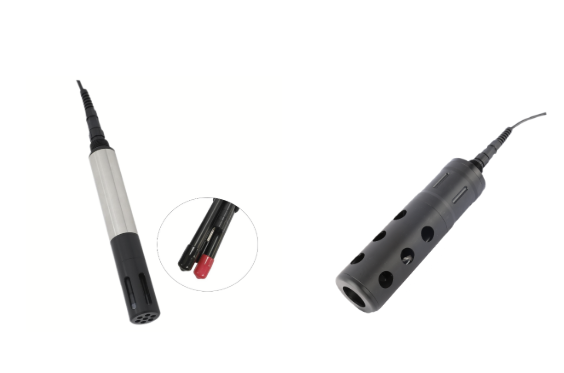
SSEA-NO3X Nitrate Sensor
In stock
SKU:
SSEA-NO3X
The SSEA-NO3X Nitrate Sensor is an industrial-grade digital probe engineered for continuous, real-time tracking of nitrate ions in aqueous solutions. Eliminating the need for dangerous chemical reagents or complex laboratory prep, this eco-friendly device utilizes advanced Ion-Selective Electrode (ISE) technology to achieve highly precise, instant measurements. Equipped with high-performance PVC membranes, an integrated RS485 Modbus interface, and an optional motorized self-cleaning wiper, it provides robust anti-interference capabilities and stable field operations.
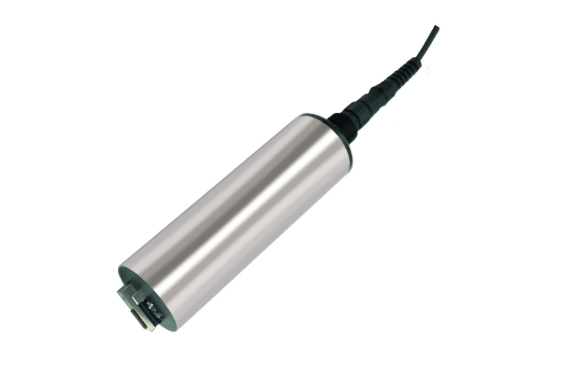
SSEA-TSSX Total Suspended Solids Sensor
In stock
SKU:
SSEA-TSSX
The SSEA-TSSX Sensor is a heavy-duty digital probe designed for continuous tracking of total suspended solids in demanding environments. Utilizing advanced near-infrared light scattering technology [ISO7027], it provides real-time mg/L or ppm readings without manual filtration. Equipped with a motorized self-cleaning wiper, an RS485 Modbus output, and scratch-resistant sapphire windows, it delivers stable, maintenance-free operation across diverse water applications.