



 Pressure

Bourdon Tube
7 products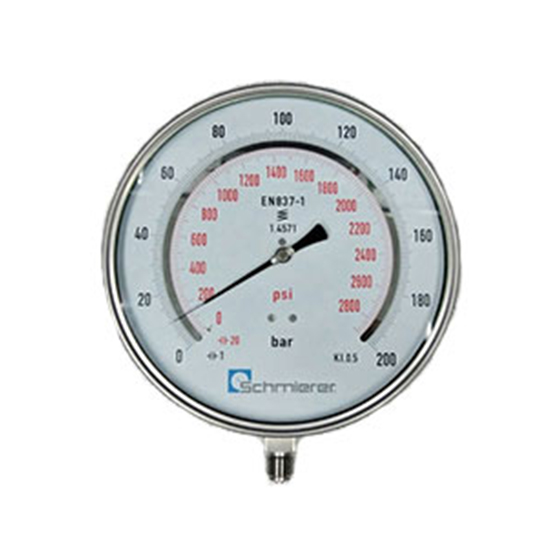
Boiler
2 productsChemical
3 products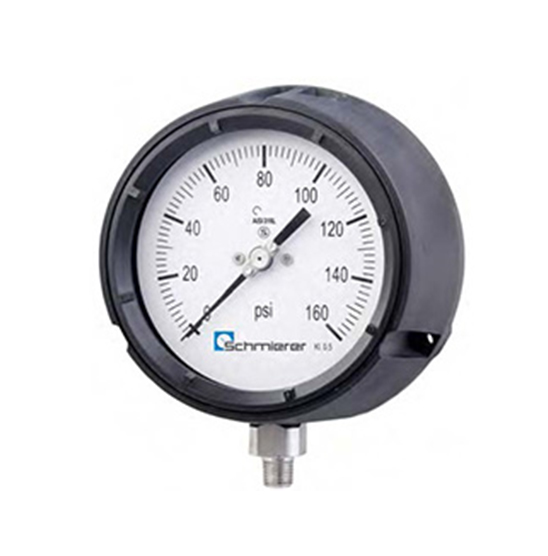
Phenolic
1 product
Differential
7 products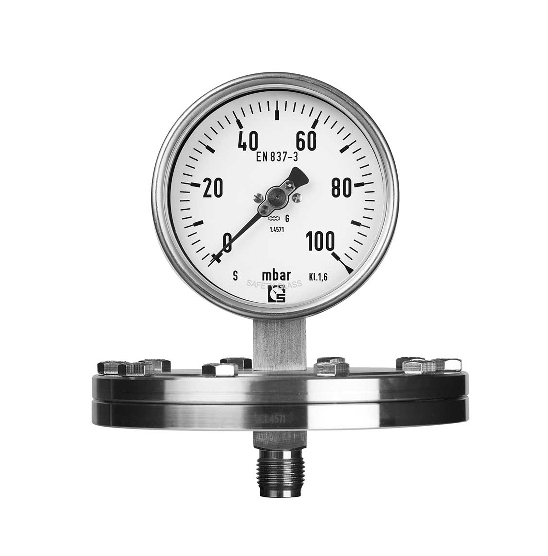
Capsule
3 products
Test Pressure Gauge
5 products
Contact
4 products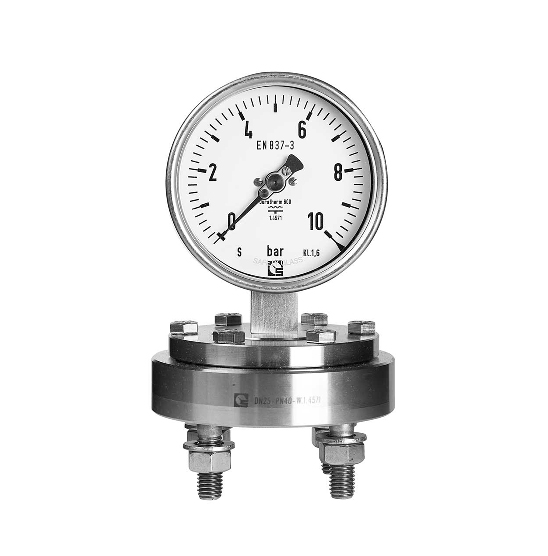
Diaphragm
3 products
Diaphragm Seal
1 product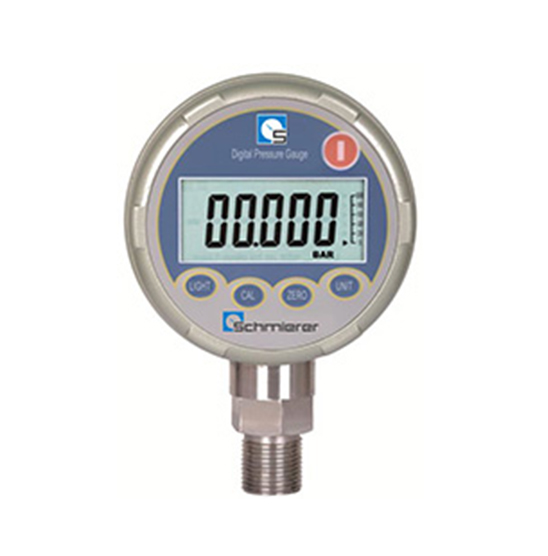
Digital
2 products
Pressure Transmitter
10 products
Pressure Switch
5 products
Load and Force
11 products
Accessories
15 products- Temperature
RTD
5 products
Bimetallic
2 products
Gas Filled
2 products
Non-Replaceable Inserts
3 products
Replaceable Inserts
4 products
Ceramic Protection
7 products
Mineral Insulated
4 products
Flameproof and Intrinsically Safe
7 products
Surface and Machinery
30 products
Food and Pharma
7 products
HVAC
9 products
Acids, Alkalis, Salts
4 products
Temperature Switch
1 product
Thermowell
16 products
Indicator, Controller
8 products
Accessories
9 products
Humidity
7 productsThermocouple
50 products
Cable Sensors
38 productsHead Sensors
9 products
High Temperature
6 products
Temperature Transmitter
6 products - Flow

Electro Magnetic
2 products
Vortex
3 products
Swirl
1 product
Ultrasonic
7 products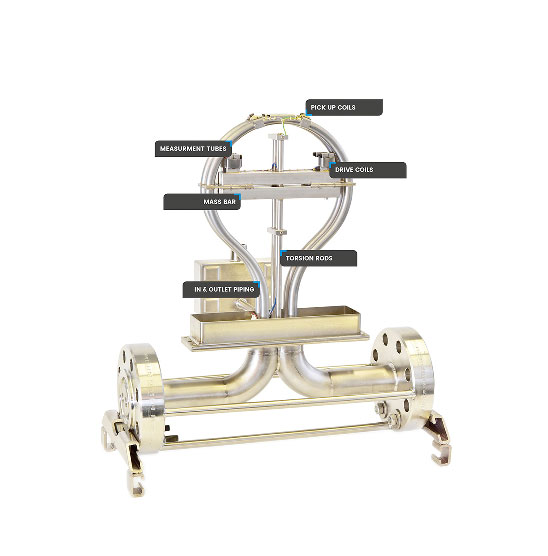
Coriolis Mass Flowmeter
28 products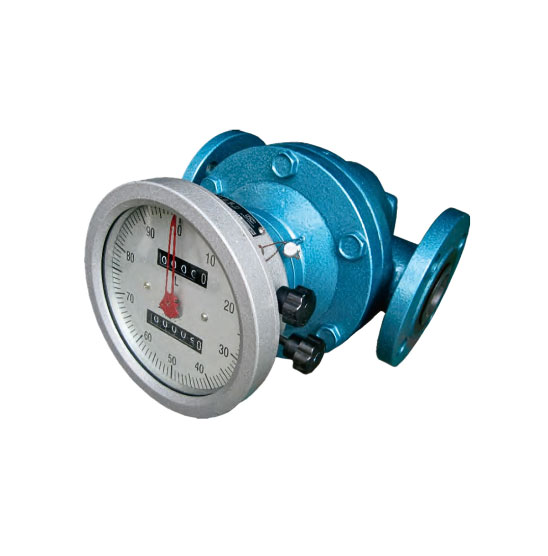
Positive Displacement
6 products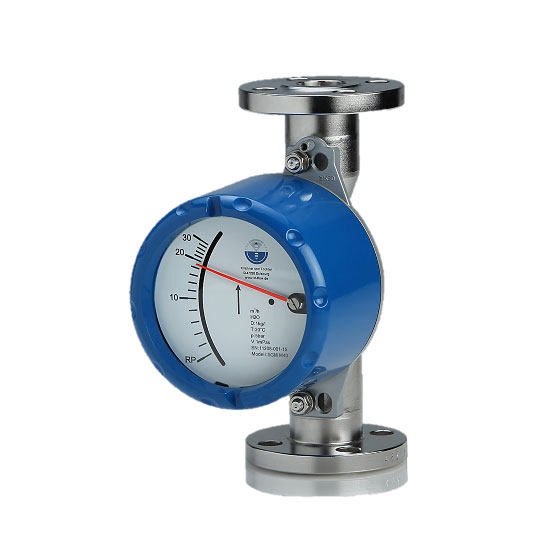
Variable Area
1 product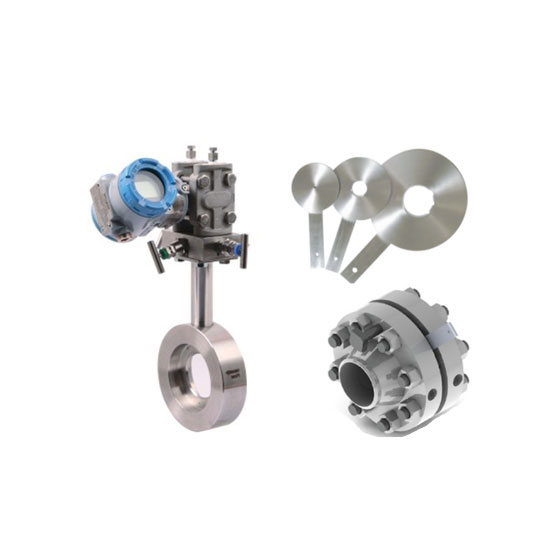
Differential Pressure
7 products
Turbine
4 products
Flap
1 product
Side Glass
1 product
Thermal gas
5 products
Air Flow/Quality
11 products
Flow Switch
9 products
Flow Computer
3 products
Flow Accessories
2 products
Dosing/Batching
6 products - Level
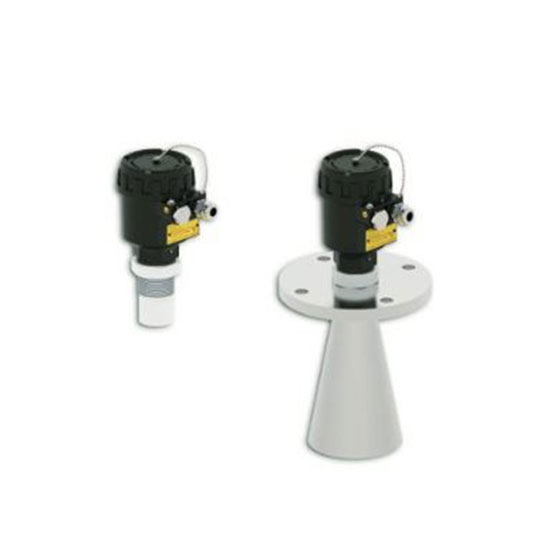
Radar
3 products
Ultrasonic
1 product
Capacitance
7 products
Conductivity
4 products
Magnetic
1 product
Float/Buoyancy
7 products
Level Indicator
3 products
Vibrating Rod
3 products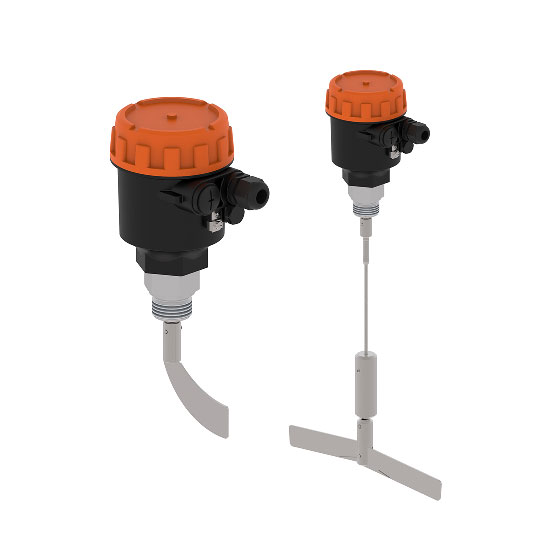
Rotary Paddle
2 products
Hydrostatic
2 products
Optical
1 product
Level Switches
11 products - Calibration Devices
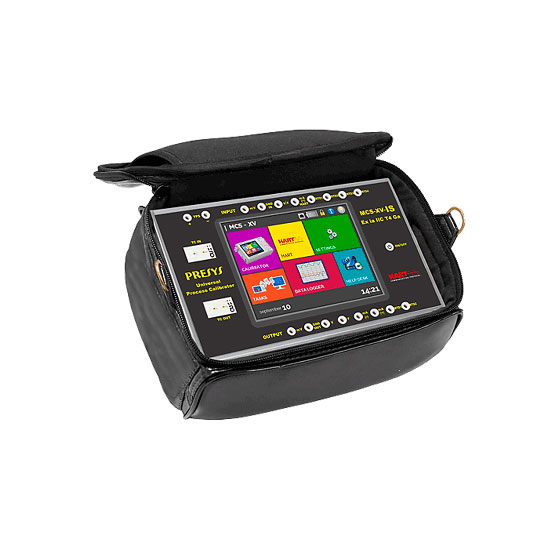
Multi Function Calibrators
2 products
Pressure Calibrators
4 products
Temperature Calibrators
6 products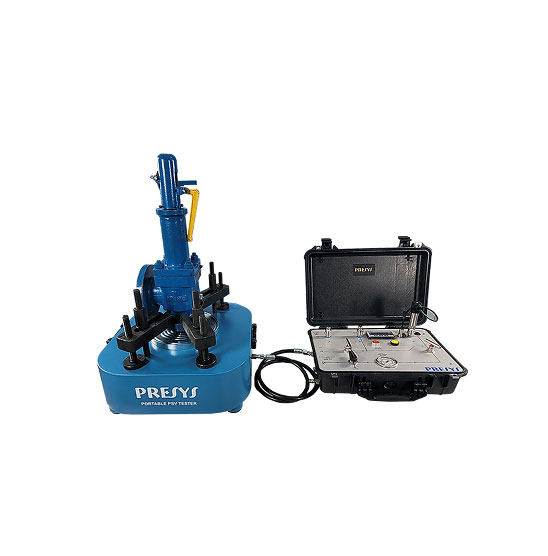
Valve Testing
1 product
Calibration Software
1 product  Valves
Actuator
1 product
Ball Valves
2 products
Butterfly Valves
3 products
Gate Valves
2 products
Globe Valves
3 products- Analytical Sensors

Water Quality Sensors
16 products
Process Systems
11 products
Density and Concentration
12 products
Analytical Controller
2 products - Process Systems








SSEA VAFIII Variable Area Flow Meter
The Schmierer SEA SSEA VAFIII Intelligent Variable Area Flow Meter is designed to measure the flow of liquids and gases in industrial pipelines. It combines the variable area measurement principle with electronic signal processing to provide local flow indication and electrical outputs for monitoring and control.
Moreover, its intelligent transmitter can display instantaneous flow and accumulated flow. Depending on the selected configuration, it also supports 4–20 mA output, alarm functions and digital communication. Therefore, the SSEA VAFIII is suitable for process plants that require visual flow indication and integration with industrial automation systems.
Description
Description
Models and Configurations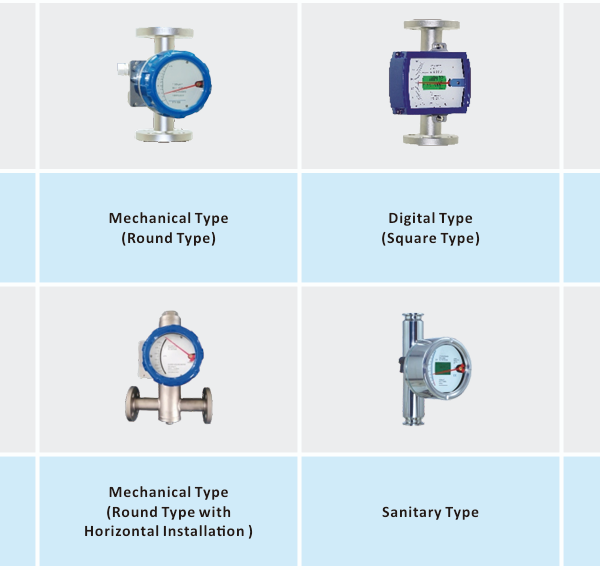
The SSEA VAFIII range includes different nominal sizes, measuring tubes and installation arrangements.
- Standard variable area flow meter: For general liquid and gas flow measurement.
- PTFE-lined version: Designed for compatible corrosive fluids and applications requiring a fluoropolymer lining.
- High-temperature version: Available in special configurations for elevated-temperature applications.
- Jacketed version: Can support applications requiring heating or temperature control around the measuring tube.
- Sanitary version: Available for compatible hygienic process installations.
- Remote transmitter option: Allows the display or electronics to be installed separately where required.
The available configuration depends on the required flow range, process medium, pressure, temperature and connection type.
Key Specifications
- Manufacturer: Schmierer SEA
- Model: SSEA VAFIII
- Measurement principle: Variable area (rotameter) with electronic flow indication
- Measuring range for water at 20°C: Approximately 1–200,000 L/h
- Measuring range for air at 20°C and 0.1013 MPa: Approximately 0.03–6,000 m³/h
- Rangeability: 10:1 standard; special configurations up to 20:1
- Accuracy class: Class 1.5 standard; special configurations may achieve Class 1.0
- Nominal sizes: DN15–DN200
- Standard pressure rating: Up to 4.0 MPa for DN15–DN50 and 1.6 MPa for DN80–DN200
- Special pressure ratings: Higher ratings may be available, depending on size and configuration
- Standard medium temperature: Approximately −40°C to +100°C, depending on configuration
- High-temperature option: Special versions can support temperatures up to 450°C
- Lining option: PTFE-lined versions for compatible chemical applications
- Analog output: 4–20 mA
- Communication: HART on compatible configurations
- Alarm outputs: High- and low-flow alarms, depending on configuration
- Display: Digital indication of instantaneous and accumulated flow
- Enclosure protection: IP65
- Process connection: Flanged connections and other model-specific options
Important: These values are based on the available SSEA VAFIII operating manual. The actual measuring range depends on the fluid, density, viscosity, operating conditions and selected float or measuring tube. Verify the applicable datasheet before specifying the instrument.
Working Principle
The SSEA VAFIII uses the variable area principle.
Step 1 – Fluid enters the measuring tube. The process fluid flows through a vertically installed tapered tube.
Step 2 – The float moves. As flow increases, the fluid exerts more force on the float, causing it to rise. The gap between the float and the tube wall increases, providing a larger flow area.
Step 3 – The float reaches equilibrium. The float settles at a position where the upward forces from the fluid balance its effective weight. The float position therefore corresponds to the flow rate under the specified calibration conditions.
Step 4 – The transmitter processes the measurement. The electronic system converts the detected float position into a flow value. It can then display the instantaneous flow and accumulated total, while providing configured electrical outputs.
Consequently, the instrument combines the straightforward operation of a variable area flow meter with electronic monitoring and control capabilities.
Advantages
- Wide measuring range: Different sizes support a broad range of liquid and gas flow rates.
- Local digital display: Operators can monitor instantaneous and total flow directly.
- Automation integration: The 4–20 mA output supports connection to PLCs, DCSs and other control systems.
- Alarm functionality: Configurable high- and low-flow alarms help identify abnormal process conditions.
- Flexible materials: PTFE lining and alternative materials support compatible corrosive applications.
- Special process configurations: High-temperature, jacketed and sanitary versions can suit specific requirements.
- Multiple installation options: Different sizes and arrangements support varied piping layouts.
- Process monitoring: Electronic outputs allow flow values to be recorded and used in control strategies.
Applications
The Schmierer SEA SSEA VAFIII is suitable for:
- Water and utility flow measurement
- Industrial gas flow monitoring
- Chemical processing
- Pharmaceutical production, where the selected configuration meets hygienic requirements
- Food and beverage processing, with suitable sanitary construction
- Heating and cooling systems
- Boiler and auxiliary systems
- Industrial process control
- Flow monitoring in production equipment
Installation and Selection
First, identify the process fluid and its operating conditions. Then, select the nominal size and measuring range based on the minimum, normal and maximum flow rates.
For gas applications, account for operating pressure and temperature because changes in gas density affect the relationship between float position and flow. For liquid applications, consider density and viscosity. In addition, confirm the pressure rating, temperature limit, material compatibility and required electrical outputs.
The meter should be installed in the orientation specified for the selected model, normally in a vertical line with upward flow for a conventional variable area arrangement. Follow the manufacturer’s requirements for straight pipe sections, filtration and commissioning.
Conclusion
The Schmierer SEA SSEA VAFIII Intelligent Variable Area Flow Meter combines a variable area measuring principle with electronic indication and signal outputs. Its broad measuring range, digital display and optional alarm functions make it suitable for a variety of industrial flow-monitoring tasks.
Moreover, special configurations—including PTFE-lined, high-temperature and jacketed versions—allow the instrument to be adapted to compatible process conditions. Correct sizing and configuration are essential for achieving reliable measurement performance.
Related products

Massflow Sensor RHM03 small size 0.038 – 5 kg/min
In stock
SKU:
RHM03
The RHM03 is available with a wide selection of wetted materials and the highest pressure and temperature ratings in the market. It is suitable for all low flow applications where high accuracy is a must.
PDF datasheet

Massflow Sensor RHM12 middle size 0.75 – 100 kg/min
In stock
SKU:
RHM12
The RHM12 is a workhorse 1″ sensor used in every imaginable industry. Suitable for both continuous process and batching/filling applications, the RHM12 is a truly versatile tool for plant operations everywhere.
PDF datasheet

Massflow Sensor RHM160 large size 600 – 30000 kg/min
In stock
SKU:
RHM160
The RHM160 is the ultimate cargo and pipeline meter. With a combination of high accuracy and low pressure drop, the RHM160 is the perfect solution for rapidly transferring large fluid quanties with confidence.
PDF datasheet

Massflow Sensor RHM40 middle size 12.5 – 1500 kg/min
In stock
SKU:
RHM40
The RHM40 Coriolis sensor offers a low pressure drop and exceptional turndown capability. Designed for general process applications, the RHM40 is available with a choice of materials and the highest pressure ratings.
PDF datasheet