



 Pressure

Bourdon Tube
7 products
Boiler
2 productsChemical
3 products
Phenolic
1 product
Differential
7 products
Capsule
3 products
Test Pressure Gauge
5 products
Contact
4 products
Diaphragm
3 products
Diaphragm Seal
1 product
Digital
2 products
Pressure Transmitter
10 products
Pressure Switch
5 products
Load and Force
11 products
Accessories
15 products- Temperature
RTD
5 products
Bimetallic
2 products
Gas Filled
2 products
Non-Replaceable Inserts
3 products
Replaceable Inserts
4 products
Ceramic Protection
7 products
Mineral Insulated
4 products
Flameproof and Intrinsically Safe
7 products
Surface and Machinery
30 products
Food and Pharma
7 products
HVAC
9 products
Acids, Alkalis, Salts
4 products
Temperature Switch
1 product
Thermowell
16 products
Indicator, Controller
8 products
Accessories
9 products
Humidity
7 productsThermocouple
50 products
Cable Sensors
38 productsHead Sensors
9 products
High Temperature
6 products
Temperature Transmitter
6 products - Flow

Electro Magnetic
2 products
Vortex
3 products
Swirl
1 product
Ultrasonic
7 products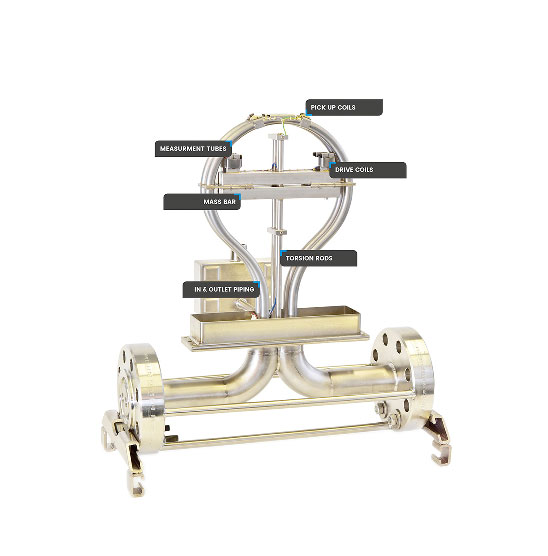
Coriolis Mass Flowmeter
28 products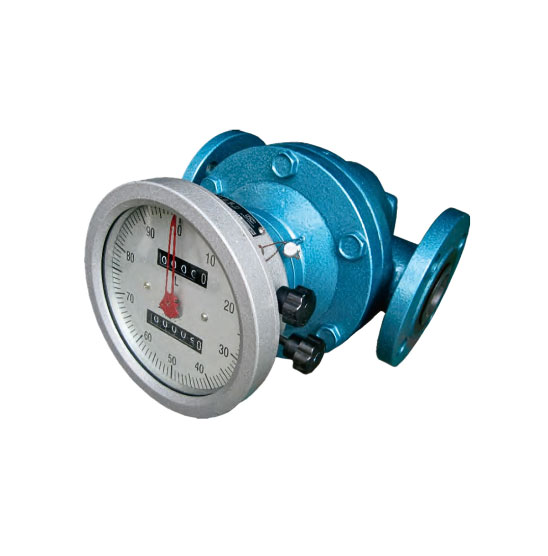
Positive Displacement
6 products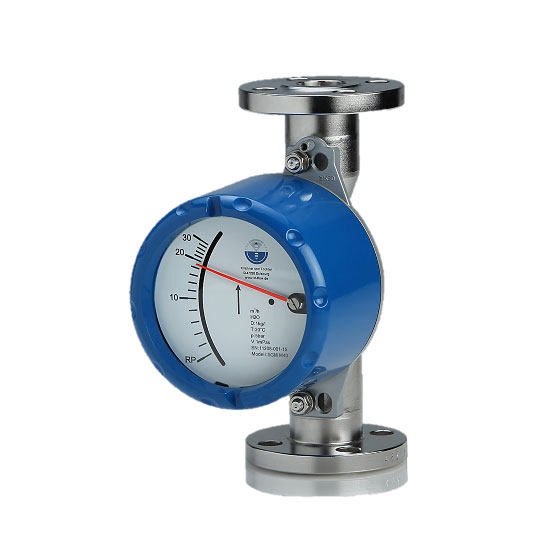
Variable Area
1 product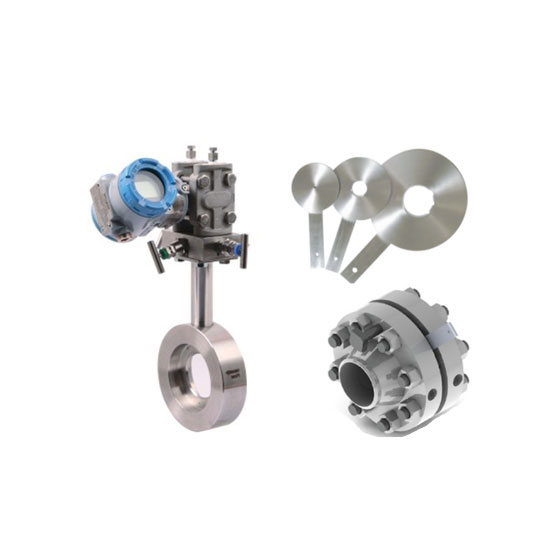
Differential Pressure
7 products
Turbine
4 products
Flap
1 product
Side Glass
1 product
Thermal gas
5 products
Air Flow/Quality
11 products
Flow Switch
9 products
Flow Computer
3 products
Flow Accessories
2 products
Dosing/Batching
6 products - Level
Radar
3 products
Ultrasonic
1 product
Capacitance
7 products
Conductivity
4 products
Magnetic
1 product
Float/Buoyancy
7 products
Level Indicator
3 products
Vibrating Rod
3 products
Rotary Paddle
2 products
Hydrostatic
2 products
Optical
1 product
Level Switches
11 products - Calibration Devices
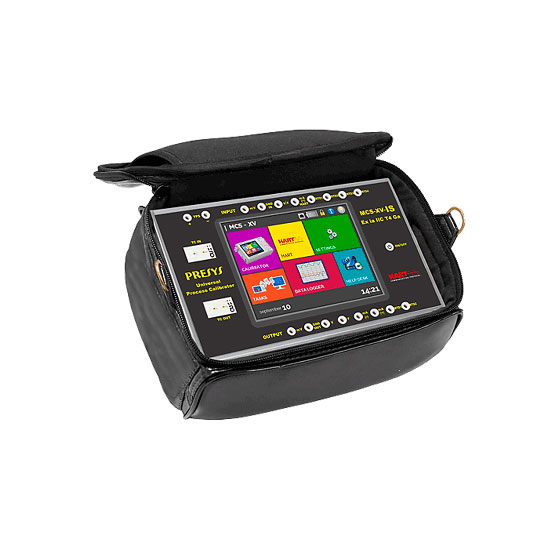
Multi Function Calibrators
2 products
Pressure Calibrators
4 products
Temperature Calibrators
6 products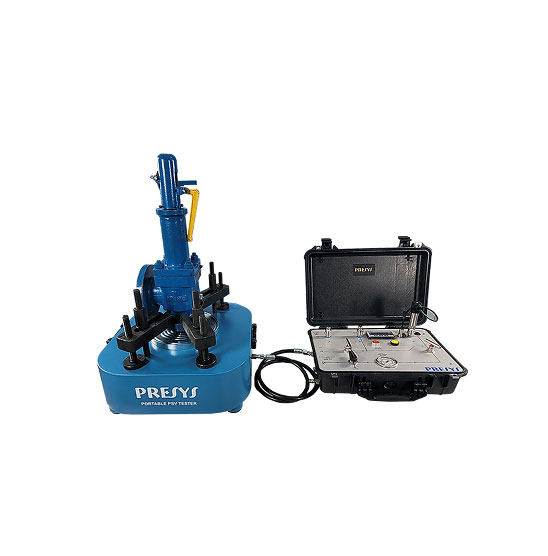
Valve Testing
1 product
Calibration Software
1 product  Valves
Actuator
1 product
Ball Valves
2 products
Butterfly Valves
3 products
Gate Valves
2 products
Globe Valves
3 products- Analytical Sensors

Water Quality Sensors
16 products
Process Systems
11 products
Density and Concentration
12 products
Analytical Controller
2 products - Process Systems






Acids, Alkalis, Salts
Temperature sensor products designed for corrosive environments, such as acids, alkalis, and salts, utilize advanced protective materials like PTFE (Teflon), PFA, or high-grade Titanium to prevent chemical degradation and ensure long-term measurement accuracy. These sensors, often configured as thermocouples or RTDs (Resistance Temperature Detectors), feature hermetically sealed probes and chemically resistant lead wires to withstand the harsh pH levels and oxidative properties of electrolytes. By isolating the internal sensing element from direct contact with aggressive media, these specialized instruments provide critical thermal monitoring for chemical processing, electroplating, and wastewater treatment, where standard stainless steel probes would otherwise corrode and fail.
Working Principles
The working principle of temperature sensors for acids, alkalis, and salts relies on the conduction of thermal energy through a chemically inert barrier to an internal sensing element, typically a Platinum Resistor (Pt100) or a Thermocouple junction. In these corrosive environments, the sensor operates by detecting changes in electrical resistance or voltage, such as the Seebeck effect in thermocouples, while a protective sheath made of PTFE (Teflon) or tantalum acts as a thermal conductor that simultaneously shields the electronics from ionic attack and oxidation. As the temperature of the acidic or alkaline solution fluctuates, the heat permeates the corrosion-resistant jacket to reach the internal transducer, which then converts the thermal kinetic energy into a precise electronic signal (measured in ohms or millivolts) for process control.
Applications
Temperature sensors designed for aggressive chemical environments are essential across industries where high acidity, alkalinity, or salinity would destroy standard equipment. Their primary applications include:
- Chemical Processing & Manufacturing
- Electroplating and Surface Treatment
- Wastewater Treatment
- Pharmaceutical Production
- Desalination Plants
- Laboratory & Research
- Battery Manufacturing

Exotic Alloy Series High-Pressure Temperature Sensors
In stock
SKU:
TOPGH-1
Achieve extreme chemical corrosion immunity and high-pressure mechanical integrity inside your most aggressive petrochemical and chemical reactors. Therefore, refinery engineers, chemical plant operators, and offshore technicians deploy Limatherm Sensor Exotic Alloy Series probes. Specifically, they rely on these specialized sensors where standard stainless steel thermowells suffer rapid pitting or stress cracking. Because these heavy-duty assemblies feature solid bar-stock thermowells machined from Hastelloy C276, Titanium, or Tantalum, they endure extreme process pressures and corrosive media simultaneously. Furthermore, their replaceable measuring inserts allow effortless maintenance without unsealing the reactor. Consequently, your facility prevents catastrophic vessel leaks. As a result, you maintain accurate, continuous thermal control across critical industrial processes.
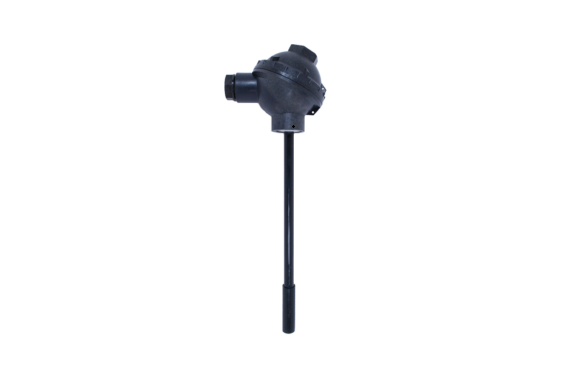
PTFE-Coated & Sheathed Temperature Sensors
In stock
SKU:
TOPT, TTKT
Achieve superior chemical corrosion immunity and mechanical durability inside your electroplating, pickling, and aggressive acid tanks. Therefore, chemical plant operators, surface treatment managers, and process engineers deploy Limatherm TOPT and TTKT fluoropolymer-protected sensors. Specifically, they rely on these probes where bare stainless steel or glass sensors risk corrosion or mechanical breakage. Because these sensors combine precision platinum RTDs or Type K thermocouples with heavy-duty PTFE coatings or solid PTFE sheaths, they repel concentrated acids and alkalis completely. Furthermore, their non-stick surfaces prevent scale buildup. Consequently, your facility eliminates premature probe failure. As a result, you maintain accurate, reliable temperature control across harsh chemical bath environments.
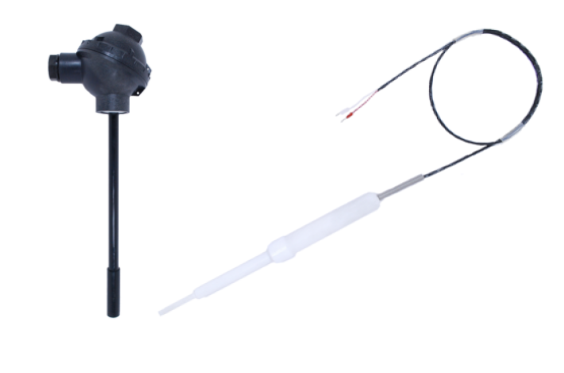
PVC-Coated Resistance Temperature Sensors upto 100°C
In stock
SKU:
TOPCV-1, TOPCVE-1
TOPCV-1 / TOPCVE-1. Pt100 resistance thermometers featuring a steel protection tube coated in chemical-resistant polyvinite (PVC), available with either a connection head (TOPCV-1) or a PTFE-insulated lead wire (TOPCVE-1) for electroplating and acid baths up to 100°C. Specifically, they rely on these probes where bare stainless steel corrodes rapidly in cold or warm acid baths. Because these sensors feature a rigid steel protection tube coated in seamless chemical-resistant polyvinite (PVC), they block aggressive electrolytes and stray plating currents completely. Furthermore, they offer flexible termination choices. Consequently, your facility eliminates premature probe burnout. As a result, you maintain accurate, cost-effective temperature tracking across harsh chemical tank environments.

SZE Series Glass-Sheathed Temperature Sensors
In stock
SKU:
aggressive media
Achieve total immunity to aggressive acids, alkalis, and corrosive chemical baths with borosilicate glass-sheathed RTDs. Therefore, chemical plant operators, laboratory engineers, and electroplating managers deploy Limatherm SZE Series glass-protected sensors. Specifically, they rely on these non-metallic probes where standard stainless steel or alloy sheaths corrode rapidly. Because these sensors house high-purity platinum resistance elements inside a hermetically sealed borosilicate glass tube, they prevent chemical attack completely. Furthermore, their smooth non-porous surface stops product buildup and cross-contamination. Consequently, your facility eliminates premature probe failure. As a result, you maintain accurate, hygienic temperature tracking across harsh chemical and laboratory environments.