



 Pressure

Bourdon Tube
7 products
Boiler
2 productsChemical
3 products
Phenolic
1 product
Differential
7 products
Capsule
3 products
Test Pressure Gauge
5 products
Contact
4 products
Diaphragm
3 products
Diaphragm Seal
1 product
Digital
2 products
Pressure Transmitter
10 products
Pressure Switch
5 products
Load and Force
11 products
Accessories
15 products- Temperature
RTD
5 products
Bimetallic
2 products
Gas Filled
2 products
Non-Replaceable Inserts
3 products
Replaceable Inserts
4 products
Ceramic Protection
7 products
Mineral Insulated
4 products
Flameproof and Intrinsically Safe
7 products
Surface and Machinery
30 products
Food and Pharma
7 products
HVAC
9 products
Acids, Alkalis, Salts
4 products
Temperature Switch
1 product
Thermowell
16 products
Indicator, Controller
8 products
Accessories
9 products
Humidity
7 productsThermocouple
50 products
Cable Sensors
38 productsHead Sensors
9 products
High Temperature
6 products
Temperature Transmitter
6 products - Flow

Electro Magnetic
2 products
Vortex
3 products
Swirl
1 product
Ultrasonic
7 products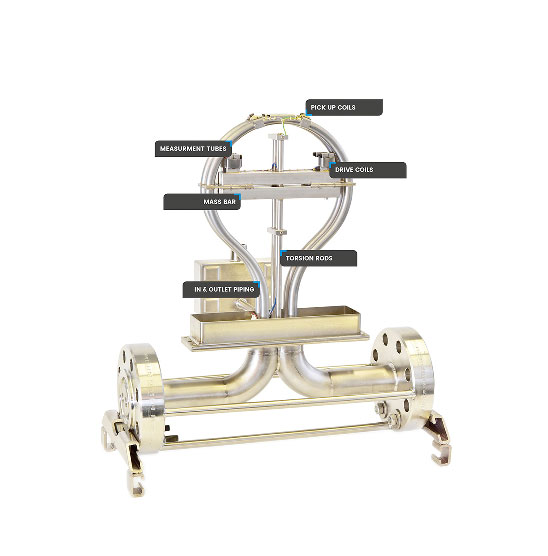
Coriolis Mass Flowmeter
28 products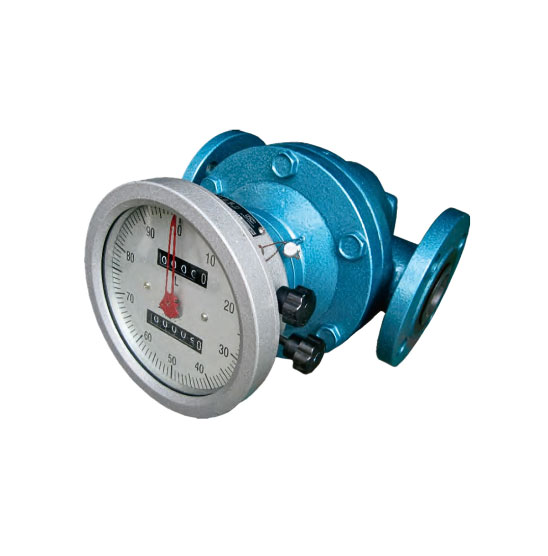
Positive Displacement
6 products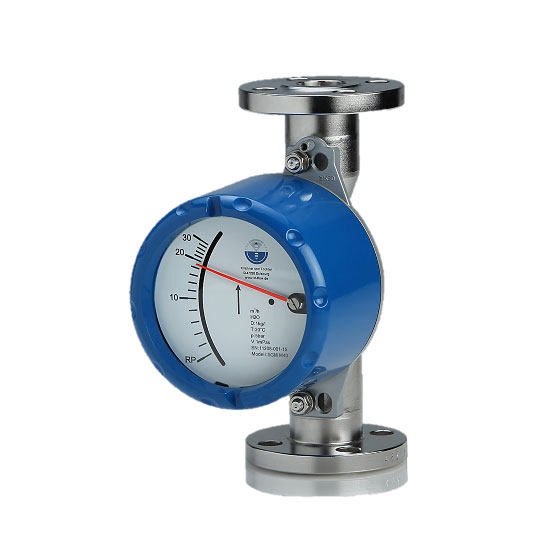
Variable Area
1 product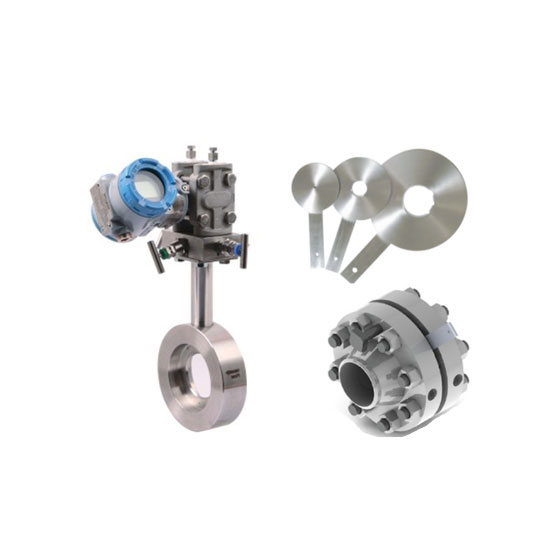
Differential Pressure
7 products
Turbine
4 products
Flap
1 product
Side Glass
1 product
Thermal gas
5 products
Air Flow/Quality
11 products
Flow Switch
9 products
Flow Computer
3 products
Flow Accessories
2 products
Dosing/Batching
6 products - Level
Radar
3 products
Ultrasonic
1 product
Capacitance
7 products
Conductivity
4 products
Magnetic
1 product
Float/Buoyancy
7 products
Level Indicator
3 products
Vibrating Rod
3 products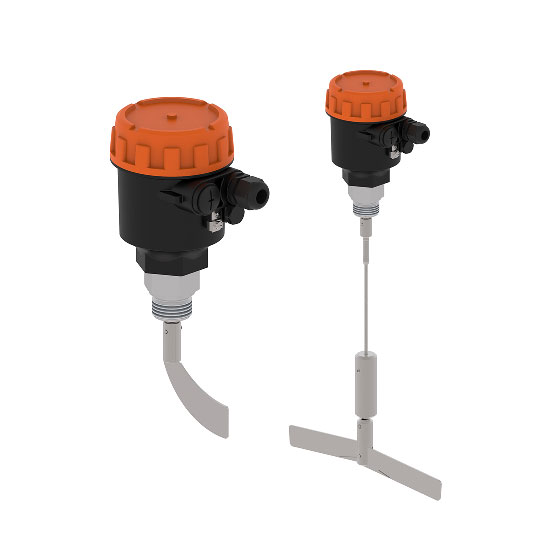
Rotary Paddle
2 products
Hydrostatic
2 products
Optical
1 product
Level Switches
11 products - Calibration Devices
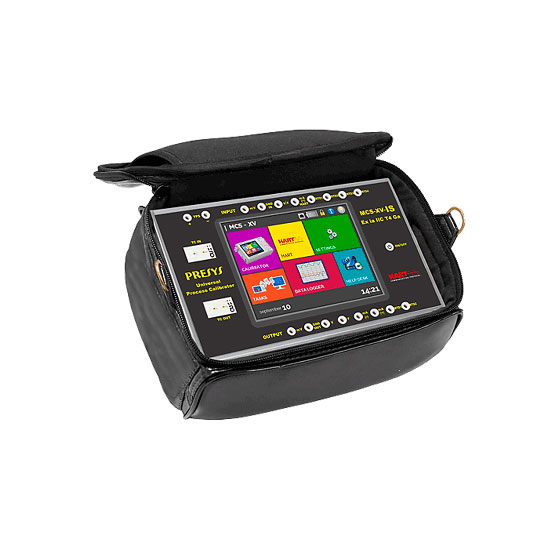
Multi Function Calibrators
2 products
Pressure Calibrators
4 products
Temperature Calibrators
6 products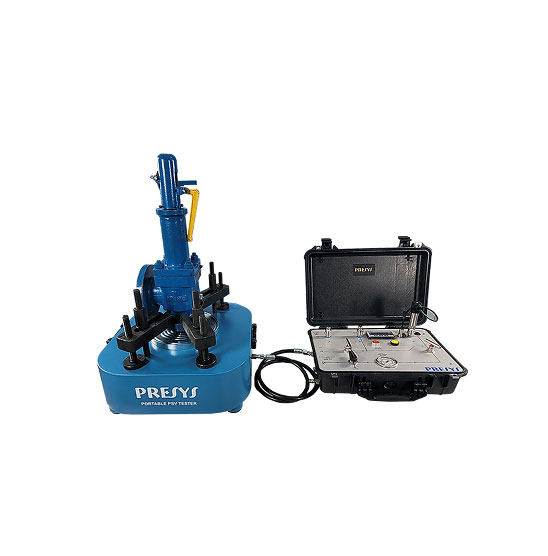
Valve Testing
1 product
Calibration Software
1 product  Valves
Actuator
1 product
Ball Valves
2 products
Butterfly Valves
3 products
Gate Valves
2 products
Globe Valves
3 products- Analytical Sensors

Water Quality Sensors
16 products
Process Systems
11 products
Density and Concentration
12 products
Analytical Controller
2 products - Process Systems







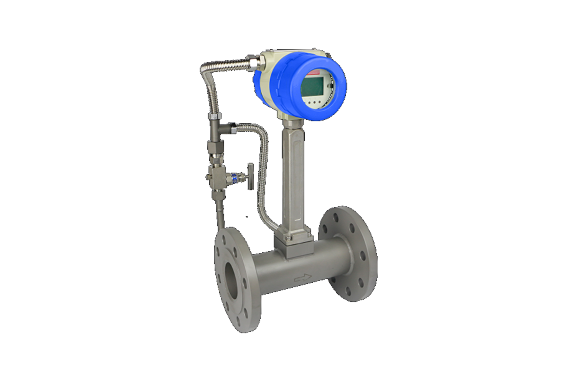


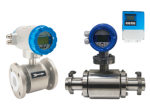

SSEA-MFIII Electromagnetic Flow Meter
The Schmierer SEA SSEAMFIII Electromagnetic Flow Meter measures the volumetric flow rate of electrically conductive liquids in industrial pipelines. It uses Faraday’s law of electromagnetic induction to determine liquid velocity and calculate flow. As a result, it provides reliable flow measurement without placing moving mechanical parts in the flow path.
The SSEAMFIII is designed for applications involving water, wastewater, sludge, and compatible chemical liquids. Moreover, its range of liner materials, electrode options, and process connections allows users to select a configuration for different operating conditions. Therefore, it is suitable for many water treatment, chemical processing, and industrial liquid measurement applications.
Description
Description
Types
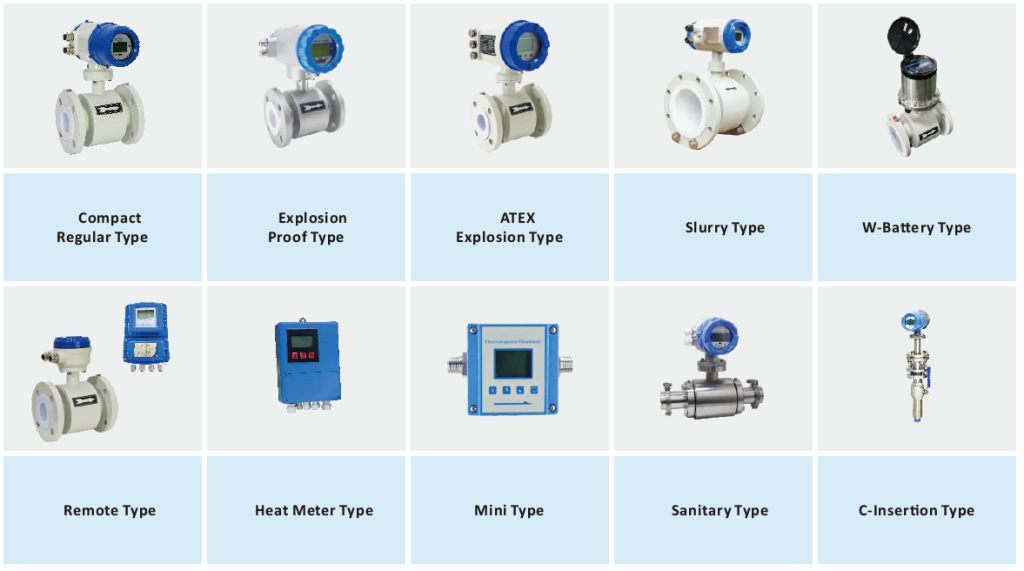
Key Features
- Electromagnetic measurement: Uses Faraday’s law to measure the flow of conductive liquids.
- No moving parts: Reduces mechanical wear and helps simplify routine maintenance.
- Low pressure loss: Provides an unobstructed measuring passage without a moving rotor or turbine.
- Multiple liner materials: Offers rubber, PTFE, and PFA options, depending on the application.
- Electrode selection: Available electrode materials include SS316, titanium, tantalum, Hastelloy C, and platinum-iridium.
- Flexible connections: Supports flange, sanitary, and insertion configurations.
- Signal integration: Supports 4–20 mA and pulse outputs, with communication options including RS485 and HART.
- Flexible configurations: Manufacturer listings include compact and remote versions, battery-powered variants, and ATEX options.
Working Principle
The SSEAMFIII operates according to Faraday’s law of electromagnetic induction. When an electrically conductive liquid moves through a magnetic field, it generates a voltage proportional to its velocity.
Inside the flow meter, electromagnetic coils create a magnetic field across the measuring tube. As the liquid passes through this field, electrodes detect the induced voltage. The transmitter then processes the signal to determine the average liquid velocity.
Next, the instrument combines the calculated velocity with the pipe’s cross-sectional area to determine volumetric flow rate. Consequently, the meter can provide flow readings and, when configured accordingly, accumulated volume measurements.
Because the meter has no moving parts, it avoids the mechanical wear associated with turbine and other rotating-element meters. However, the liquid must have sufficient electrical conductivity, and the meter must be installed according to the manufacturer’s requirements for reliable measurement.
Technical Specifications
- Manufacturer: Schmierer SEA
- Model: SSEAMFIII
- Product type: Electromagnetic flow meter
- Measurement principle: Faraday’s law of electromagnetic induction
- Measuring medium: Electrically conductive liquids, including compatible water-based fluids, wastewater, sludge, and chemicals
- Accuracy options: ±0.2% or ±0.5% of reading, according to the product listing and selected configuration
- Liner materials: Rubber, PTFE, PFA
- Electrode materials: SS316, titanium, tantalum, Hastelloy C, platinum-iridium
- Process connections: Flange, sanitary, insertion
- Fluid temperature: -20°C to +180°C, depending on the selected liner and configuration
- Signal outputs: 4–20 mA, pulse
- Communication options: RS485, HART, GPRS, depending on the selected version
- Power supply options: 110–240 V AC, 24 V DC, or battery, depending on the version
- Protection rating: IP65 to IP68, depending on the configuration
- Explosion protection: ATEX options listed by the manufacturer; confirm the applicable certification for the selected model
- Nominal diameter and pressure rating: Confirm with the manufacturer for the required configuration
Note: Specifications vary by model configuration. In particular, verify the maximum temperature for the selected liner, the electrode material’s chemical compatibility, and the applicable protection and certification ratings before ordering.
Applications
- Water and wastewater treatment: Measures flow in water distribution networks, sewage systems, treatment plants, and sludge lines.
- Chemical processing: Monitors compatible conductive acids, alkalis, and chemical solutions.
- Mining and minerals: Supports flow measurement for compatible slurries and liquids containing solids.
- Pulp and paper: Measures suitable process liquids, pulp, pastes, and additives.
- Food and beverage: Supports liquid flow measurement in compatible hygienic applications when the selected connection and materials meet sanitary requirements.
- Industrial utilities: Helps monitor conductive process water and other compatible liquids.
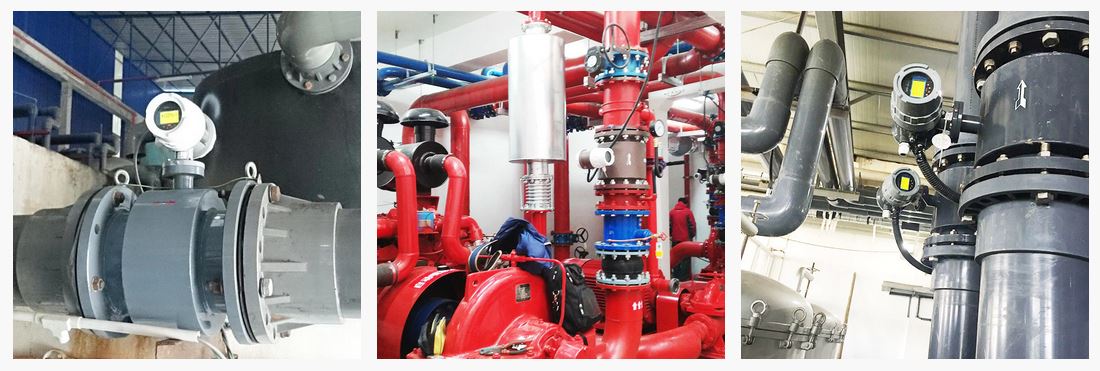
Benefits of the SSEAMFIII Electromagnetic Flow Meter
Reduced mechanical maintenance: The absence of moving parts reduces wear within the measuring tube. As a result, the meter can help simplify maintenance in suitable applications.
Minimal flow obstruction: The open measuring passage creates very little additional pressure loss, helping preserve the hydraulic performance of the process system.
Suitable for challenging liquids: With the correct liner and electrode materials, the meter can handle compatible wastewater, sludge, and corrosive liquids.
Easy control system integration: The available 4–20 mA, pulse, and communication options support integration with compatible PLCs, DCS platforms, and monitoring systems.
Flexible configuration: Different connection styles, materials, and power options help users match the instrument to their process and installation requirements.
Conclusion
The Schmierer SEA SSEAMFIII Electromagnetic Flow Meter provides volumetric flow measurement for conductive liquids without moving parts. Its material options and industrial signal interfaces make it suitable for a broad range of compatible applications. Before selecting a model, confirm liquid conductivity, chemical compatibility, flow range, pressure rating, temperature limits, and the required connection type.
Related products

Massflow Sensor RHM06 small size 0.15 – 20 kg/min
In stock
SKU:
RHM06
The RHM06 is a low risk, low maintenance solution for critical flow applications everywhere. High pressure and temperature options comined with a selection of wetted material make the RHM06 a true fit and forget device.
PDF datasheet

Massflow Sensor RHM15 middle size 1 – 200 kg/min
In stock
SKU:
RHM15
The RHM15 is an all-purpose meter suitable for liquid processing plants. A wide application flow range capability allows for commonality of installation across numerous lines – a real benefit to owners and operators.
PDF datasheet

Massflow Sensor RHM40 middle size 12.5 – 1500 kg/min
In stock
SKU:
RHM40
The RHM40 Coriolis sensor offers a low pressure drop and exceptional turndown capability. Designed for general process applications, the RHM40 is available with a choice of materials and the highest pressure ratings.
PDF datasheet

Massflow Transm. RHE 21 – Exd Field Mount
In stock
SKU:
RHE 21
The RHE21 is an advanced function, explosion proof, field mount transmitter. With a corrosion resistant stainless steel enclosure and through-glass operation capability, the RHE21 is rated to IP67 and suitable for the most extreme of installation environments. Multifunction capability provides real time mass and volumetric flow plus density and temperature indication with the option of connecting external sensors such as pressure transducers or precision densitometers for even greater measurement accuracy. Features such as API Standard Volume correction and Net Oil calculation are available. The RHE21 supports connection to any of the wide range of RHM series of mass flow sensors and can be supplied with a tamperproof switch for critical applications. When the unique Rheonik Assurance Factor® advanced diagnostics package is included, the RHE21 gives headache-free operation and provides deep insight into measurement conditions for precise process control.
PDF datasheet