



 Pressure

Bourdon Tube
7 products
Boiler
2 productsChemical
3 products
Phenolic
1 product
Differential
7 products
Capsule
3 products
Test Pressure Gauge
5 products
Contact
4 products
Diaphragm
3 products
Diaphragm Seal
1 product
Digital
2 products
Pressure Transmitter
10 products
Pressure Switch
5 products
Load and Force
11 products
Accessories
15 products- Temperature
RTD
5 products
Bimetallic
2 products
Gas Filled
2 products
Non-Replaceable Inserts
3 products
Replaceable Inserts
4 products
Ceramic Protection
7 products
Mineral Insulated
4 products
Flameproof and Intrinsically Safe
7 products
Surface and Machinery
30 products
Food and Pharma
7 products
HVAC
9 products
Acids, Alkalis, Salts
4 products
Temperature Switch
1 product
Thermowell
16 products
Indicator, Controller
8 products
Accessories
9 products
Humidity
7 productsThermocouple
50 products
Cable Sensors
38 productsHead Sensors
9 products
High Temperature
6 products
Temperature Transmitter
6 products - Flow

Electro Magnetic
2 products
Vortex
3 products
Swirl
1 product
Ultrasonic
7 products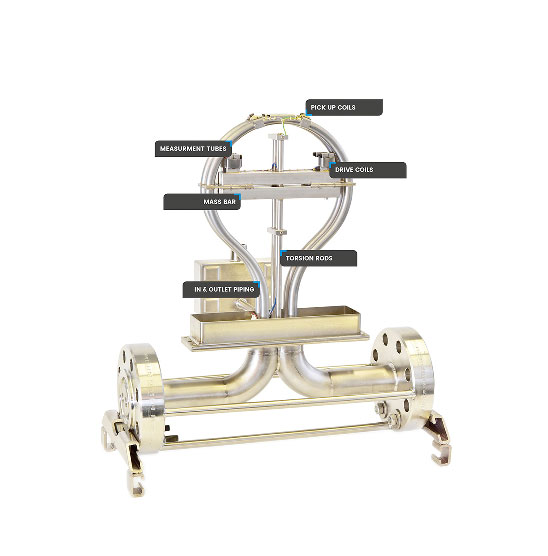
Coriolis Mass Flowmeter
28 products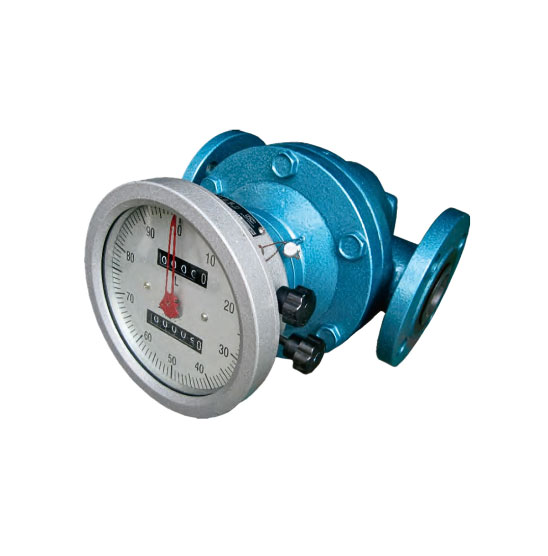
Positive Displacement
6 products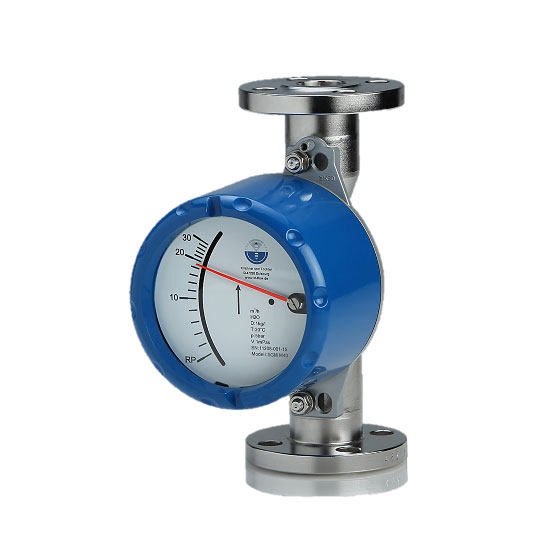
Variable Area
1 product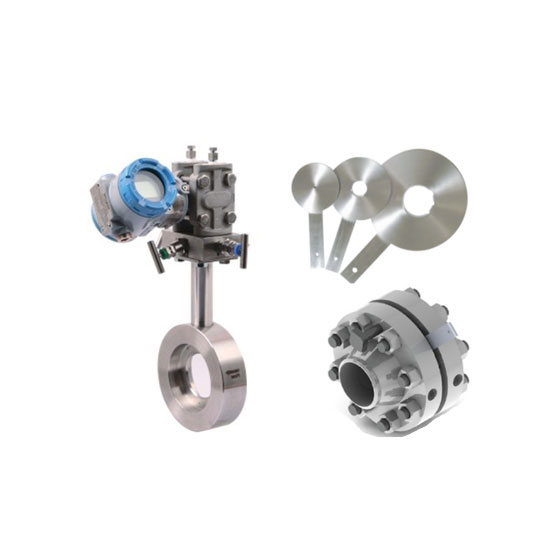
Differential Pressure
7 products
Turbine
4 products
Flap
1 product
Side Glass
1 product
Thermal gas
5 products
Air Flow/Quality
11 products
Flow Switch
9 products
Flow Computer
3 products
Flow Accessories
2 products
Dosing/Batching
6 products - Level
Radar
3 products
Ultrasonic
1 product
Capacitance
7 products
Conductivity
4 products
Magnetic
1 product
Float/Buoyancy
7 products
Level Indicator
3 products
Vibrating Rod
3 products
Rotary Paddle
2 products
Hydrostatic
2 products
Optical
1 product
Level Switches
11 products - Calibration Devices
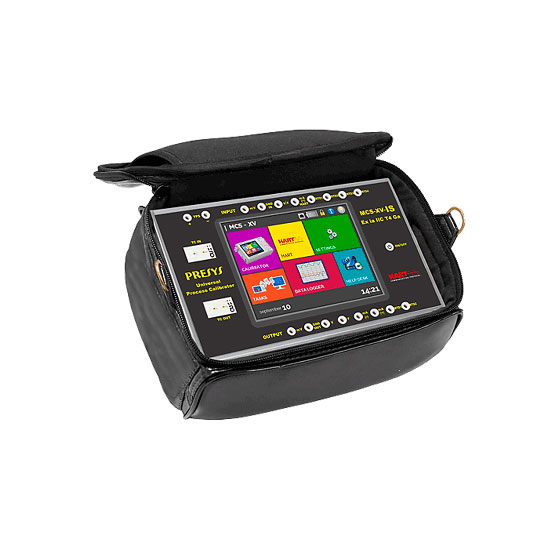
Multi Function Calibrators
2 products
Pressure Calibrators
4 products
Temperature Calibrators
6 products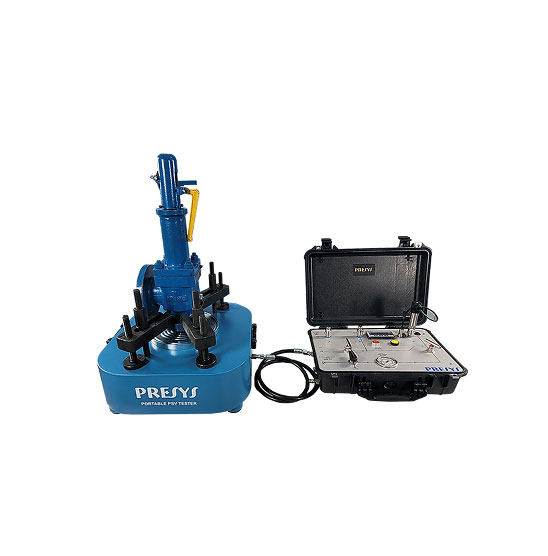
Valve Testing
1 product
Calibration Software
1 product  Valves
Actuator
1 product
Ball Valves
2 products
Butterfly Valves
3 products
Gate Valves
2 products
Globe Valves
3 products- Analytical Sensors

Water Quality Sensors
16 products
Process Systems
11 products
Density and Concentration
12 products
Analytical Controller
2 products - Process Systems









Hastelloy Chemical Pressure Gauge PG SRU25
The key distinction from the Inconel version is the wetted material: Hastelloy is selected for resistance to pitting, crevice corrosion, and stress-corrosion cracking in compatible chemical environments. The manufacturer lists Monel for aggressive gaseous and liquid media and Inconel for high-temperature corrosion resistance. The appropriate alloy still depends on the exact chemical and operating conditions.
Description
Description
Key Features
- Hastelloy wetted components: Provide resistance to pitting, crevice corrosion, and stress-corrosion cracking in compatible chemical environments.
- Bourdon tube measurement: Converts process pressure into mechanical pointer movement for direct dial indication.
- Stainless steel construction: Features an SS304 case and stabilizer movement for industrial durability.
- Silicon jelly stabilizer movement: Helps dampen the effects of vibration and pressure pulsation for more stable readings.
- IP66 protection: Provides protection against dust ingress and powerful water jets when correctly installed.
- NACE MR0175: The manufacturer lists NACE MR0175 in the product description; confirm the applicable material and service requirements for the selected configuration.
- Safety glass window: Provides a protective viewing window for the dial.
- Blow-out safety disc: Provides a pressure-relief feature intended to improve safety under certain failure conditions.
- Dual-scale dial: Displays pressure in bar and psi.
- Helium leak testing: Supports manufacturing quality control of the pressure measuring assembly.
Working Principle
The SRU25 operates using the elastic deformation of a Bourdon tube. When process pressure enters the gauge, the tube changes shape and drives a mechanical pointer.
- Pressure entry: Process pressure enters through the gauge socket and reaches the Hastelloy Bourdon tube.
- Bourdon tube deformation: The pressure causes the curved tube to move or straighten slightly, depending on the pressure applied.
- Mechanical transmission: A linkage transfers the tube’s movement to the gauge mechanism.
- Pointer movement: The mechanism rotates the pointer across the calibrated dial.
- Pressure reading: The operator reads the process pressure from the bar or psi scale.
In addition, the silicon jelly stabilizer movement helps reduce the influence of vibration and pressure pulsation on the indication. This makes readings easier to observe under suitable operating conditions.
Technical Specifications
- Product model: PG SRU25 Hastelloy Chemical
- Instrument type: Bourdon tube chemical pressure gauge
- Nominal dial size: 100 mm (4 inches)
- Wetted materials: Hastelloy alloy for the Bourdon tube and socket, subject to the selected configuration
- Case material: Stainless steel SS304
- Measuring principle: Elastic deformation of a Bourdon tube
- Standard pressure ranges: 0–6, 0–10, 0–16, 0–25, 0–40, 0–60, and 0–100 bar
- Vacuum and compound ranges: Options include -1–0, -1–1.5, -1–5, -1–9, and -1–15 bar
- Accuracy: 1% of full-scale deflection
- Process connection: Bottom entry, 1/2-inch BSP or NPT
- Dial display: Dual scale in bar and psi
- Stabilizer movement: Silicon jelly stabilizer
- Window: Safety glass
- Protection rating: IP66
- Standards and material requirements: Confirm the applicable EN 837-1, ASME B40.1, and NACE requirements for the exact configuration.
- Optional configurations: Other dial sizes, pressure ranges, and process connections may be available on request.
Note: Confirm the exact Hastelloy grade, pressure range, temperature limits, process connection, and applicable certifications before ordering. Chemical compatibility depends on the process medium, concentration, temperature, and pressure. The maximum available pressure range may depend on the selected configuration.
Applications
- Chemical processing: Monitor pressure in compatible corrosive chemical systems.
- Petrochemical plants: Measure pressure in selected process lines, vessels, and equipment.
- Corrosive fluid handling: Support pressure monitoring where the selected Hastelloy grade is suitable for the process medium.
- Industrial manufacturing: Monitor pressure in compatible production equipment and process systems.
- Oil and gas facilities: Support suitable applications when the complete assembly meets the required service and material specifications.
- Process equipment: Provide local pressure indication on compatible pipelines, vessels, and machinery.
Benefits
Corrosion Resistance for Chemical Applications
Hastelloy alloys offer resistance to several forms of corrosion in suitable environments. Therefore, the gauge can be considered for chemical applications where standard stainless steel wetted components may be unsuitable.
More Stable Pressure Readings
The integrated silicon jelly stabilizer movement helps dampen vibration and pressure pulsation. As a result, operators can read the dial more easily in installations with fluctuating pressure or mechanical vibration.
Protection for Industrial Environments
The SS304 housing and IP66 protection rating support use in demanding industrial settings. In addition, the safety glass and blow-out safety disc provide further protective design features.
Flexible Pressure Selection
Multiple pressure ranges and connection options help users select a suitable configuration for their process. However, the chosen range should account for normal operating pressure, pressure surges, and the manufacturer’s limits.
Conclusion
The Schmierer SEA PG SRU25 Hastelloy Chemical Pressure Gauge combines corrosion-resistant wetted components, Bourdon tube measurement, and vibration-damping features for compatible aggressive chemical applications.
Related products

Bourdon Tube PG SRU 25 stainless steel
In stock
SKU:
SRU25
The Schmierer SEA Bourdon Tube Pressure Gauge SRU 25 is a robust industrial instrument designed for reliable local pressure measurement. It features a fully stainless steel construction, a seamless Bourdon tube, and an SS316L process connection. As a result, it provides a durable solution for demanding industrial environments.
The SRU 25 also incorporates a silicon-jelly stabilizer movement to help reduce the effects of pressure fluctuations and mechanical vibration on the pointer. In addition, its IP66-protected housing, safety glass, and blow-out safety disc support dependable operation in suitable industrial installations.

FU Series High-Precision Test Pressure Gauges
In stock
SKU:
test gauge FU
Achieve ultimate calibration integrity and verify system compliance confidently with the Schmierer FU Series. Precision-manufactured by Schmierer GmbH at their advanced German facility, these heavy-duty mechanical test pressure gauges serve as a reliable reference standard for laboratory and field instrument verification. Furthermore, their elite accuracy profiles and low-friction internal movements eliminate measurement drift, ensuring flawless tracking of vital baseline parameters without the risk of failure.

KWU Stainless Steel Low-Pressure Capsule Gauges
In stock
SKU:
KWU Capsule PG
The Schmierer capsule pressure gauge series KWU is a fully stainless steel, low-pressure analog instrument featuring a titanium-stabilized capsule element (SS 316Ti), designed for precise micro-pressure and vacuum measurement of dry, clean, non-corrosive gaseous media.
They are commonly used for low pressure measurement and vacuum in applications such as ventilation and air conditioning systems, filter monitoring, gas supply systems, laboratory and environmental technology, pneumatic systems.

Pulsation Dampener / Snubber
In stock
SKU:
SAC-05
Designed to protect pressure instruments from sudden pressure changes and fluctuations
download pdf datasheet