



 Pressure

Bourdon Tube
7 products
Boiler
2 productsChemical
3 products
Phenolic
1 product
Differential
7 products
Capsule
3 products
Test PG
5 products
Contact
4 products
Diaphragm
3 products
Diaphragm Seal
1 product
Digital
2 products
Pr Transmitter
10 products
Pressure Switch
5 products
Load - Force
11 products
Accessories
15 products- Temperature
RTD
5 products
Bimetallic
2 products
Gas filled
2 products
Non-Rep. Inserts
3 products
Replaceable inserts
4 products
Ceramic Protection
7 products
Mineral Insulated
4 products
Flameproof and Intr. Safe
7 products
Surface and Machinery
30 products
Food and Pharma
7 products
HVAC
9 products
Acids, Alkalis, Salts
4 products
Temperature Switch
1 product
Thermowell
16 products
Indicator, Controller
8 products
Accessories
9 products
Humidity
7 productsThermocouple
50 products
Cable Sensors
38 productsHead Sensors
9 products
High Temperature
6 products
Temperature Transmitter
6 products - Flow

Electro Magnetic
2 products
Vortex
3 products
Swirl
1 product
Ultrasonic
7 products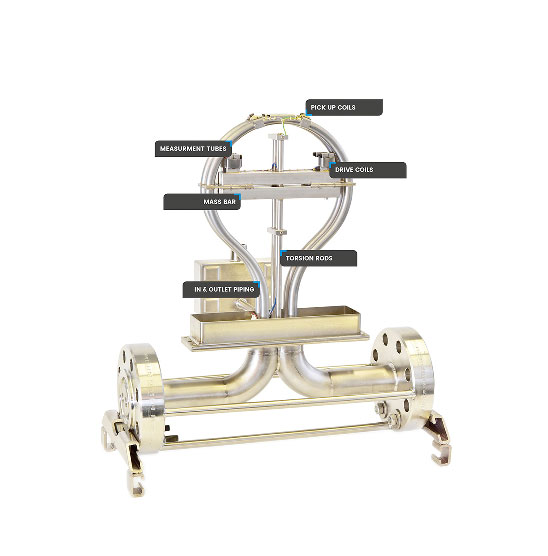
Coriolis MF
28 products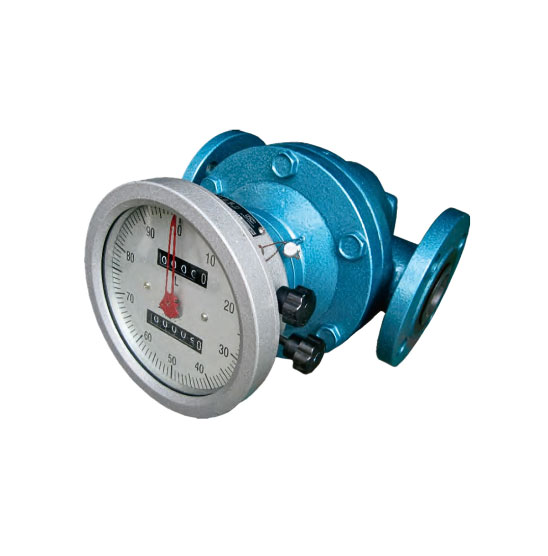
Positive Displacement
6 products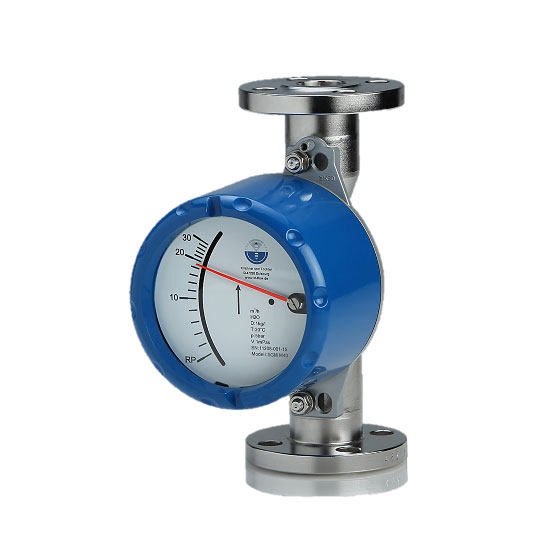
Variable Area
1 product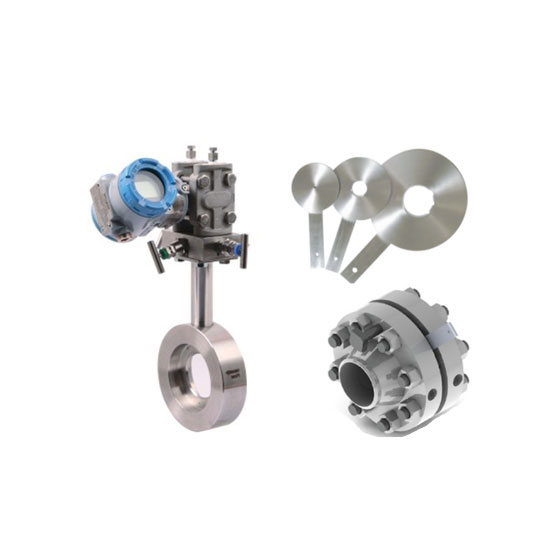
Differential Pressure
7 products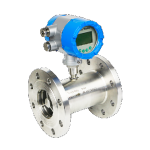
Turbine
4 products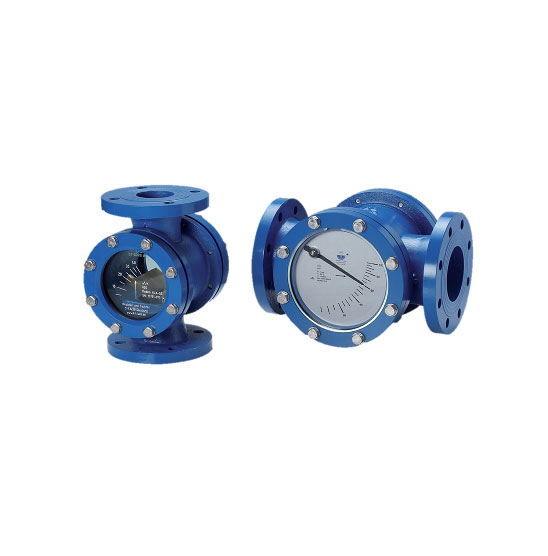
Flap
1 product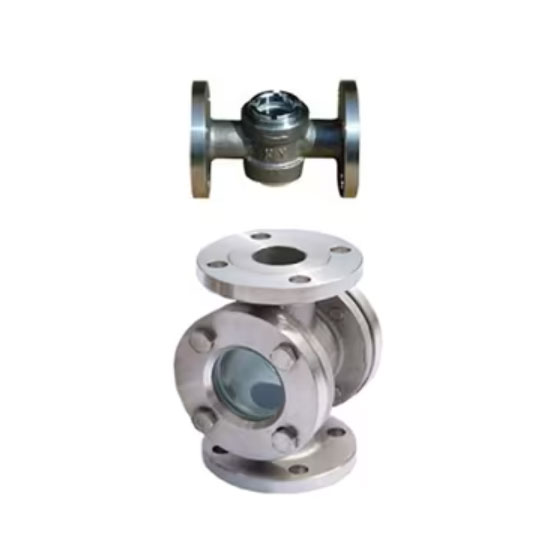
Side Glass
1 product
Thermal gas
5 products
Air Flow/Quality
11 products
Flow Switch
9 products
Flow Computer
3 products
Flow Accessories
2 products
Dosing/Batching
6 products - Level
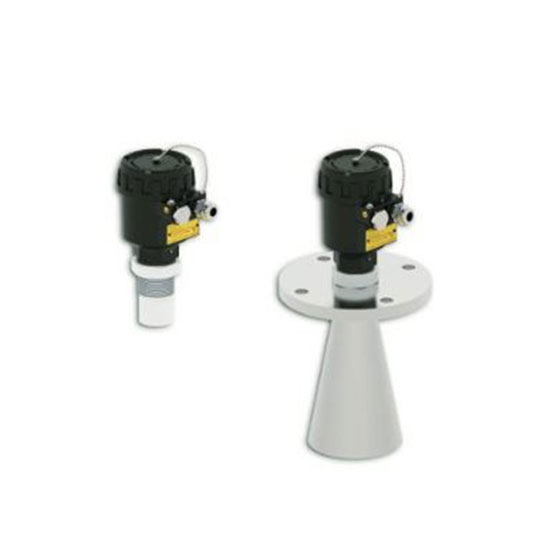
Radar
3 products
Ultrasonic
1 product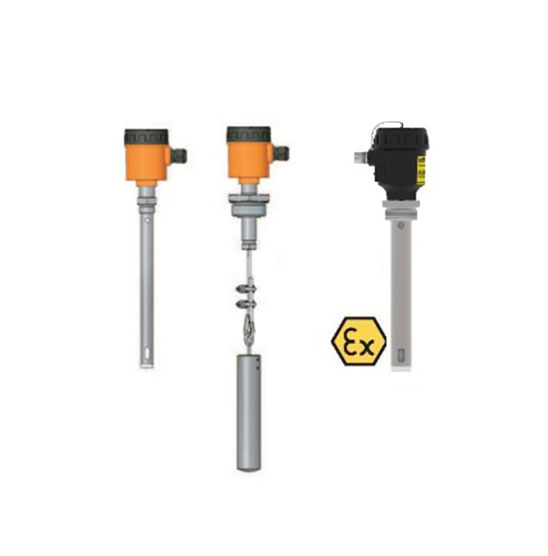
Capacitance
7 products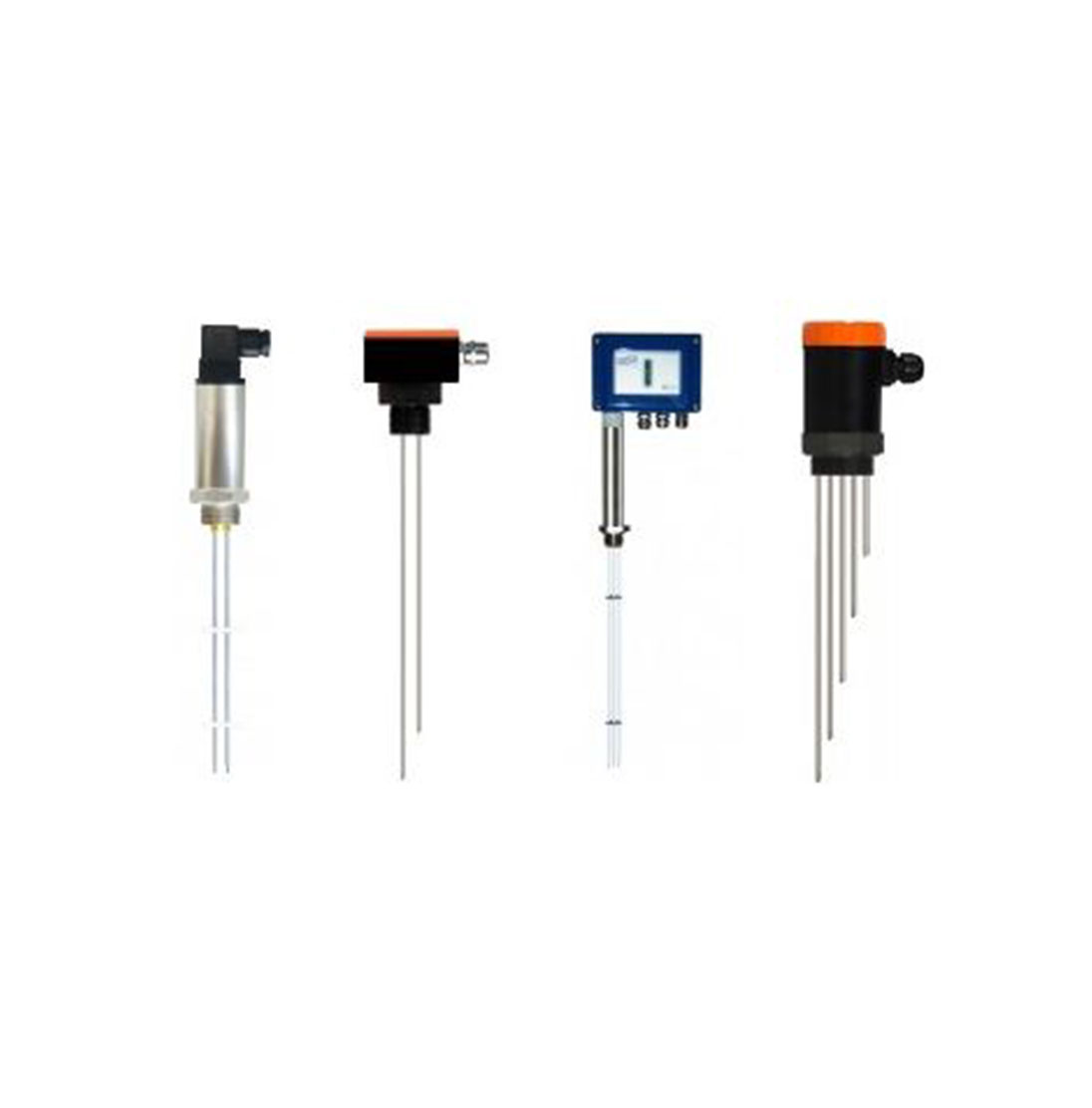
Conductivity
4 products
Magnetic
1 product
Float/Buoyancy
7 products
Level Indicator
3 products
Vibrating Rod
3 products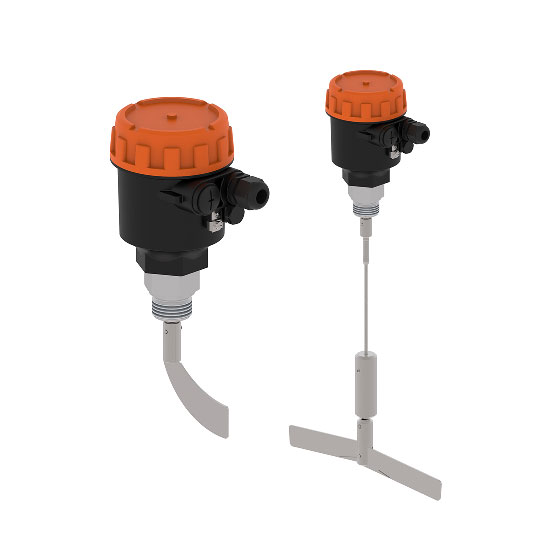
Rotary Paddle
2 products
hydrostatic
2 products
optical
1 product
Level Switches
11 products - Calibration Devices
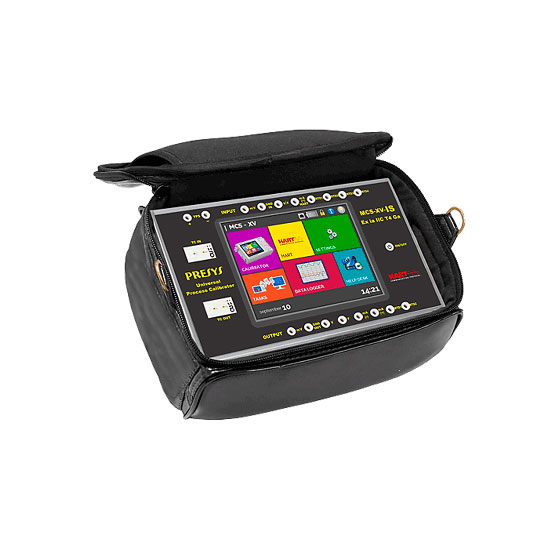
Multi Function Calibrators
2 products
Pressure Calibrators
4 products
Temperature Calibrators
6 products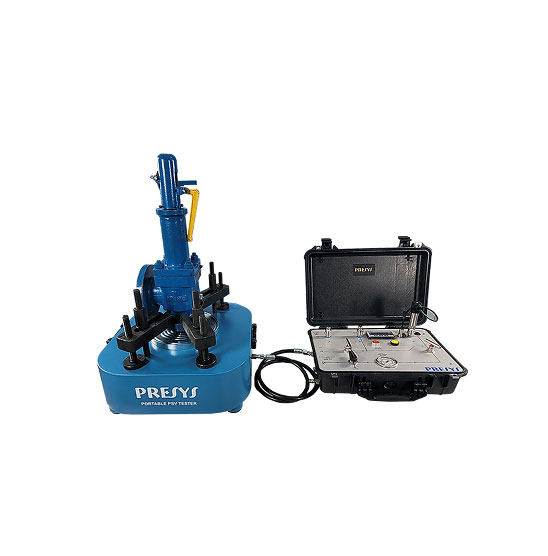
Valve Testing
1 product
Calibration Software
1 product  Valves
Actuator
1 product
Ball Valves
2 products
Butterfly Valves
3 products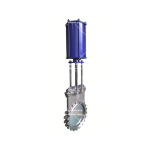
Gate Valves
2 products
Globe Valves
3 products- Analytical Sensors

Water Quality Sensors
16 products
Process Systems
11 products
Density and Concentration
12 products
Analytical Controller
2 products - Process Systems






Function and Features of Knife Gate Valves


Knife gate valves play a vital role in industrial applications, particularly in processes that require emergency fluid shut-off, demand excellent sealing performance, and operate under high-pressure or high-velocity fluid conditions.
Knife gate valves shut off or cut off the flow of fluid. When the valve is closed, the gate or blade embeds into the seat, effectively preventing the passage of fluid and achieving fluid shut-off. Partial control of the fluid can be achieved by adjusting the valve’s opening.
Features
Quick Closure:
Knife gate valves are often designed for quick closure, allowing rapid shut-off in emergency situations to prevent accidents.
Sealing Performance:
Knife gate valves provide good sealing performance when closed, reducing the risk of fluid leakage. This is particularly crucial in processes where stringent leakage requirements exist.
Suitable for High Flow Velocity:
Due to their special structure, knife gate valves are typically suitable for applications with high-speed fluid flow, as the gate is less susceptible to fluid impact when closed.
Suitable for High-Pressure Systems:
The structural characteristics of knife gate valves make them adaptable to high-pressure systems, effectively preventing fluid leakage.
Application in Water and Wastewater Treatment:
Knife gate valves are commonly used in water treatment and wastewater systems to control and shut off the flow of clear water, wastewater, and other liquid mediums.
Applications for Particles and High Concentration Flow:
With a through going O-port plate, CP series knife valves provide a stable and safe shut-off performance for high viscosity media without clogging.
The NP series eliminates potential clogging shutoff for flow with particles. Beveled knife gate design also generates great shear stress for easy flow penetration.